
 Isabel Parker
12 Things You Should Never Put in the Washing Machine
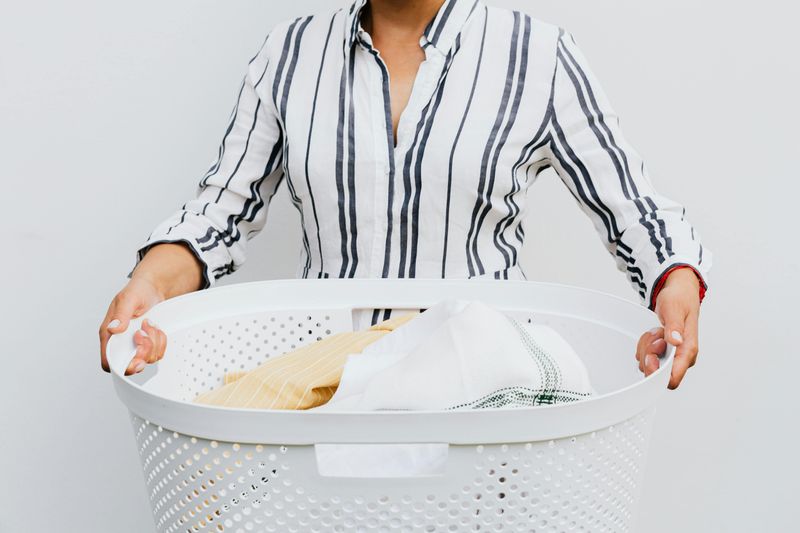
Laundry day feels like a shortcut, because tossing everything into the washer seems faster than thinking it through.
But plenty of everyday items were never designed for water, agitation, and high-speed spinning, and the damage can be permanent.
Even when something survives one wash, repeated cycles can quietly weaken fabrics, warp shapes, loosen glue, or dull finishes until it looks “worn out” long before it should.
The good news is that avoiding a few common mistakes can save you money, extend the life of your things, and keep your machine running better, too.
Below are twelve items that are better off being hand-washed, spot-cleaned, or professionally cleaned, along with simple alternatives that still keep them fresh.
If you’ve ever pulled something out of the washer and thought, “Why does this look different now,” this list will feel very familiar.
1. Dry-clean-only clothing
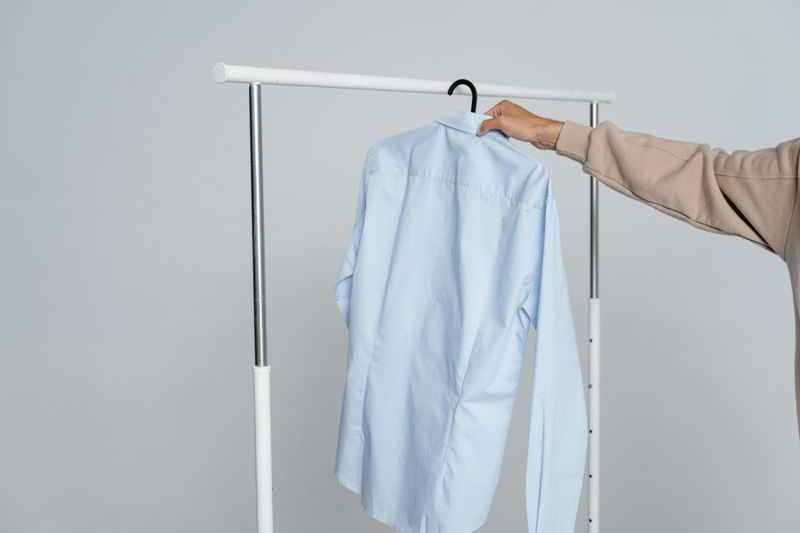
A “dry-clean only” label usually means the garment’s shape and finish depend on careful handling.
Structured pieces like blazers, lined dresses, and tailored pants can lose their crisp form when the washer saturates the inner layers.
Water can cause certain fibers to shrink while linings relax, which creates twisting seams and puckering that never quite goes away.
Agitation also roughs up delicate weaves and can create pilling that makes an expensive item look tired immediately.
If you want to stretch time between dry-clean visits, focus on spot-cleaning small marks with a damp cloth and gentle detergent.
Hanging the item in a steamy bathroom or using a handheld steamer can lift odors and wrinkles without soaking the fabric.
When in doubt, treat a washer as the last resort, not the default option.
2. Silk
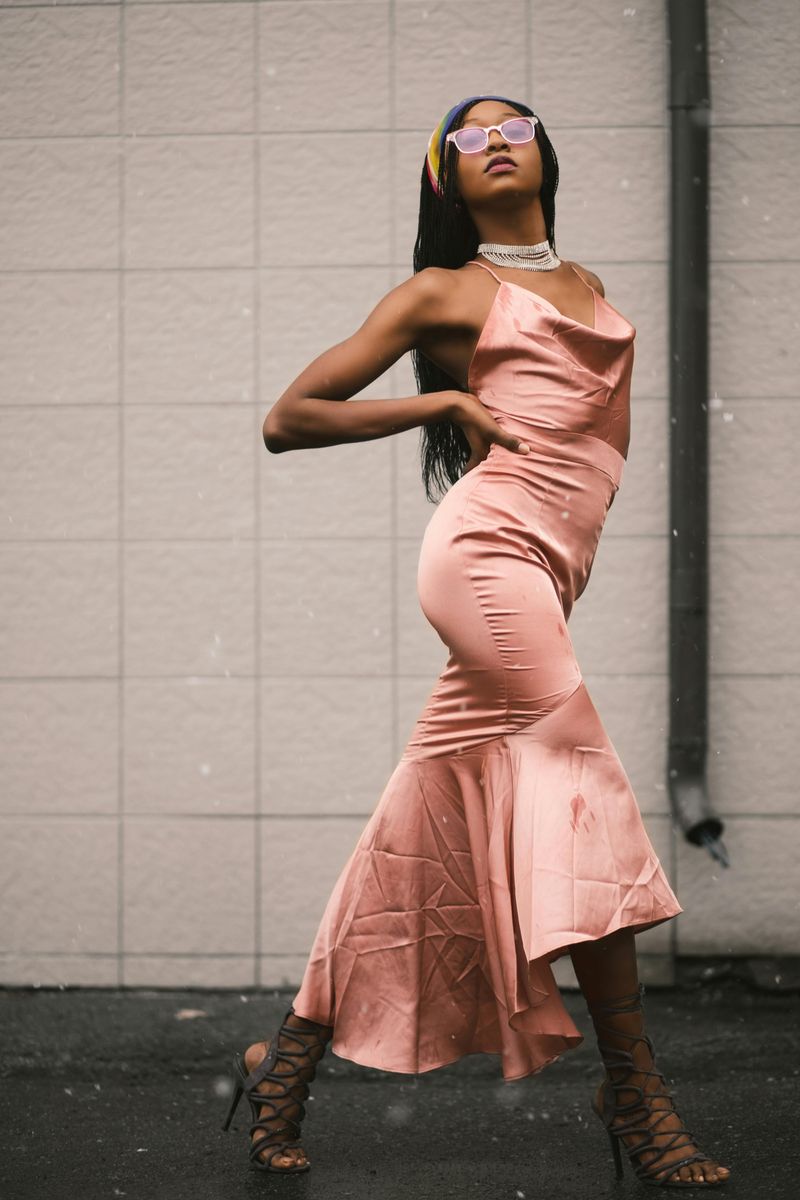
Luxurious, smooth fabric often looks strong, but it can be surprisingly fragile in a washing machine.
Dyes in silk may bleed or become patchy, especially on printed pieces or darker colors that weren’t set for immersion.
The washer’s tumbling can also create snags, pulls, or a rougher texture that steals the fabric’s natural shine.
Even gentle cycles can leave water spots or uneven “lines” where the fabric folded and pressed against itself during spinning.
If a label allows it, hand-wash in cold water with a mild detergent, and avoid scrubbing because friction is what causes damage.
Rinse thoroughly, press water out with a towel instead of wringing, and let it dry flat away from direct sunlight.
For anything special or sentimental, professional cleaning is usually cheaper than replacing a ruined blouse.
3. Leather and suede
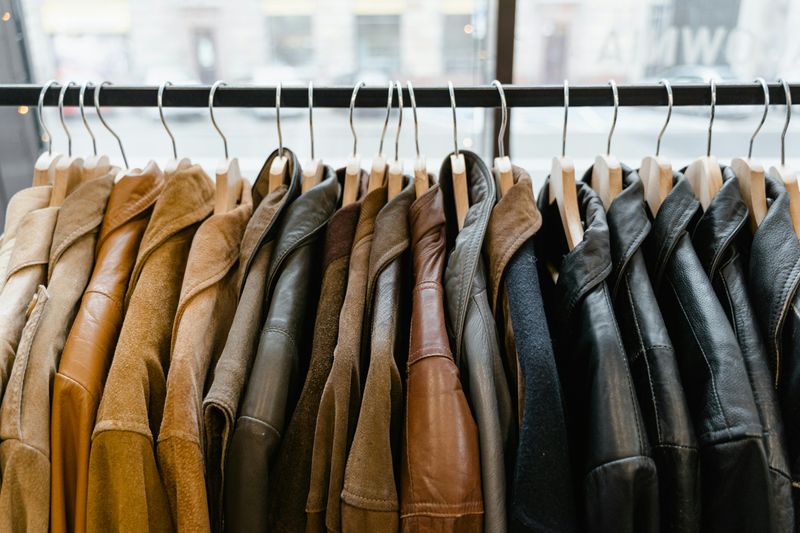
Natural hides don’t react to water the way fabric does, so a wash cycle can permanently change the material.
Moisture can stiffen leather, dull the finish, and create uneven discoloration that looks like stains even when it’s “clean.”
Suede is even pickier, because water can flatten the nap and leave dark patches that are hard to blend back into place.
Agitation can warp the shape of jackets and bags, while spinning can stress seams and cause cracking as the item dries.
For basic upkeep, wipe leather gently with a slightly damp cloth and follow with a conditioner to keep it flexible.
Use a suede brush to lift dirt and restore texture, and consider a suede eraser for scuffs that don’t need liquid at all.
When the item needs deeper cleaning, a leather specialist will usually get better results than any DIY wash attempt.
4. Items with heavy embellishments
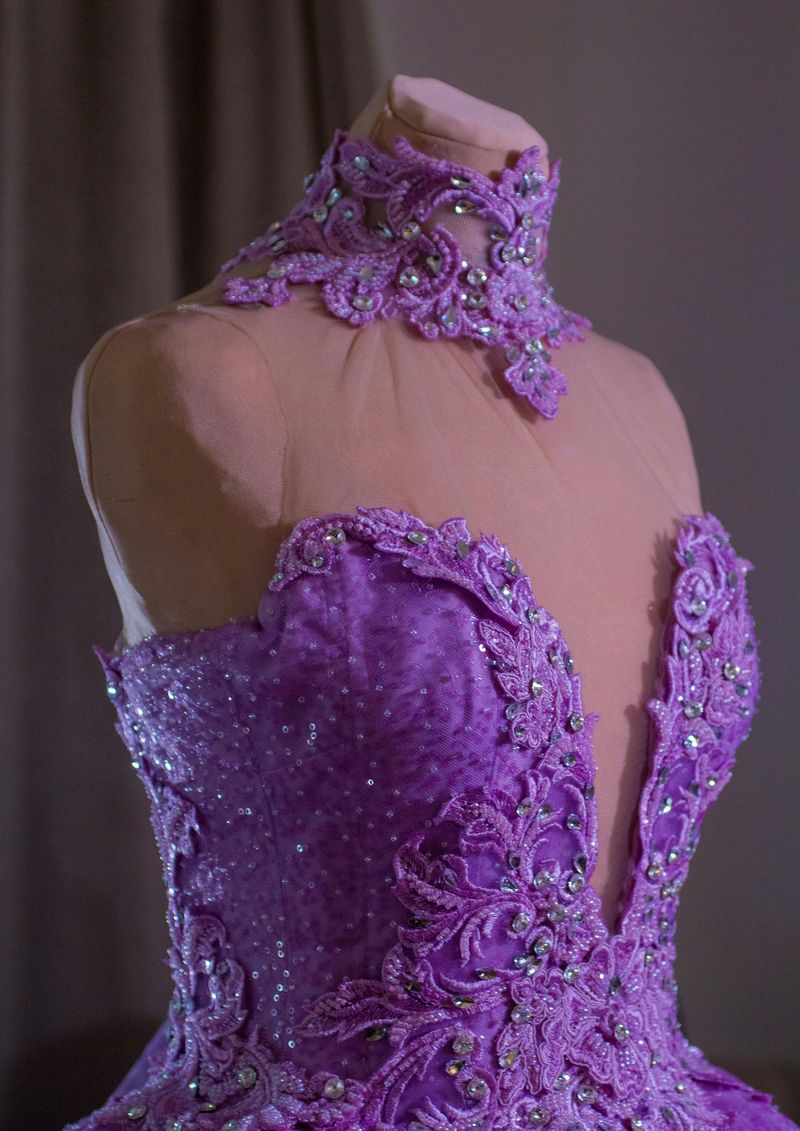
Decorative details may look firmly attached, but many are held on with stitching or glue that a washer can destroy.
Sequins and beads can pop off, while rhinestones may loosen and end up scratching other clothes or banging around the drum.
Even if the embellishments stay put, the constant rubbing can dull their shine and make the whole piece look older than it is.
Delicate overlays like tulle or mesh are also prone to snagging, which can create runs that are difficult to hide.
If you need to refresh an embellished top, turning it inside out and spot-cleaning is usually the safest first step.
For washable items, a short soak in cool water with gentle detergent can lift sweat and odors without aggressive agitation.
Air-drying flat helps keep the weight of decorations from stretching the fabric while it’s damp and vulnerable.
5. Bras
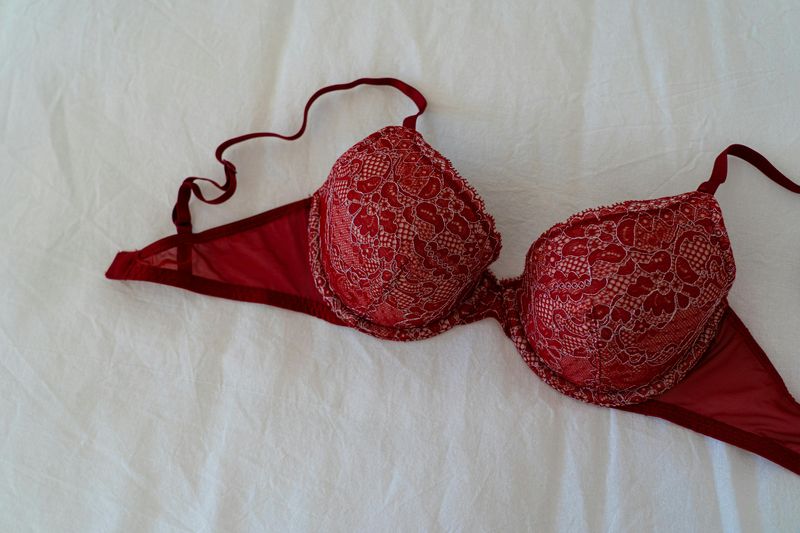
Delicate undergarments are engineered for fit and support, and the washing machine is great at breaking both.
The spin cycle can bend underwires, twist straps, and stress elastic until it loses the snap that keeps everything comfortable.
Hooks and clasps also snag on other laundry, which can tear lace and create little pulls that become bigger with every wash.
Padded cups can crease or clump, leaving a bra that looks lopsided no matter how much you try to reshape it.
Hand-washing in cool water with a gentle detergent is the easiest way to keep bras supportive for longer.
If you must use a machine, a structured lingerie bag and a delicate cycle reduce damage, but air-drying is non-negotiable.
Heat from a dryer speeds up elastic breakdown and can turn a well-fitting bra into a flimsy one surprisingly fast.
6. Anything with “memory foam”
Foam products seem washable because they absorb odors, but that same absorbency is what makes machines a bad idea.
Water can get trapped deep inside the foam, and the thick material may not dry fully before mildew and musty smells develop.
Agitation can also tear foam into crumbs or misshapen lumps, especially on older pillows and toppers that have already weakened.
Once foam loses its structure, it stops providing the support you bought it for, which turns “cleaning” into an expensive mistake.
For pillows and toppers, start by airing them out in a well-ventilated spot and flipping them to release trapped moisture.
Sprinkling baking soda, letting it sit, and vacuuming it off can reduce odors without soaking the interior.
Spot-clean stains with minimal water, then use fans to speed drying so moisture never has time to linger.
7. Rubber-backed bath mats and rugs
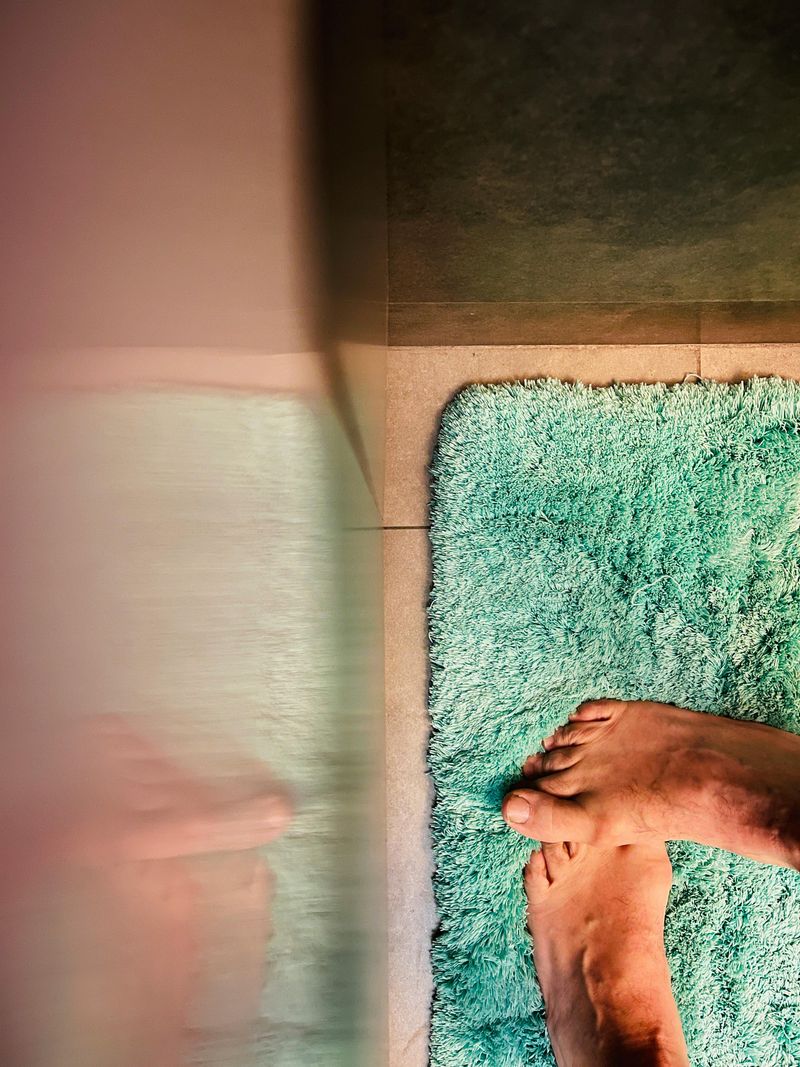
Bathroom rugs often look like simple fabric, but the backing is usually rubber or latex that doesn’t love heat and spinning.
In the washer, that backing can crack, peel, or flake, which shortens the mat’s life and can leave debris inside your machine.
A heavy, waterlogged rug also throws off balance during spinning, which can strain the washer’s drum and create loud banging.
Even if it survives, repeated washing can make the backing less grippy, which defeats the whole point of a non-slip rug.
Check the label first, because some newer mats are explicitly machine-washable and designed for it.
If yours isn’t, shake it outside, vacuum it thoroughly, and spot-clean stains with a gentle cleaner and a scrub brush.
Letting it dry completely between uses also prevents odors, meaning you’ll need deep cleaning far less often.
8. Pet collars and leashes
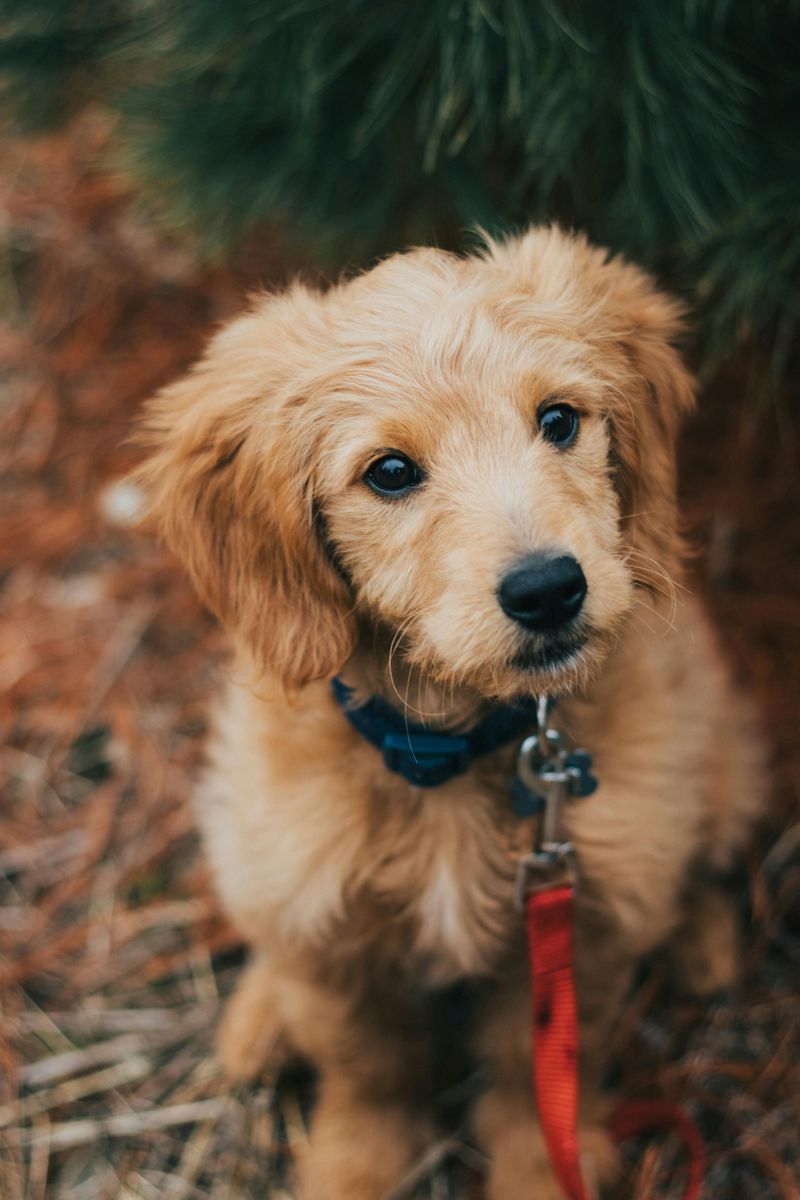
Pet gear gets dirty fast, but tossing it in the washer can cause problems you don’t notice until later.
Hardware like buckles and rings can bang against the drum, scratch the interior, and create noisy cycles that stress the machine.
Nylon and padded collars can hold onto detergent residue, which may irritate a pet’s skin once the collar goes back on.
Leather versions are especially risky because water can stiffen them and weaken the finish, making cracks more likely over time.
A safer approach is soaking collars and leashes in warm water with mild soap, then scrubbing with a soft brush.
Rinse thoroughly to remove all soap, because leftover residue is a common cause of itchiness and odor returning quickly.
Air-dry completely, and avoid direct heat so the materials don’t shrink, warp, or become brittle.
9. Sneakers that aren’t designed for machine washing

Shoes look tough, but many sneakers rely on glue, foam, and structured layers that washers can break down.
Hot water and repeated soaking can loosen adhesives, which is why some pairs come out with separating soles or peeling trim.
Spinning can warp the shape, especially in the heel counter and toe box, leaving shoes that feel “off” even if they look okay.
Shoelaces and insoles also trap grime, and washing everything together can spread that dirt around rather than removing it fully.
Start by removing laces and insoles, then brush off dried mud so you’re not grinding grit deeper into the material.
Use a soft brush, mild soap, and small amounts of water to clean the upper, then wipe away residue with a damp cloth.
Stuff shoes with paper towels to help them keep their shape while air-drying, and never use high heat to speed things up.
10. Hats with brims/structure
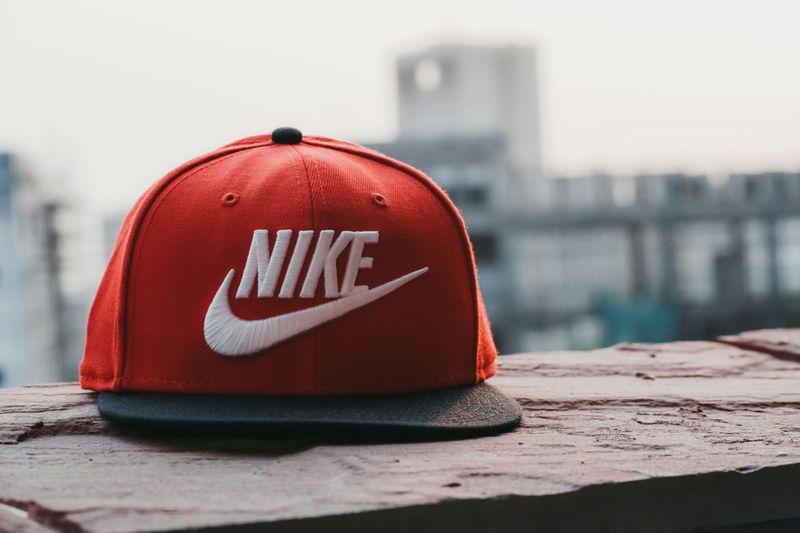
A hat’s shape is its whole identity, and a washing machine is excellent at crushing and warping that structure.
Baseball caps, wool hats, and anything with a firm brim can come out bent, wavy, or permanently misshapen.
Sweatbands can shrink, which turns a comfortable hat into one that pinches and never sits right again.
The constant tumbling also breaks down stiffeners inside the brim, leaving it floppy or oddly creased.
For light cleaning, start by brushing off dust and lint, then spot-clean sweat marks with a mild detergent and a soft cloth.
A gentle scrub with a toothbrush works well around seams where grime hides, as long as you don’t soak the whole hat.
Let it air-dry over a bowl or towel that supports the crown, so the shape sets correctly as it dries.
11. Delicate knitwear

Soft knits feel cozy, but their loose structure makes them vulnerable to stretching and snagging in a washer.
Cashmere and fine wool can shrink dramatically, while chunky knits can stretch and lose their shape from water weight alone.
Agitation encourages pilling, which creates that fuzzy, worn look even when the sweater is relatively new.
Seams can also twist as fibers tighten unevenly, leaving sleeves and hems that don’t hang straight anymore.
Hand-washing in cold water with a wool-safe detergent is the best way to keep knitwear looking smooth and properly sized.
Instead of wringing, press the sweater between towels to remove water, because twisting is what distorts the knit.
Drying flat is crucial, since hanging a damp sweater can stretch it into a longer, wider version of itself.
12. Anything with glued-on parts
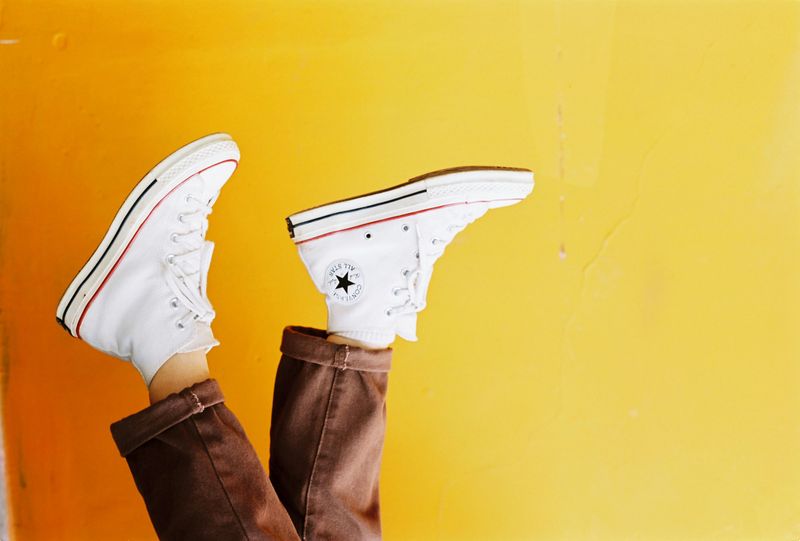
Many everyday items look like they’re stitched together, but they actually depend on adhesives that water can dissolve.
Costume jewelry, embellished accessories, some backpacks, and decorative pillows often have components that detach once glue softens.
The result is a messy surprise, because pieces can fall off inside the machine and then get lost or cause damage.
Even if nothing breaks, the finish can cloud or peel, leaving an item that looks cheap and worn after one “cleaning.”
Instead, focus on spot-cleaning fabric areas with a damp cloth and mild soap, and keep water away from glued seams.
For accessories, a soft microfiber cloth can remove surface grime without soaking the item or weakening the adhesive.
If the piece matters to you, cleaning it gently and slowly is almost always less expensive than replacing it.
Comments
Loading…