
 Isabel Parker
12 Everyday Things You Touch That Are Filthier Than Your Toilet
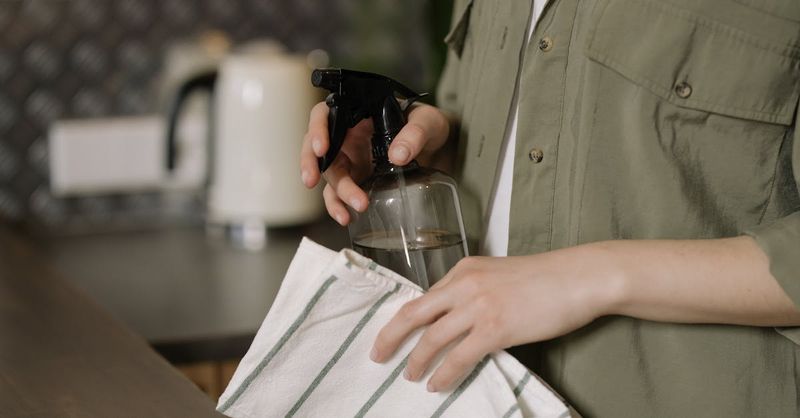
Most of us assume the toilet is the grossest thing in the house, so we clean it with extra intensity and then feel accomplished.
The problem is that germs don’t care about our assumptions, and they thrive in places we touch constantly but rarely disinfect.
Moisture, food residue, skin oils, and everyday habits create perfect conditions for bacteria, mold, and other microscopic hitchhikers to multiply—often right under our noses.
What makes these spots especially unsettling is how “normal” they seem, which is why they’re easy to ignore during a quick tidy-up.
If your goal is a home that actually feels clean (not just looks clean), the biggest wins often come from targeting the items you handle daily.
Here are twelve common household culprits and the simple habits that keep them from becoming germ hotels.
1. Kitchen sponge / dishcloth
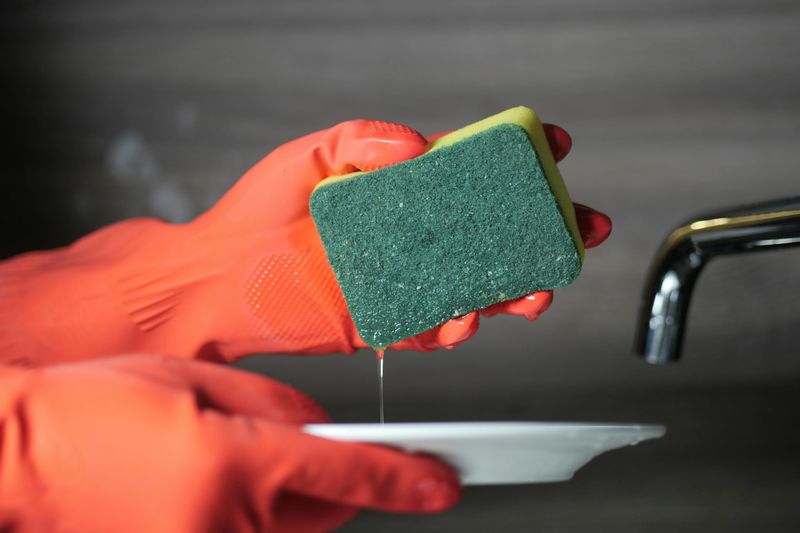
That soft little scrubber by the sink can be one of the dirtiest items in your entire home because it stays damp and collects tiny food particles all day long.
Bacteria love warmth, moisture, and leftover nutrients, which makes a sponge or dishcloth the perfect place for germs to multiply between uses.
Even if you rinse it well, the trapped bits and constant wetness can keep things thriving in the fibers.
To reduce the ick factor, replace sponges frequently and avoid using the same one for dishes and for wiping counters.
Dishcloths should be swapped out daily if possible, then washed on hot and fully dried.
A sponge that never dries is basically an all-inclusive resort for bacteria.
2. Kitchen sink + drain (especially the disposal splash guard)
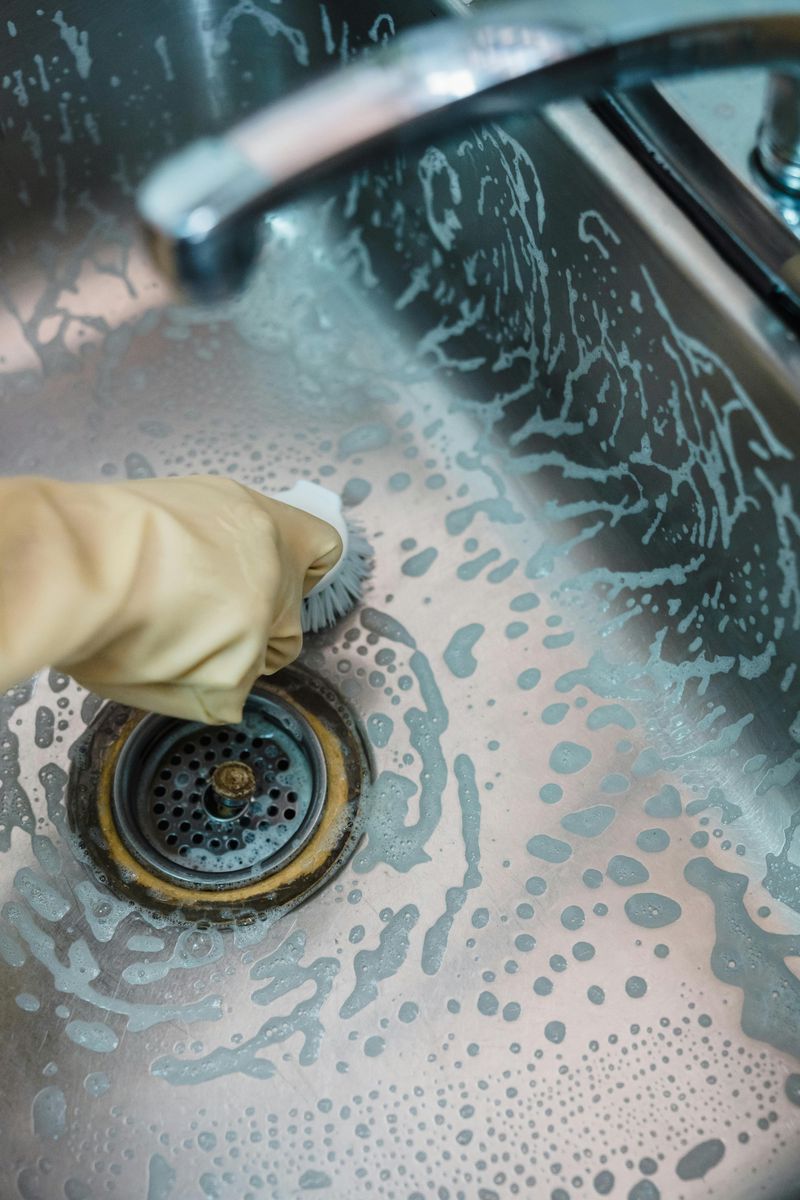
Your sink looks harmless once the water runs clear, but the drain area is where grime quietly builds a sticky biofilm.
Bits of food, grease, and soap residue slide down and cling to surfaces, and the damp environment keeps microbes comfortable long after you’ve finished the dishes.
If you have a garbage disposal, the rubber splash guard is an especially overlooked problem spot because it collects gunk on the underside where you rarely look.
To keep things under control, scrub the sink basin and drain collar regularly, and don’t forget to clean that rubber guard with a brush and hot, soapy water.
Pouring boiling water down the drain can help, but physical scrubbing is what actually breaks up the film.
3. Bathroom hand towel
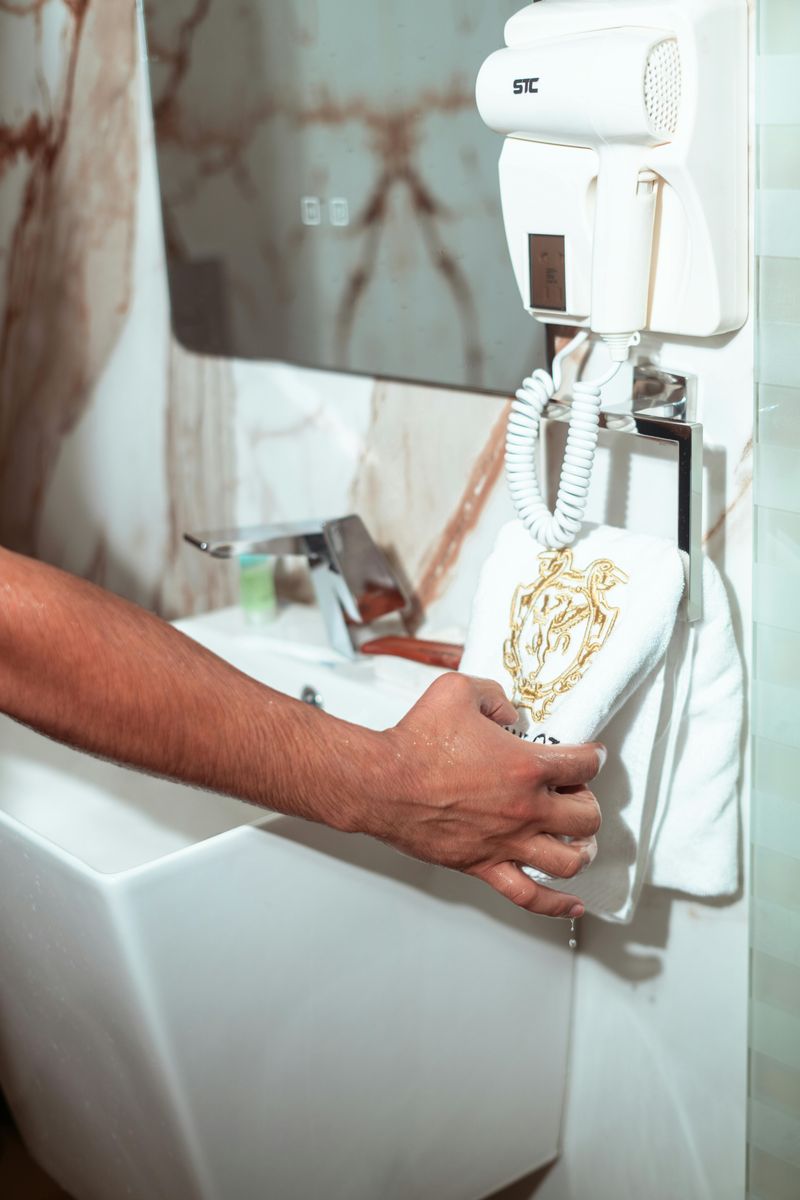
The towel that hangs by the sink can be far dirtier than it appears because it absorbs water and picks up whatever is on your hands each time you dry them.
In a busy household, multiple people may use the same towel, which turns it into a shared germ collector even if everyone “mostly” washes well.
Warm bathrooms also slow down drying, and damp fabric gives bacteria and mildew a comfortable place to linger.
The easiest fix is to swap hand towels more often than you think you need to, ideally every couple of days or sooner if they stay wet.
Make sure the towel can hang freely so it dries fully, and consider keeping a backup stack nearby so replacing it becomes effortless instead of another chore you avoid.
4. Toothbrush holder / cup
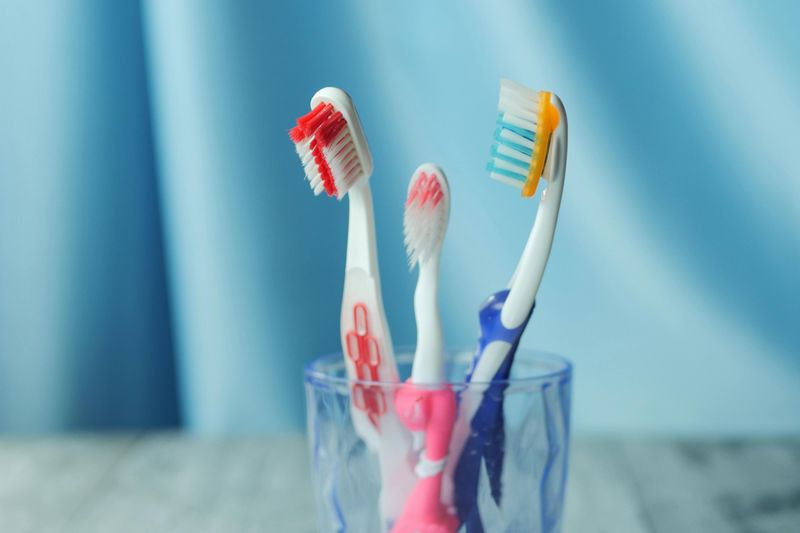
Even if your toothbrush is clean, the container it sits in can become a moist, grimy catch-all.
Water drips down the handle, toothpaste foam collects at the bottom, and the whole thing often stays damp for hours, which encourages bacterial growth and mold.
If the holder lives near the toilet, it can also be exposed to airborne particles that travel farther than most people realize.
Cleaning is simple but easy to forget, which is exactly why this item gets gross.
Wash the holder weekly with hot, soapy water and let it dry completely before putting brushes back.
If it’s dishwasher-safe, that’s even better for deep cleaning.
Also, avoid letting toothbrush heads touch each other, since that transfers germs between brushes.
5. Shower loofah / pouf
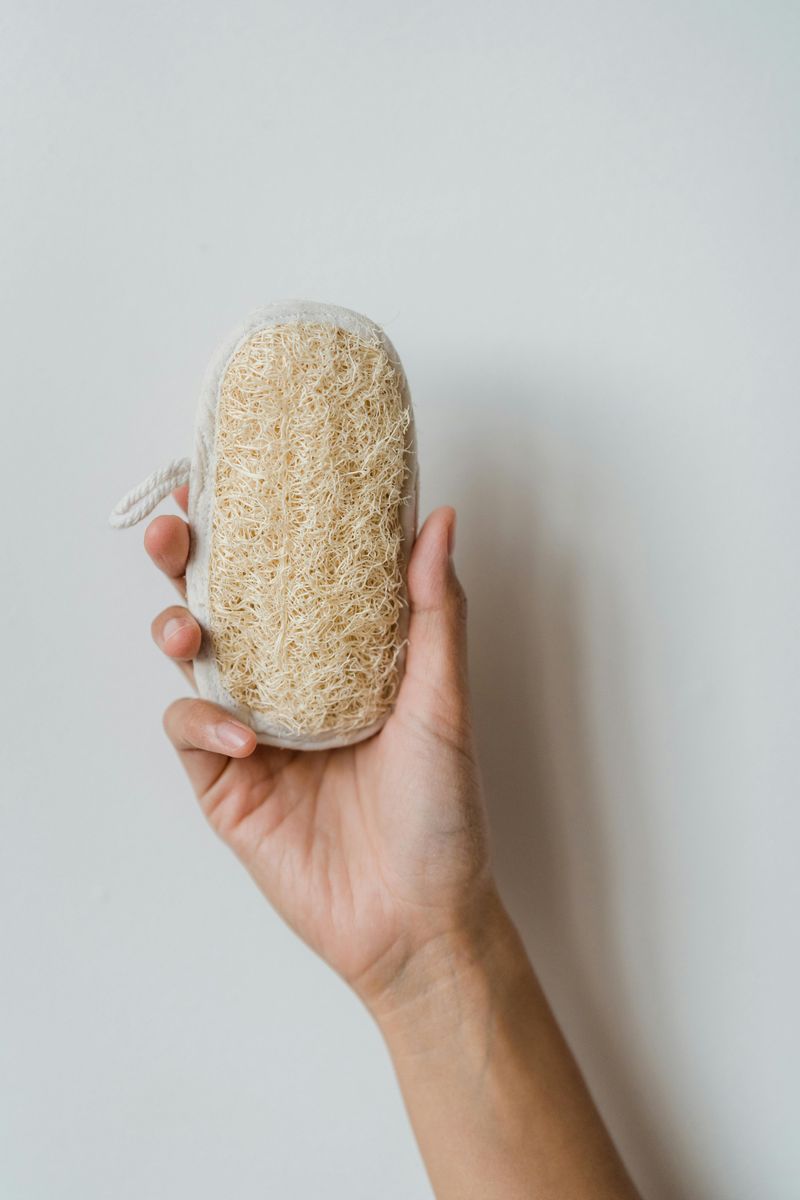
Something designed to scrub your skin can become a breeding ground because it spends most of its life wet.
A loofah or shower pouf collects dead skin cells and soap residue, and then sits in a steamy environment that keeps moisture trapped in all those folds.
That combination makes it easy for bacteria and mold to grow, especially if it never dries out completely between showers.
For a cleaner routine, rinse it thoroughly after use, squeeze out as much water as possible, and hang it where air can circulate rather than leaving it on the tub ledge.
Replacing it regularly is smart, even if it still looks fine.
If you prefer reusable options, a washcloth that can be laundered on hot is often a simpler, cleaner choice.
6. Coffee maker reservoir + lid + drip tray
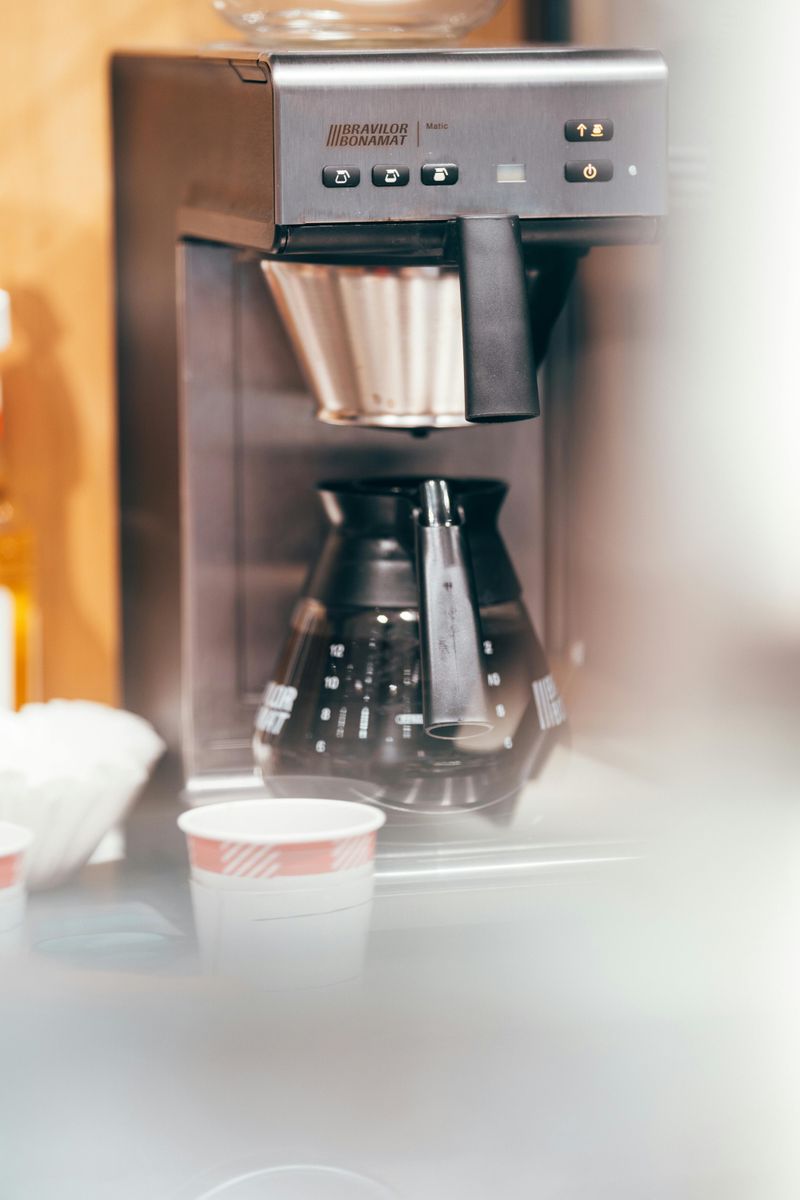
A coffee maker can look spotless on the outside while hiding plenty of nastiness in the parts that stay damp.
Water reservoirs, lids, and drip trays are perfect places for residue to linger, and that lingering moisture can encourage mold growth you may not notice until it smells “off.”
Mineral buildup also creates rough surfaces where gunk clings more easily, which is why a quick rinse doesn’t always cut it.
To keep your morning routine from getting gross, empty and dry removable parts after use, and wash what you can with warm, soapy water weekly.
Run a descaling cycle regularly based on your machine’s instructions, because that process helps break down buildup inside.
If you ever see slime in the drip tray, treat it like a wake-up call.
7. Reusable water bottle cap / straw lid

Your water bottle might be “just water,” but the lid is where things get questionable.
Mouth contact transfers bacteria, and straw lids can trap moisture in tiny crevices where residue builds up slowly.
Over time, that sealed, damp environment can create odors and gunk that are hard to see but easy to taste.
The body of the bottle often gets cleaned, while the cap gets a quick rinse, which is exactly why the cap ends up being the dirtiest part.
Make cleaning easier by taking the lid apart if it has removable pieces, then scrubbing with a small brush to reach the seals and straw channels.
Let everything dry fully before reassembling, and don’t leave a closed bottle sitting wet overnight unless you want to cultivate something unpleasant.
8. Cutting boards (especially with grooves)

Those knife marks that show your cutting board has “character” are also tiny hiding places for bacteria.
Raw meat juices, produce residue, and moisture can settle into grooves, and a quick wash may not reach everything trapped in the cuts.
Plastic boards can get deeply scored over time, while wooden boards can absorb moisture if they aren’t maintained, which is why both types need consistent care.
Clean boards immediately after use with hot, soapy water, and sanitize when they’ve handled raw meat or poultry.
Having separate boards for raw proteins and for produce reduces cross-contamination.
If your board looks like it has a roadmap of cuts, consider replacing it because deep grooves are difficult to truly clean.
A little preventive maintenance goes a long way toward keeping meal prep safer.
9. Remote controls (TV, streaming, game controllers)
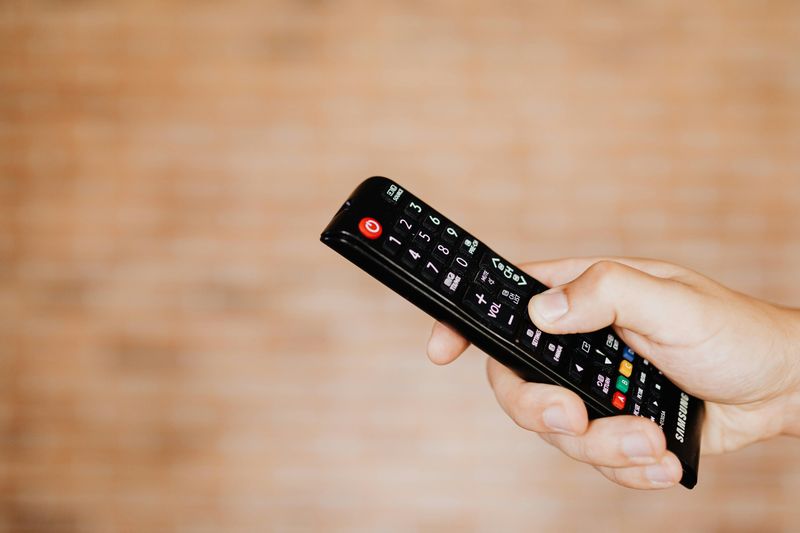
Few items get handled as often as a remote, and almost none get cleaned as rarely.
Oils from hands, snack crumbs, and whatever else you were touching earlier in the day build up on buttons and in the seams, creating a surprisingly grimy surface.
Remotes also travel from person to person and from couch to bed, which spreads germs around the house without anyone noticing.
To clean safely, remove batteries first and use a lightly dampened cloth with gentle disinfectant, avoiding excess liquid that can seep inside.
Cotton swabs help reach the crevices around buttons where grime hides.
If your household eats in front of the TV, put a quick weekly wipe-down on your cleaning routine, because the “mystery stickiness” on a remote never improves with time.
10. Phone (and phone case)
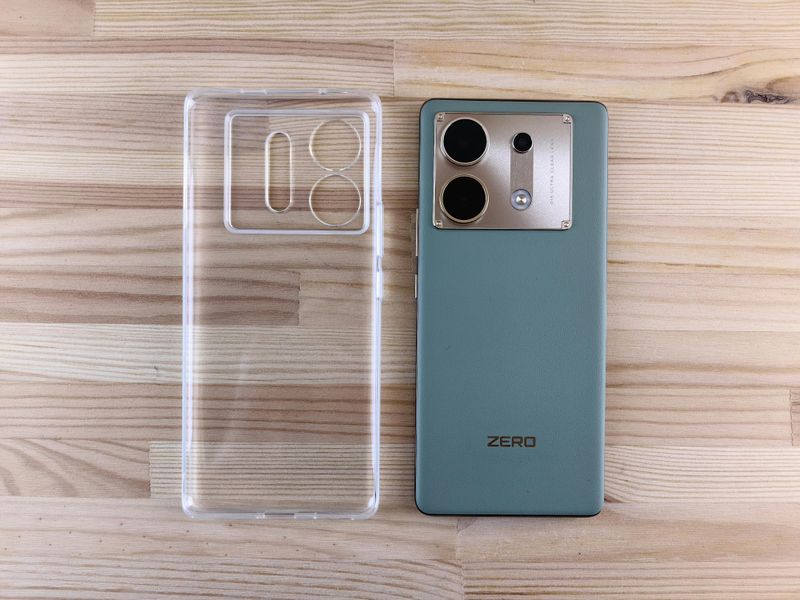
Your phone follows you everywhere, which means it collects a little bit of everything.
Hands touch it constantly, it sits on counters and tables, and it often ends up near food, bathrooms, and public surfaces that are far from clean.
A case can make things worse because oils and dust build up along the edges and stay trapped, while screens collect fingerprints that harbor bacteria.
The good news is that cleaning is quick when you do it regularly.
Use a microfiber cloth and a device-safe disinfecting wipe, and don’t forget to clean the case separately since it holds onto grime.
Pay attention to the areas you touch most, like the corners and the bottom edge.
When your phone is cleaner, your hands tend to stay cleaner too.
11. Keyboard + mouse / laptop trackpad

Work surfaces don’t look dirty, but they collect crumbs, skin oils, and germs over time because they’re touched for hours every day.
Keyboards and mice also have plenty of tiny gaps where grime can hide, which means even a clean-looking desk setup can be surprisingly gross.
If you snack while you work, that adds food particles that become a buffet for microbes.
Start by turning off and unplugging devices, then shake out loose debris and use compressed air to dislodge crumbs between keys.
Wipe surfaces with a lightly dampened disinfecting cloth, and use cotton swabs around edges and seams.
It also helps to keep hand sanitizer nearby, not as a substitute for cleaning, but as a way to reduce what you transfer in the first place.
A quick weekly wipe makes a big difference.
12. Pet bowls + pet toys
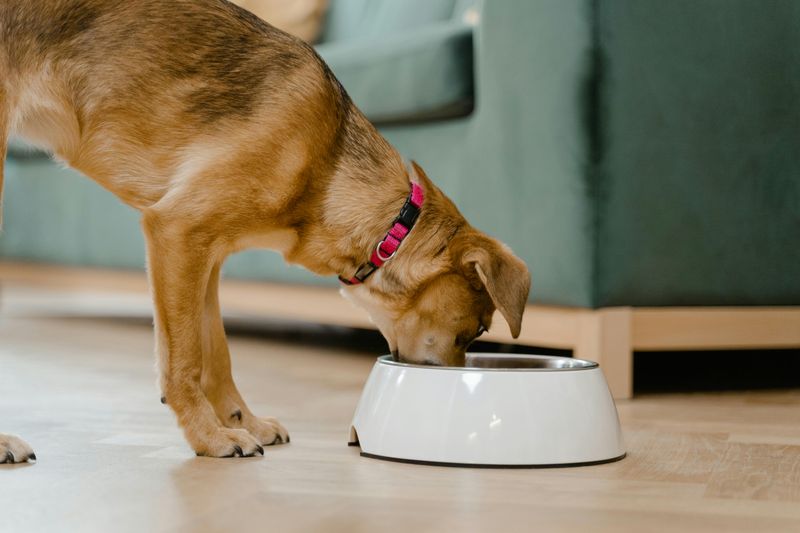
Anything that mixes saliva, food residue, and frequent handling is going to get dirty fast, and that’s exactly what happens with pet bowls and toys.
Water bowls collect slime that forms along the edges, while food bowls can hold grease and leftover kibble dust that sticks even after a rinse.
Toys add another layer because they get dragged across floors, picked up by human hands, and chewed repeatedly, which creates a cycle of germs moving between pet and home.
Wash bowls daily with hot, soapy water, and run dishwasher-safe bowls through a hot cycle regularly for deeper cleaning.
Toys should be cleaned on a schedule too, with washable toys laundered and hard toys scrubbed.
Keeping these items cleaner helps your home smell better, and it can support your pet’s health as well.
Comments
Loading…