
 Mila Ross
10 Old-Fashioned Cleaning Tricks That Work Better Than Fancy Sprays
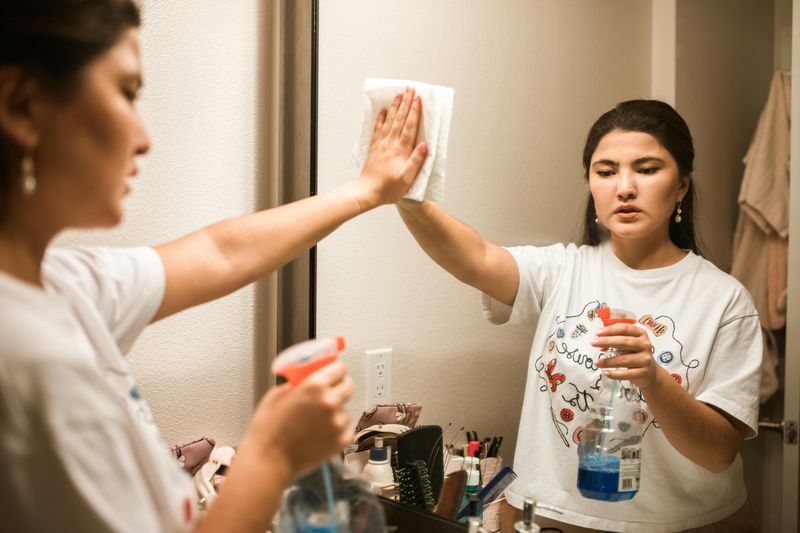
Trendy cleaning hacks come and go, but the old-school methods stick around for a reason: they’re simple, affordable, and they actually work.
Long before specialty sprays and single-purpose gadgets filled store shelves, people relied on basic pantry staples and a few smart techniques to keep their homes fresh.
The best part is that many of these classic tricks still outperform modern options, especially when you’re dealing with everyday problems like streaky mirrors, soap scum, musty towels, and mystery smells that won’t quit.
If you’ve ever looked at your cleaning cabinet and thought, “Why do I own five different products for the same mess?” this list is for you.
These throwback tips help you clean with less effort, fewer chemicals, and a lot more satisfaction.
1. Newspaper + vinegar for streak-free glass
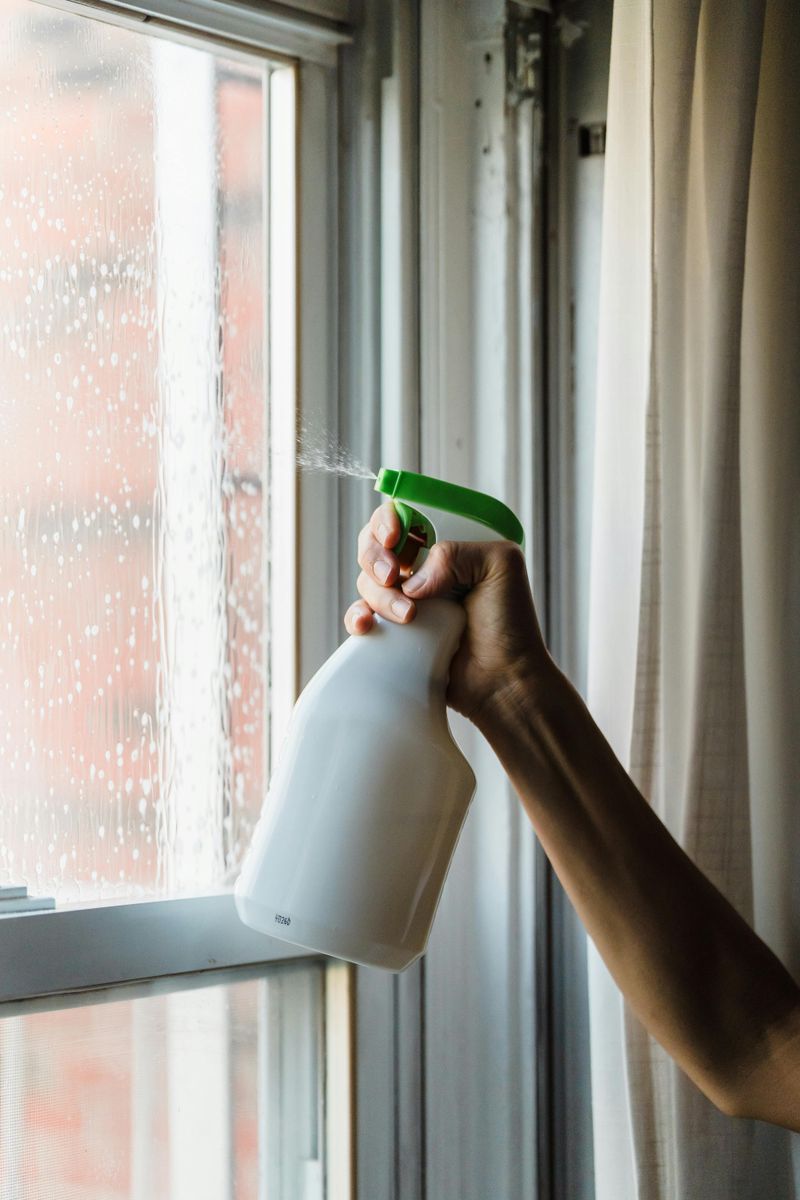
Streaky glass is annoying, but you can fix it with a simple mix and a little newspaper.
Fill a spray bottle with equal parts white vinegar and water, then spritz mirrors and windows lightly.
Grab a sheet of newspaper, crumple it, and buff until you see a crisp, clear reflection.
Paper towels can shed lint and smear, while newspaper fibers polish like a charm.
If the smell of vinegar worries you, it fades quickly once dry.
For heavy buildup, do a first pass with a microfiber cloth, then finish with newspaper for that glossy, squeak-clean shine.
Use vertical strokes on one side of the glass and horizontal on the other to spot remaining streaks fast.
Work in shade to prevent flash-drying and residue.
You will never look at old news the same way again, and your mirrors will absolutely show it.
2. Baking soda paste for sinks, tubs, and grout
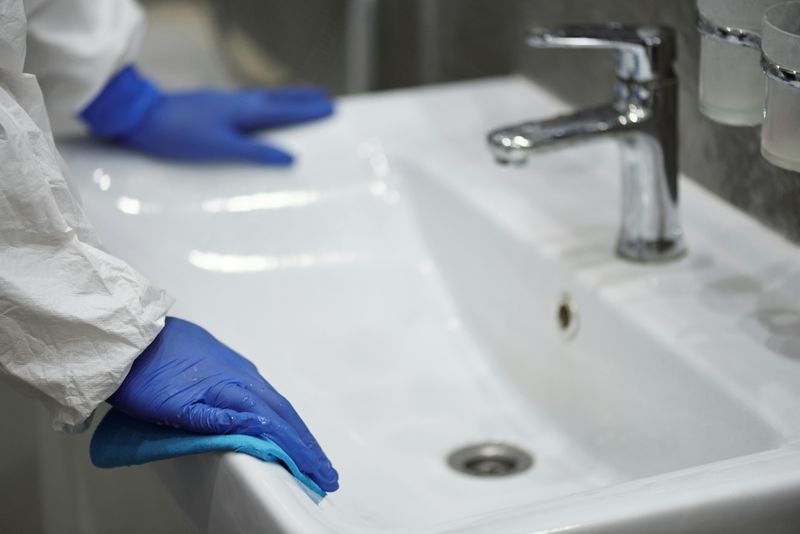
Soap scum meets its match with a simple baking soda paste.
Stir baking soda with a little water until it is spreadable, then smear it over stains, tubs, sinks, and grimy grout.
Let it sit 10 to 15 minutes so the mild abrasives can loosen gunk without scratching.
Now grab a soft brush or sponge and scrub in small circles.
For grout, use an old toothbrush to get into those lines.
Rinse well with warm water and watch the shine pop back, no harsh fumes required.
Got stubborn spots?
Add a drop of dish soap to the paste for extra cutting power.
For grout whitening, mist with hydrogen peroxide before scrubbing.
It is budget friendly, gentle on most finishes, and oddly satisfying to watch the dullness lift right under your hands.
3. Salt + lemon for cutting boards and funky smells
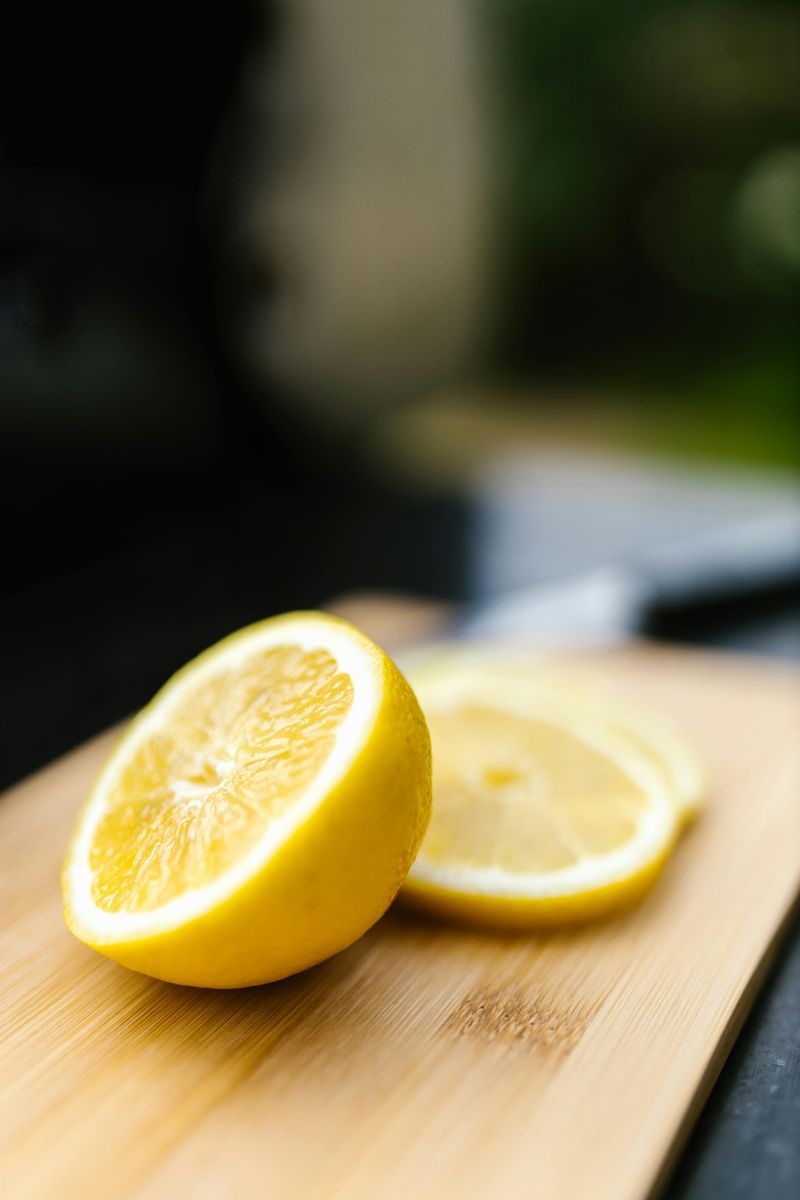
Wooden boards absorb onion and garlic, but there is a sunny fix.
Sprinkle coarse salt over the surface, then use half a lemon as your scrubber.
Squeeze gently as you go so the juice lifts stains while the salt scours.
Let it sit for a few minutes to deodorize and break down residue.
Rinse with warm water and dry thoroughly upright to prevent warping.
The board looks refreshed and smells clean, with no fake fragrances masking anything.
For deeper conditioning, rub a little food grade mineral oil after drying.
Avoid soaking wood, since that invites cracks.
This quick ritual keeps boards fresh, kitchen-ready, and brag-worthy, especially after a garlicky dinner that would usually linger long past dessert.
4. Boiling water to refresh a slow drain (kitchen sink)
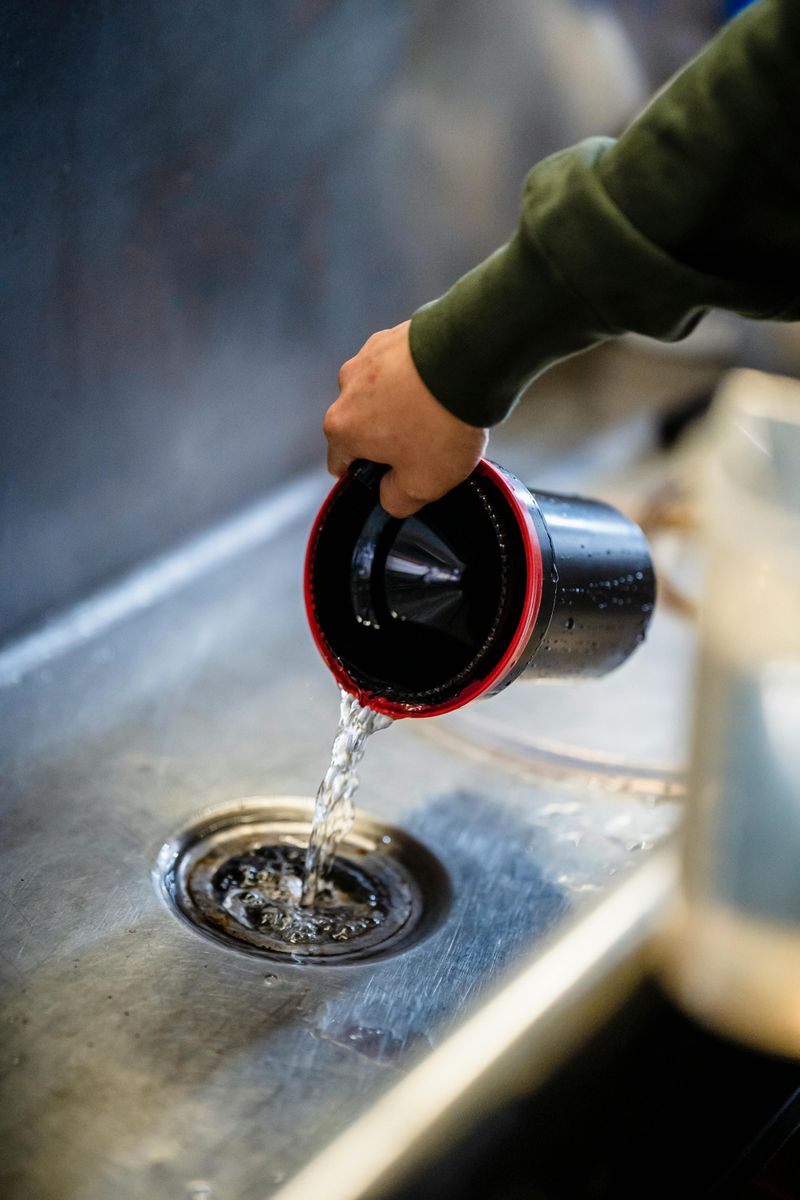
A sluggish kitchen drain often needs heat more than chemicals.
Boil a kettle and pour slowly in stages, letting each round work through greasy buildup.
The heat melts congealed fats and soap film that catch crumbs and slow the flow.
If you have PVC and worry about heat, use very hot tap water instead and repeat a few times.
Follow with a small splash of dish soap between pours for extra degreasing.
It is simple, satisfying, and surprisingly effective for everyday slowdowns.
Got a persistent clog?
Pair the hot water with a plunger or a drain snake.
Skip mixing with chemical cleaners to avoid reactions.
This habit once a week keeps things humming, saving you from the oh no moment when the sink decides to stall during dinner prep.
5. Vinegar “de-limes” a showerhead
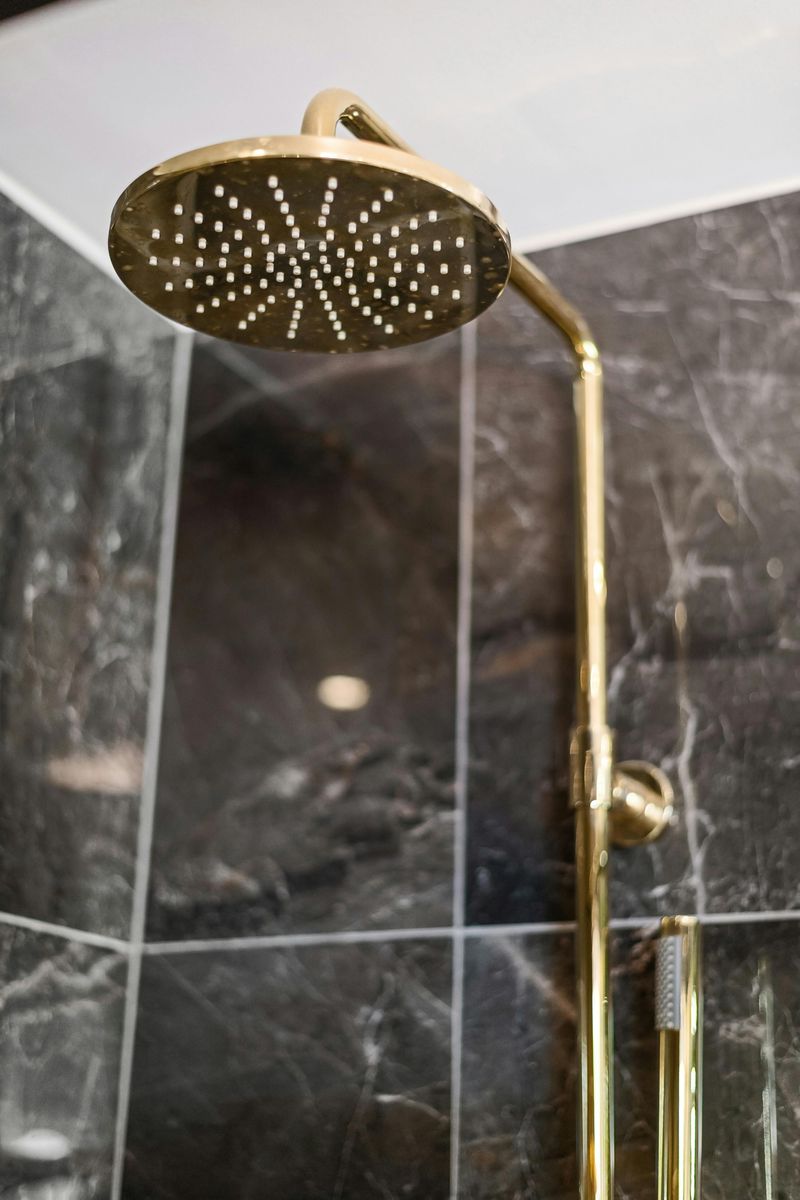
Hard water leaves crusty deposits that wreck water pressure.
Fill a small bag with white vinegar, slip it over the showerhead, and tie it snugly so the head is submerged.
Let it soak for one to three hours, or overnight for heavy scale.
When time is up, remove the bag and run hot water to flush gunk.
A gentle toothbrush scrub around nozzles helps loosen stubborn bits.
Pressure comes back, and spray patterns feel brand new without buying anything fancy.
Protect finishes by testing a quick spot if your fixture is delicate.
For handheld heads, detach and soak in a bowl instead.
The routine is wonderfully low effort, and the payoff hits the moment that first strong stream lands on your shoulders.
6. Dry dust first (and use an old pillowcase for ceiling fans)
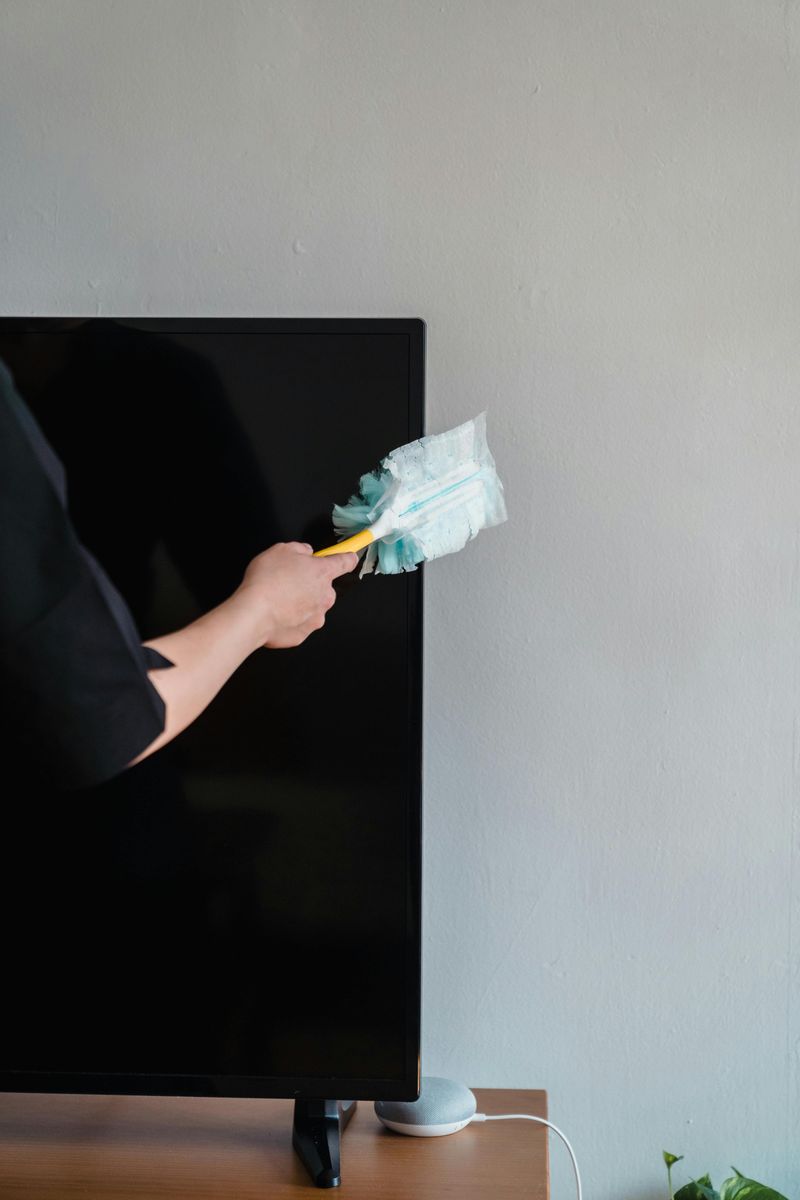
Cleaning goes faster when dust is not smeared into mud.
Start dry, working high to low so debris falls where you can vacuum.
For ceiling fans, slide an old pillowcase over each blade, pull back, and let the dust collect inside instead of snowing onto your couch.
Follow with a microfiber cloth on shelves and frames.
Only after the loose stuff is gone should you bring in damp cloths or cleaner.
You will use less solution and avoid streaks on wood, glass, and screens.
Vacuum last to catch what settled.
On fan day, a quick pillowcase pass keeps sinus flares and gritty tables away.
It is an oddly satisfying trick that turns what used to be a dusty mess into a neat, contained swoop-and-done moment.
7. Cornstarch for greasy spots and carpet freshening
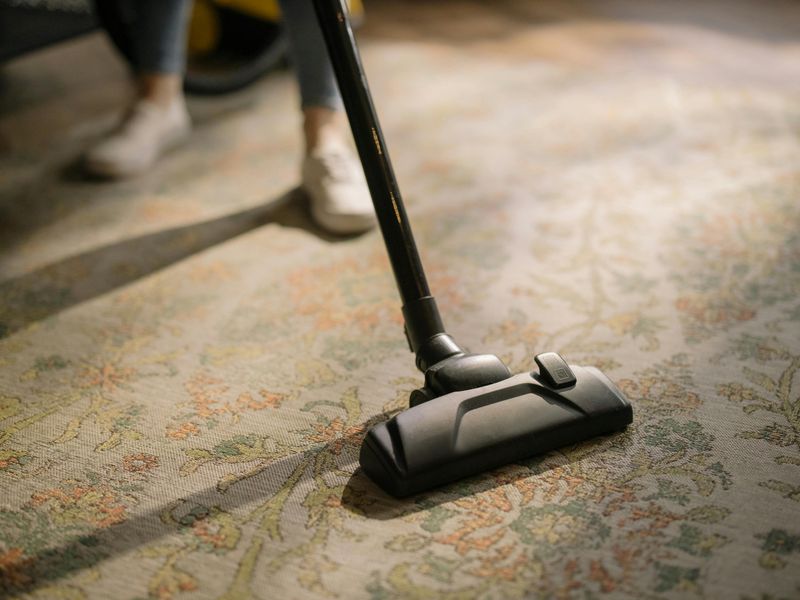
Grease spills can feel hopeless until cornstarch steps in.
Sprinkle generously over fresh oily spots on fabric or upholstery, and over dingy sections of carpet.
Let it sit 15 to 30 minutes so the powder absorbs oil and odor.
Vacuum thoroughly with a brush attachment and check progress.
Repeat if needed, then pretreat remaining marks with a small dab of dish soap before laundering.
On carpets, a light overall sprinkle leaves things smelling fresher without heavy perfume.
Always spot test delicate fabrics and avoid wetting the powder first.
For cooking stains on shirts, flip the fabric and tap to encourage wicking.
It is a quiet hero from the pantry that makes messes less dramatic and far easier to undo.
8. White vinegar rinse to cut laundry mustiness

Towels that never quite smell clean are begging for a vinegar assist.
Add half to one cup of white vinegar to the rinse cycle or the softener slot.
It cuts leftover detergent, reduces mineral film, and helps banish that damp gym-bag vibe.
No, your clothes will not smell like a salad once dry.
The scent disappears, leaving fibers softer without a waxy coating.
It is especially good on athletic wear and bath linens that trap residue.
For extra mustiness, run a hot wash with vinegar only to reset the machine itself.
Then wash as usual with a modest amount of detergent.
Simple swaps like this make laundry feel fresher and actually clean, not just perfumed.
9. Hydrogen peroxide for “brightening” dingy whites
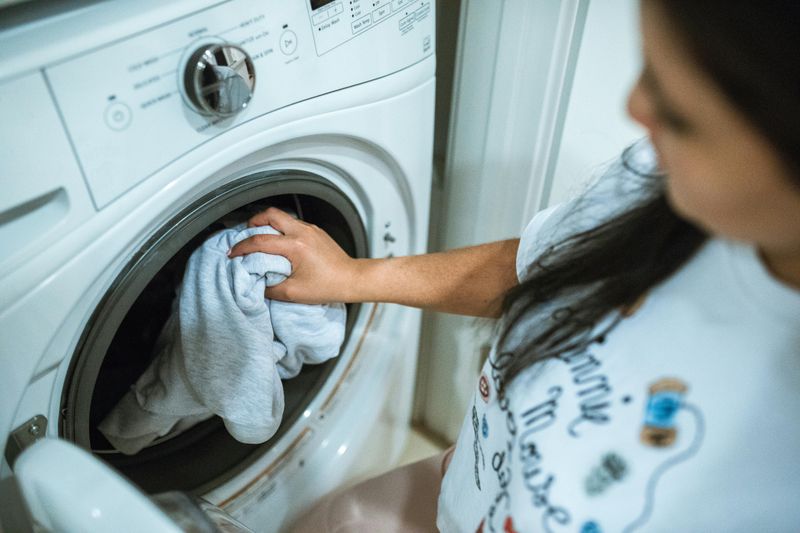
Yellowed tees and dingy socks can bounce back with drugstore peroxide.
Use standard 3 percent hydrogen peroxide, adding a small splash to a soak or wash to lift discoloration.
It is an oxygen booster that helps break down stains without chlorine harshness.
Always spot test and keep it away from wool, silk, or leather.
Do not mix with vinegar or bleach to avoid unsafe reactions.
For stubborn armpit marks, pretreat with a paste of baking soda and a bit of peroxide, then launder.
Sun-drying afterward can add a gentle natural brightening push.
Measure lightly and be patient rather than dumping in extra.
Whites perk up, and you keep fabrics feeling strong rather than brittle.
10. Castile soap or a simple dish-soap solution for “everything”
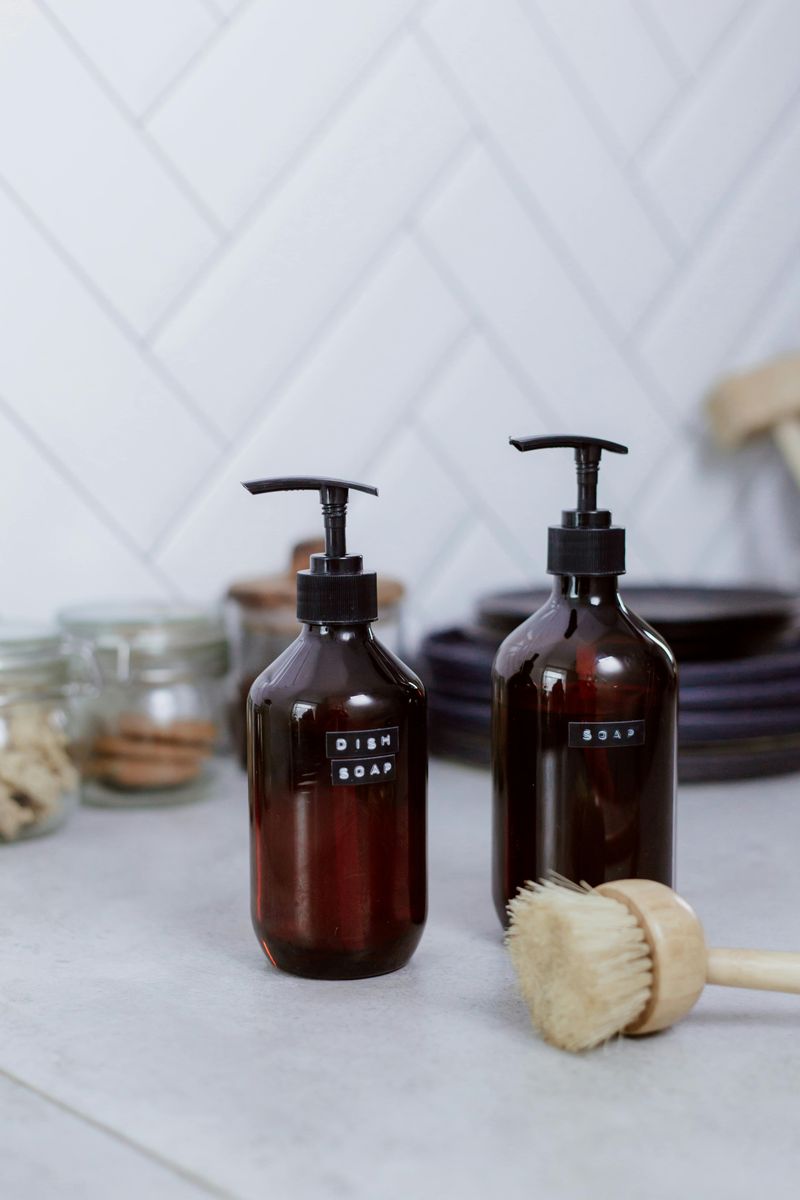
When in doubt, a few drops of gentle soap in warm water handles almost everything.
Dip a soft sponge, wring well, and wipe walls, cabinets, baseboards, and doors.
Follow with a clean damp cloth to lift residue and leave a smooth finish.
Castile soap is a star, but a mild dish soap works in a pinch.
The trick is dilution and that final rinse pass.
You will see fingerprints disappear and dull scuffs fade without a heavy chemical smell.
For glossy paint, use extra-damp not wet and dry immediately.
Switch to microfiber for delicate surfaces and test on an inconspicuous spot.
This easy mix keeps the whole place tidy with one bucket, one sponge, and almost no drama.
Comments
Loading…