
 Chloe Peterson
Growing up as a Baby Boomer meant experiencing life before smartphones, streaming services, and instant everything. The world moved slower, and everyday objects told stories of patience and creativity.
If these nine nostalgic items spark memories of your childhood, you’re definitely part of this incredible generation.
1. Rotary Telephones
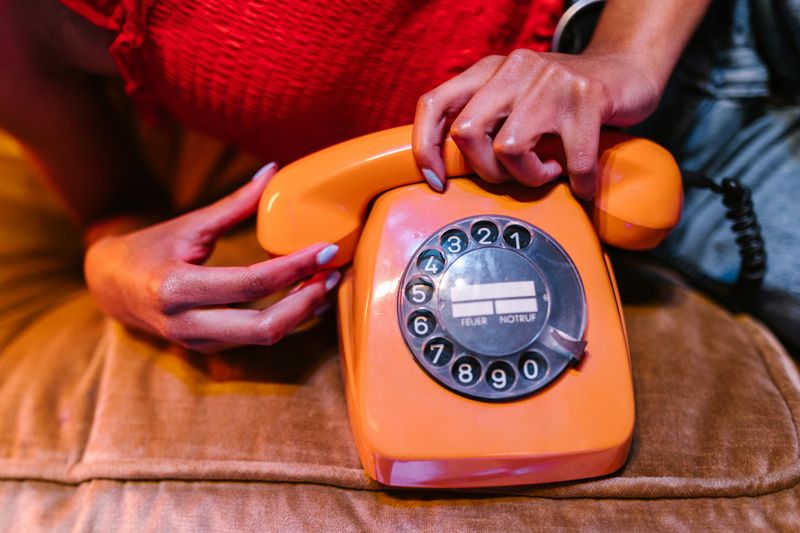
Remember when making a phone call required real finger work?
Rotary phones demanded patience as you stuck your finger in each hole and dialed around to the metal stopper.
Wrong numbers meant starting all over again from the beginning.
Long-distance calls were special events because they cost serious money, so conversations stayed brief and meaningful.
The satisfying clicking sound as the dial returned to its starting position became the soundtrack of communication.
Curly cords stretched across rooms as family members sought privacy during conversations.
Phone numbers with letters like BUtterfield-8 made addresses easier to remember than today’s random digit combinations.
2. Black-and-White TV Sets
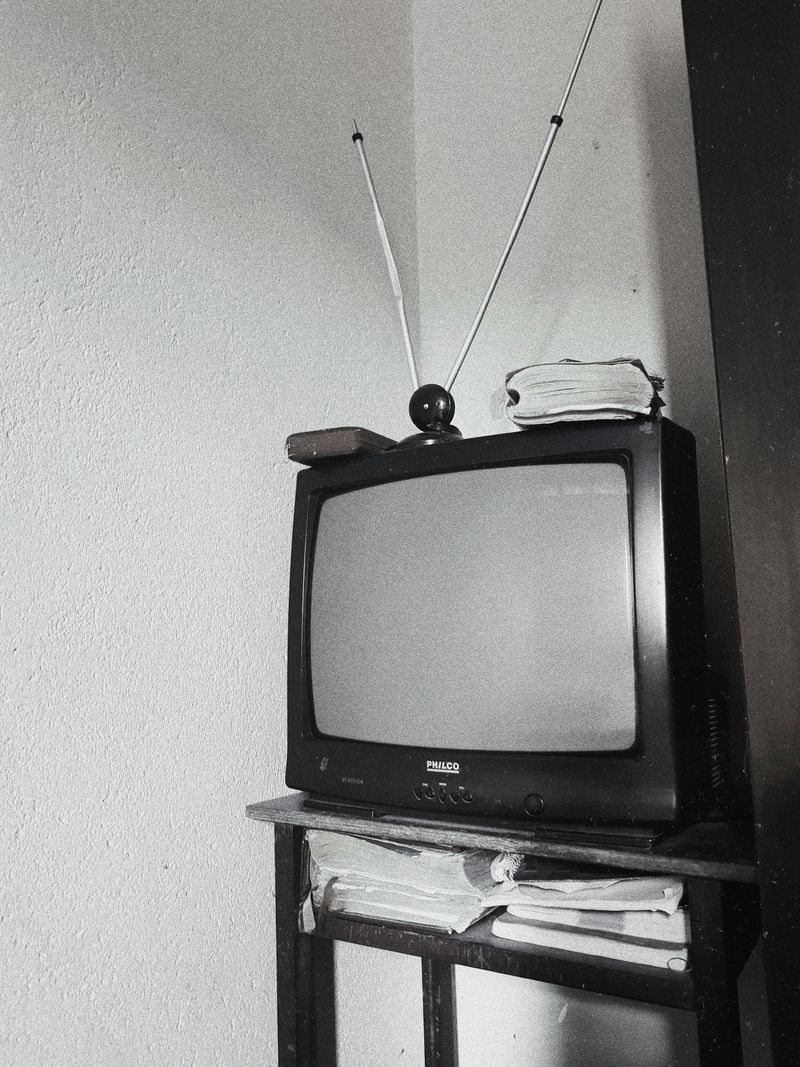
Television arrived in living rooms as a magical box displaying fuzzy gray images.
Families gathered around these boxy sets with tiny screens, adjusting rabbit ear antennas until the picture cleared up enough to watch.
Only a handful of channels existed, and programming ended late at night with the national anthem and test patterns.
Getting up to manually turn the dial became everyone’s least favorite chore during commercial breaks.
Color broadcasts seemed like science fiction until they gradually appeared in the late sixties.
The entire neighborhood knew which families upgraded to color sets first because kids bragged about it at school.
3. Record Players and Vinyl Singles
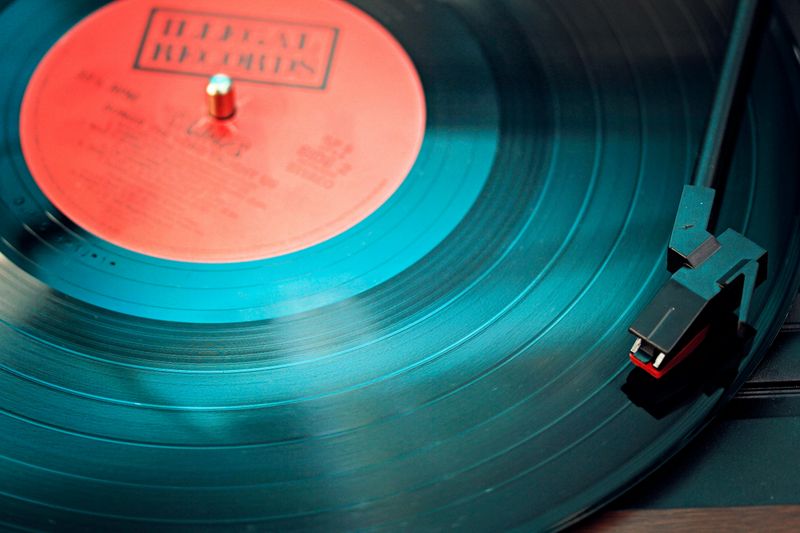
Carefully positioning vinyl records on turntables, music lovers lowered the needle, letting their favorite tunes fill the room with crackling sound.
Each 45 RPM single held just one song per side, making every track feel distinct and meaningful.
Scratches from careless handling created annoying skips that repeated the same lyric forever until someone bumped the needle forward.
Building a record collection meant saving allowance money and making tough choices at the music store.
Album artwork became treasured possessions, and reading liner notes while listening created a complete musical experience today’s digital files cannot match.
4. Drive-in Movie Theaters
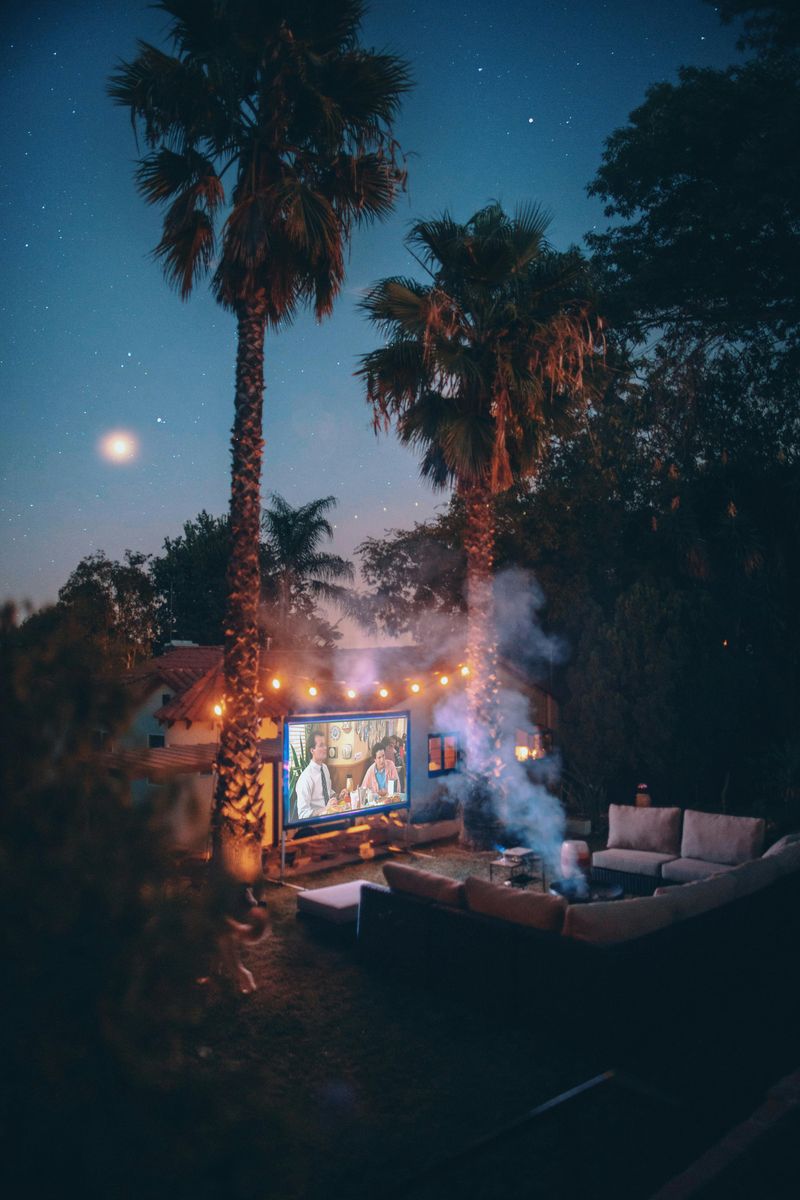
Summer nights came alive at drive-in theaters where families watched movies from the comfort of their cars under starry skies.
Metal speakers hooked onto partially rolled-down windows, delivering tinny sound that somehow made the experience more magical.
Kids wore pajamas and brought pillows, often falling asleep in the back seat during the second feature.
The concession stand intermission countdown became legendary, with dancing hot dogs and singing candy bars encouraging snack runs.
Foggy windows, mosquito battles, and uncomfortable seating positions never dampened the excitement of this uniquely American entertainment experience that has nearly vanished today.
5. Manual Typewriters
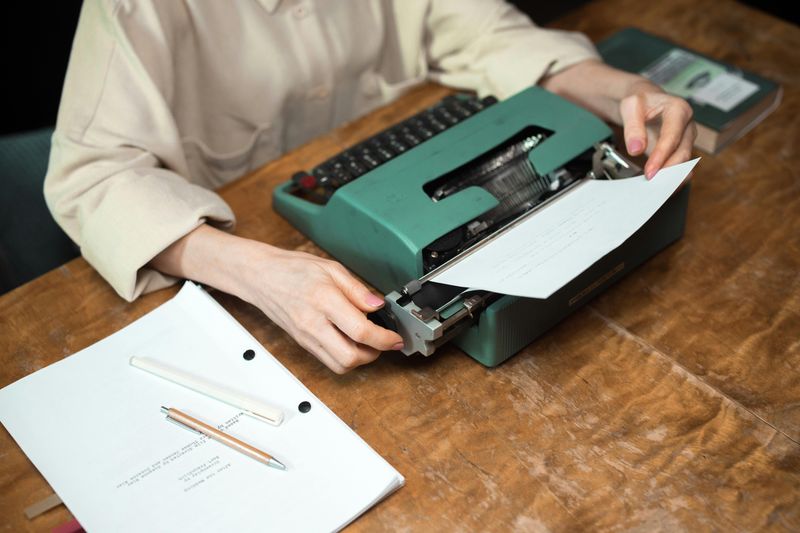
Before computers existed, writers hammered away on mechanical typewriters that required serious finger strength.
Each key press sent a metal arm flying up to strike an inked ribbon against paper, creating permanent letters with satisfying clacks.
Mistakes meant reaching for correction fluid or starting the entire page over from scratch.
The carriage return bell dinged at the end of each line, signaling time to manually slide the carriage back to begin again.
Changing ribbons left fingers stained with black or red ink for days.
Touch-typing classes in school prepared students for office careers that would soon be transformed by electronic keyboards.
6. Slide Projectors
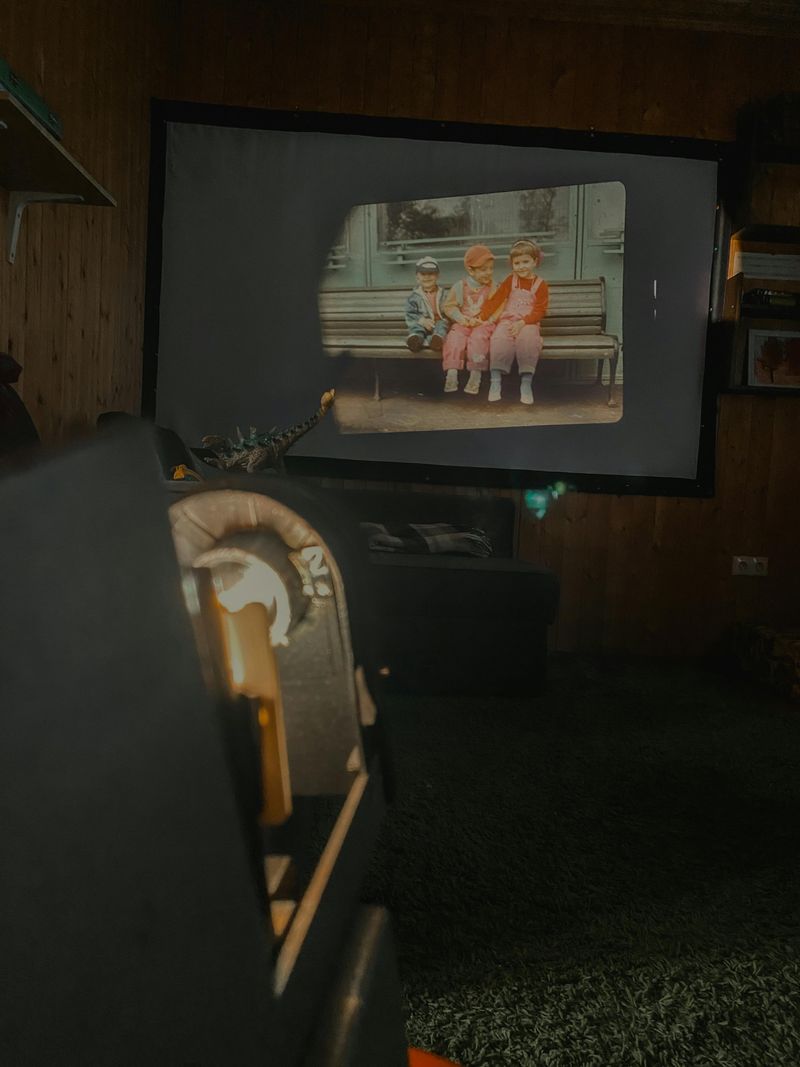
Family vacation memories came alive through slide shows projected onto living room walls or portable screens.
Loading the carousel tray required careful organization because slides inserted backward or upside-down created hilarious mistakes during presentations.
Darkened rooms and the projector’s cooling fan created the perfect atmosphere for reliving trips to national parks or beach vacations.
The distinctive ka-chunk sound of slides changing became synonymous with storytelling and family bonding.
Neighbors and relatives endured marathon viewing sessions of hundreds of slides, politely staying awake through every sunset and tourist attraction photo.
Today’s digital slideshows lack the anticipation and ceremony these mechanical marvels provided.
7. Encyclopedias on the Bookshelf
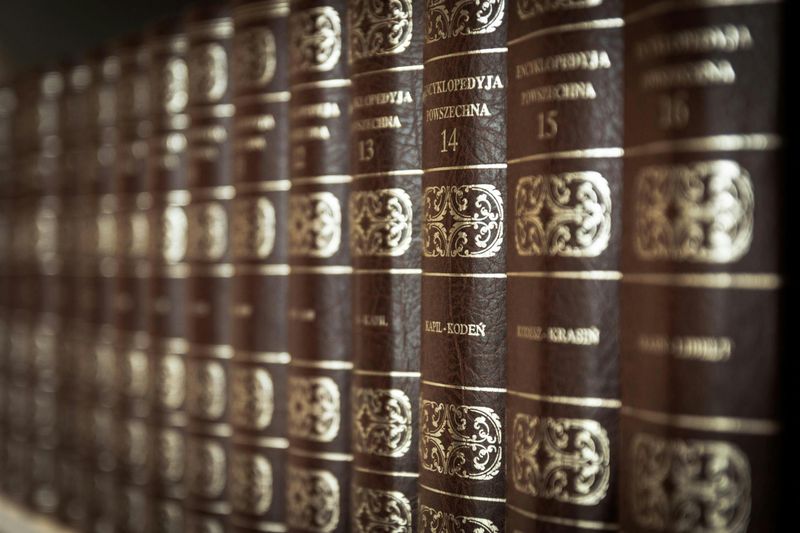
Before internet search engines existed, families invested in expensive encyclopedia sets that promised to answer every question imaginable.
These leather-bound volumes lined bookshelves like treasured artifacts, representing knowledge and educational commitment.
School reports required flipping through alphabetically organized books, reading entire articles, and taking handwritten notes.
Salespeople visited homes demonstrating these impressive collections, convincing parents that their children’s futures depended on owning complete sets.
Annual yearbook supplements kept information current, though world events quickly made printed facts outdated.
The smell of aging paper and the weight of knowledge in your hands created learning experiences computers have never quite replicated.
8. Penny Candy
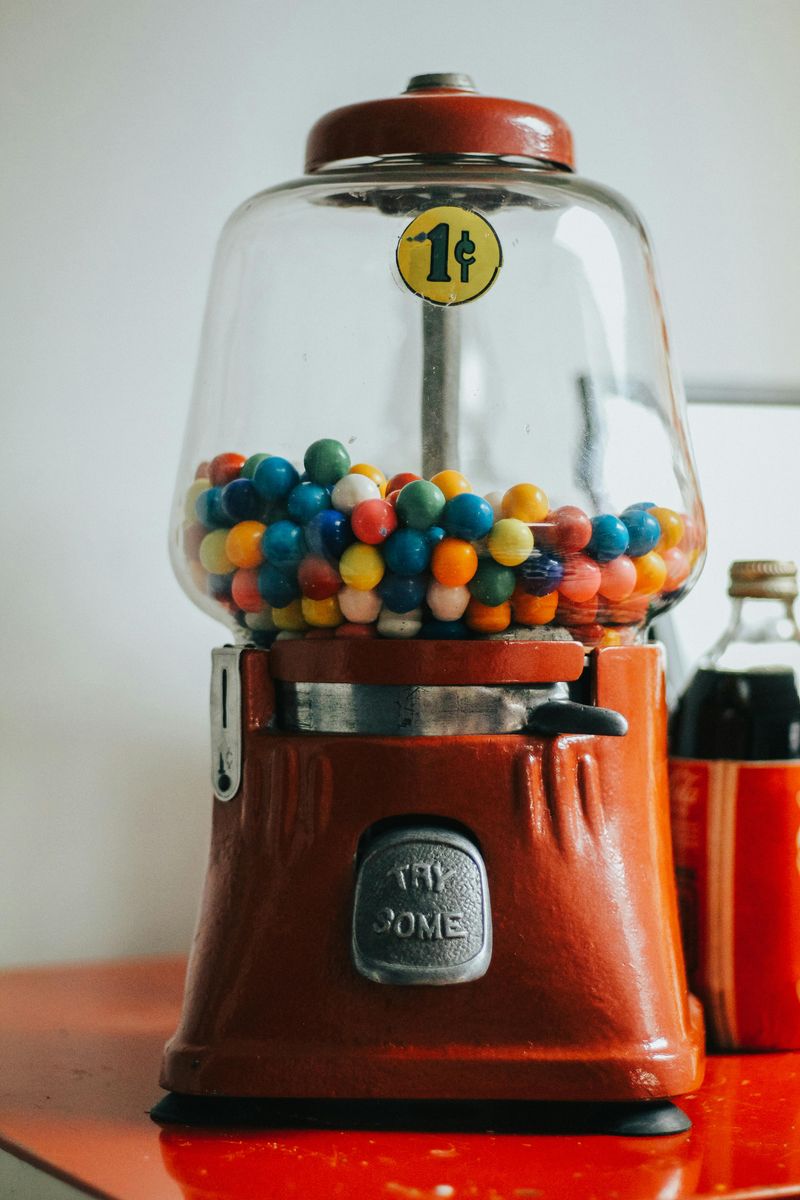
Corner stores featured glass jars overflowing with individually wrapped candies that actually cost one cent each.
Kids clutched nickels and dimes, carefully selecting five or ten pieces of sweetness that would last the entire afternoon.
Mary Janes, wax bottles filled with sugary liquid, candy cigarettes, and Bazooka bubble gum with comic strips inside created tough decisions at the counter.
Store owners patiently waited while children pointed at different jars, changing their minds repeatedly before finalizing selections.
A quarter bought serious candy wealth that filled entire paper bags.
Today’s candy prices seem outrageous compared to those magical penny-per-piece days when sugar was affordable and cavities were tomorrow’s problem.
9. Milk Delivered in Glass Bottles

Early morning doorsteps featured fresh milk bottles left by uniformed deliverymen who drove quiet electric trucks through neighborhoods before sunrise.
Glass bottles with paper caps or foil tops sat in insulated boxes, keeping dairy products cold until families woke up.
Cream rose to the top overnight, creating a thick layer that required shaking before pouring.
Kids raced to bring bottles inside before curious cats or warm weather spoiled the contents.
Empty bottles returned to the porch for pickup and reuse, making this system environmentally friendly decades before recycling became trendy.
The cheerful clink of glass bottles announced the milkman’s arrival like clockwork throughout suburban America.
Comments
Loading…