
 Hailey Watson
Some people don’t just live in their era—they challenge it.
While most of us adapt to the world as it is, a rare few imagine what the world could become and then push toward it, even when everyone around them rolls their eyes or fights back.
That kind of forward-thinking can look like genius, troublemaking, or pure stubbornness, depending on who’s judging.
The truth usually becomes obvious only later, when technology catches up, society shifts, or new research proves what they were saying all along.
The eight famous figures below didn’t simply have big ideas; they had ideas that arrived early, often at a personal cost.
Their stories are reminders that progress isn’t always welcomed in real time, even when it ends up changing everything.
1. Nikola Tesla
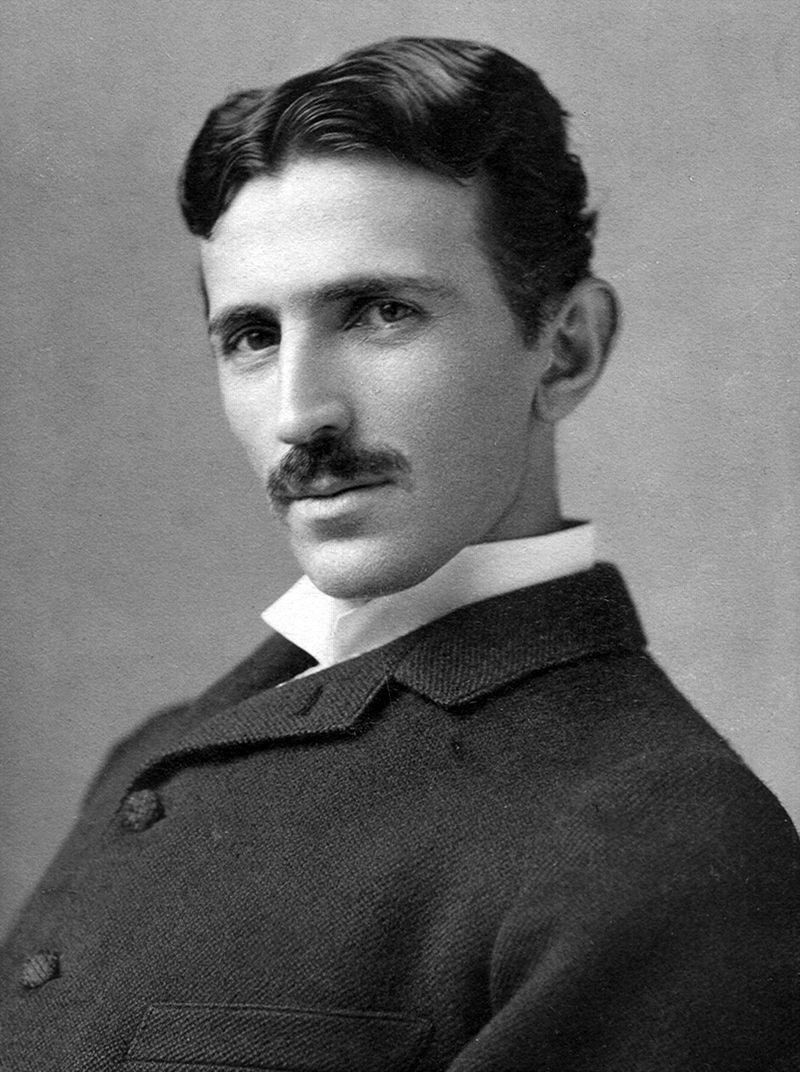
Long before the modern world became obsessed with wireless everything, one inventor was already picturing energy and information moving through the air as easily as a voice in a room.
Tesla’s work on alternating current helped shape the electrical systems that power homes and cities today, but his imagination stretched far beyond what most people could understand at the time.
He explored wireless transmission, dreamed of a global communications network, and even demonstrated remote control decades before it became ordinary.
What makes him feel ahead of his time isn’t only the brilliance of his ideas, but the way he kept chasing them even when investors wanted simpler, quicker payoffs.
Many of his concepts were mocked as unrealistic, yet modern life looks increasingly like the future he couldn’t stop describing.
2. Ada Lovelace
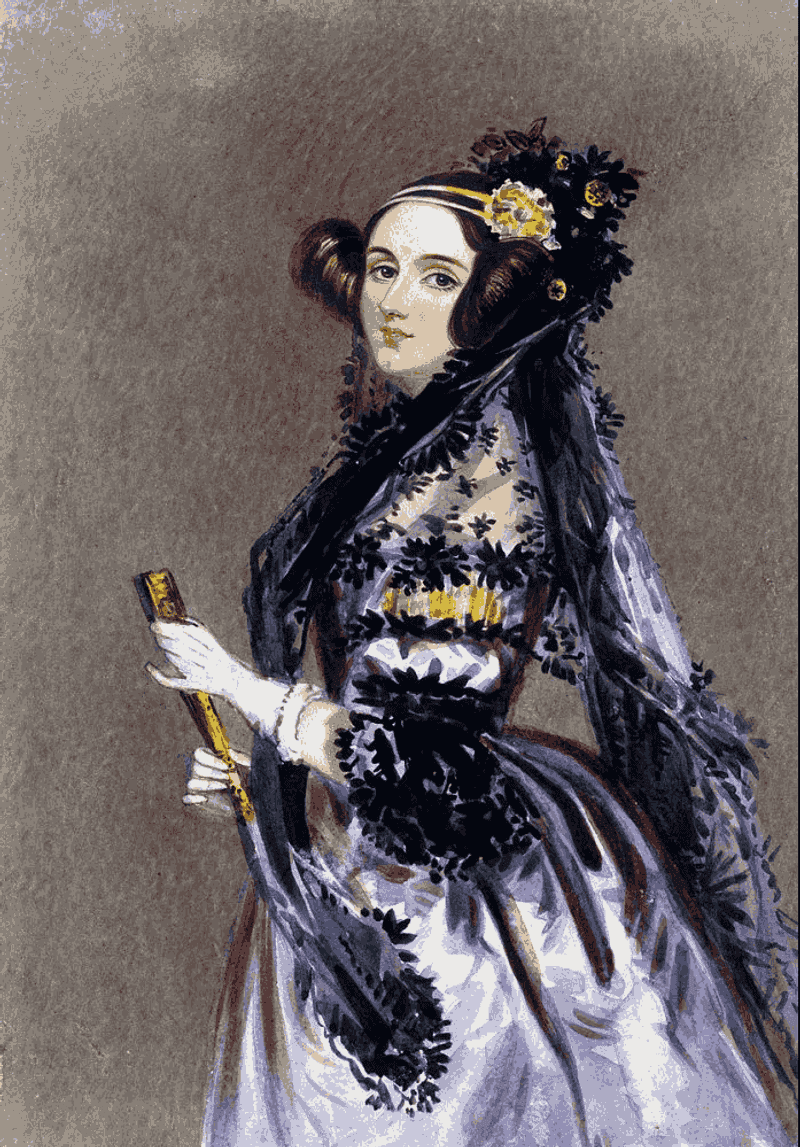
In an age when women were rarely encouraged to pursue serious scientific thought, a mathematician quietly wrote ideas that sound strikingly like a preview of modern computing.
Ada Lovelace worked alongside Charles Babbage and recognized something most people missed: machines could do more than calculate numbers if they were given the right instructions.
In her notes on the Analytical Engine, she described an algorithm often cited as the first computer program, but she also went further by imagining computers producing music, art, and complex patterns.
That kind of insight is what makes her feel decades ahead of her era.
While her work wasn’t fully appreciated in her lifetime, her legacy now sits at the foundation of programming and the idea that computation can be creative, not just mechanical.
3. Galileo Galilei
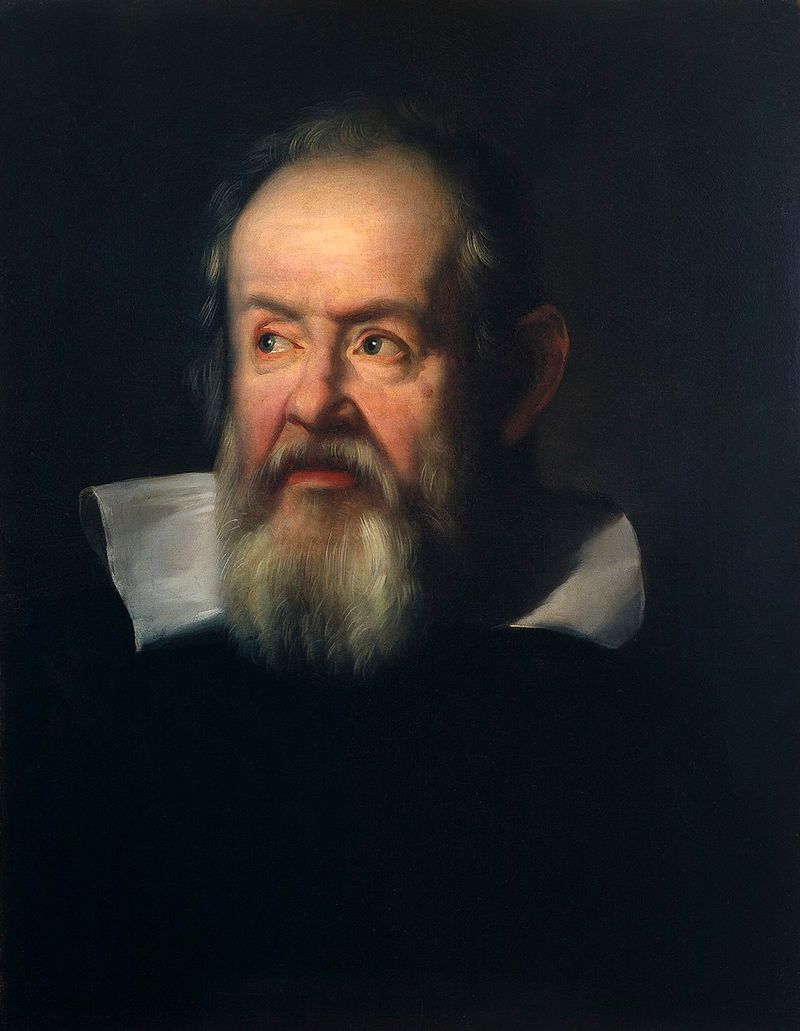
A scientific revolution doesn’t always look heroic in the moment, especially when it threatens institutions that depend on certainty and tradition.
Galileo’s observations of the sky, supported by the telescope, gave powerful evidence that the Earth wasn’t the center of the universe, which was a shocking idea for the time.
What made him ahead of his era was his insistence on testing claims through observation and experiment rather than accepting authority as the final word.
He didn’t simply disagree quietly; he argued publicly, wrote for broad audiences, and forced people to confront uncomfortable truths.
That approach came with serious consequences, including condemnation and house arrest.
Still, the modern scientific mindset—questioning, measuring, revising—looks a lot like the world Galileo tried to build, even when the world wasn’t ready to let him.
4. Mary Wollstonecraft
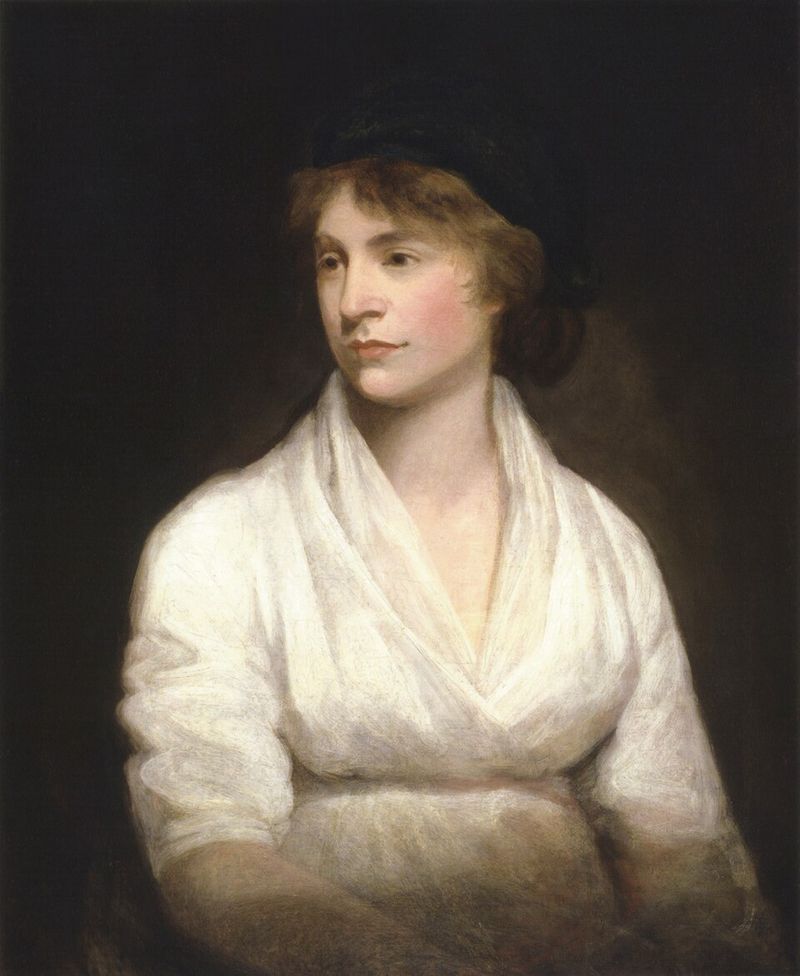
Centuries before equal rights became a mainstream cause, one writer made a bold argument that still feels modern: women weren’t naturally inferior, they were simply denied the same education and opportunities.
Mary Wollstonecraft’s work challenged the assumptions of her day by insisting that women deserved to be treated as rational, capable human beings, not decorative additions to men’s lives.
She argued that society would be stronger if women were educated and allowed to develop independent thinking, which was a radical position in the late 1700s.
What makes her ahead of her time is how clearly she connected personal freedom to social progress, even when the cultural tide ran against her.
Although she faced backlash and misunderstanding, her ideas became foundational to later feminist movements and continue to echo whenever people debate equality in education, work, and family life.
5. Alan Turing
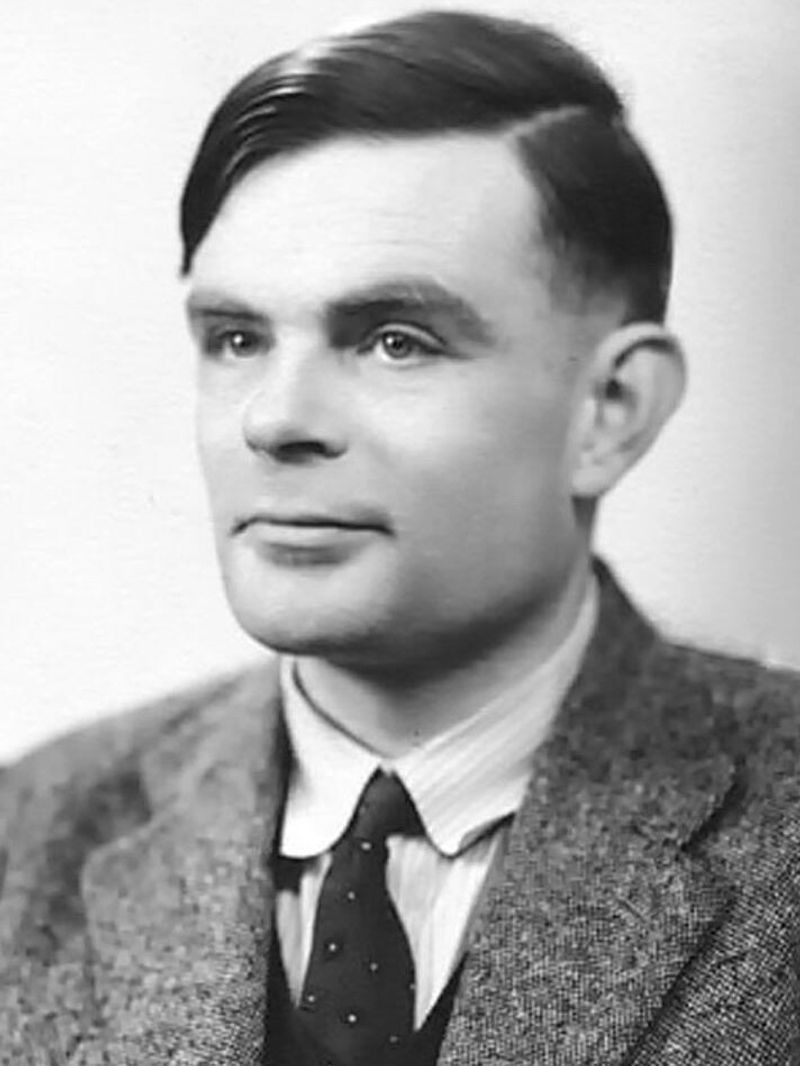
The digital world we take for granted traces back to ideas that once sounded abstract, even bizarre, and Alan Turing was one of the first to map that territory with real precision.
During World War II, his codebreaking work helped shift the course of history, but his long-term influence comes from his theoretical contributions to computing itself.
He described a model of computation that became the backbone of computer science, and he even explored the unsettling question of whether machines could “think,” which remains central to conversations about AI today.
What makes his story especially bittersweet is that society was not remotely ready to respect him as a person, even while relying on his genius.
His life shows how far ahead someone can be intellectually while still being trapped in the prejudices of their time.
6. Hedy Lamarr
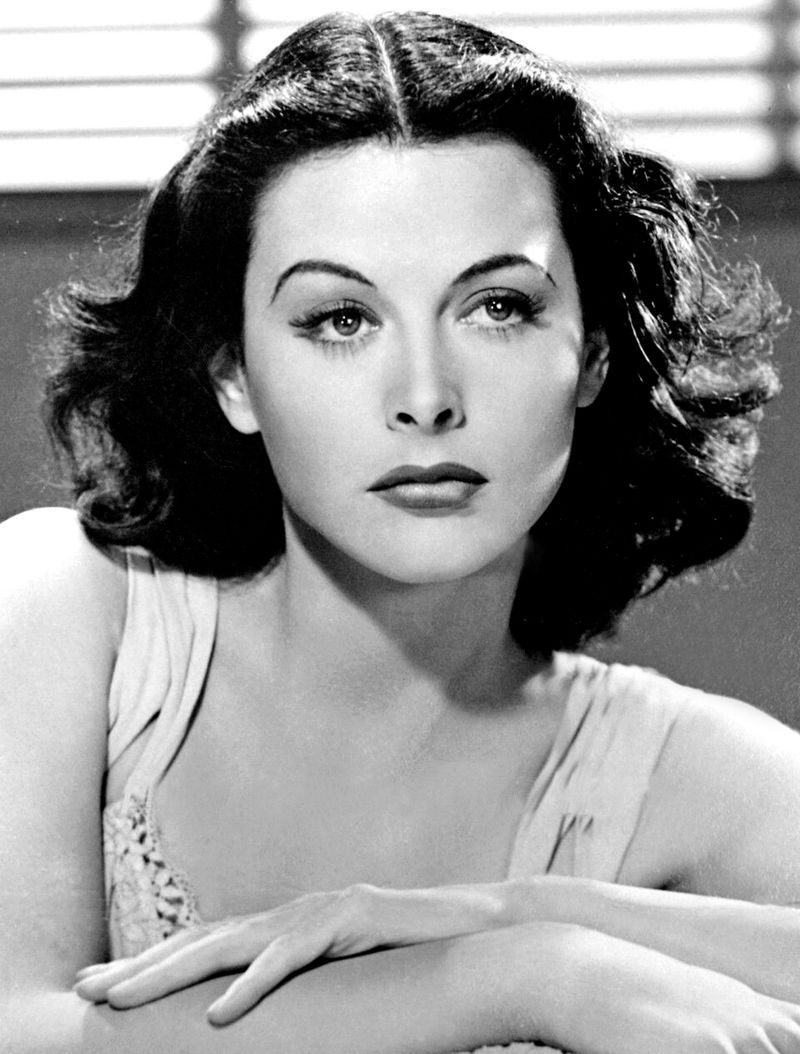
A glamorous public image can make it easy for people to underestimate what’s happening behind the scenes, and that mismatch is a big part of why Hedy Lamarr’s story feels so ahead of its time.
Known as a Hollywood star, she also co-invented a communication technique called frequency hopping during World War II, designed to prevent signals from being jammed.
The concept later became an important building block for technologies used in Wi-Fi, Bluetooth, and other wireless systems.
Her innovation wasn’t treated as a headline-making breakthrough in her era, partly because few expected a famous actress to contribute to serious technical work.
What makes her ahead of her time is how she blended creativity with problem-solving, proving that innovation doesn’t always come from the places society considers “credible.”
7. George Washington Carver
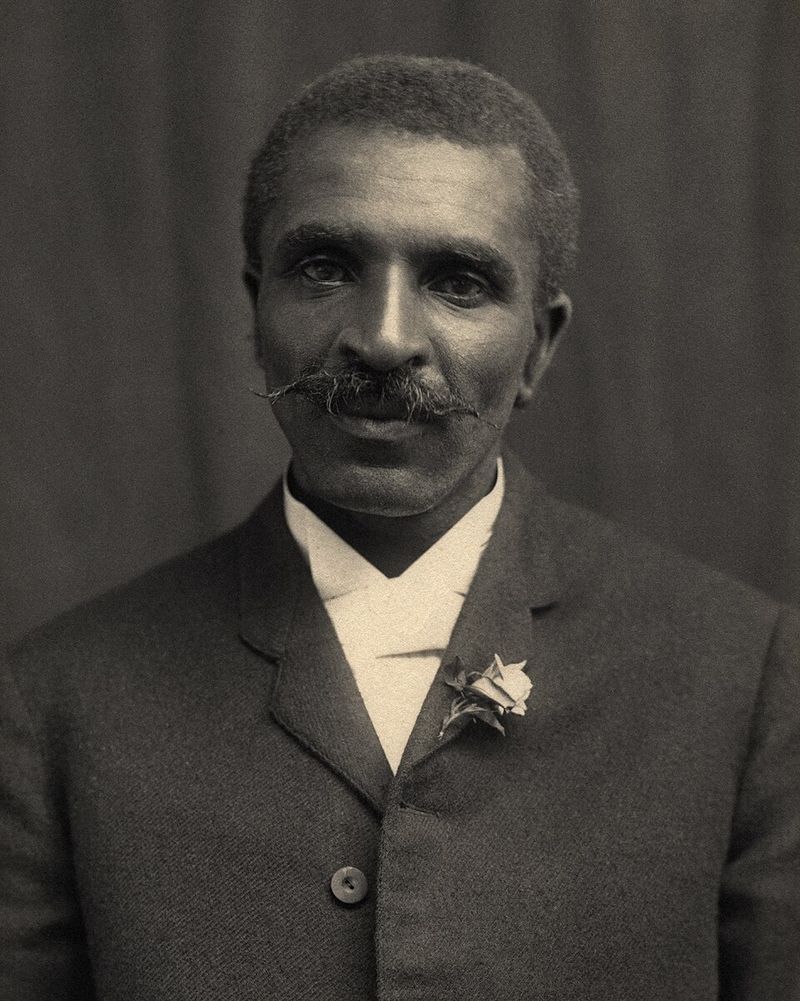
Walk the fields with him and you will see soil as a living partner.
Carver urged farmers to rotate crops, plant legumes, and restore nutrients, countering the cotton exhaustion strangling livelihoods.
Practical science met everyday survival.
He published bulletins, taught by demonstration, and turned peanuts and sweet potatoes into opportunity.
The goal was resilience, not quick profit. Communities felt the difference in yield, health, and dignity.
Modern sustainability echoes his approach with regenerative practices and circular thinking. When you hear about soil health or climate-smart agriculture, his spirit is there.
Progress grew from curiosity, empathy, and hands-dirty experimentation.
8. Rachel Carson
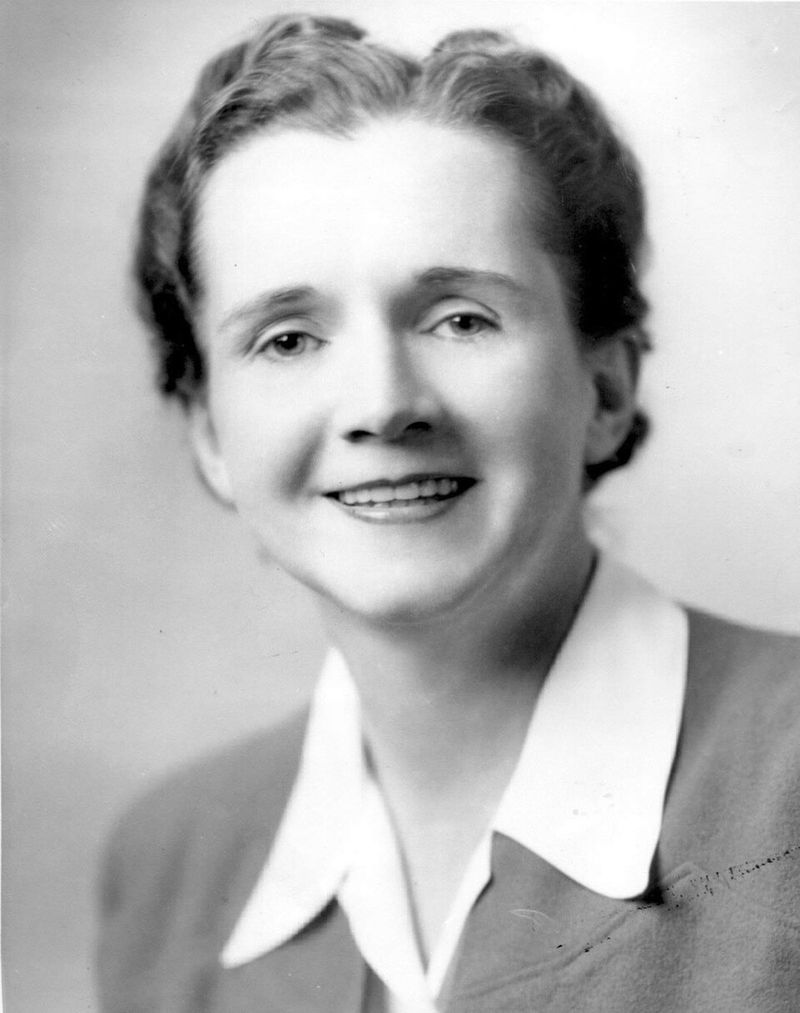
Few things are harder than warning people about an invisible danger, especially when powerful industries insist everything is fine, and Rachel Carson did exactly that.
Her work drew attention to the environmental and health impacts of pesticides, particularly DDT, at a time when chemicals were widely celebrated as modern miracles.
She combined scientific evidence with clear storytelling, making the issue understandable to everyday readers without watering down the seriousness.
What makes her ahead of her time is that she framed environmental harm as something that would eventually come back to affect humans, not just wildlife, which is now a core idea in public health and climate discussions.
The backlash she faced was intense, but her message helped spark the modern environmental movement and shifted how people think about the costs of convenience and “progress.”
Comments
Loading…