
 Hailey Watson
Growing up in the 1980s meant experiencing a childhood that looked very different from today. Kids spent their days outside, solving problems on their own, and learning to bounce back from setbacks without much help.
These experiences weren’t just fun—they built character and taught valuable life skills that many adults today still rely on.
1. Playing Outside Until the Streetlights Came On

Freedom to roam the neighborhood created independent thinkers who knew how to entertain themselves.
Parents didn’t hover or schedule every minute of the day.
Kids invented games, explored local parks, and learned to navigate social situations without adult intervention.
This built confidence and problem-solving abilities that transferred into adulthood.
Getting scraped knees and minor injuries taught valuable lessons about risk assessment.
Children learned their physical limits through trial and error.
Coming home when the streetlights flickered on meant managing time independently.
This simple rule fostered responsibility and self-regulation skills that became lifelong assets.
2. Solving Boredom Without Screens
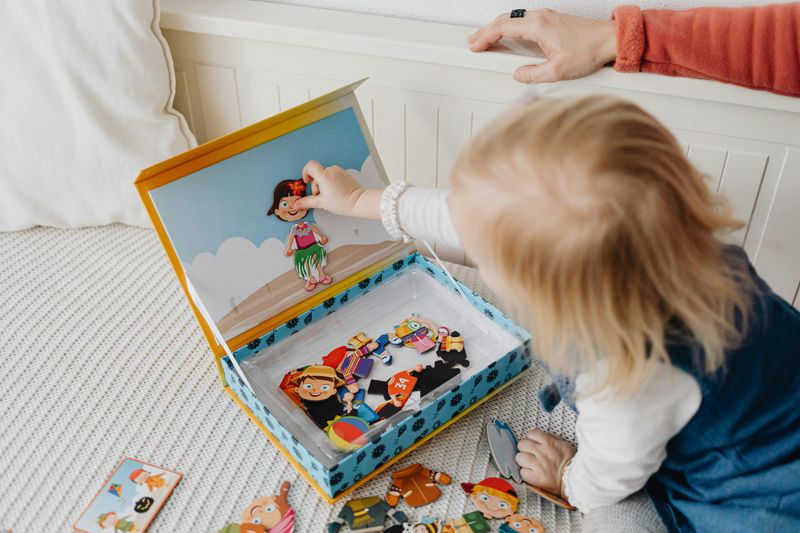
Imagination flourished when entertainment wasn’t instantly available at the touch of a button.
Boredom became a catalyst for creativity rather than something to avoid.
Building forts from couch cushions, creating elaborate storylines with action figures, or drawing for hours developed creative thinking.
These activities required planning, imagination, and persistence.
Reading books from cover to cover strengthened concentration and focus.
Without constant digital distractions, kids developed longer attention spans.
Learning to entertain yourself meant becoming comfortable with your own thoughts.
This self-sufficiency translated into adults who could work independently and think creatively when facing challenges.
3. Handling Disappointment Without Immediate Comfort

Not everyone got a trophy, and that was perfectly okay.
Losing a game or not making the team taught kids that failure is part of life.
Parents didn’t rush to fix every problem or soothe every hurt feeling immediately.
Children learned to process emotions and develop coping mechanisms on their own.
Getting cut from the school play or striking out in baseball built resilience.
Kids discovered they could survive disappointment and try again next time.
This approach created adults who understand that setbacks are temporary.
They developed grit and determination because they learned early that not every outcome would go their way.
4. Figuring Out Conflicts on the Playground
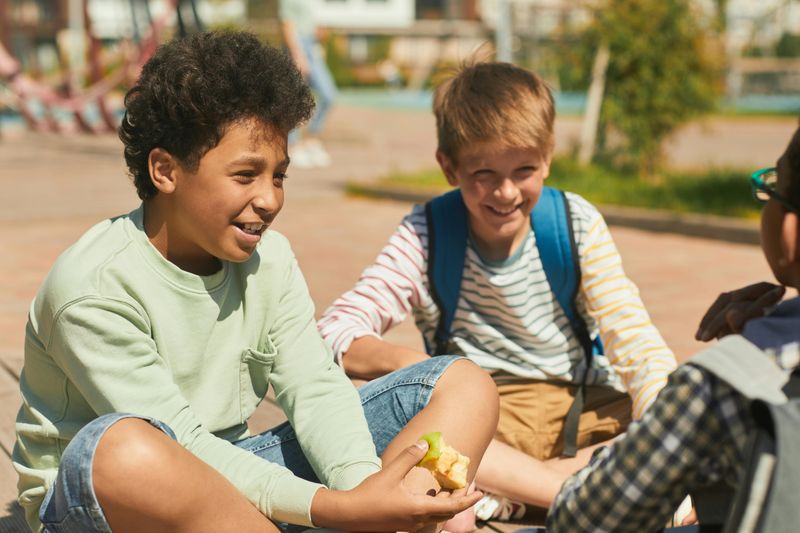
Arguments and disagreements happened daily, but kids worked them out themselves.
Teachers and parents stepped back unless things got seriously out of hand.
Negotiating who got to be team captain or whose turn it was on the swings taught conflict resolution.
These small disputes became training grounds for communication skills.
Sometimes feelings got hurt, and sometimes friendships temporarily ended.
But by the next day, most kids had figured out how to apologize and move forward.
Adults today who grew up this way tend to handle workplace disagreements more effectively.
They learned early that conflict is normal and can be resolved through conversation and compromise.
5. Doing Homework Without Constant Help

Struggling through math problems or book reports alone built perseverance and self-reliance.
Parents weren’t expected to help with every assignment or project.
Making mistakes on homework was part of the learning process.
Teachers used errors as teaching opportunities rather than something to avoid at all costs.
If you forgot your assignment at home, you faced the consequences.
Nobody drove it to school for you, which taught accountability and planning ahead.
This independence created adults who trust their own abilities.
They learned to push through challenges and figure things out rather than immediately seeking help or giving up when things got difficult.
6. Waiting for Things You Wanted
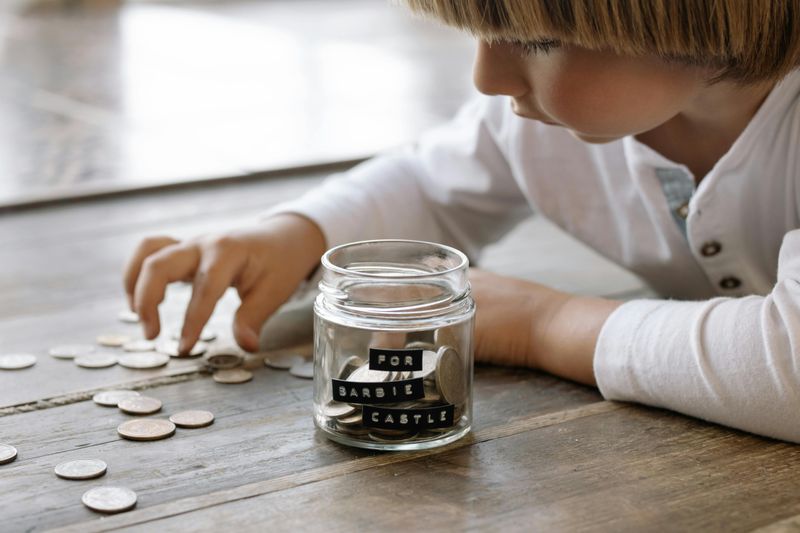
Instant gratification wasn’t part of the vocabulary.
Saving allowance for weeks to buy a special toy taught patience and financial planning.
Waiting all week to watch your favorite TV show because there was no streaming or recording created anticipation.
This delay made the experience more meaningful and memorable.
Birthdays and holidays were the primary times for receiving gifts.
Kids learned to appreciate what they had rather than expecting constant new things.
This delayed gratification built discipline and goal-setting abilities.
Adults who learned to wait for what they wanted tend to make better financial decisions and appreciate their achievements more deeply.
7. Taking Responsibility for Your Actions

Breaking something meant owning up to it and facing consequences.
Parents didn’t make excuses for their children’s behavior or blame others.
Getting in trouble at school meant getting in trouble at home too.
There wasn’t an assumption that the teacher was wrong or unfair.
Chores were expected, not negotiable.
Kids learned that being part of a family meant contributing without expecting constant praise or rewards.
This accountability created adults with strong personal integrity.
They understand that actions have consequences and take ownership of their choices rather than blaming circumstances or other people for their mistakes.
Comments
Loading…