
 Hailey Watson
I Tried Dry January—Here’s Why You Should Give It a Shot
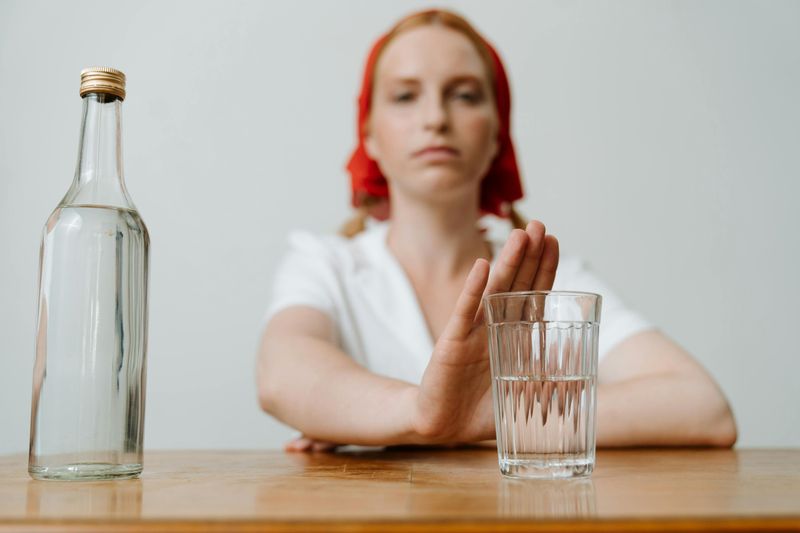
I pressed pause on alcohol for one month and did not expect the ripple effects.
Mornings felt lighter, weekends opened up, and my body started sending clearer signals about what it needed.
The best part was noticing changes I could actually feel day to day, not just read about online.
If you have even a tiny bit of curiosity, this is your nudge to try it and see what shifts for you.
1. Better sleep (and easier mornings)

There is nothing like waking up and realizing your alarm is not the enemy anymore.
Alcohol can help you doze off, but it slices your deep sleep and interrupts REM.
After a week alcohol free, sleep starts to stack, and you wake without that heavy blanket of grogginess.
Mornings become gentler because your nervous system is not dealing with rebound stimulation.
You do not spend the first hour negotiating with your brain for energy.
Hydration holds better overnight, which means fewer 3 a.m. wakeups and less tossing around.
You might notice dreams returning, along with that crisp feeling behind your eyes.
Coffee tastes like a treat instead of a crutch.
Most importantly, the day does not feel like you are dragging a wagon uphill before breakfast.
2. More energy and motivation

Energy shows up in sneaky ways once alcohol steps aside.
You finish tasks you used to postpone and still have gas in the tank for a walk or quick workout.
The midafternoon slump shrinks because your body is not processing last night’s drinks.
Motivation feeds on momentum, and Dry January gives you early wins.
You check errands off without bargaining for later downtime.
Even brain fog thins, so focusing on a project feels less like herding cats and more like cruising on a clear highway.
There is also the relief of predictable evenings.
When you know you will feel good tomorrow, it is easier to start something today.
That tiny shift compounds, turning small actions into week changing results.
3. Noticeable savings—fast
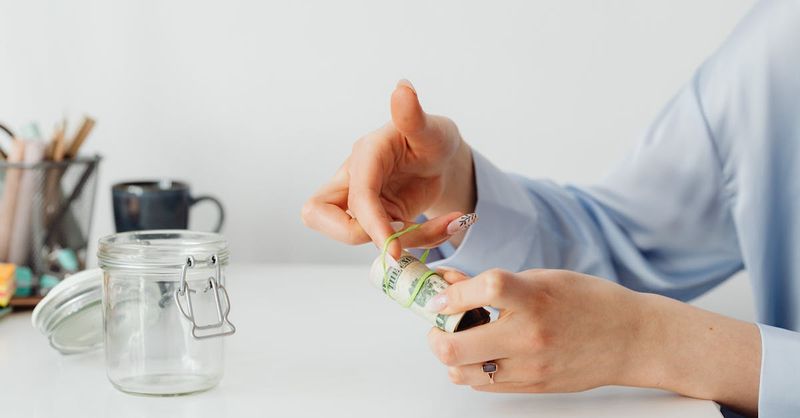
Money you were not tracking begins to stay put.
Bar tabs, that quick bottle for dinner, delivery fees, tips, and late night snacks were quietly stacking up.
A dry month turns the drip into a pause, and the numbers show it almost immediately.
Looking at statements can be eye opening in the best way.
You see room for groceries you actually enjoy, a fitness class, or a little cushion in your emergency fund.
Even rideshares shrink when nights end earlier and you head home with clear judgment.
Try assigning a playful name to the savings pot and watch motivation spike.
Seeing a weekend getaway or debt payment grow feels better than any hazy night.
The quick feedback loop keeps you going and makes the habit stick past January.
4. Fewer cravings and better appetite control
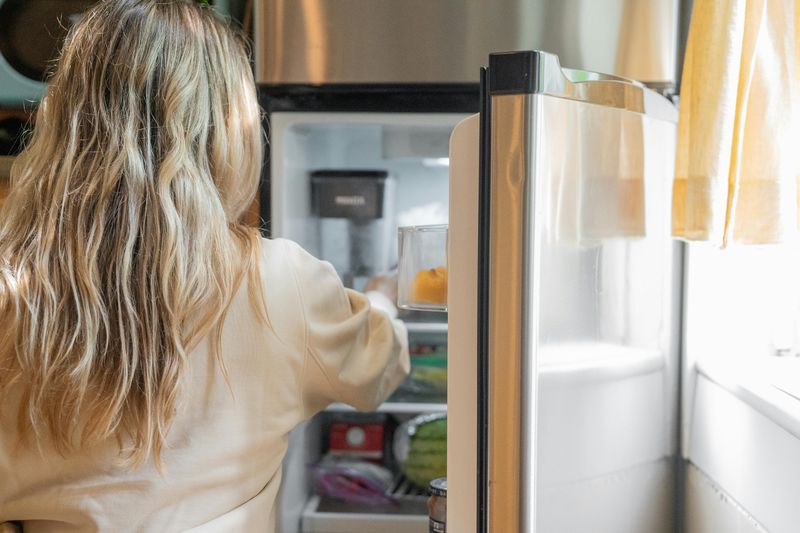
Cravings tend to calm down when alcohol is off the table.
Drinks lower inhibitions and spike appetite, so the late night snack parade loses its ringleader.
With a clearer system, it is easier to notice hunger versus habit.
Balanced meals start to sound appealing instead of preachy.
You reach for protein and fiber because your body is not chasing quick sugar fixes.
Even grocery shopping feels simpler when you are not padding the cart with impulse comfort foods.
Sparkling water with citrus scratches the ritual itch without waking up cravings.
Planning a solid dinner does more than fill you up, it quiets the 9 p.m. nibble cycle.
The result is steadier energy and way fewer “how did I eat that much” moments.
5. Clearer skin and less puffiness
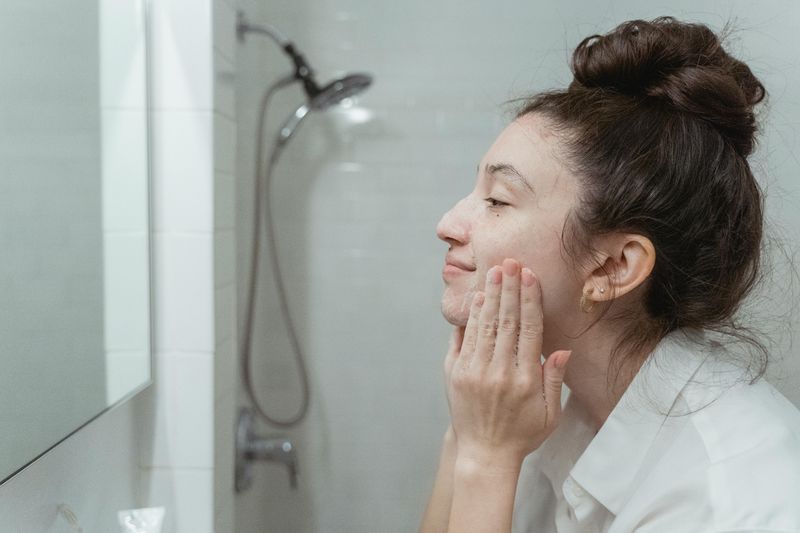
Skin often tells the story first.
Alcohol can dehydrate, dilate blood vessels, and mess with inflammation, which shows up as redness, dullness, and puffiness.
A few weeks off lets moisture balance return and calms that always slightly puffy look.
Breakouts may dial down because sleep and hydration improve together.
You might notice your face feels less tight in the morning and makeup goes on smoother.
Even under eye shadows can soften when you are not fighting micro hangovers.
Simple routines suddenly work better.
Cleanser, moisturizer, and sunscreen carry you through the day without needing heavy coverups.
The mirror reflects back a rested version of you, which is wildly motivating to keep going.
6. Improved mood and steadier emotions

There is a subtle ease that settles in when you stop riding alcohol’s emotional roller coaster.
Anxiety spikes often mellow because your brain chemistry is not rebounding from a depressant.
Instead of swinging between wired and tired, you land somewhere steady and workable.
Sleep quality helps too, since a rested brain regulates feelings better.
You start catching yourself before spirals, choosing a walk or text to a friend over doom scrolling.
Conversations feel smoother when your patience is not on a hair trigger.
Journaling or short meditations can anchor this calm.
You do not have to be perfectly zen, just available to yourself.
That steadiness becomes a quiet superpower that carries into work, relationships, and weekend plans.
7. Better workouts and quicker recovery

Workouts feel different when you are fully hydrated and well slept.
Heart rate stays cooperative, form holds longer, and you can actually enjoy the burn.
Without alcohol interrupting recovery, soreness fades faster and consistency finally sticks.
The surprising part is how much easier it is to start.
When tomorrow’s energy is not at risk, you say yes to movement more often.
That builds a streak that does not rely on willpower, just fewer barriers in the way.
Try stacking habits: drink water, move for twenty minutes, stretch for five.
Keep it simple so momentum wins.
Before long, progress shows up in heavier lifts, quicker runs, or just climbing stairs without bargaining with your lungs.
8. Lower resting heart rate and better overall health markers
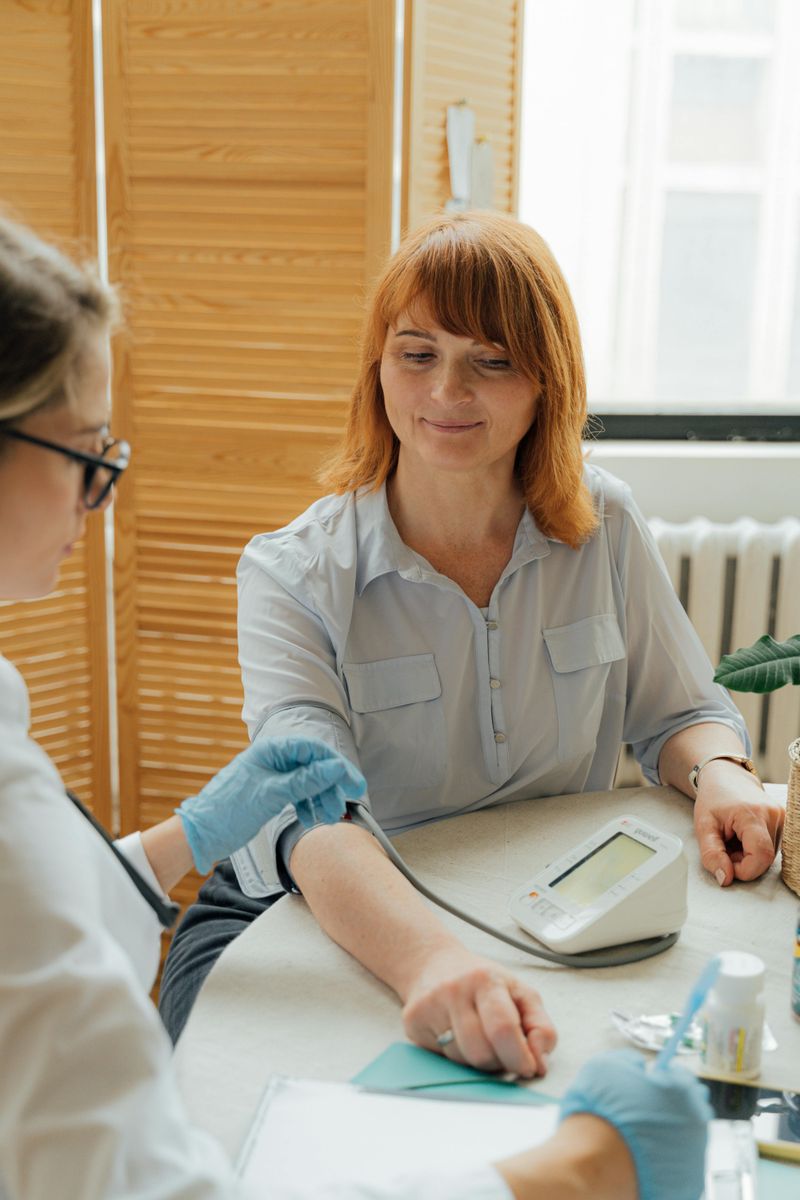
Health metrics often reward a dry month.
Resting heart rate can tick down as your body sheds nightly stress and poor sleep debt.
Some people also notice improvements in blood pressure, heart rate variability, and that general healthier baseline feeling.
Numbers are not the whole story, but they are motivating to watch.
Sync a wearable or jot notes, then compare week one to week four.
Seeing trends stabilize can feel like proof that small decisions matter more than perfect ones.
Pair the month with basics you can maintain: earlier bedtime, extra water, and a few vegetable heavy meals.
These simple anchors amplify the signal.
By the end, you will likely feel a calmer pulse that matches life outside the app.
9. More time (and better weekends)
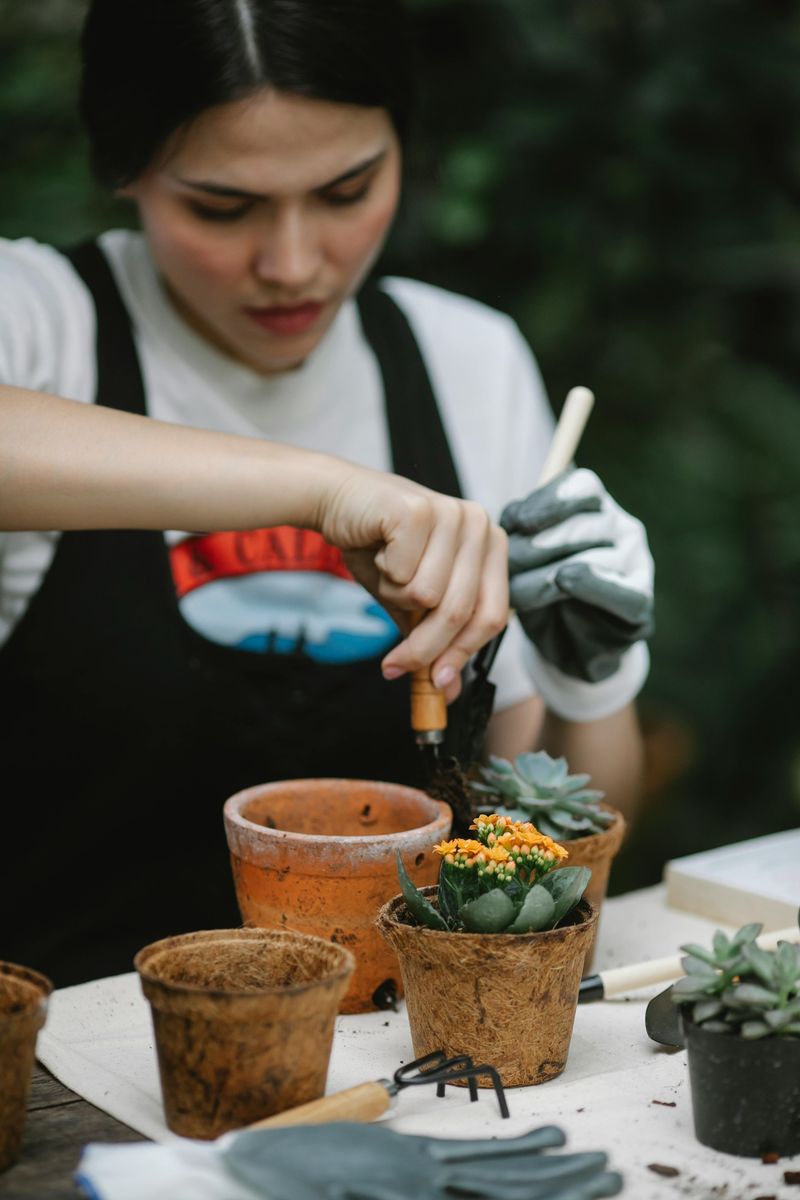
Evenings stop revolving around the next drink, and suddenly there is space.
You go to bed earlier or, better yet, wake up ready for plans you used to cancel.
Brunch becomes a launchpad for the day instead of a recovery mission.
Weekends stretch when mornings are clear and afternoons have focus.
You can fit a hike, a catch up call, and a movie without feeling wrecked by dinner.
Side projects or hobbies finally get that quiet block of time they deserve.
This extra time is not about productivity for its own sake.
It is about choosing what actually feels good and being present for it.
That feeling turns ordinary Saturdays into something you want more of.
10. A reset that reveals your real habits

A month off acts like a mirror.
You notice what triggers the urge to drink, whether it is stress, boredom, or social pressure.
That clarity is gold because it helps you design alternatives that actually work in your real life.
Maybe it is swapping a weeknight pour for tea and a walk.
Maybe it is planning social time that does not center on bars.
You learn which friends cheer you on and which situations push your buttons.
By the end, you will know what you genuinely enjoy and what was just habit momentum.
Keep the rituals you love and retire the rest.
That reset is the first step toward a relationship with alcohol on your terms.
Comments
Loading…