
 Hailey Watson
Your kitchen might be hiding dangerous items that could make you sick or hurt you without you even knowing it.
Many everyday cooking tools and containers can become unsafe over time, releasing harmful chemicals into your food or growing dangerous bacteria.
Getting rid of these risky items right away will help protect your family’s health and make your kitchen a much safer place to prepare meals.
1. Scratched Non-Stick Cookware
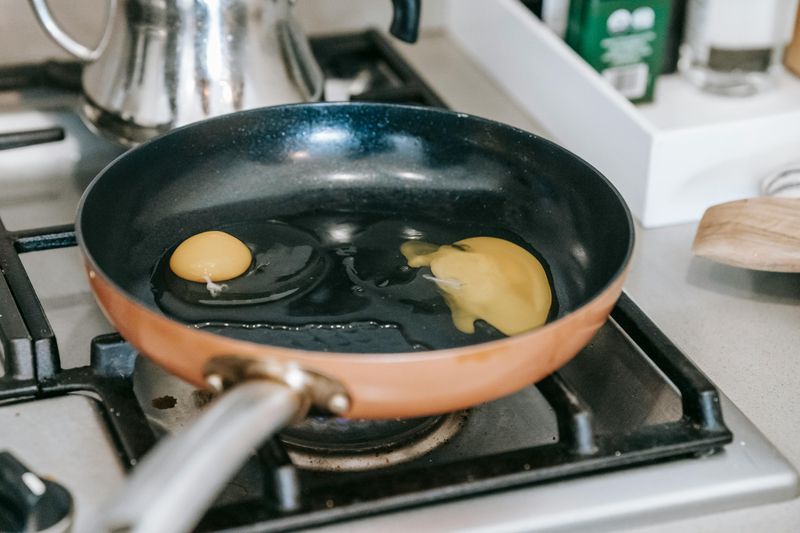
That trusty non-stick pan with visible scratches might seem fine, but it’s actually a health hazard lurking in your cabinet.
When the coating gets damaged, it can release toxic fumes during cooking, especially when you heat it to high temperatures.
The chemicals from these fumes can cause flu-like symptoms and breathing problems.
Even tiny scratches mean the protective layer is breaking down and mixing with your food.
Replace any non-stick cookware that shows wear and tear.
Consider switching to stainless steel or cast iron pans that last longer and don’t have coatings that can chip away into your meals.
2. BPA-Containing Plastic Containers
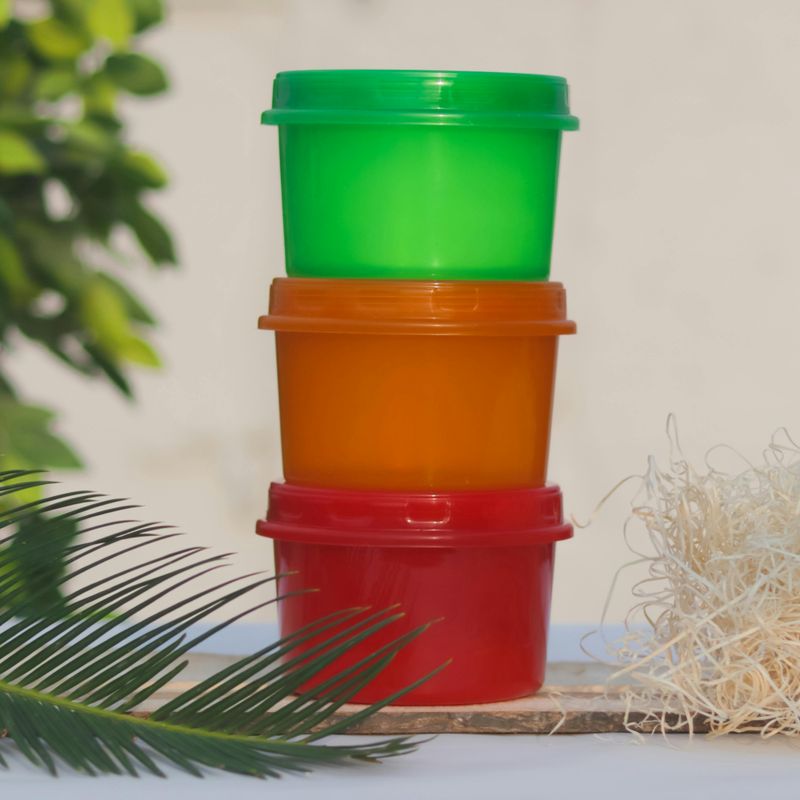
Old plastic containers might be poisoning your leftovers without you realizing it.
Many older plastics contain BPA, a chemical that sneaks into your food and messes with your body’s hormones.
BPA exposure has been linked to serious health problems, from reproductive issues to increased cancer risk.
You can’t see or taste it, which makes these containers especially dangerous.
Check the recycling number on the bottom—if it’s a 7, toss it immediately.
Switch to glass containers or newer BPA-free plastics that clearly state they’re safe.
Your body will thank you for making this simple swap.
3. Cracked Ceramic Dishes
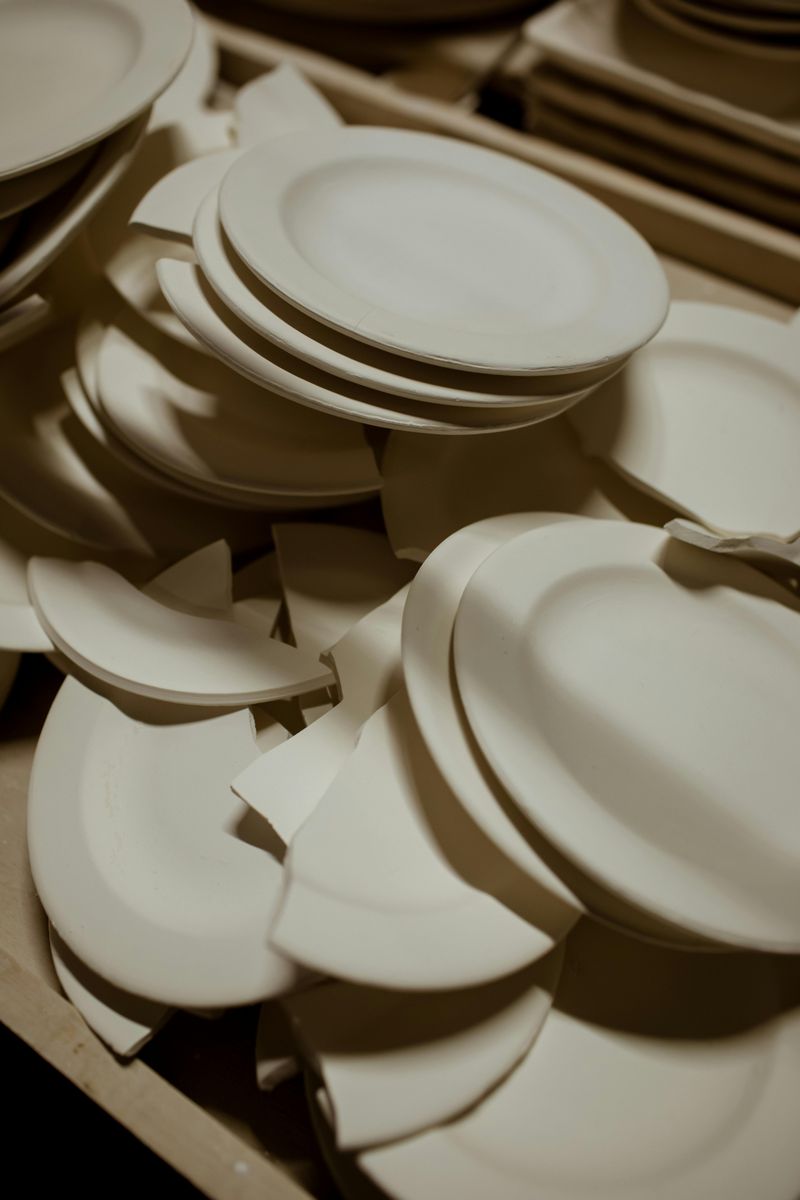
A small crack in your favorite plate or bowl creates the perfect hiding spot for dangerous bacteria.
Food particles and moisture seep into these tiny crevices where regular washing can’t reach them.
Even worse, older ceramic dishes might contain lead in their glaze.
When cracks form, this lead can leak directly into your food, especially with hot or acidic meals.
Lead poisoning causes serious problems, particularly for children and pregnant women.
Examine all your dishes carefully under good light.
Any chips, cracks, or crazing patterns mean it’s time to say goodbye and invest in new, safe tableware.
4. Deeply Grooved Plastic Cutting Boards
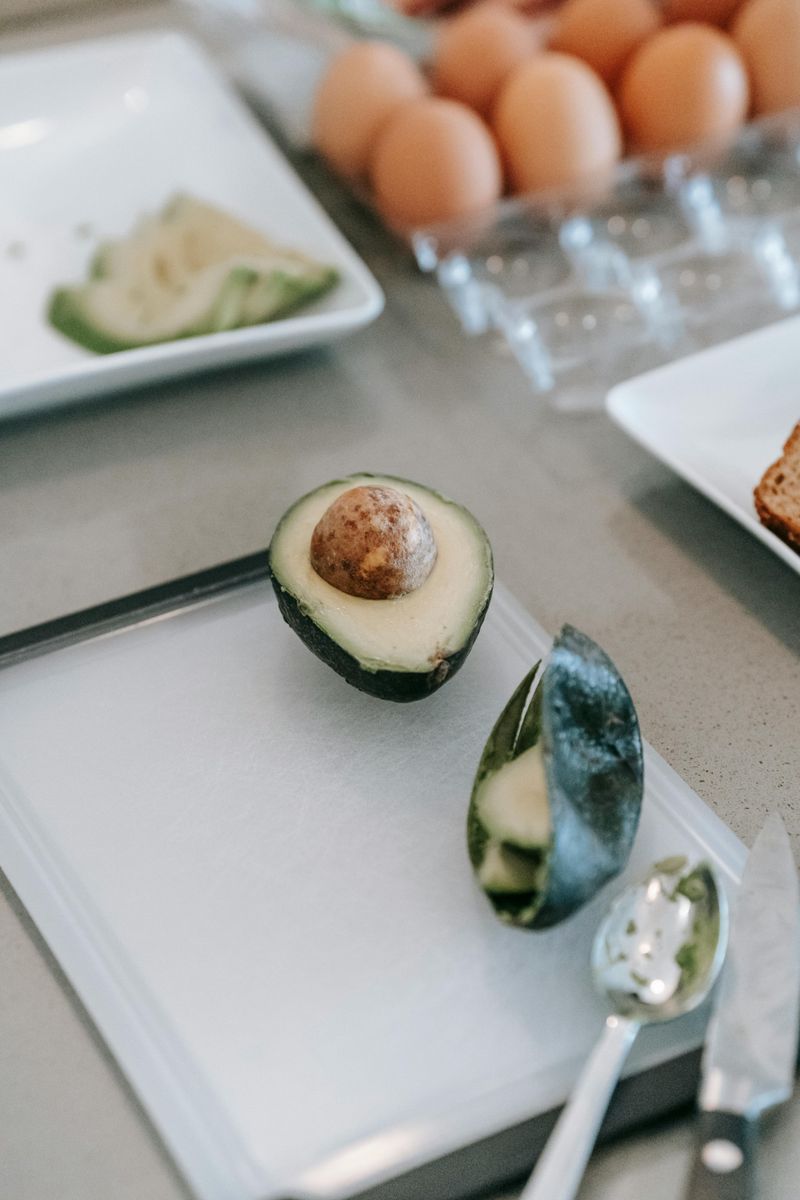
Every slice and chop on a plastic cutting board creates tiny valleys that become bacteria hotels.
Once those grooves get deep enough, no amount of scrubbing will get them truly clean.
Harmful bacteria like E. coli and Salmonella love settling into these knife marks.
They multiply quickly and can transfer to fresh ingredients during your next meal prep session.
If you can feel rough grooves with your fingers, the board has reached the end of its safe life.
Replace it with a new plastic board or switch to wood, which naturally fights bacteria.
Always use separate boards for raw meat and vegetables.
5. Old Kitchen Sponges
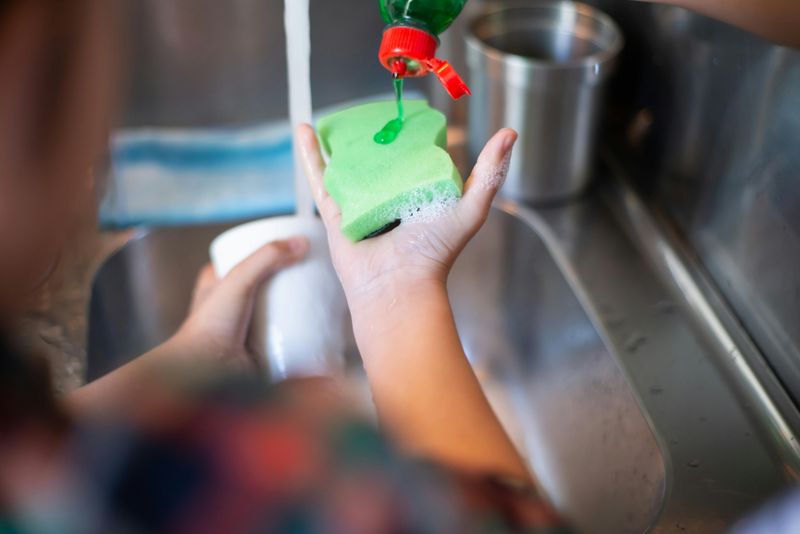
That innocent-looking sponge by your sink is probably the dirtiest thing in your entire house.
Scientists have found that kitchen sponges harbor more bacteria than toilet seats, including dangerous germs that cause food poisoning.
Warm, damp conditions make sponges the perfect breeding ground for millions of microbes.
Simply rinsing them doesn’t kill these germs—you’re just spreading them around your dishes and counters.
If your sponge smells funky or looks discolored, bacteria have taken over.
Replace sponges every week or two, or switch to dishcloths you can wash in hot water.
Your health is worth more than saving a dollar.
6. Expired Spices and Cooking Oils
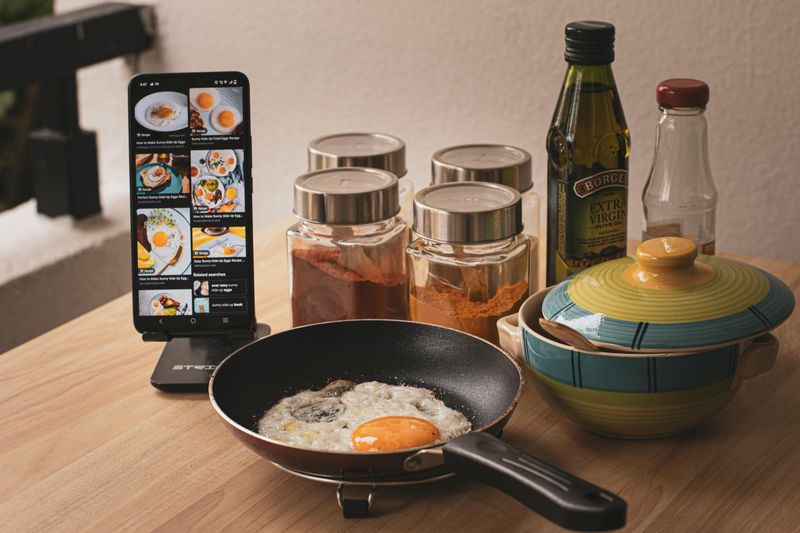
Those ancient spices hiding in the back of your cabinet aren’t just losing flavor—they could be growing mold.
Ground spices typically stay fresh for only two to three years, while whole spices last around four years.
Cooking oils go rancid after their expiration date, developing harmful compounds that taste terrible and can upset your stomach.
Rancid oil smells like crayons or old nuts and ruins every dish you make.
Check dates on all your bottles and jars right now.
Toss anything past its prime and organize what remains so you can see everything clearly.
Fresh seasonings make food taste better anyway.
7. Mismatched Storage Container Lids
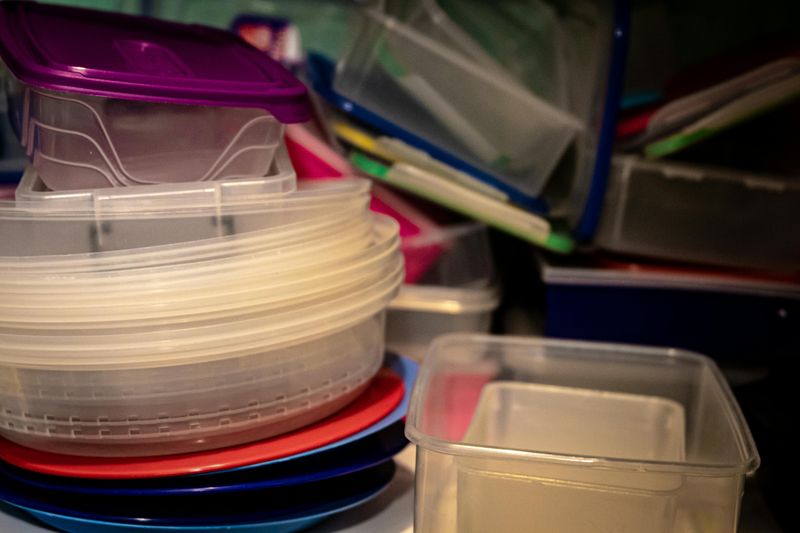
Containers without proper lids are basically useless for food safety.
When lids don’t seal tightly, air gets in and allows bacteria to grow on your stored food much faster than it should.
Loose-fitting lids also lead to spills and leaks inside your refrigerator, creating cross-contamination risks.
Food stays fresh only when properly sealed from outside air and moisture.
Go through your storage collection and match every container with its correct lid.
Recycle any orphaned pieces that don’t have partners.
Investing in a matching set with reliable seals prevents waste and keeps your family safer from foodborne illness.
8. Unused Small Appliances
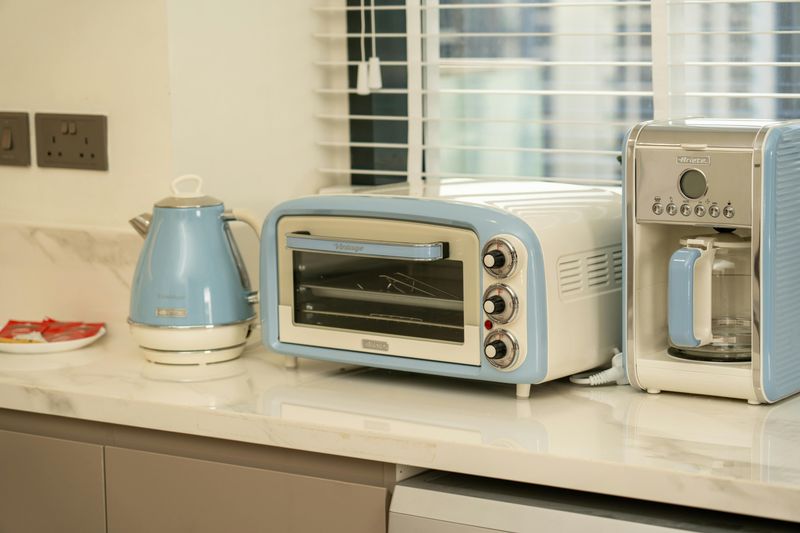
That bread maker collecting dust for three years isn’t just wasting space—it’s becoming a health hazard.
Unused appliances gather dust, grease, and potentially mold in their crevices and electronic parts.
When appliances sit idle for months, bugs and pests sometimes make homes inside them.
The dust buildup can also trigger allergies and breathing problems for sensitive family members.
Be honest about what you actually use regularly.
If you haven’t touched an appliance in over a year, donate it to someone who will use it properly.
A cleaner, more organized kitchen with only functional tools is safer and less stressful to work in daily.
9. Damaged Glassware and Mugs
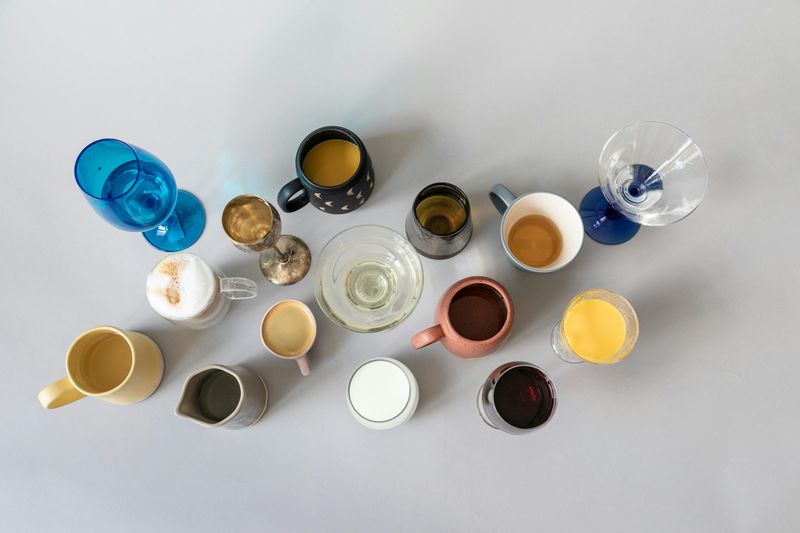
Even tiny chips on glass rims can slice your lips or tongue without warning.
These sharp edges are especially dangerous for children who might not notice the damage before taking a drink.
Cracks in glassware create the same bacteria-trapping problems as cracked ceramic dishes.
Invisible germs hide in these fractures and contaminate every beverage you pour.
Inspect every glass and mug by running your finger carefully around the rim.
Any rough spots or visible damage means immediate disposal.
Glassware is inexpensive to replace, but injuries and infections from damaged pieces can cost you much more in medical bills and discomfort.
Comments
Loading…