
 Mila Ross
Living with chronic pain is something millions of people deal with every single day, but most people on the outside have no idea what it truly feels like. The term “Spoonie” comes from Christine Miserandino’s Spoon Theory, which uses spoons as a way to measure daily energy when you have a chronic illness.
If you’ve ever had to carefully plan your whole day around how much energy you have, you might already know exactly what this means. Here are 11 relatable signs that you might be a Spoonie living with chronic pain.
1. Canceling Plans Feels Like a Full-Time Job

You said yes when you felt okay.
But now the day has arrived and your body has other plans entirely.
Sound familiar?
Canceling on friends and family is one of the most emotionally exhausting parts of living with chronic pain.
It is not that you do not want to go.
You genuinely want to be there.
But pushing through can mean paying for it with days of extra pain and fatigue afterward.
Over time, many Spoonies develop what some call “cancel guilt.” Learning to communicate openly with loved ones about your limits can slowly make this feel less heavy.
2. You Have a Pharmacy’s Worth of Medications at Home
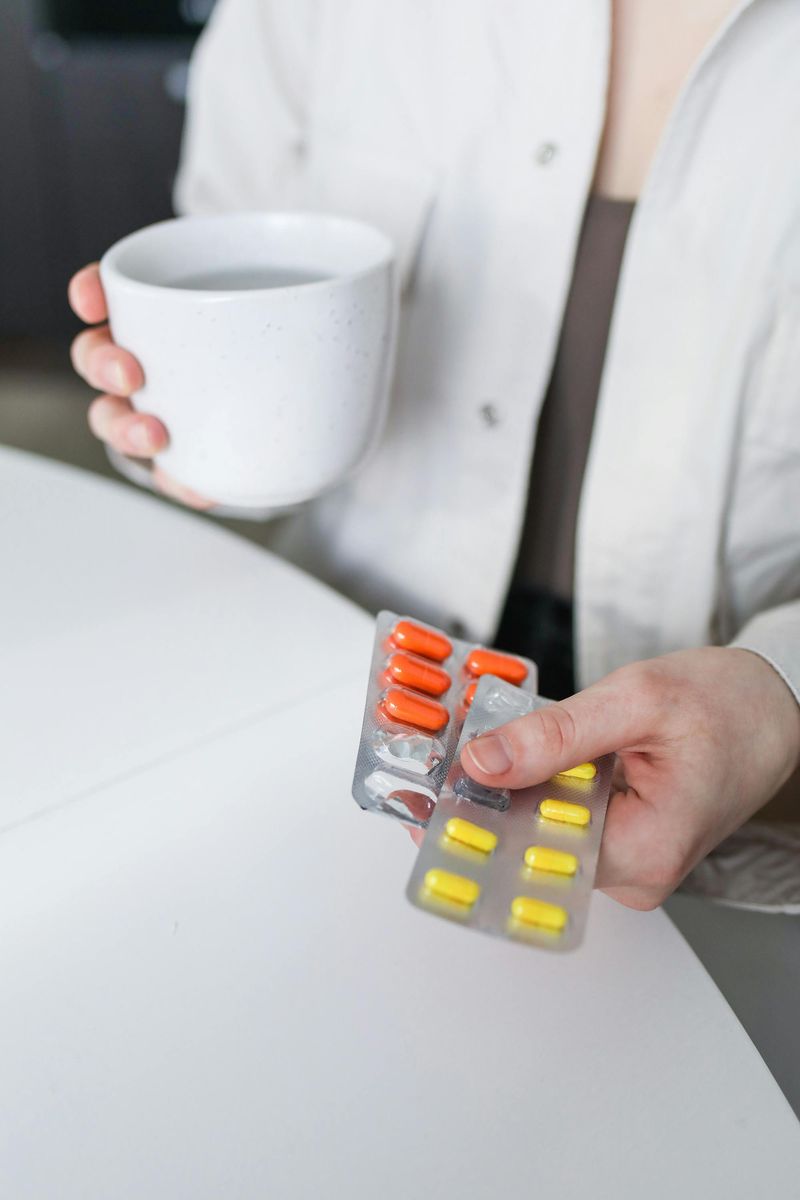
Your medicine cabinet looks like a small drugstore, and keeping track of what to take, when to take it, and whether you took it already is practically a part-time job.
Pill organizers are not just for elderly people anymore.
Managing multiple medications for pain, inflammation, sleep, or nerve issues is completely normal for Spoonies.
Each prescription comes with its own side effects to manage, which sometimes means adding even more medications to the mix.
Staying organized with a written or digital tracker can make a real difference in staying on top of your treatment plan without the daily stress.
3. Weather Changes Hit You Before the Forecast Does

Forget checking your weather app.
Your joints already told you it was going to rain three days ago.
Many people with chronic pain conditions like fibromyalgia or arthritis notice a strong connection between weather shifts and increased pain levels.
Changes in barometric pressure are believed to affect how tissues and nerves respond in the body, though researchers are still studying exactly why.
What Spoonies know for sure is that cold fronts and storms often bring unwelcome flares.
Some even joke that they are more accurate than meteorologists.
It would be funnier if it did not hurt so much.
4. Brain Fog Makes Simple Tasks Feel Overwhelming

You walked into the kitchen for something important.
Now you are standing there with absolutely no idea what it was.
Brain fog is a very real and frustrating symptom that many Spoonies experience alongside physical pain.
It can make it hard to find words, follow conversations, remember appointments, or even complete simple tasks like reading a short paragraph.
It is not laziness, and it is not imagined.
It is a neurological effect tied to chronic illness and poor sleep.
Keeping to-do lists, setting phone reminders, and being patient with yourself on foggy days can help you navigate life a little more smoothly.
5. You Know Every Comfortable Sitting Position Possible

Ergonomics is not just a fancy office word for you.
It is a survival strategy.
You have mastered the art of stacking pillows, adjusting chair heights, and finding the exact angle that keeps your back from screaming at you after ten minutes.
Spoonies often develop a deep knowledge of their own body mechanics out of pure necessity.
You know which positions flare your pain and which ones buy you a little extra time before things get uncomfortable.
Investing in a good lumbar support cushion or adjustable seat can genuinely change your daily comfort level more than most people would expect.
6. You Feel Like You Have to Justify How Sick You Are

“But you don’t look sick.” Those four words carry a surprising amount of sting.
Invisible illnesses are incredibly common among Spoonies, which means many people around you simply cannot see what you are going through.
This often leads to over-explaining, over-apologizing, or feeling pressure to prove that your pain is real and serious.
It is exhausting on top of already being exhausted.
You should never have to convince someone that your experience is valid.
Finding a supportive community, whether online or in person, can be a powerful reminder that you are believed, understood, and absolutely not alone in this.
7. Rest Days Are Non-Negotiable, Not Optional

Pushing through the pain might sound brave, but for Spoonies, it often leads to a painful payback period called a flare.
Rest is not giving up.
It is a strategic, necessary part of managing a chronic condition.
Learning to listen to your body and honor its signals takes time, especially in a world that glorifies being busy all the time.
But protecting your energy is one of the most powerful tools you have.
Scheduling real rest into your week, the same way you would schedule a doctor’s appointment, helps shift it from a guilty indulgence into a legitimate and respected part of your health routine.
8. You Research Your Condition More Than Your Doctor Expects

Living with chronic pain has a way of turning you into an amateur researcher practically overnight.
When answers are hard to come by and appointments are short, many Spoonies turn to medical journals, patient forums, and advocacy websites to fill in the gaps.
This is not distrust of doctors.
It is self-advocacy in action.
Understanding your own condition helps you ask better questions and push for more targeted care.
Some healthcare providers actually appreciate informed patients.
Coming to appointments with notes and specific questions can lead to more productive conversations and better outcomes for your overall treatment plan.
9. You Have Found Unexpected Strength in Your Struggle

Here is the thing about carrying something heavy every day: it builds a kind of strength most people never have to find.
Spoonies develop resilience, empathy, and a deep appreciation for small good moments that others might walk right past.
A pain-free afternoon becomes a celebration.
A productive morning feels like a victory.
These small wins matter enormously when you know how rare they can be.
Living with chronic pain is genuinely hard, and no one should pretend otherwise.
But many Spoonies find that their experience also opens doors to meaningful connections, creative coping, and a fierce sense of self-awareness that truly changes their lives.
Comments
Loading…