
 Mila Ross
Your liver is the ultimate behind-the-scenes worker, filtering toxins, processing nutrients, and keeping your metabolism running smoothly.
Because it is so resilient, it can take years to notice when daily habits are quietly wearing it down.
One of the easiest places trouble can hide is in your cup, since many popular beverages deliver alcohol, excess sugar, or stimulants that push the liver to work overtime.
That does not mean you need to panic over every sip, but it does mean it is smart to recognize patterns that add up fast.
If you drink several of these regularly, small swaps can reduce the load on your liver without making life feel restrictive.
Use this list as a reality check, not a guilt trip, and focus on choosing what supports your long-term health most days of the week.
1. Alcohol (even “just a glass”)

Many people think moderate sipping is harmless, but the liver still has to prioritize breaking down alcohol before anything else.
When alcohol shows up often, your liver spends more time processing toxins and less time handling everyday jobs like regulating blood sugar and storing nutrients.
Over time, regular drinking can contribute to fat buildup in the liver, inflammation, and eventually scarring if the pattern continues.
Mixed drinks can be especially sneaky, because added sugar in juices, sodas, or syrups increases the metabolic burden.
“Only on weekends” can also add up if those weekends involve multiple drinks in a short window.
If you want to cut back without feeling deprived, try alternating with sparkling water, choosing smaller pours, and planning alcohol-free days that give your liver a real break.
2. Sugar-sweetened soda

Sweet fizzy drinks can look innocent, but the liver takes a direct hit from the flood of added sugar.
When you regularly consume high amounts of sugar, especially fructose-heavy sweeteners, the liver converts more of it into fat.
That process can promote fatty liver changes over time, even for people who do not drink much alcohol.
Liquid sugar is also easy to overdo because it does not fill you up the way food does.
Frequent soda intake may also contribute to weight gain and insulin resistance, which can further strain liver function.
If you crave carbonation, swap to seltzer with citrus, mix half soda with sparkling water, or choose an unsweetened option so you still get the bubbly experience without the sugar load.
3. Energy drinks
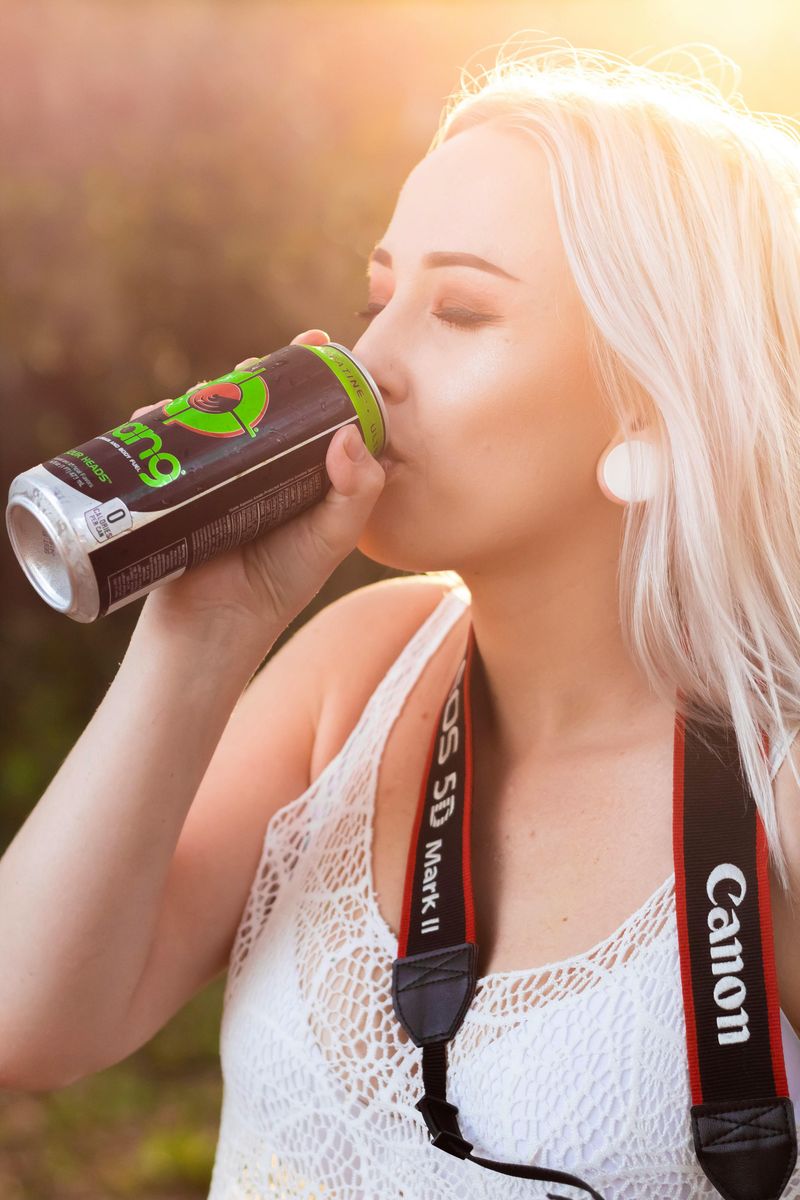
A quick boost in a can can come with ingredients that make the liver work harder than you might expect.
Many energy drinks combine high doses of caffeine with large amounts of sugar, plus herbal additives that are not always gentle in excess.
Some products also contain high levels of niacin, a B vitamin that can be harmful to the liver when consumed in very large doses.
Drinking these frequently can create a cycle of energy spikes and crashes that encourages more caffeine and more sugar.
The combination may also worsen dehydration, especially if you use energy drinks during workouts or long nights out.
If you need steady energy, consider coffee or tea without heavy sweeteners, and prioritize protein, water, and sleep so you are not relying on a liver-taxing shortcut every afternoon.
4. Sweetened iced tea and bottled tea drinks
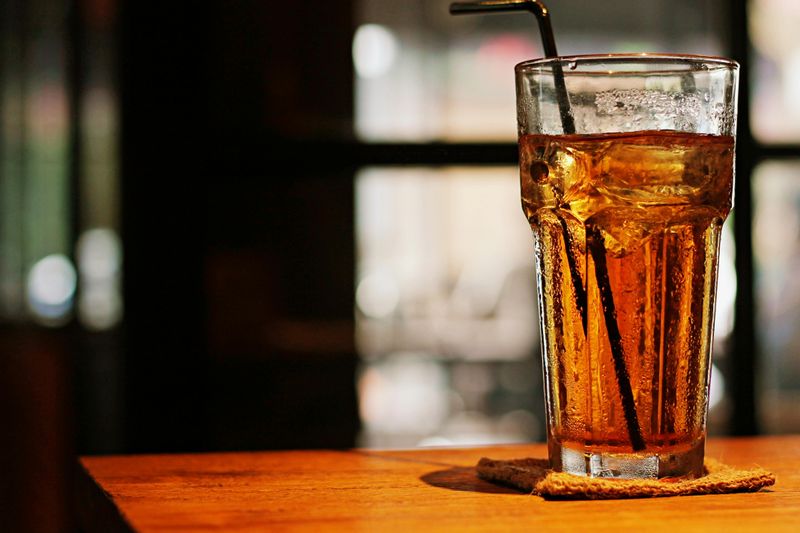
Bottled teas often wear a “health halo,” but many are basically soda with a tea label.
The problem is not the tea itself, but the added sugars and syrups that can turn a light drink into a dessert.
When you sip sweet tea all day, your liver has to process repeated sugar hits that can contribute to fat buildup and inflammation over time.
Some versions also include flavor concentrates that encourage you to drink more because they taste so smooth and easy.
Portion size matters too, because a large bottle can deliver far more sugar than you would ever add at home.
For a better option, brew your own iced tea, sweeten lightly with fruit, or choose unsweetened bottled tea and add lemon so you keep the ritual without the sugar overload.
5. Fruit juice and “juice cocktails”
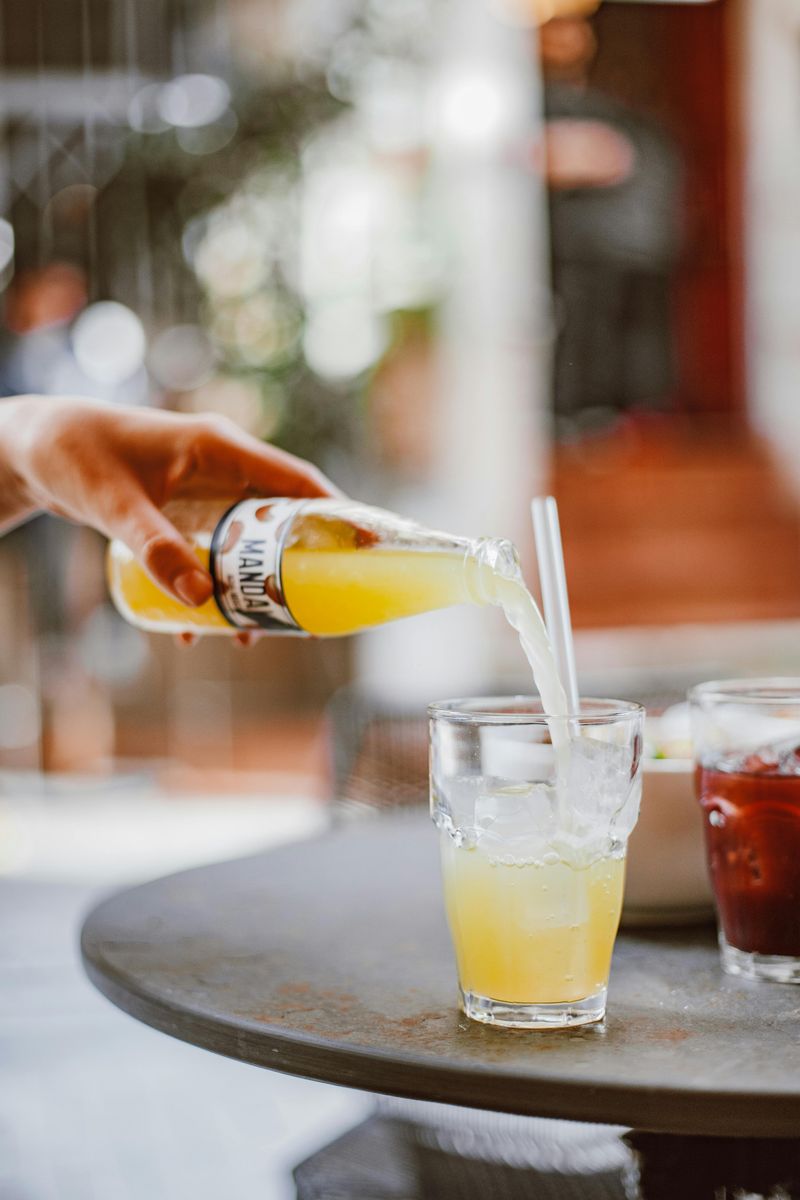
Fruit juice sounds wholesome, but it can deliver a surprisingly intense dose of sugar in a form your body absorbs quickly.
Even when the sugar is “natural,” the liver still has to process it, and juicing removes much of the fiber that would slow the rise in blood sugar.
Juice cocktails can be even worse because they often add extra sweeteners while using only a small percentage of real juice.
Drinking juice regularly can make it easier to exceed your daily sugar intake without realizing it.
That pattern may contribute to weight gain and insulin resistance, both of which increase the risk of fatty liver changes.
If you love juice, try diluting it with water or sparkling water, choosing smaller servings, or eating whole fruit instead so your liver gets less sugar and your body gets more fiber.
6. Flavored coffee drinks and bottled frappes
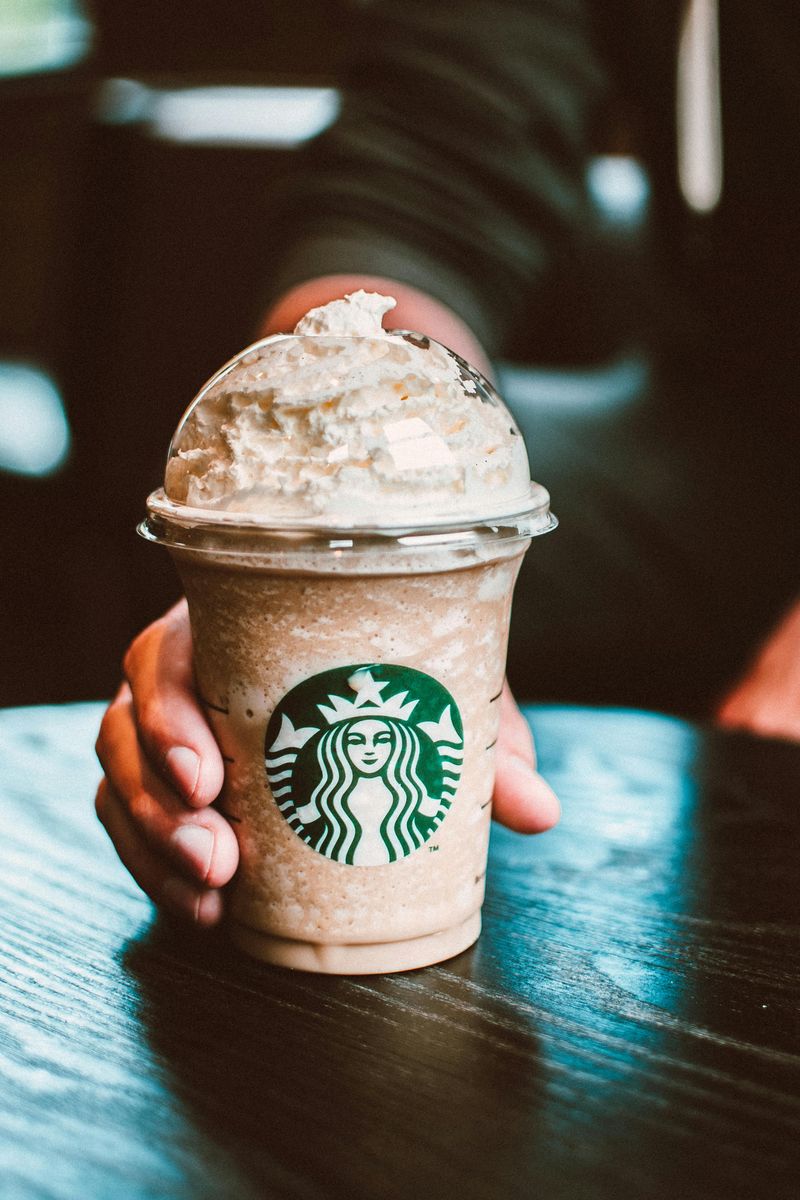
Coffee can be a great habit, but many popular café-style drinks are closer to milkshakes than morning fuel.
The liver has to deal with the combination of added sugar, flavored syrups, whipped toppings, and sometimes sweetened creamers.
Because these drinks are easy to sip quickly, you can consume a large amount of sugar without feeling like you ate anything substantial.
Some bottled versions also contain stabilizers and extra additives that make them taste rich while encouraging frequent purchases.
If you drink these daily, the repeated sugar and calorie surplus can increase the risk of fatty liver issues over time.
For a liver-friendlier option, choose plain coffee, add a splash of milk, use cinnamon or vanilla extract for flavor, and save the dessert-style drinks for occasional treats.
7. Sports drinks and “electrolyte” beverages with added sugar

Electrolyte drinks are marketed as essential, but many people do not need them for everyday hydration.
Unless you are doing long, intense workouts or sweating heavily for extended periods, the added sugar can be unnecessary and hard on your liver.
Frequent use can quietly raise your sugar intake in the same way soda does, especially if you sip them like water.
Some brands also include bright flavorings that make them feel refreshing, which can lead to larger portions than intended.
The liver then has to process that extra sugar repeatedly, which may contribute to fat accumulation over time.
If you want electrolytes without the sugar hit, choose lower-sugar options, look for unsweetened electrolyte powders, or stick with water and a balanced diet that already provides sodium and potassium.
Comments
Loading…