
 Hailey Watson
15 Popular Healthy Eating Beliefs That Turn Out to Be Wrong

We all want to eat better and stay healthy, but sometimes the advice we hear can be totally misleading.
Many popular beliefs about nutrition sound true but are actually myths that might be hurting more than helping.
Understanding what’s fact and what’s fiction can make a real difference in how you fuel your body and feel every day.
1. All Carbs Are Your Enemy

For years, people have been told to avoid carbohydrates if they want to lose weight or stay healthy.
But here’s the thing: your body actually needs carbs for energy to power through the day, from homework to sports practice.
The real problem isn’t carbs themselves but the type you choose.
Refined carbs like white bread and sugary snacks can spike your blood sugar quickly.
Complex carbs from whole grains, fruits, and vegetables provide steady energy and important nutrients your body craves.
So next time someone tells you carbs are bad, remember it’s all about making smarter choices, not cutting them out completely.
2. Going Vegetarian Automatically Makes You Healthier
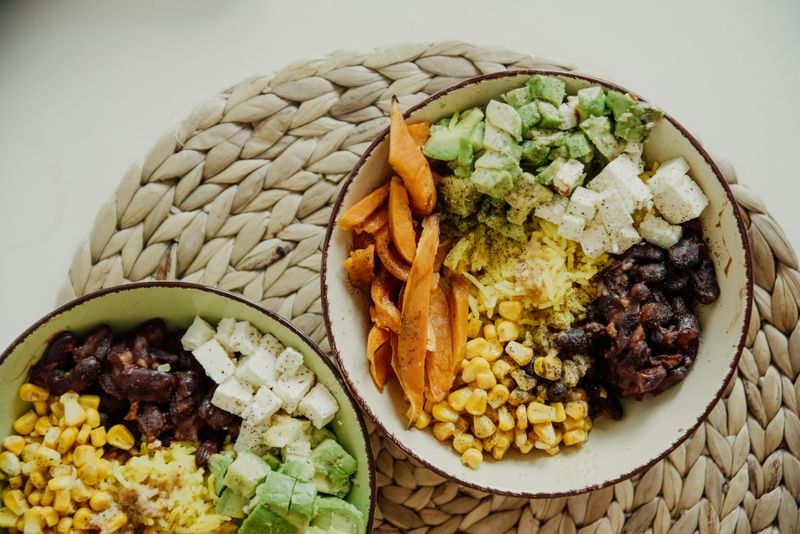
Just because someone skips meat doesn’t mean they’re eating a nutritious diet.
You could live on french fries, potato chips, and cookies and still call yourself vegetarian, but that wouldn’t be very healthy at all!
A truly balanced vegetarian diet requires careful planning to get enough protein, iron, vitamin B12, and other essential nutrients.
Some people load up on processed vegetarian foods that are high in salt, sugar, and unhealthy fats.
Whether you eat meat or not, the key is choosing whole, minimally processed foods and ensuring you get all the nutrients your body needs to thrive.
3. Kale Is Packed with Protein
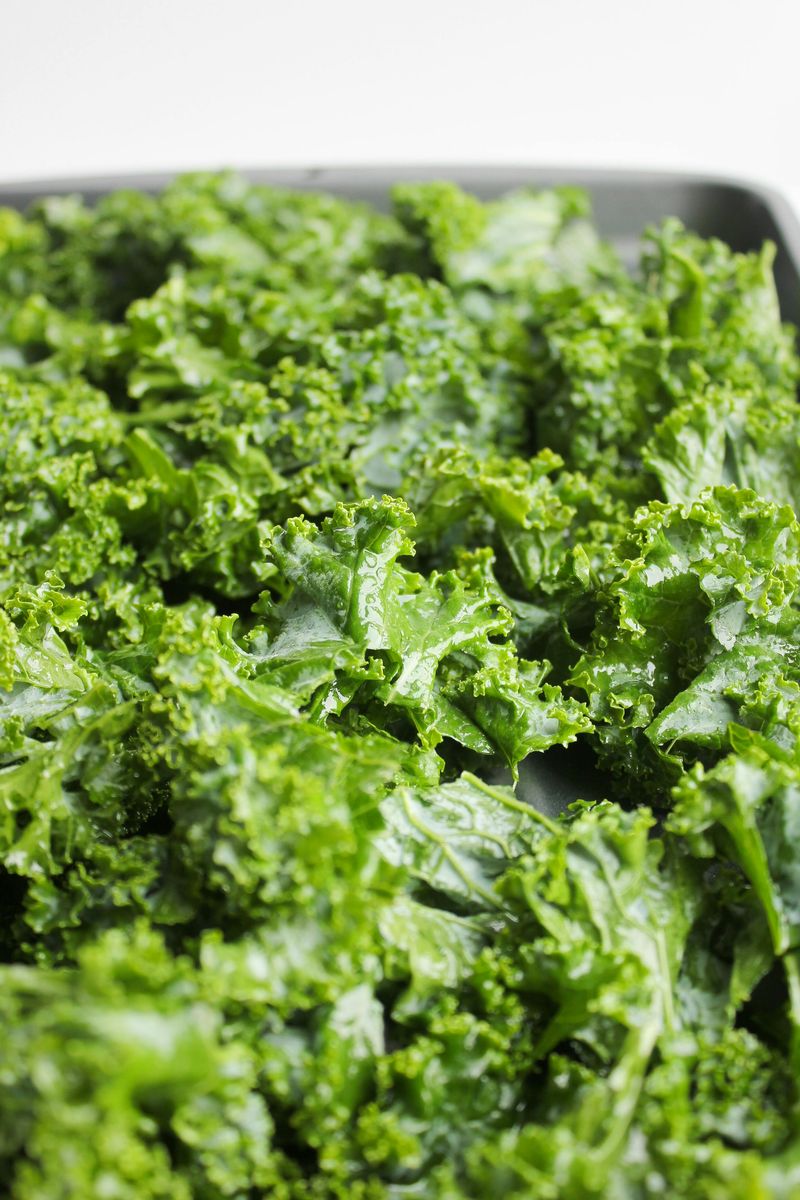
Kale has become super trendy, with people calling it a superfood and claiming it can do almost anything.
While kale is definitely nutritious and loaded with vitamins, the protein claim doesn’t hold up under scrutiny.
One cup of chopped kale contains only about three grams of protein.
That’s way less than what you’d get from chicken, beans, or even a glass of milk.
You’d need to eat mountains of kale to meet your daily protein requirements.
Enjoy kale for its vitamins A, C, and K, plus its fiber content, but look to other sources when you need serious protein power for building muscles.
4. Eating Fat Will Make You Fat
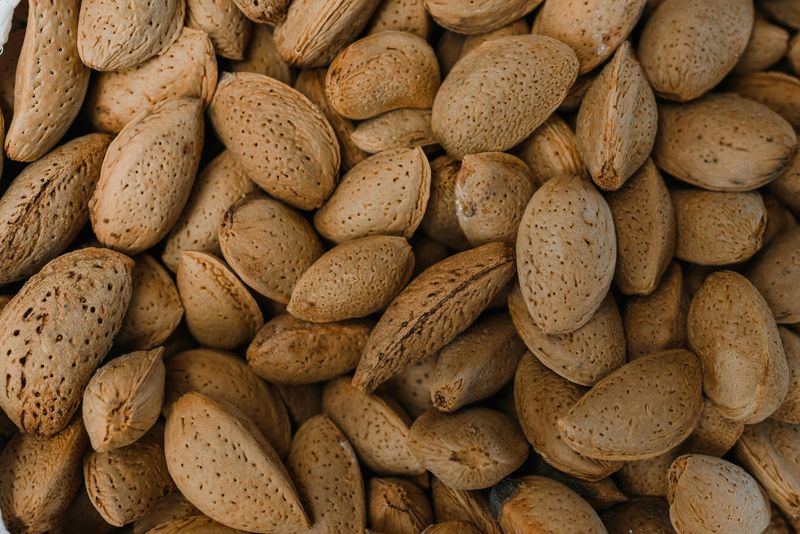
This myth has been around forever, making people fear avocados, nuts, and olive oil.
The truth?
Healthy fats are actually essential for your brain, hormones, and even absorbing certain vitamins properly.
Your body needs fat to function correctly, and eating the right kinds can actually help you feel full longer, preventing overeating.
Foods like salmon, almonds, and avocados contain fats that support heart health and overall wellness.
The real culprits behind weight gain are usually excess calories from any source and too much processed food.
Moderate amounts of healthy fats are your friend, not your enemy.
5. Eating Late at Night Causes Weight Gain

Many people believe that eating after 8 PM automatically turns food into fat while you sleep.
This sounds logical but doesn’t match what science actually tells us about metabolism and weight.
Weight gain happens when you consume more calories than you burn over time, regardless of when you eat them.
If you’re hungry before bed and it fits your daily calorie needs, having a healthy snack won’t sabotage your health goals.
What matters more is what you eat and how much, not the clock on the wall.
Late-night eating only becomes a problem when it leads to mindless snacking on junk food.
6. Detox Diets Cleanse Your Body

Juice cleanses and detox teas promise to flush out toxins and reset your system, but your body already has professional cleaners working around the clock.
Your liver and kidneys are incredibly efficient at removing waste and keeping you healthy.
No special drink or restrictive diet can do this job better than your own organs.
Many detox products are just expensive marketing gimmicks that can actually deprive your body of important nutrients.
Instead of wasting money on detox plans, support your natural cleansing systems by drinking plenty of water, eating fiber-rich foods, and getting enough sleep every night.
7. Gluten-Free Foods Are Healthier for Everyone

Walk into any grocery store and you’ll see gluten-free labels everywhere, suggesting these products are somehow superior.
Unless you have celiac disease or genuine gluten sensitivity, avoiding gluten offers no health benefits.
Whole grains that contain gluten provide valuable fiber, B vitamins, and minerals that your body needs.
Many gluten-free products are actually more processed and contain less fiber than their regular counterparts.
Going gluten-free without medical reason might mean missing out on nutritious foods.
If you don’t have a diagnosed condition, there’s no reason to jump on this expensive bandwagon.
8. Eggs Raise Your Cholesterol Dangerously

Eggs got a bad reputation decades ago when scientists thought dietary cholesterol directly raised blood cholesterol levels.
Modern research tells a completely different story that egg lovers will appreciate.
For most people, eating eggs doesn’t significantly impact blood cholesterol at all.
Eggs are actually nutritional powerhouses, packed with high-quality protein, vitamins D and B12, and minerals your body uses daily.
The cholesterol in your blood comes mainly from your liver’s production, not from the foods you eat.
Enjoy your morning omelet without guilt, knowing eggs can be part of a perfectly healthy diet.
9. Natural Sugars Are Healthier Than Regular Sugar

Honey, agave, and maple syrup sound so much healthier than plain white sugar, right?
Marketing wants you to think so, but your body processes all sugars in remarkably similar ways.
Whether sugar comes from a beehive or a processing plant, consuming too much can lead to weight gain, tooth decay, and blood sugar spikes.
Natural sugars might contain trace minerals, but the amounts are too small to make a real nutritional difference.
The bottom line is watching your total sugar intake from all sources matters most.
Don’t fool yourself into thinking natural sweeteners give you a free pass to overindulge.
10. All Red Meat Is Bad for You

Red meat often gets lumped into one unhealthy category, but not all red meat is created equal.
Lean, unprocessed cuts like sirloin or tenderloin can absolutely fit into a nutritious eating plan.
The real concerns arise with processed meats like hot dogs, bacon, and deli meats, which contain preservatives and high sodium levels.
Eating massive portions of any meat regularly isn’t ideal, but moderate amounts of quality red meat provide iron, zinc, and B vitamins.
Choose grass-fed options when possible, watch your portion sizes, and balance meat with plenty of vegetables for the best nutritional approach.
11. Fat-Free Foods Help You Lose Weight

The fat-free craze of the 1990s convinced millions that removing fat from foods was the secret to staying thin.
Food manufacturers jumped on board, but they had to replace that fat with something to make products taste good.
Often, fat-free products are loaded with extra sugar, salt, or artificial ingredients to compensate for the missing flavor.
These additions can actually pack in more calories than the original full-fat versions.
Fat-free doesn’t mean calorie-free or healthy.
Reading nutrition labels carefully and choosing minimally processed foods serves you much better than blindly grabbing anything labeled fat-free.
12. Microwaving Destroys Nutrients in Food

Some people refuse to use microwaves, believing they zap all the goodness out of food.
Actually, microwaving is one of the best cooking methods for preserving nutrients in your meals.
Because microwaves cook food quickly and often require less water than boiling or steaming, fewer vitamins and minerals get lost in the process.
Methods that use high heat for long periods or lots of water tend to destroy more nutrients.
Your microwave is perfectly safe and can help you prepare nutritious meals in minutes.
Don’t let this myth keep you from using a convenient kitchen tool.
13. Superfoods Will Transform Your Health

Acai berries, spirulina, goji berries—the superfood list keeps growing, with each one promising miraculous health benefits.
While these foods are certainly nutritious, no single ingredient can magically fix your health.
Your body thrives on variety, needing dozens of different vitamins, minerals, and nutrients from many food sources.
Spending tons of money on exotic superfoods while ignoring basic nutrition principles won’t get you very far.
A balanced diet filled with regular fruits, vegetables, whole grains, and lean proteins beats obsessing over trendy superfoods any day.
Save your money and focus on overall eating patterns instead.
14. Skipping Meals Helps You Lose Weight
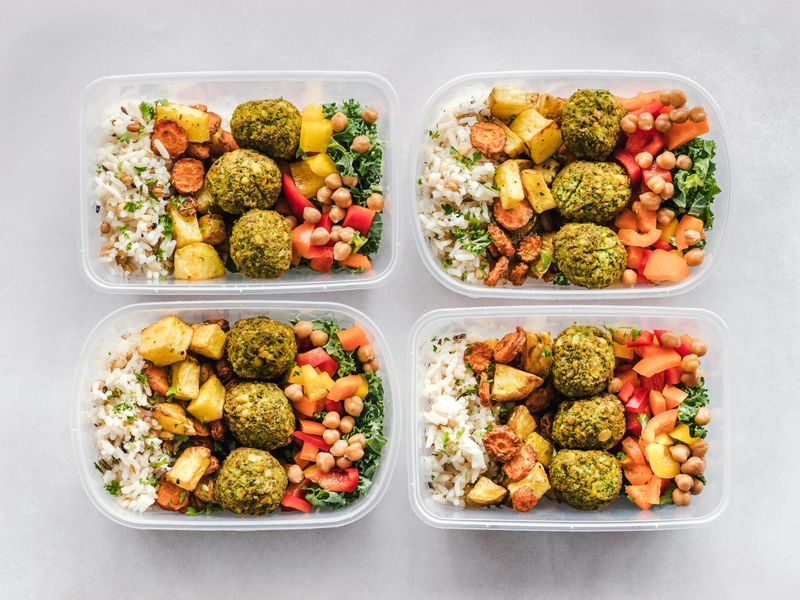
It seems logical that eating less often would mean consuming fewer calories, but your body doesn’t work quite that simply.
Skipping meals often backfires, leaving you so hungry that you overeat later.
Going too long without food can also slow down your metabolism as your body tries to conserve energy.
Regular, balanced meals keep your metabolism steady and prevent the extreme hunger that leads to poor food choices.
Instead of skipping breakfast or lunch, focus on eating reasonable portions of nutritious foods throughout the day.
Your energy levels and waistline will thank you for the consistent fuel.
15. Brown Sugar Is Better Than White Sugar

Brown sugar looks more natural and wholesome sitting in your pantry, so it must be healthier, right?
Unfortunately, the difference between brown and white sugar is almost meaningless nutritionally.
Brown sugar is simply white sugar with molasses added back in, giving it color and a slightly different flavor.
The tiny amount of minerals from molasses is so small it makes no real impact on your health.
Both types should be used sparingly because they affect your body in nearly identical ways.
Don’t let the darker color fool you into thinking brown sugar deserves a health halo it hasn’t earned.
Comments
Loading…