
 Chloe Peterson
12 Sneaky Signs Your Stress Is Showing Up in Your Body

Stress does not always show up as a dramatic meltdown or a big life crisis.
More often, it sneaks into your body in subtle ways that are easy to dismiss, explain away, or blame on something else.
You might call it “just getting older,” “sleeping wrong,” or “having a sensitive stomach,” while your nervous system is quietly waving a red flag.
Because these symptoms can feel random, many people treat them one at a time without connecting the dots.
When you start noticing patterns, though, you can respond earlier and keep stress from stacking up into bigger problems.
Below are twelve surprisingly common physical signs that your stress might be leaking into your everyday health.
1. Tension headaches that feel “normal” now
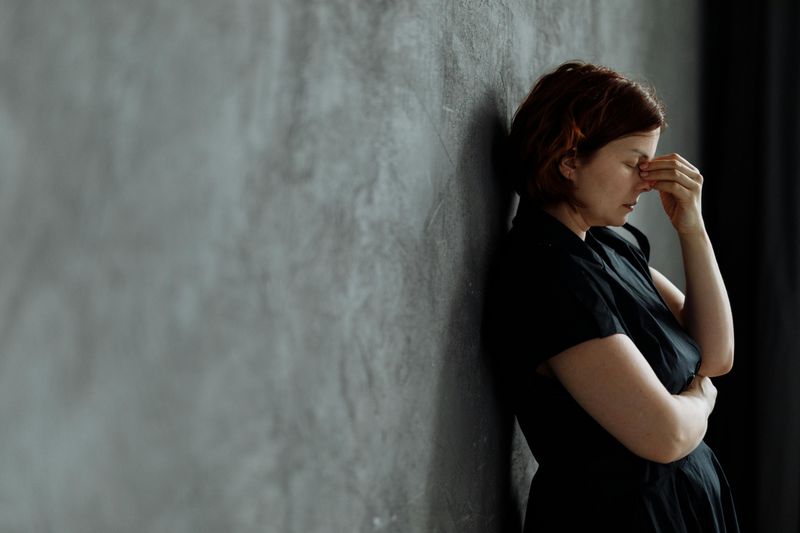
A dull, tight pressure around your forehead or temples can be your body’s way of signaling overload.
These headaches often creep in during busy weeks, long screen sessions, or when you are holding tension in your neck and shoulders all day.
You may notice that pain medicine helps temporarily, but the ache returns as soon as your to-do list ramps up again.
Stress can keep your muscles subtly contracted, which reduces blood flow and sets the stage for that familiar band-like feeling.
If you catch yourself lifting your shoulders toward your ears or squinting at your screen, your posture may be feeding the cycle.
A few minutes of slow breathing, gentle neck stretches, and a short walk can sometimes interrupt the pattern before it escalates.
If headaches are severe, new, or increasing, it is worth checking in with a healthcare professional to rule out other causes.
2. Jaw pain, tooth sensitivity, or cracked fillings
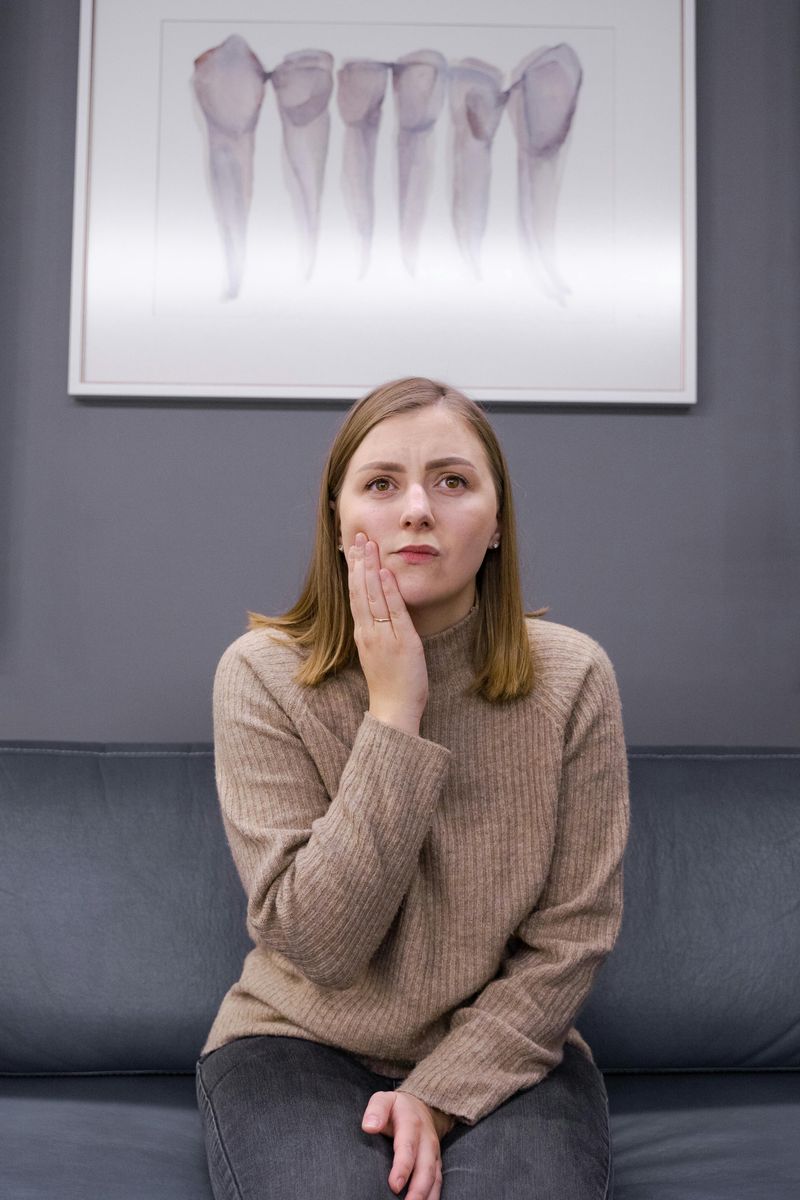
A sore jaw in the morning can be a clue that your stress has been working the night shift.
Clenching your teeth during the day or grinding at night may happen so quietly that you do not realize it until your jaw feels tight or your teeth feel tender.
Some people notice clicking near the ear, headaches that start at the temples, or a stiff feeling when they yawn.
Stress primes your body for “fight or flight,” and the jaw is one of the most common places that tension gets stored.
Caffeine, poor sleep, and rushing through meals can also make clenching worse, which is why it often spikes during hectic seasons.
A dentist can spot wear patterns and may suggest a night guard if grinding is damaging your teeth.
For everyday relief, try relaxing your jaw with a gentle “lips together, teeth apart” check-in several times a day.
3. Random stomach issues (bloating, cramps, nausea)

Digestive drama that feels unpredictable can be stress showing up through your gut-brain connection.
Your stomach and intestines are packed with nerves, so when your mind is under pressure, your digestion can speed up, slow down, or become extra sensitive.
You might feel bloated after meals that never bothered you before, or you may get cramps when you are anxious about an upcoming conversation.
Stress can also change how you eat, making you swallow more air, rush through meals, or reach for foods that irritate your system.
Some people notice a pattern of nausea before meetings, during travel, or on days that feel emotionally heavy.
Keeping a quick symptom note alongside stressful events can reveal a clearer trigger than any single “bad” food.
If symptoms are persistent, severe, or paired with weight loss or blood, a clinician should help you rule out medical causes.
4. Heartburn that comes out of nowhere

A burning feeling in your chest after eating is not always just about what was on your plate.
Stress can make reflux worse by changing digestion, increasing muscle tension, and nudging habits like fast eating or late-night snacking.
You may notice it hits hardest on deadline weeks, after conflict, or when you are running on coffee instead of real meals.
Even when the food is the same, the way you eat under stress can be different, which affects your stomach pressure and timing.
Lying down soon after dinner, eating while distracted, or scarfing food between tasks can all contribute to that uncomfortable flare.
Small changes like sitting upright after meals, slowing down, and cutting back on triggers can help, especially when life is intense.
If heartburn is frequent, painful, or waking you up at night, it is smart to talk with a healthcare provider for guidance.
5. Skin flare-ups you can’t “product” your way out of

Breakouts, rashes, or itchy patches can be your body’s way of broadcasting stress on the outside.
When you are under pressure, your hormones and inflammatory response can shift, which may trigger acne, eczema, hives, or redness.
You might try new products and still see your skin rebel, especially during emotionally draining weeks or high-stakes seasons.
Stress can also lead to more face-touching, picking, or disrupted sleep, which makes healing slower and irritation more likely.
For some people, flare-ups have a clear pattern around big events, late nights, or constant multitasking.
A gentle routine, consistent moisturizing, and avoiding harsh “fix everything” products can keep the situation from getting worse.
If you have persistent rashes, swelling, or painful symptoms, a dermatologist can help you figure out whether stress is the trigger or just the amplifier.
6. Hair shedding more than usual

More strands in your brush can be unsettling, especially when it seems to come out of nowhere.
Stress can push hair follicles into a resting phase, which may lead to increased shedding weeks or even months after a difficult period.
You might notice extra hair in the shower drain, a thinner ponytail, or more shedding when you run your fingers through your hair.
Because the timing is delayed, it is easy to miss the link between the stressful season and what you are seeing now.
Nutrient gaps, illness, and hormonal shifts can also contribute, which is why it helps to look at the full picture.
Prioritizing sleep, protein, and steady routines can support regrowth, even if results take time to show.
If shedding is heavy or lasting, a clinician can check for iron, thyroid, and other common contributors that are treatable.
7. Twitches, eye fluttering, or “restless” muscles
Small muscle twitches can feel weirdly dramatic even when they are not dangerous.
An eyelid flutter, a jumping calf muscle, or an unshakeable leg bounce can happen when your nervous system is stuck in overdrive.
Stress often teams up with fatigue and caffeine, which makes these little spasms more likely and more annoying.
You may notice it peaks after long screen time, late nights, or when you are constantly switching between tasks without real breaks.
Dehydration and low magnesium can also play a role, so your body may be asking for basics as much as relief.
A short reset like stepping outside, stretching, and drinking water can calm the sensation more than you expect.
If twitching is persistent, painful, or paired with weakness, it is important to check in with a medical professional.
8. Tight chest or short, shallow breathing
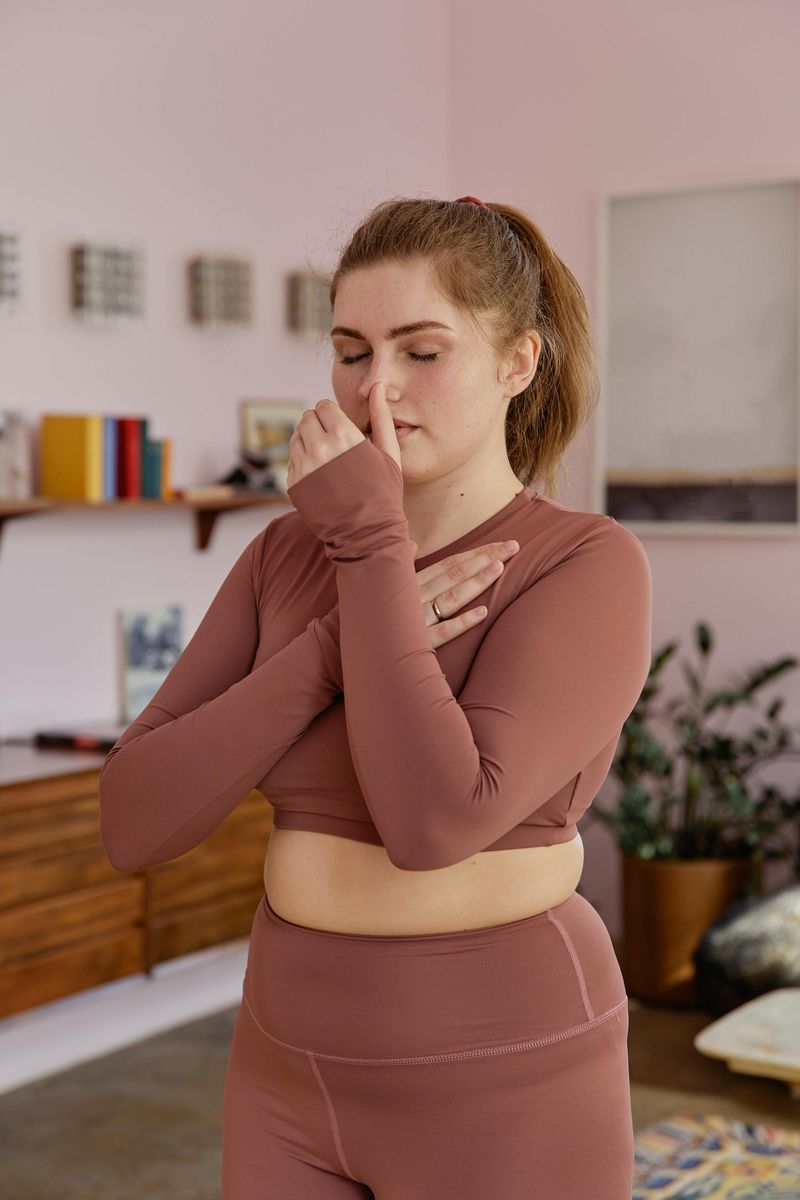
Breathing changes can be subtle, but they can shape how your whole body feels throughout the day.
When stress rises, many people shift into quick, shallow breaths that stay high in the chest instead of moving through the belly.
You might sigh often, feel like you cannot take a full breath, or notice a tightness that comes and goes with anxious moments.
This pattern can trick your brain into thinking something is wrong, which then increases anxiety and keeps the cycle going.
Long hours sitting, poor posture, and constant screen focus can make shallow breathing even more common.
A simple practice like inhaling slowly through your nose and exhaling longer than you inhale can nudge your body back toward calm.
If chest tightness is new, severe, or accompanied by dizziness or pain, seek medical care to rule out urgent causes.
9. Sleep that looks fine on paper but feels awful
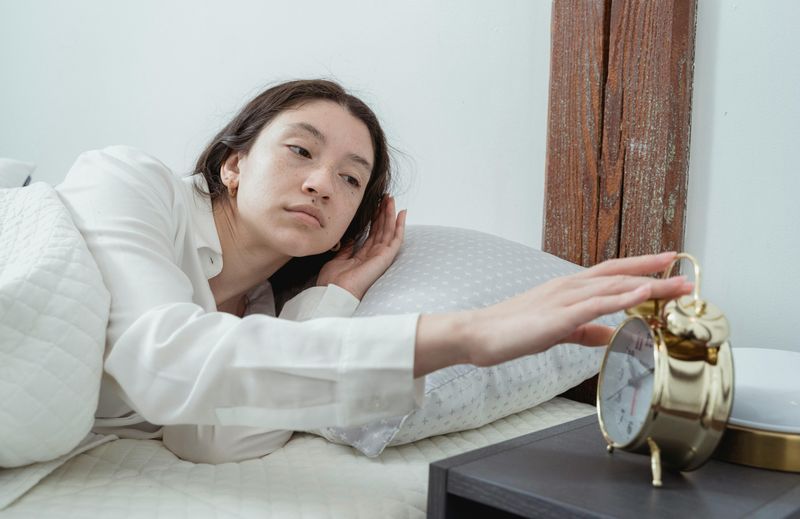
Getting “enough” hours does not always mean your body is truly recovering overnight.
Stress can keep your brain alert, making sleep lighter, more fragmented, or filled with vivid dreams that leave you feeling drained.
You may wake up at the same early hour, struggle to fall back asleep, and spend the day feeling like you never fully powered down.
Some people fall asleep quickly from exhaustion but still do not reach the deeper stages of sleep that restore energy.
Late-night scrolling, unresolved worries, and irregular schedules can all make stress-driven sleep issues worse.
A consistent wind-down routine, dimmer lights, and writing down tomorrow’s tasks can help your mind stop rehearsing in bed.
If sleep problems persist for weeks or affect your daily functioning, a healthcare professional can help you explore practical treatment options.
10. More frequent colds (or slower recovery)
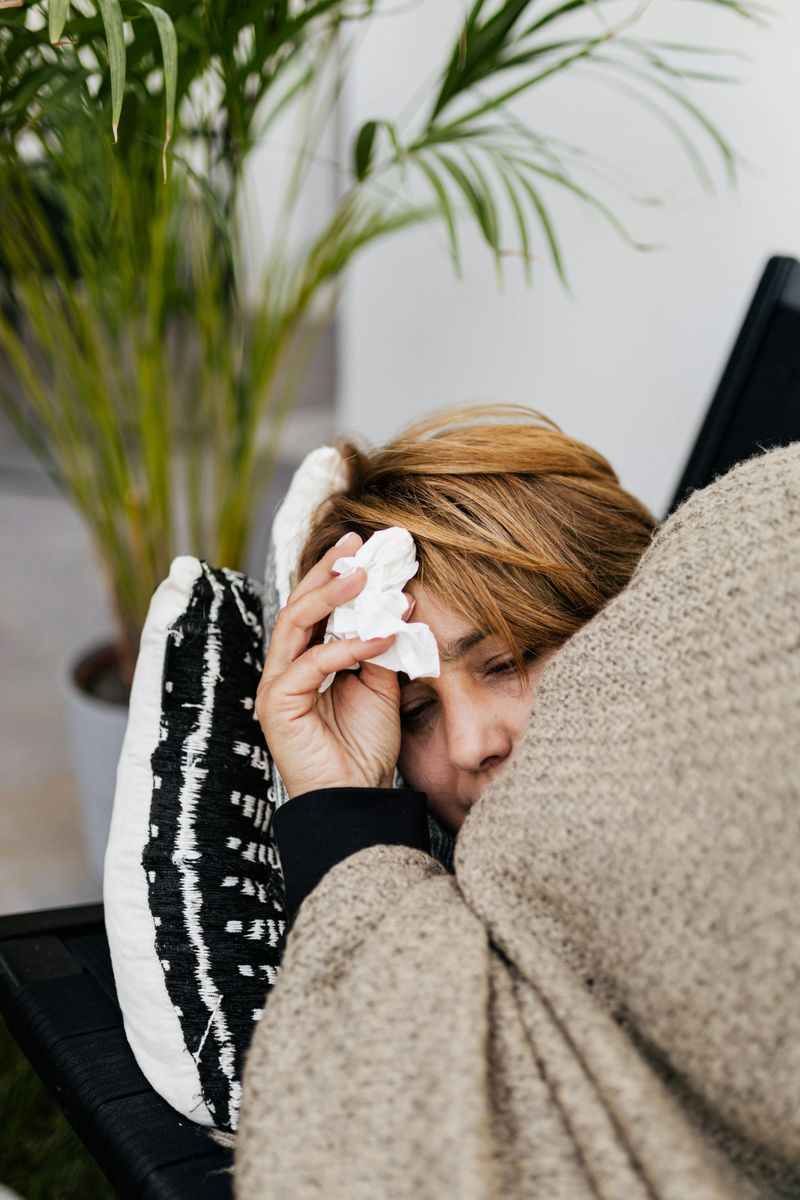
When you feel like you are always coming down with something, stress may be quietly weakening your resilience.
Chronic stress can affect immune function, which may make you more susceptible to infections or slow down how quickly you bounce back.
You might notice minor colds lingering, sore throats repeating, or fatigue sticking around longer than it used to.
Stress also tends to steal the habits that support immunity, like regular meals, deep sleep, movement, and true downtime.
If you are constantly pushing through, your body may not have enough recovery space to reset between exposures.
Simple supports like hydration, balanced meals, and realistic rest days can make a bigger difference than adding another supplement.
If you are frequently ill or symptoms feel unusual, it is wise to discuss it with a clinician to rule out other issues.
11. Aches and pain that migrate

Unexplained soreness can feel confusing when it shows up in one place and then disappears into another.
Stress can increase muscle tension and inflammation, which may create neck stiffness one day and low back aches the next.
You might blame your mattress, your workout, or your shoes, even when nothing has truly changed.
When your body is bracing for stress, it often holds tension in the shoulders, hips, and jaw, which can radiate into different areas.
Pain can also feel stronger when you are emotionally depleted, because your nervous system becomes more sensitive to sensation.
Gentle movement, stretching, and heat can help, but the bigger win is noticing what is stressing you out in the first place.
If pain is severe, persistent, or paired with numbness or weakness, a healthcare professional should help you evaluate it.
12. Cycle changes and hormonal weirdness
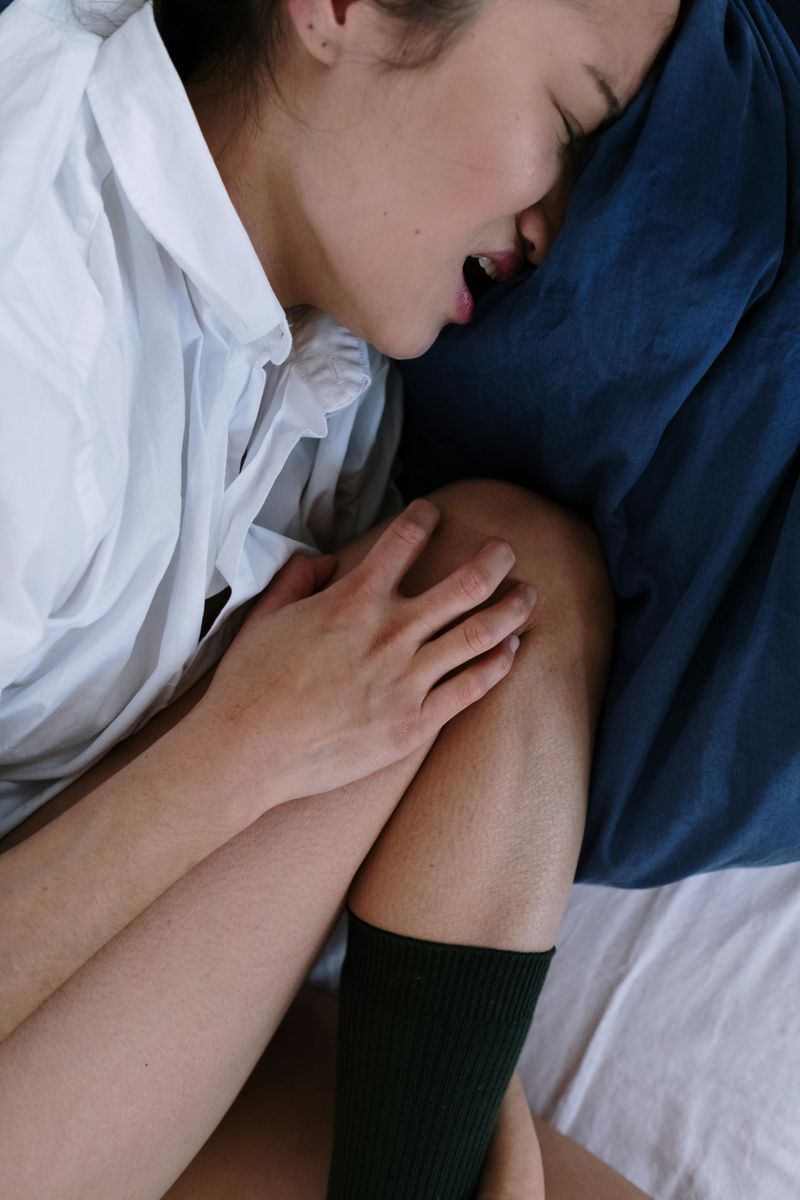
Your cycle can be a surprisingly honest report card on what your body is dealing with.
Stress can influence hormones that regulate ovulation and menstruation, which may lead to late periods, heavier or lighter flow, or more intense PMS.
Some people notice stronger cramps, worse mood swings, or sleep disruption around their cycle when life is especially demanding.
Even if your period still arrives on time, stress can amplify symptoms that were previously mild and manageable.
Changes in eating patterns, exercise, and sleep can also interact with stress, making cycle shifts more likely.
Tracking your cycle alongside major stressors can help you see patterns and feel less blindsided month to month.
If changes are dramatic, persistent, or accompanied by severe pain or bleeding, a clinician can help you rule out underlying conditions.
Comments
Loading…