
 Mary Murphy
10 Wellness Trends That Are a Waste of Money

Wellness is supposed to make your life feel better, not drain your bank account while you’re still exhausted, stressed, and Googling “why am I bloated” at midnight.
The problem is that the wellness industry has gotten incredibly good at turning normal human concerns into urgent “fixes” you can buy, subscribe to, or sip through a mason jar.
If a product promises a complete reset, a total detox, or a dramatic transformation with almost no effort, it’s usually selling hope more than results.
That doesn’t mean you have to skip self-care or ignore your health goals.
It just means your money should go toward habits and tools that actually move the needle.
Here are ten popular wellness trends that often cost far more than they’re worth.
1. Detox teas, juice cleanses, and “detox kits”

A week of “cleansing” can sound like a fresh start, especially after travel, holidays, or a stressful stretch where your meals were more chaotic than balanced.
The issue is that most detox programs rely on extreme restriction and products that act like diuretics or laxatives, which can make you feel lighter without improving your health.
If the scale drops, it’s often water weight and a temporarily empty digestive system rather than meaningful fat loss.
Even worse, you may end up tired, irritable, and ravenous, which sets you up for rebound eating afterward.
Your liver and kidneys already handle detoxification all day long, and they work better when you’re hydrated and eating enough.
If you want a real “reset,” put that money toward groceries, protein, fiber, and sleep.
2. Vitamin IV drips for “energy” or “immunity” (when you’re not deficient)

Paying for an IV bag in a trendy lounge can feel like the grown-up version of pressing a reset button, especially when you’re run down or trying to dodge every cold going around.
The catch is that most people don’t need intravenous vitamins unless they have a specific deficiency or medical reason, and “more” isn’t automatically “better” when it comes to nutrients.
Your body can only use what it needs, and excess amounts get excreted, meaning some of what you paid for literally goes down the drain.
You’re also spending extra for the convenience and the vibe, not necessarily a stronger effect.
If you truly feel chronically depleted, it’s smarter to get basic bloodwork and address sleep, iron, vitamin D, and diet instead of buying a drip as a shortcut.
3. Greens powders that promise to replace vegetables
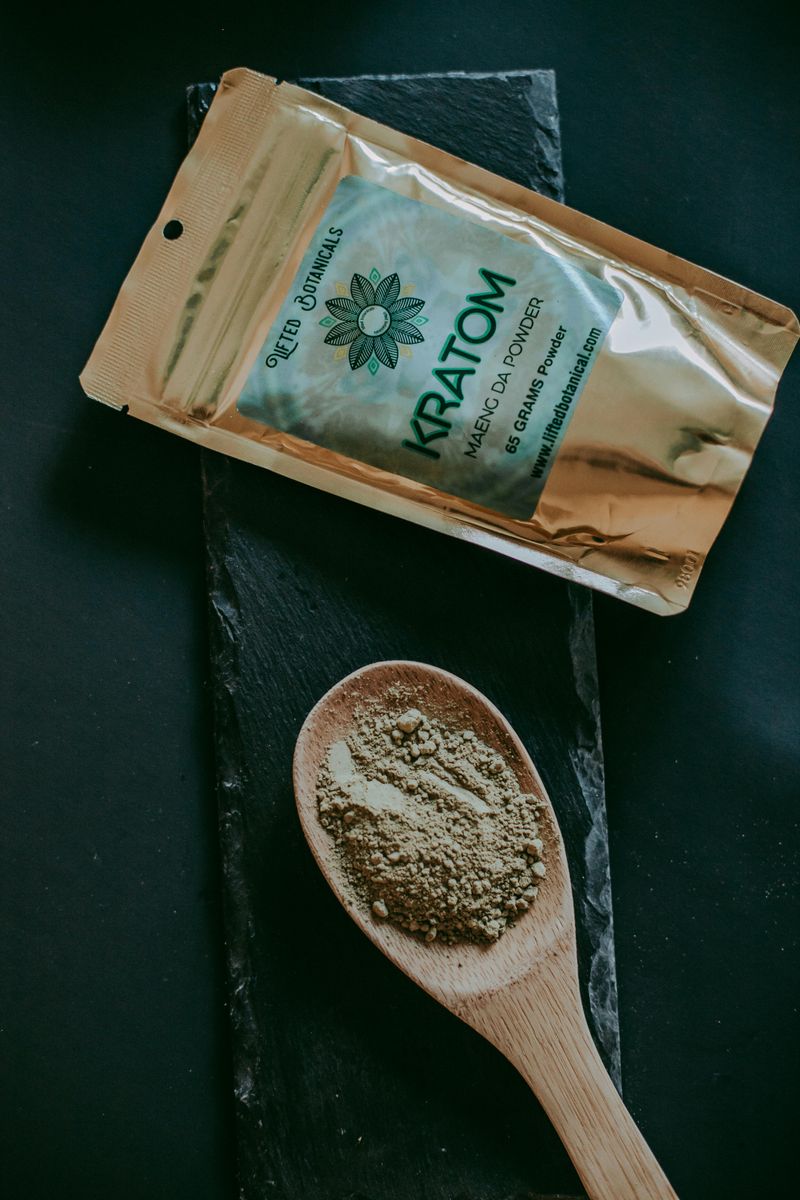
It’s tempting to believe a daily scoop of green powder can cancel out a lack of salads, especially when you’re busy and genuinely trying to do better.
The problem is that many greens powders are expensive for the amount you use, and the marketing often implies they can stand in for actual produce.
Even when they include vitamins and plant compounds, they usually don’t provide the same fiber, chewing satisfaction, and volume that help you feel full and keep digestion steady.
Some also hide behind “proprietary blends,” which makes it hard to know whether you’re getting meaningful doses of anything.
If you enjoy the taste and it helps you stay consistent, fine, but it shouldn’t be treated as nutritional insurance.
For the same price, you can stock frozen vegetables, bagged salads, and fruit that actually fits into meals.
4. “Alkaline” water and pH-balancing products
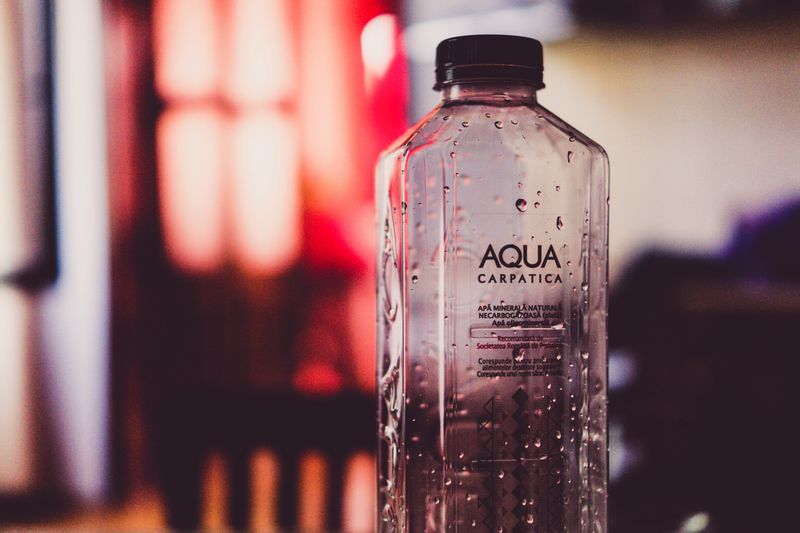
Fancy water with a higher price tag is one of the easiest wellness trends to fall for, because it feels harmless and vaguely science-y.
The sales pitch suggests that changing your body’s pH will improve energy, reduce inflammation, and protect you from disease, which sounds persuasive if you’ve ever felt “off” and wanted a simple fix.
In reality, your body regulates pH very tightly through your lungs and kidneys, and if it didn’t, you’d be dealing with a medical emergency, not a mild wellness problem.
That means most of what you’re buying is a story, not a measurable benefit.
If alkaline water helps you drink more fluids because you like it, that’s a personal preference, but it isn’t necessary for health.
Save your money and focus on hydration you’ll maintain daily, not a branded upgrade.
5. Collagen powders marketed like they’re a facelift in a scoop
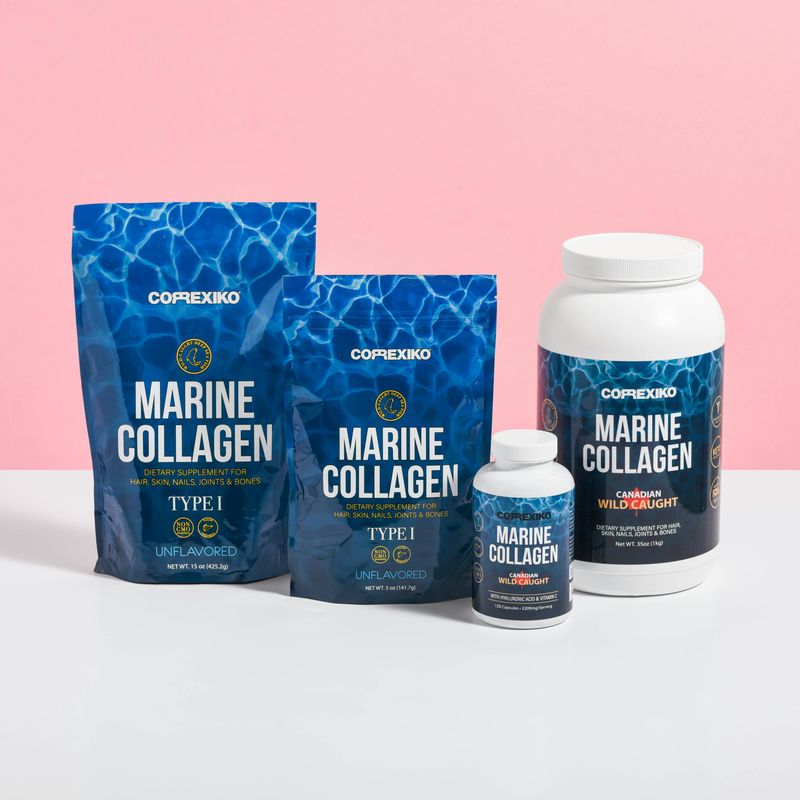
The promise of smoother skin and stronger hair in a morning drink is incredibly appealing, especially when “anti-aging” marketing makes normal aging feel like a crisis you have to solve.
Collagen powders aren’t automatically useless, but the hype often outruns what most people will notice in real life, particularly when they’re paying premium prices month after month.
Collagen is still protein, and your body breaks it down into amino acids, meaning it’s not a guaranteed direct delivery system for wrinkle-free skin.
Some people do report improvements in nails or skin texture, but the changes tend to be subtle and depend on overall diet, hydration, sun protection, and genetics.
If you’re buying collagen while skipping basics like protein at meals or sunscreen, you’re starting at the wrong end.
A cheaper, more reliable approach is prioritizing adequate protein and protecting your skin daily.
6. Luxury athleisure as a “fitness investment”

Marketing has gotten so good that workout clothes are often sold as motivation, almost like the right matching set will unlock a new identity: the person who never skips leg day.
The truth is that expensive leggings and branded tops can be comfortable and well-made, but they’re not a requirement for consistency, and they can become a sneaky way to shop while calling it self-improvement.
If you’re buying new outfits every time your motivation dips, you’re treating the symptom instead of building a habit.
Plenty of affordable basics perform just as well for most workouts, especially if you’re doing walking, strength training, or at-home videos.
If you love fashion and it genuinely makes you feel confident, that’s fine, but the “investment” logic falls apart when the clothes cost more than your actual fitness routine.
Spend on what supports the habit, not the fantasy.
7. Boutique fitness memberships you keep “meaning to use”

A glossy studio membership can feel like a commitment to your health, and the classes themselves might be excellent, especially if you thrive in a high-energy environment.
The problem starts when you’re paying a premium monthly fee while your real life keeps getting in the way, and the membership turns into an expensive reminder of what you haven’t done.
If you’re only going once or twice a month, the cost per class becomes painful, and the guilt can make you avoid it even more.
Boutique fitness works best when you’re genuinely excited to go and your schedule supports it consistently.
Otherwise, you’re paying for the idea of being that person, not the actual behavior.
A smarter move is buying class packs, choosing a cheaper gym, or following a structured plan at home, so your money matches your real habits.
8. Overpriced “biohacking” gadgets for non-athletes (rings, trackers, recovery doodads)

Fitness trackers, smart rings, and recovery gadgets can make you feel like you’re taking your health seriously, because the numbers look precise and the dashboards seem authoritative.
The catch is that data doesn’t automatically create change, and for many people, these devices become expensive accessories that highlight what they already know: they need more sleep, more movement, and less stress.
If you’re not using the information to make consistent adjustments, you’re basically paying for notifications.
Even when the metrics are helpful, they can also spark anxiety, perfectionism, and a weird sense that you’ve “failed” when your score is low.
Unless you’re training with specific goals and you enjoy tracking, the basics are often enough.
A simple routine of walking, strength training, hydration, and a consistent bedtime will outperform most gadgets, and it doesn’t require charging anything.
9. Supplement stacks pushed by influencers (fat burners, “hormone balance” blends, metabolism boosters)
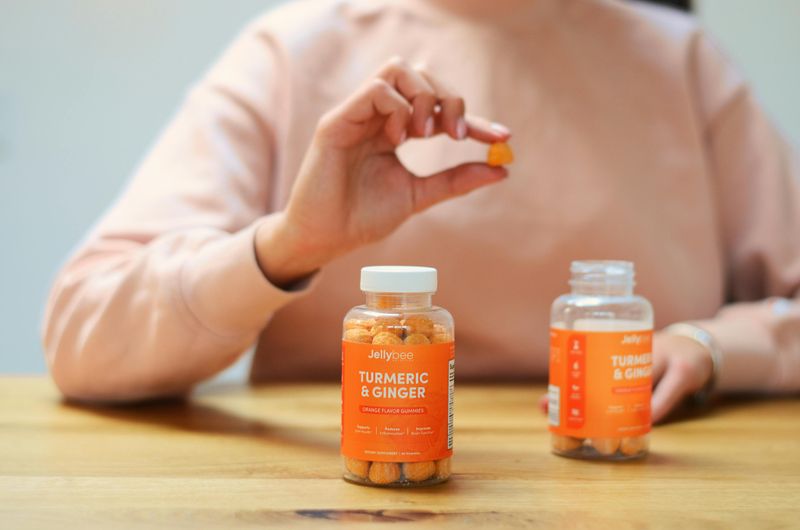
Nothing empties a wallet faster than the belief that you need six different bottles to feel normal, especially when influencers frame supplements as the missing piece your doctor “won’t tell you about.”
Many popular stacks include overlapping ingredients, vague proprietary blends, and claims that are hard to verify, which is convenient when the real results are inconsistent.
Some supplements can be useful, but the trend often encourages constant buying without confirming whether you have a deficiency or a specific need.
It also shifts attention away from the unglamorous basics that actually regulate energy and mood, like adequate calories, protein, iron, sleep, and stress management.
When products are marketed as metabolism boosters, cortisol fixes, or fat burners, you’re usually paying for hope and hype.
If you’re tempted by a stack, start with bloodwork, talk to a professional, and add only what’s clearly necessary.
10. “Wellness” apps you never open after week one (meditation, habit trackers, meal plans)
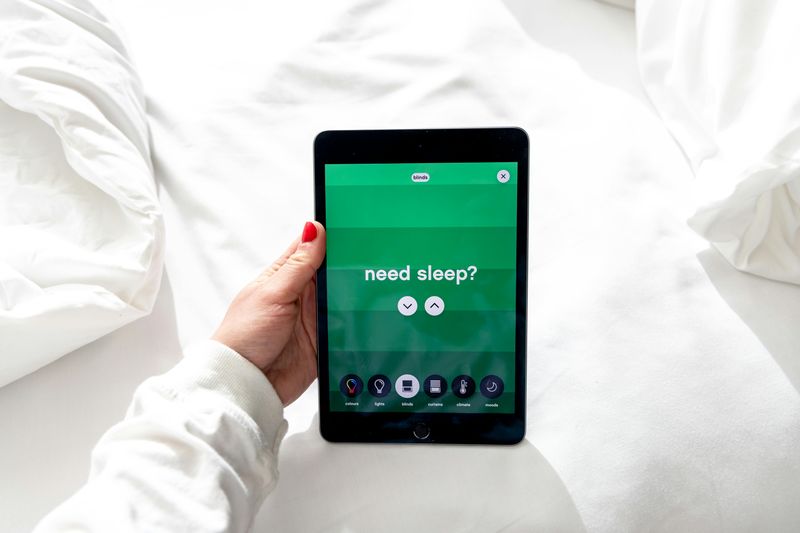
The promise of a guided plan can be comforting, because it feels like you’re finally getting structure and support instead of guessing your way through healthy habits.
The problem is that many wellness apps are designed for subscriptions first and behavior change second, so they hook you with a free trial, then quietly renew when life gets busy.
If you don’t genuinely enjoy opening the app and using it daily, it becomes another recurring charge that you barely notice until you audit your bank statements.
Plenty of people already have the tools they need for free, whether that’s a simple notes app, a calendar reminder, or free workouts and meditations online.
If an app helps you stay consistent, it can be worth paying for, but the trend turns wasteful when you keep buying “fresh starts” instead of building a routine.
Choose one tool, keep it simple, and commit before you subscribe.
Comments
Loading…