
 Jade Reed
There was a time when “convenience food” didn’t mean a premium salad kit or a protein bar that costs more than lunch.
It meant pantry staples and freezer-box fixes that promised a warm meal with minimal effort, minimal mess, and very little thought required after a long day.
These foods weren’t trendy, but they were reliable, and they quietly shaped how families cooked, ate, and even hosted guests.
Some of them were kid favorites, some were potluck legends, and some were “don’t ask questions, just eat” shortcuts that got dinner on the table fast.
Today, a lot of these once-ubiquitous items have been replaced by fresher, fancier options, but the memory of them hits like a time capsule the moment you see the label—or smell the steam when you peel back the lid.
1. TV dinners in aluminum trays (the “compartment” ones)
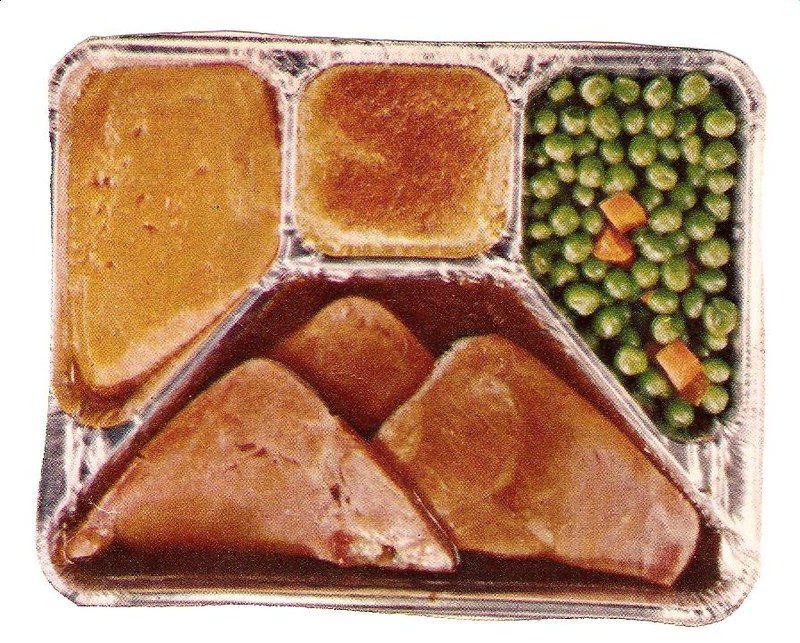
Long before meal kits and microwaveable bowls took over, those compartmentalized frozen dinners felt like a tiny miracle on a weeknight.
You’d slide the aluminum tray into the oven, wait what felt like forever, and end up with a whole “balanced meal” separated into neat little sections like it was a cafeteria tray for your living room.
The ritual mattered as much as the food: peeling back the film, stirring the corn, and trying not to burn your tongue on the dessert that somehow stayed molten longer than the rest of the meal.
For busy parents, TV dinners were a no-drama solution when energy was low and time was tight.
For kids, they felt like a special treat—eating dinner in front of a show without anyone pretending it was fancy.
2. Vienna sausages (tiny canned sausages)
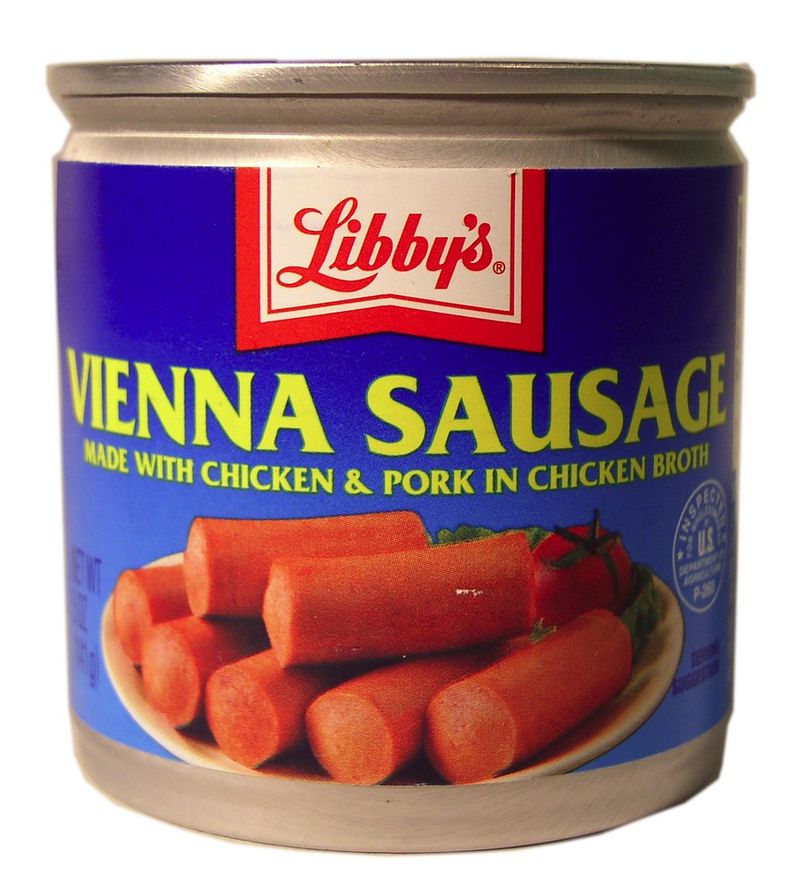
Not everything nostalgic is glamorous, and those tiny canned sausages prove it.
They were the kind of protein people kept around “just in case,” tucked into cabinets next to crackers, pickles, and whatever else could become a meal if plans fell apart.
Some kids loved them for their salty bite and easy-open simplicity, while adults treated them as a practical snack for road trips, fishing days, or quick lunches that didn’t require a stove.
The convenience was the point: no cooking, no slicing, no cleanup, and no worrying about spoilage.
Even if you didn’t eat them often, they showed up everywhere—at camp, in lunchboxes, and in the pantry of anyone who believed a stocked cupboard was a form of security.
3. Canned spaghetti (like SpaghettiOs-style meals)
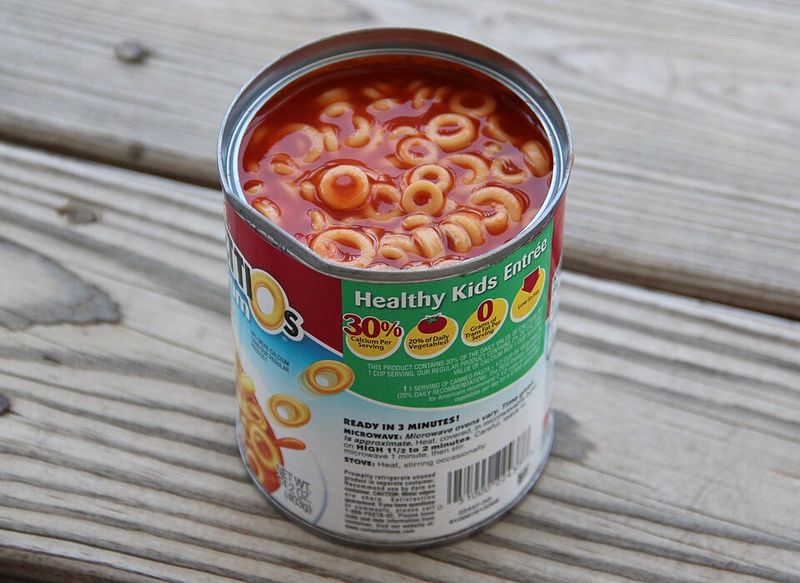
Circles of pasta swam in an orange-red sea, each spoonful tasting like a permission slip for shortcut dinners.
The pop of the lid delivered instant comfort, no water to boil, no colander to curse. Three minutes later, a full bowl waited, steam curling like a high-five.
Kitchens in dorms learned this rhythm, as did babysitters with cartoons queued.
The noodles stayed soft, the sauce sweet, and meatballs, when present, were gloriously identical. It was a hug for tired parents, a bribe for picky eaters, a late shift rescue.
Sure, you could zhuzh it with Parmesan, garlic powder, or a sneaky splash of hot sauce. But the baseline charm was not negotiating.
Cheap, cheerful, and shelf-stable, canned spaghetti made busy nights feel survivable.
You did not cook dinner. You pressed play, and dinner happened.
4. Shake-and-bake style coating mixes
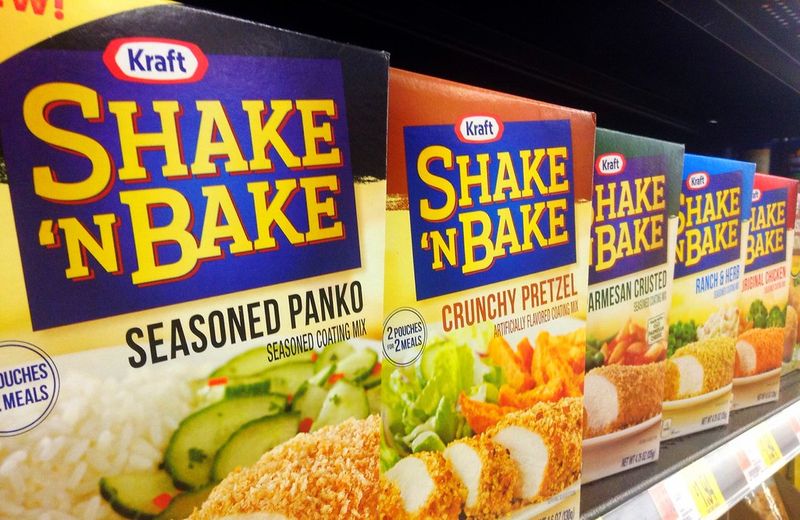
For a certain generation of home cooks, a seasoning bag and an oven were basically a full recipe.
Coating mixes turned chicken or pork chops into something that felt crispy and flavorful without needing deep frying, a complicated breading station, or a sink full of dishes.
You’d pour the crumbs into the bag, drop the meat in, shake it like you meant it, and then bake everything while the kitchen filled with a savory smell that signaled dinner was handled.
It was also one of those shortcuts that made people feel like they were cooking “properly,” even if the heavy lifting came from a box.
The popularity made sense: it cut prep time, minimized mess, and produced a consistent result that most families would happily eat.
Today it’s less visible, but the concept still lives on in plenty of modern “one-step” coatings.
5. Instant mashed potato flakes
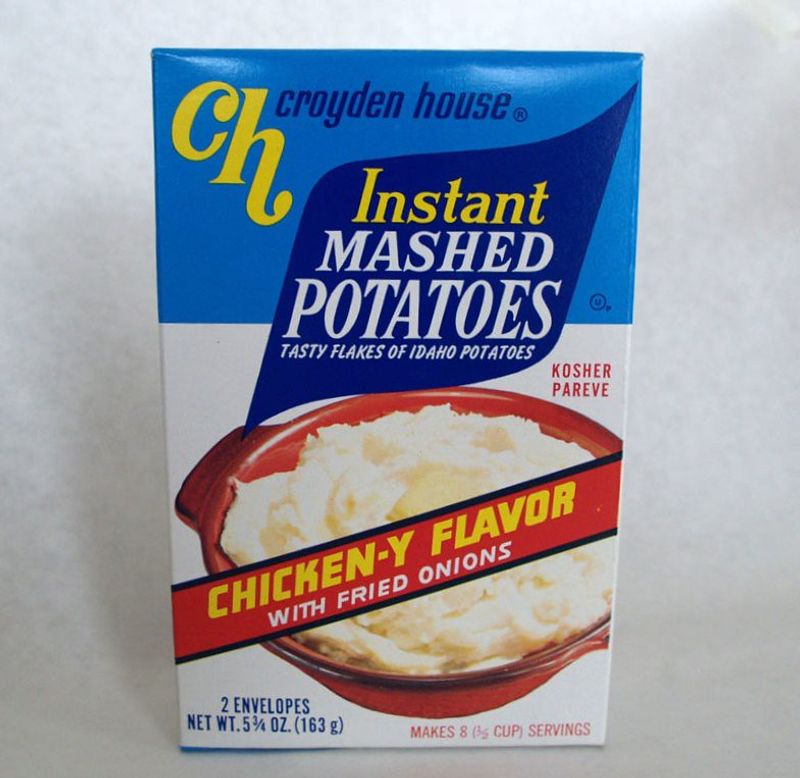
Mashed potatoes used to be the side dish that proved you cared, even if you didn’t have time to peel a single spud.
Potato flakes delivered that cozy, carb-heavy comfort with nothing more than hot water, a splash of milk, and a quick stir, which is exactly why they became a household staple.
They showed up on weeknights alongside meatloaf, chicken, and anything covered in gravy, because they played well with whatever was on the plate and made dinner feel complete.
The texture wasn’t quite the same as homemade, but most people weren’t picky when the alternative was extra work and extra dishes.
The appeal also went beyond speed; instant mashed potatoes were cheap, shelf-stable, and easy to stretch, especially when you added butter, pepper, or a little shredded cheese to make them taste more “real.”
They were comfort food with training wheels, and they did the job.
6. Powdered drink mix (Tang / instant “orange drink”)
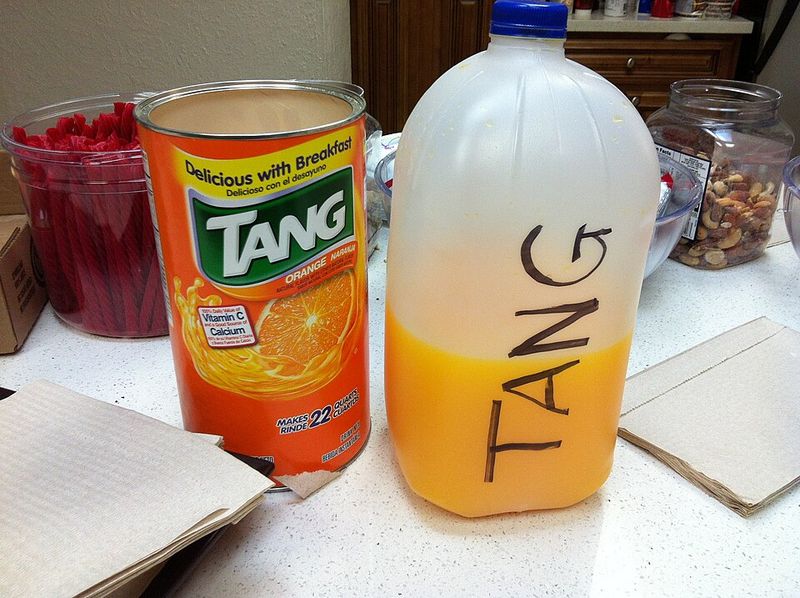
Orange dust puffed like a small sunrise each time the scoop met the pitcher. Cold water swirled, crystals disappeared, and suddenly you had enough “juice” for a team of sweaty kids.
It tasted like optimism and a coupon, sweet but undeniably refreshing.
Parents favored it for budget, shelf life, and easy refills during backyard chaos. Lunch tables saw neon mustaches and sticky smiles, while coolers clanked with ice and plastic cups.
Even “no soda” households made an exception for this space-age citrus. The mix went beyond orange, too, branching into cherry, grape, and mysterious tropicals.
You tweaked the scoops to dial sweetness like a DJ. It was customizable crowd control, served by the gallon.
Today’s seltzer craze is lovely, but nothing beats that scoop-and-stir swagger.
7. Canned meat spreads (potted meat/deviled ham)
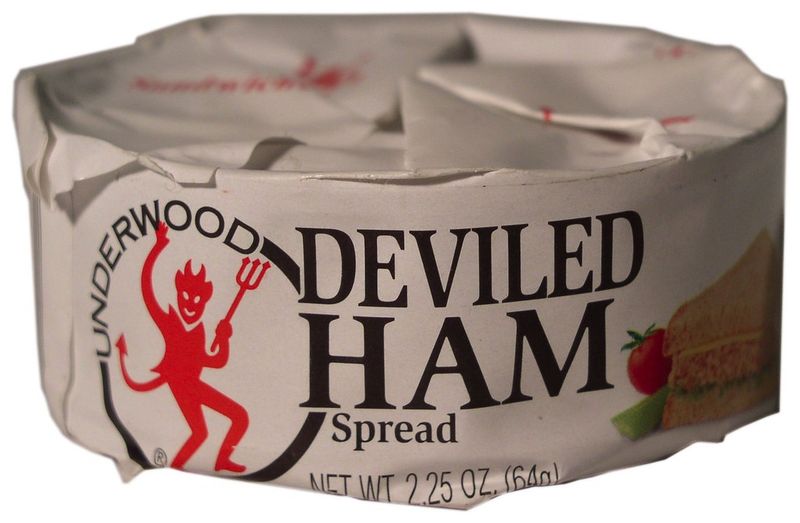
Some convenience foods were born from pure practicality, and meat spreads were unapologetically in that category.
They were designed to be cheap, shelf-stable, and immediately edible, which made them popular for lunches, snacks, and the kind of quick meals you assemble from whatever you have on hand.
People would spread them on saltines or white bread, sometimes adding pickles or mustard to give the flavor a little extra punch.
They weren’t fancy, but they were dependable, especially in households where wasting food wasn’t an option and keeping the pantry stocked was a priority.
These spreads also traveled well, which is why they showed up at picnics, in camping coolers, and alongside thermoses and brown-bag lunches.
Even though they’re still sold, they’re far less common in everyday life now, partly because modern shoppers have more fresh and deli-style options that feel less old-school.
8. Frozen toaster French toast / waffles as a “meal”
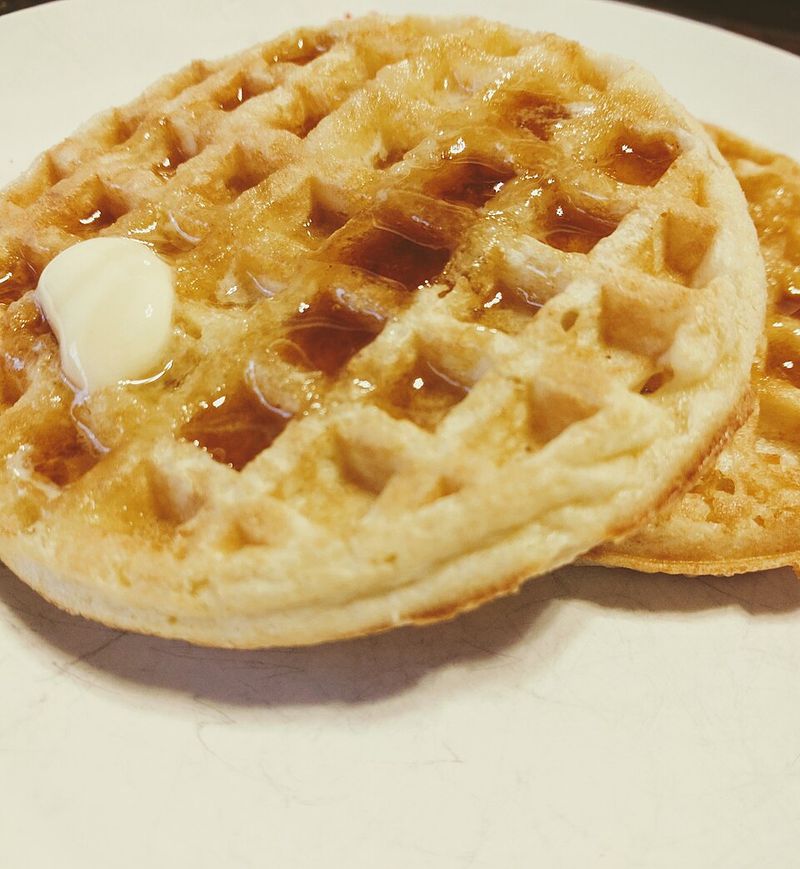
Back when “breakfast for dinner” was less of a Pinterest trend and more of a survival strategy, frozen toaster carbs could easily become the main event.
Families kept boxes of waffles and French toast sticks because they were fast, kid-approved, and required almost zero planning beyond having syrup.
On nights when everyone was tired or the fridge looked uninspiring, these freezer staples turned into a meal with the help of butter, maybe a side of eggs, and whatever fruit happened to be around.
The appeal wasn’t just the convenience; it was the comforting, slightly indulgent vibe that made dinner feel fun instead of stressful.
Kids liked the sweetness, and adults liked that nobody complained.
It also fit neatly into the budget, because a box could feed multiple people for less than many “real” dinners.
Even now, the smell of waffles toasting can bring back memories of casual weeknights and syrup-sticky fingers.
9. Jell-O “salads” and instant gelatin desserts
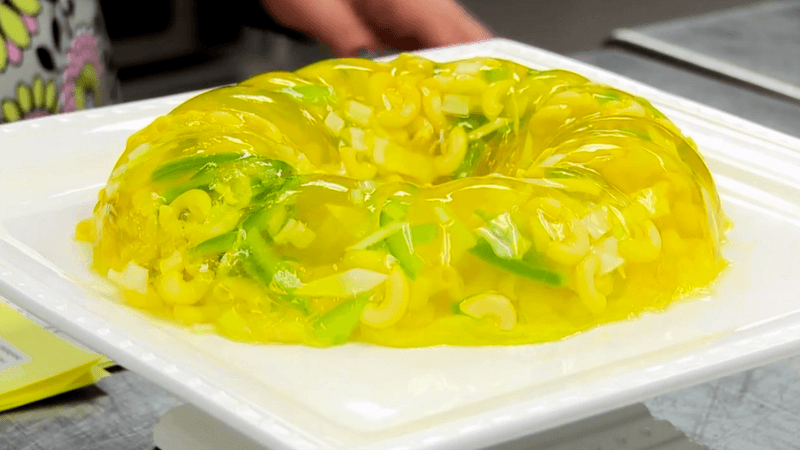
Staff videographer, licensed under CC BY-SA 3.0. Via Wikimedia Commons.
Wobble made an entrance before taste did, a shimmering dome that giggled on the plate.
Fruit hovered like time capsules, marshmallows bobbed, and whipped topping crowned the whole spectacle.
Technically dessert, admittedly, yet it marched into potlucks labeled salad with zero irony.
Boxes of instant gelatin hid in cupboards, ready to rescue last-minute invitations. Boil, stir, chill, and you had a centerpiece that fascinated kids and baffled adults.
Lime paired with cottage cheese, strawberry hugged pretzel crusts, and nobody asked too many questions.
It was colorful, cheap, and wonderfully portable. You carried it in a casserole carrier like diplomatic cargo.
Those molds turned ordinary evenings festive in under four hours.
Today’s grazing boards are cute, but nothing commands attention like a shimmering, fruit-studded wobble.
Comments
Loading…