
 Jade Reed
10 Reasons Americans Are Drinking Less Alcohol Than Ever
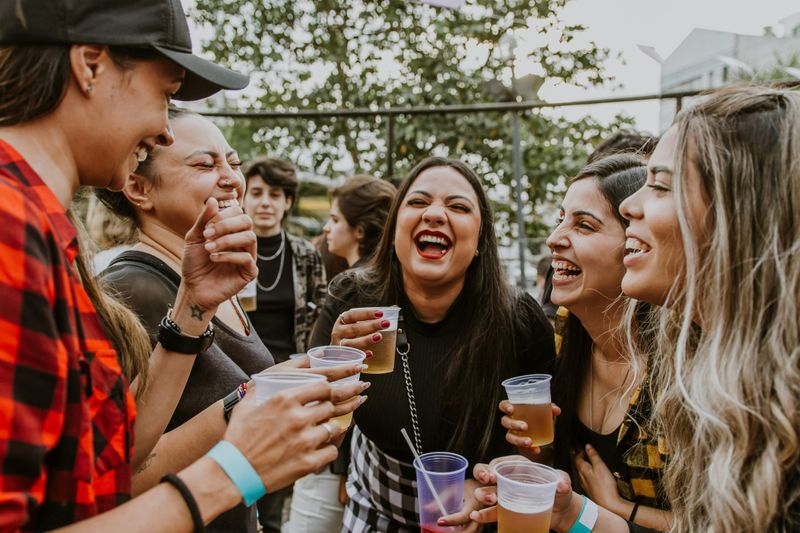
Something is shifting in how Americans unwind, celebrate, and connect.
You can feel it at dinners, weddings, and weeknights at home when the drink cart is no longer the star.
Curiosity and practicality are teaming up, and the case for less alcohol is getting louder.
If you have been wondering why the vibe is changing, here are the biggest reasons it is happening now.
1. Health-first culture is louder than ever

Wellness has become the group chat, the weekend plan, and the lifestyle default.
People are stacking habits like strength training, protein-forward meals, and eight hours of sleep because the next morning matters more than last night.
Alcohol simply clashes with those goals when recovery time is precious and whoop scores feel like a win.
There is also a growing respect for brain health, hormones, and longevity.
You see it in cold plunges, step challenges, and meal prep Sundays that quietly replace boozy brunches.
The vibe is less all-or-nothing and more strategic choices.
That does not mean fun went missing.
It means fun has a new definition that includes waking up energized, clear-skinned, and steady.
When wellness is the anchor, skipping the third round is not sacrifice.
It is alignment, and you can feel the difference fast.
2. The rise of “sober curious” and mindful drinking

You do not have to label yourself sober to dial it back.
Mindful drinking is the middle lane where people choose fewer drinks, more alcohol-free days, or save it for special occasions that truly feel special.
The point is intention, not perfection or rules.
It is like budgeting your energy and protecting tomorrow’s mood.
You learn your personal thresholds, swap in water between rounds, or call it a night before the wobble.
Friends respect it because everyone is chasing better mornings and fewer regrets.
Social media has helped normalize it with challenges, trackers, and mocktail recipes that actually taste good.
You can still toast, laugh, and stay late if you want.
Only now, you leave with clear memories and a calm nervous system.
That small shift compounds, and suddenly “less” feels like freedom rather than deprivation.
3. Non-alcoholic options are genuinely good now
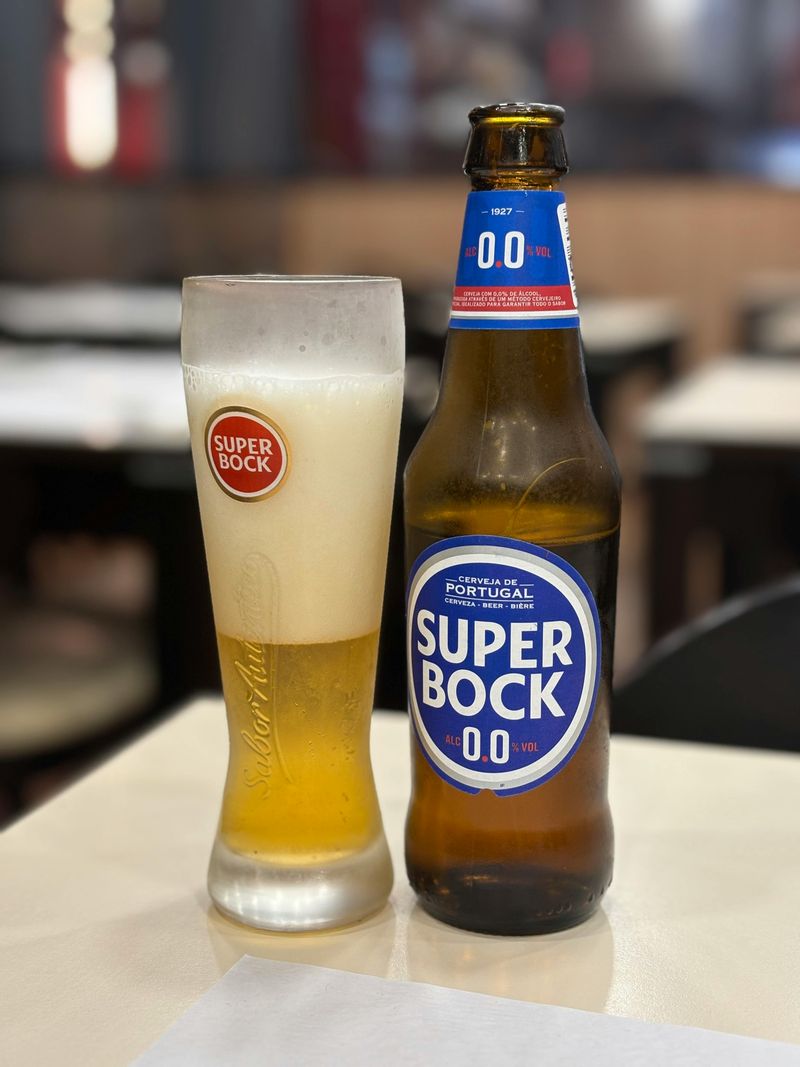
Remember when non-alcoholic choices meant flat soda or a sad lime wedge.
That era is over.
NA beers have bite and body, spirit-free liquors bring botanicals and complexity, and mocktails look like art instead of punishment.
Bartenders are into it, too.
Menus now list zero-proof sections with house syrups, shrubs, and garnishes that feel special.
You can order confidently without apologizing or explaining your choice.
At home, the shelves are stacked with options that respect grown-up palates.
You still get the ritual of pouring something beautiful, clinking glasses, and savoring layers of flavor.
Only the buzz is optional.
That keeps the social vibe alive while protecting sleep, mood, and next-day responsibilities.
4. We’re all too aware of the downside
Information about alcohol’s effects is no longer buried in a pamphlet.
It is on podcasts, in headlines, and in doctor’s offices spelling out connections to anxiety, depression, weight gain, skin issues, gut disruption, and cancer risk.
Once you hear it, you cannot un-hear it.
That knowledge nudges choices in small but steady ways.
Maybe you stop at one, or switch to tonic with lime, or take a month off to reset.
The absence of hangxiety alone feels like a revelation.
People also track data.
When you see sleep scores drop and resting heart rate spike after two drinks, the cost becomes obvious.
The new calculus is simple.
Feeling clear and steady tomorrow frequently beats a fleeting buzz tonight, and that awareness changes habits naturally.
5. Younger generations are drinking less
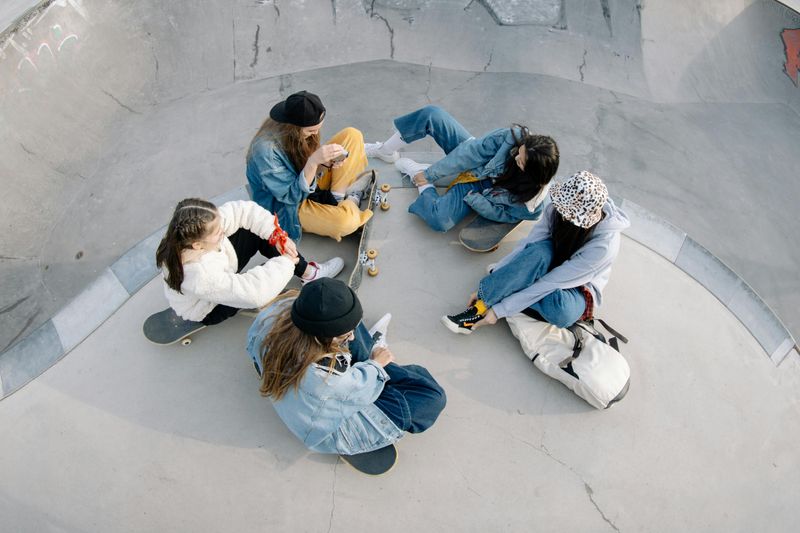
Gen Z is rewriting the script.
Many are delaying drinking, opting out more often, or treating alcohol like an occasional accessory rather than a weekend engine.
When the new cohort sets the vibe, the market follows.
Socializing is not anchored to bars the way it used to be.
There are gaming nights, night hikes, coffee pop ups, sober raves, and meetups that center creativity or movement.
That variety lowers the pressure to drink just to belong.
Brands notice.
You see lighter menus, smaller pours, and zero-proof headliners that sell out.
As Gen Z’s spending power grows, those preferences reshape shelves and restaurant programs.
Culture moves where attention goes, and right now attention favors clarity, affordability, and control over the next day.
6. Everything is expensive, and alcohol is an easy cut
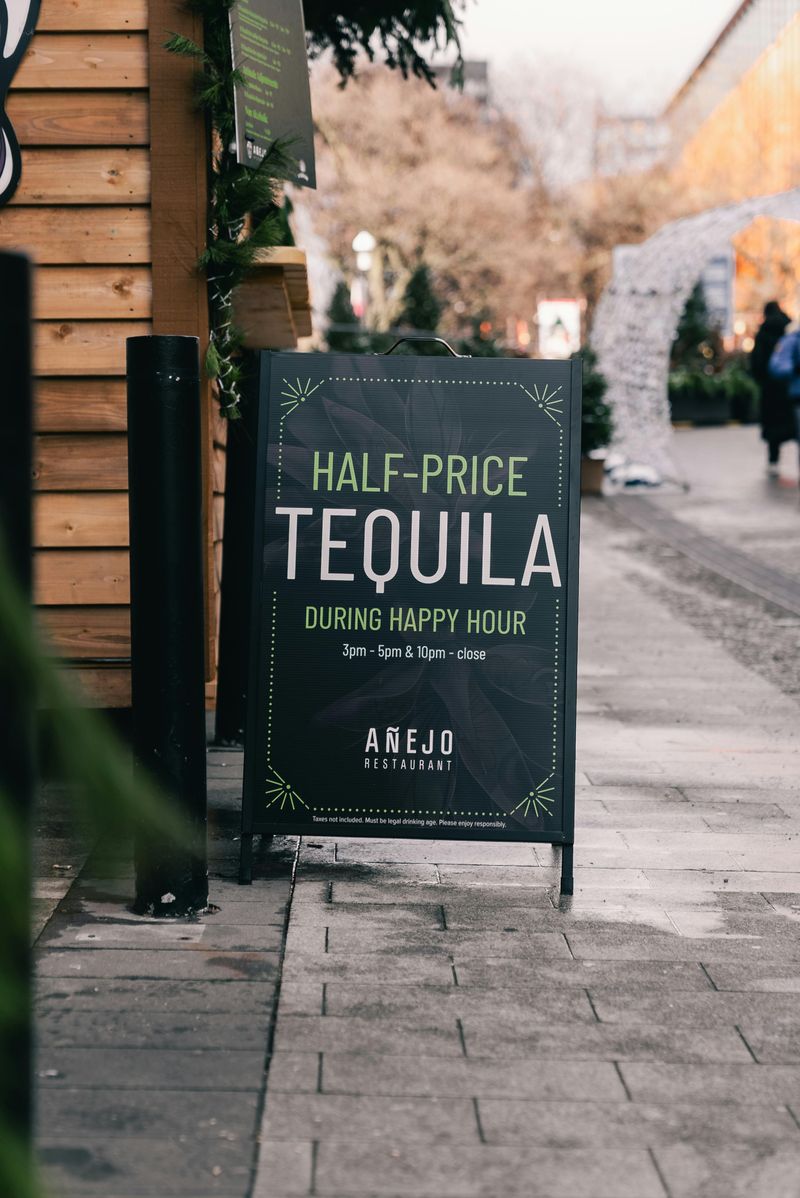
Inflation has a way of simplifying decisions.
Fourteen dollar cocktails, rising beer prices, and premium liquor feel like low-hanging fruit when groceries and rent keep climbing.
Cutting back saves real money fast without wrecking your social life.
People are getting clever with alternatives.
House mocktails, sparkling water with bitters, or one nice NA bottle stretch a night further.
You still get a treat, just without the price tag or the sleepy aftermath.
Restaurants are responding with zero-proof specials and happy-hour deals that do not require alcohol.
It is budget friendly, body friendly, and vibe friendly.
In a tight economy, that trifecta wins.
You can celebrate milestones and still meet your savings goals, which makes abstaining from round three feel like common sense instead of sacrifice.
7. Cannabis competition (where it’s legal)
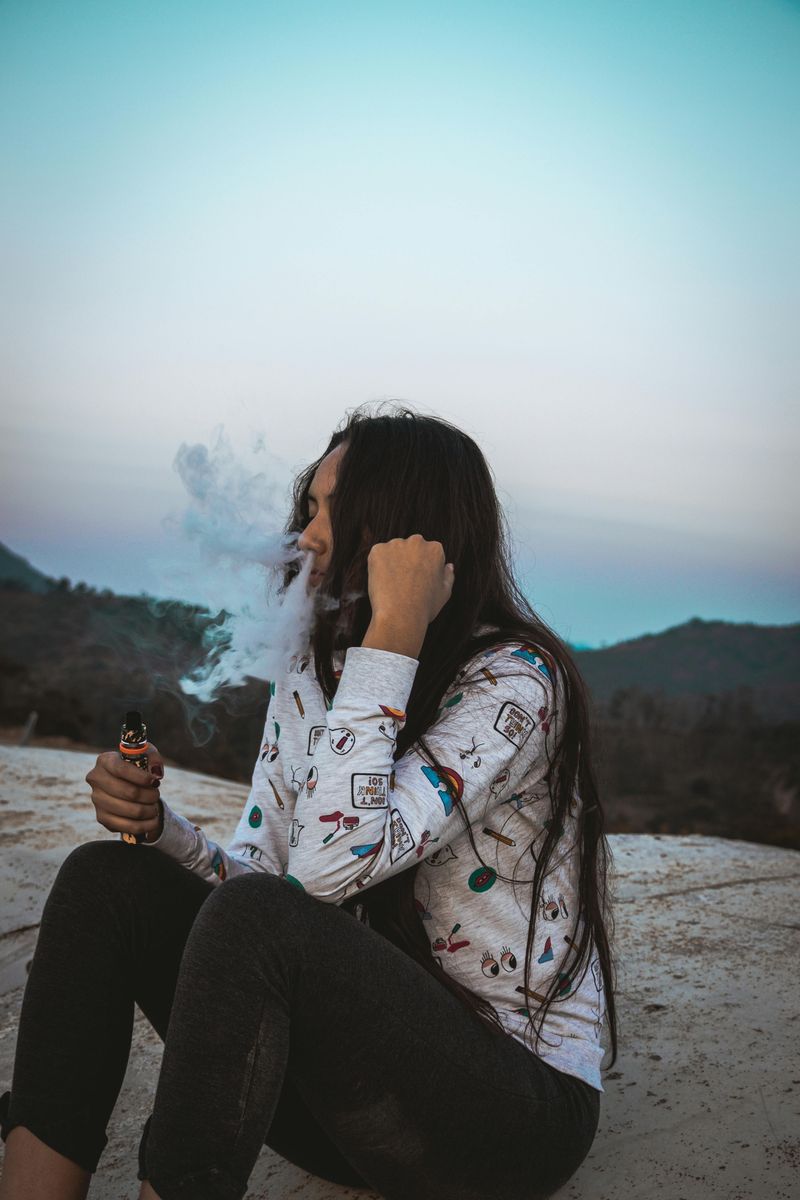
In legal states, some people are swapping drinks for cannabis.
They want fewer calories, less next day fog, and a different kind of social relaxation.
The choice becomes menu like: vibe A or vibe B, not automatic alcohol.
It is not about universal replacement.
It is about options that match the moment, from low dose gummies to CBD heavy blends that keep things mellow.
When alternatives feel predictable and controllable, the desire to drink often fades.
Retail shelves show the shift.
Dispensaries offer microdosed products with clear labels, while bars experiment with THC free, terpene inspired mocktails.
For those who prefer a lighter footprint and easier sleep, this route checks boxes.
Where it is legal, the competition is real, and alcohol no longer stands alone.
8. Remote work and fewer “drinking occasions”

When commutes disappeared and office happy hours dwindled, so did automatic drinking moments.
The end-of-day decompression routine moved from bars to back patios, couches, and walks.
Without the social cue, the drink often never happens.
Remote schedules also make early workouts and family dinners more doable.
You guard your mornings because there is more to do with them.
Even small breaks, like a midday stretch, reduce the urge to chase relief at night.
Fewer routine occasions means less casual consumption.
Drinking becomes intentional instead of background noise.
That does not kill fun.
It just strips out the reflex and leaves the real yeses, which tend to be rarer, sweeter, and worth remembering.
9. Better mental-health awareness (and meds reality)

Therapy is mainstream now, and so are honest conversations about anxiety, depression, ADHD, and sleep.
With that awareness comes a practical truth: alcohol can worsen symptoms and interact poorly with medications.
Cutting back feels less like virtue and more like self-preservation.
Doctors are clearer about risks, from mood swings to dangerous interactions.
Patients are listening because nothing is worth destabilizing progress hard won in therapy.
Boundaries get tighter, and habits shift without drama.
This is not joyless.
It is protective.
You trade a brief buzz for steady weeks, fewer spirals, and smoother sleep.
When mental health is the priority, the cost-benefit math rarely favors another round.
That clarity sticks, and routines evolve accordingly.
10. New social norms: it’s normal to say “no thanks”
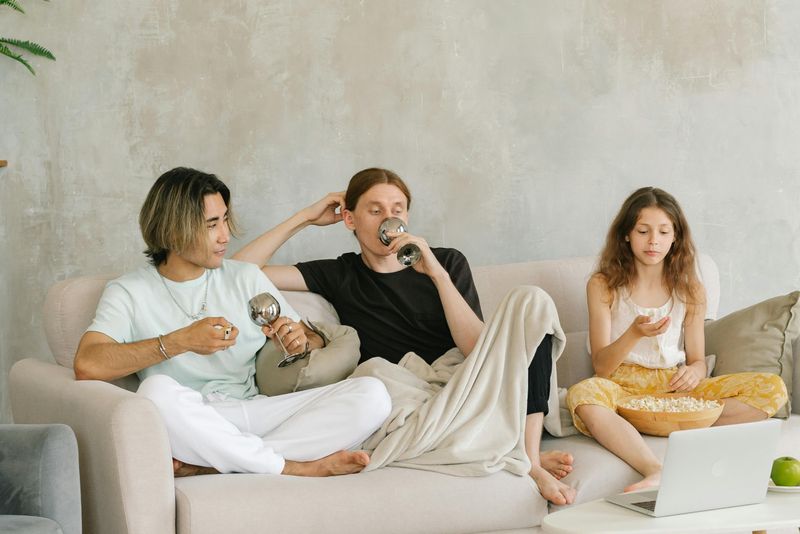
Pressure is out, consent is in.
People ask if you want a drink instead of assuming, and backing out early does not require an excuse.
Group chats plan for NA options the same way they plan for vegetarian dishes.
That shift lowers friction for everyone.
You can show up, toast with something sparkling, then drive home clear headed.
Friends respect the no because they want that freedom too.
With shame gone, decisions get simpler and more honest.
You choose what fits the night, not what avoids questions.
The default is no longer automatic alcohol, it is personal choice.
That cultural permission is powerful, and it is one big reason the trend is not a phase.
Comments
Loading…