
 Harper Hall
10 Foods That Support Hormones, Mood, and Sleep After 40
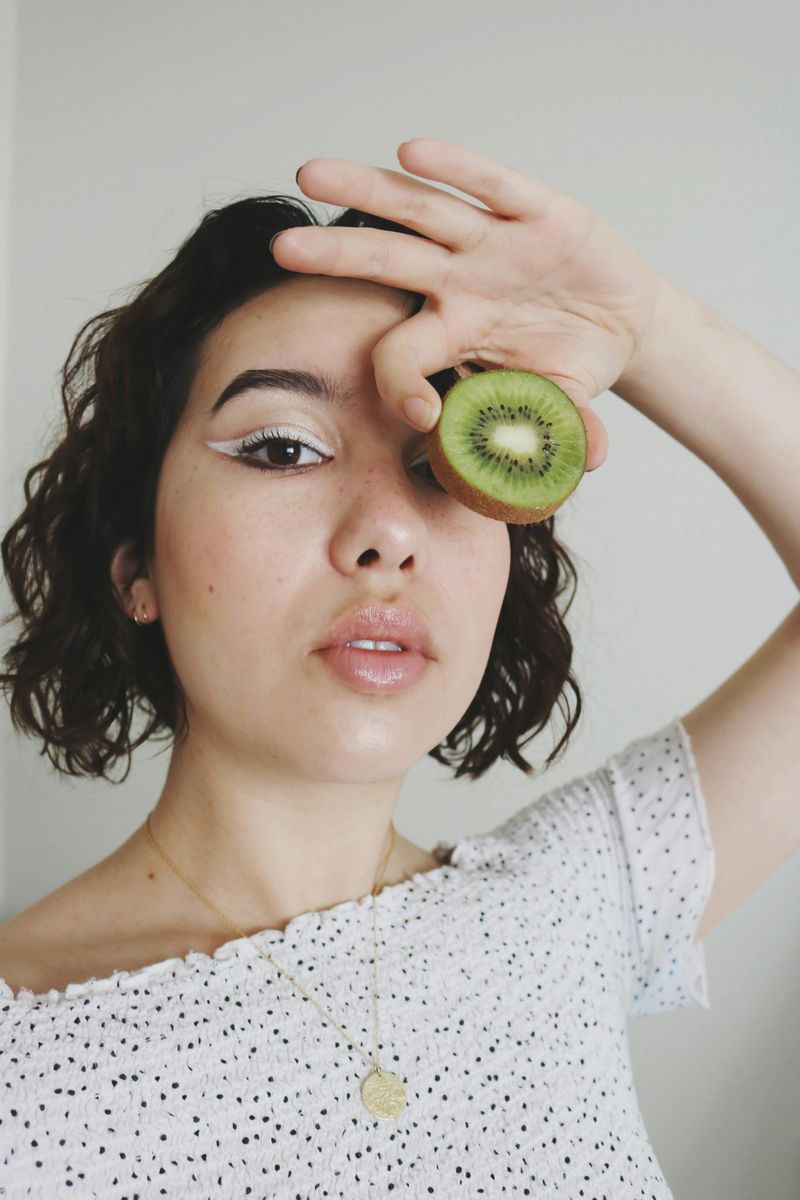
After 40, the same habits that used to work can start feeling like they’re suddenly falling short.
Hormone shifts can ripple into everything from daytime calm to nighttime wake-ups that seem to come out of nowhere.
The good news is that food can be a steady, practical way to support mood, sleep quality, and overall balance.
Instead of chasing “miracle” fixes, it helps to focus on nutrients that your body uses to build hormones and neurotransmitters.
Think of it as stacking small advantages: steadier blood sugar, better stress resilience, and more consistent recovery at night.
These choices won’t replace medical care when you need it, but they can make your baseline feel noticeably more stable.
Here are 10 foods worth putting on repeat if you want calmer days and more restful nights after 40.
1. Fatty fish (salmon, sardines, mackerel)
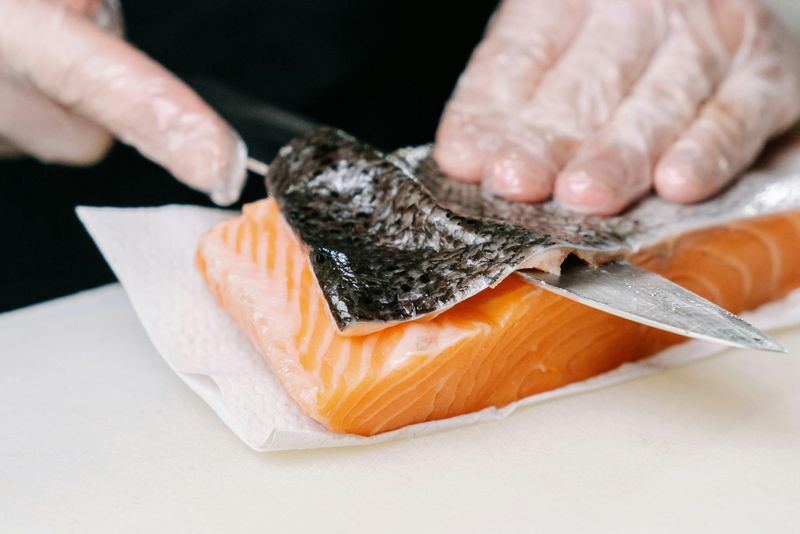
Rich, oily seafood brings a concentrated dose of omega-3 fats that many people don’t get enough of after 40.
These fats are tied to brain structure and signaling, which is why they’re often discussed in the context of mood support.
Fatty fish also provides vitamin D and B vitamins, nutrients your body uses in pathways related to energy and emotional steadiness.
Because protein is naturally filling, a fish-based dinner can help prevent the late-night snack cycle that disrupts sleep.
For a simple routine, aim for two servings weekly and keep it easy with sheet-pan salmon and frozen vegetables.
If you’re not a fish fan, try milder options like canned salmon mixed into a salad or sardines mashed into a lemony spread.
2. Soy foods (edamame, tofu, tempeh)

Plant-based proteins like tofu and tempeh can be especially helpful when your body is navigating midlife hormone changes.
Soy contains isoflavones, which are often described as phytoestrogens because they can interact gently with estrogen receptors.
That matters because sleep and mood can suffer when estrogen fluctuates, even if your overall routine hasn’t changed.
Tempeh also adds gut-friendly benefits thanks to fermentation, and gut comfort can influence how well you rest.
To keep it satisfying, pair soy with complex carbs and healthy fats, like tofu stir-fried with brown rice and sesame oil.
If you’re new to it, start with edamame snacks or crispy baked tofu, since the texture is usually the easiest gateway.
3. Ground flaxseed
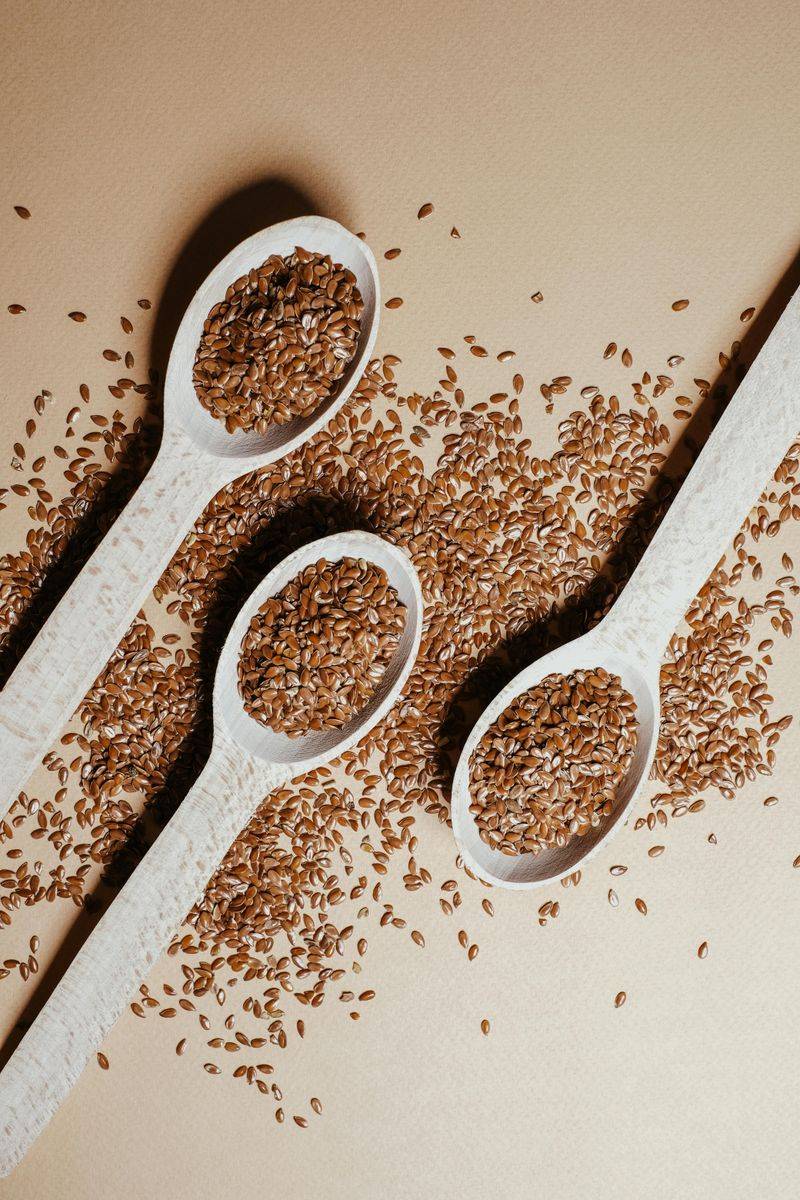
A small spoonful of this pantry staple can quietly upgrade your day with fiber, healthy fats, and plant compounds called lignans.
Lignans are studied for their potential relationship to estrogen metabolism, which is why flax shows up in many midlife nutrition plans.
The fiber in ground flaxseed can also support steadier blood sugar, and fewer glucose spikes often means fewer mood swings.
Because sleep is sensitive to digestion, regularity and gut comfort can indirectly make nights feel smoother and less interrupted.
The key is using ground flax, not whole seeds, so your body can actually access the nutrients.
Stir one to two tablespoons into oatmeal, yogurt, or smoothies, and add water through the day so the fiber feels supportive, not heavy.
4. Cruciferous veggies (broccoli, Brussels sprouts, cabbage, kale)
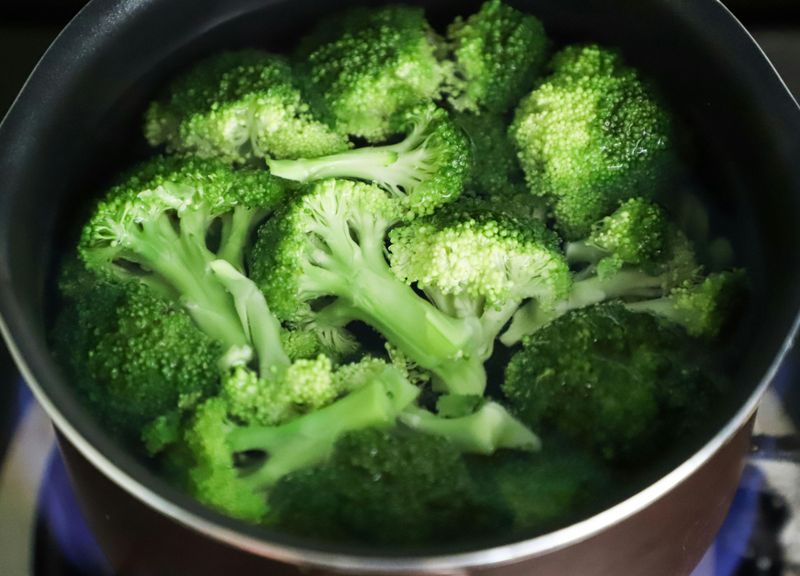
Colorful, crunchy veggies from the cabbage family are famous for more than just being “healthy side dishes.”
They contain natural compounds that researchers have explored for their role in how the body processes estrogen.
When hormones are in flux, supporting normal metabolism and elimination can be one gentle way to feel more balanced.
Cruciferous vegetables also bring fiber and antioxidants that can help you feel less inflamed and less “puffy,” which matters for sleep comfort.
If they upset your stomach, try cooking them more thoroughly, since raw kale salads aren’t everyone’s friend after 40.
Roast Brussels sprouts, sauté cabbage with garlic, or blend steamed broccoli into soups so you get the benefits without the bloat.
5. Pumpkin seeds (pepitas)
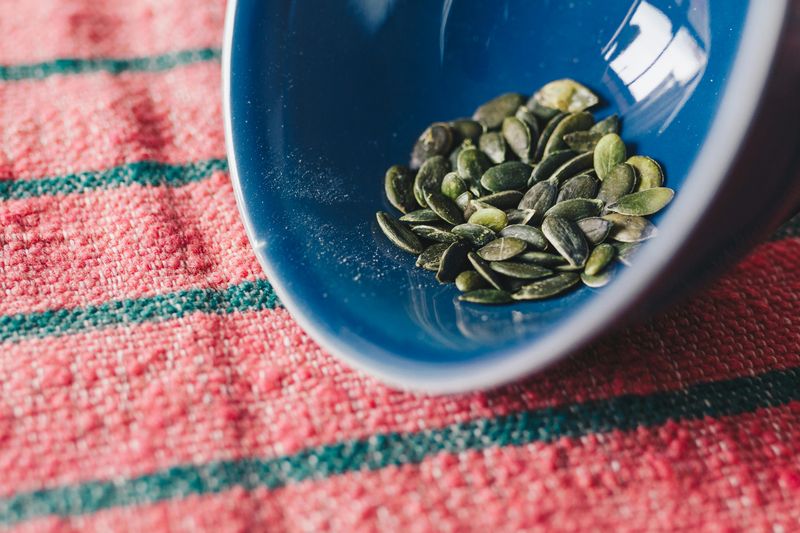
Tiny seeds can deliver a surprisingly big nutritional payoff when you’re trying to feel calmer and sleep deeper.
Pumpkin seeds are rich in magnesium, a mineral involved in muscle relaxation and the nervous system’s ability to “downshift.”
They also provide zinc, which supports immune function and is part of many hormone-related processes in the body.
Because they’re easy to portion, they’re great for reducing the urge to grab sugary snacks that can trigger restless nights.
Try adding them to salads, oatmeal, or yogurt, or blend them into pesto for a savory, sleep-friendly dinner topper.
A small handful after dinner can feel like a treat, especially when you pair it with fruit instead of reaching for cookies.
6. Oats (and other whole grains like brown rice, quinoa)
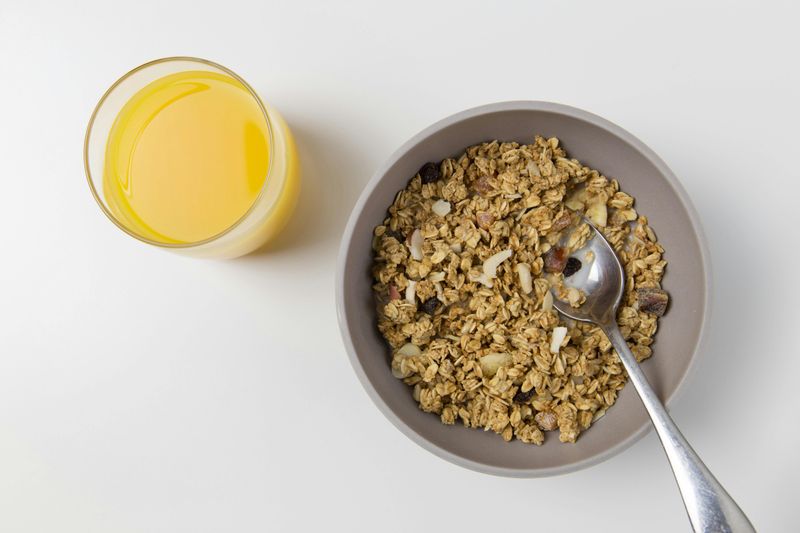
A warm bowl of something cozy can be more than comfort food when sleep feels fragile after 40.
Oats and other whole grains provide complex carbs that can support steadier blood sugar throughout the evening.
That matters because big swings in blood sugar can wake you up, even if you fall asleep easily at first.
Whole grains also contain B vitamins and minerals that help your body turn food into usable energy, which supports stable mood.
For an evening option, try oatmeal with cinnamon, chia seeds, and berries, keeping added sugar low.
If you prefer savory meals, build a bowl with quinoa, roasted vegetables, and beans so your dinner fuels serotonin and satiety without the crash.
7. Tart cherries (or tart cherry juice)
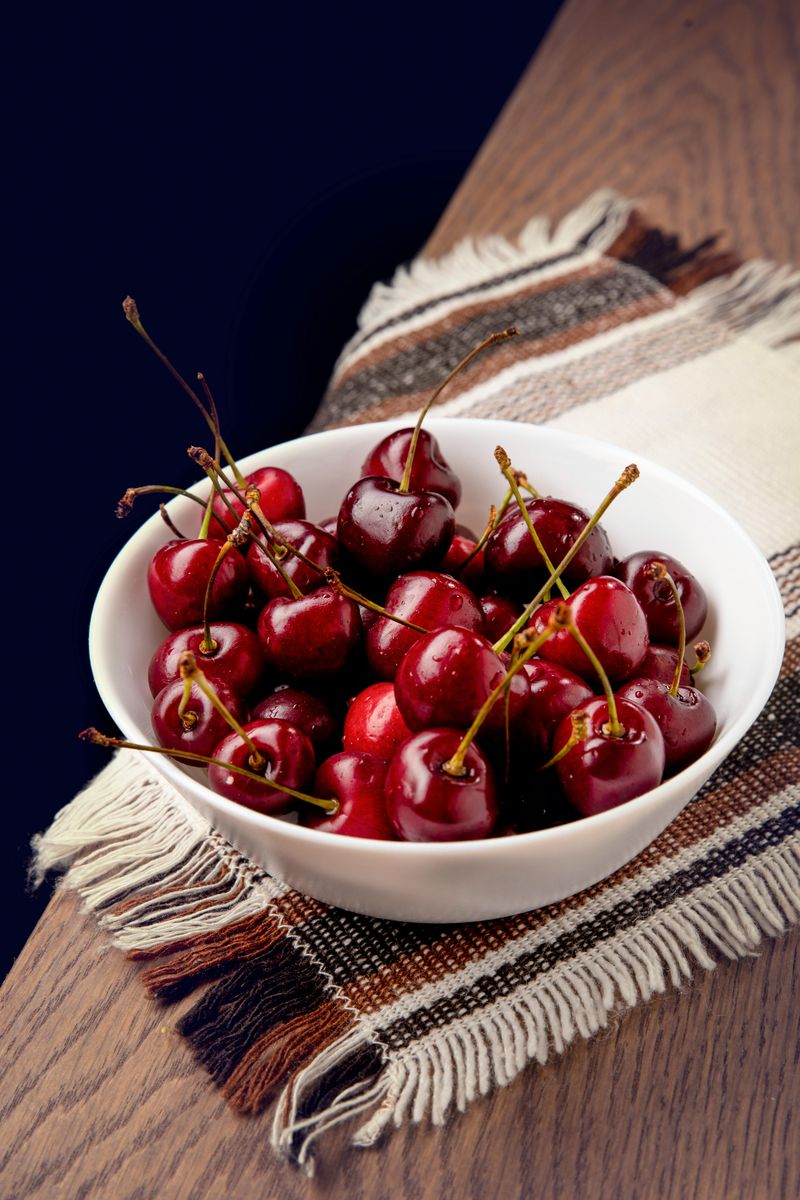
Some fruits are known for antioxidants, but this one gets extra attention for its connection to the body’s sleep rhythms.
Tart cherries contain natural compounds associated with melatonin pathways, which is why they’re often used in sleep-focused routines.
They may be especially helpful for people who want a gentle, food-based nudge rather than another supplement on the nightstand.
Because they’re still a carbohydrate source, portion matters, especially if you’re sensitive to sugar late in the day.
A practical approach is a small serving of tart cherry juice diluted with water alongside dinner, not right before bed.
You can also use frozen tart cherries in Greek yogurt, which adds protein and helps keep your overnight blood sugar more stable.
8. Kiwifruit
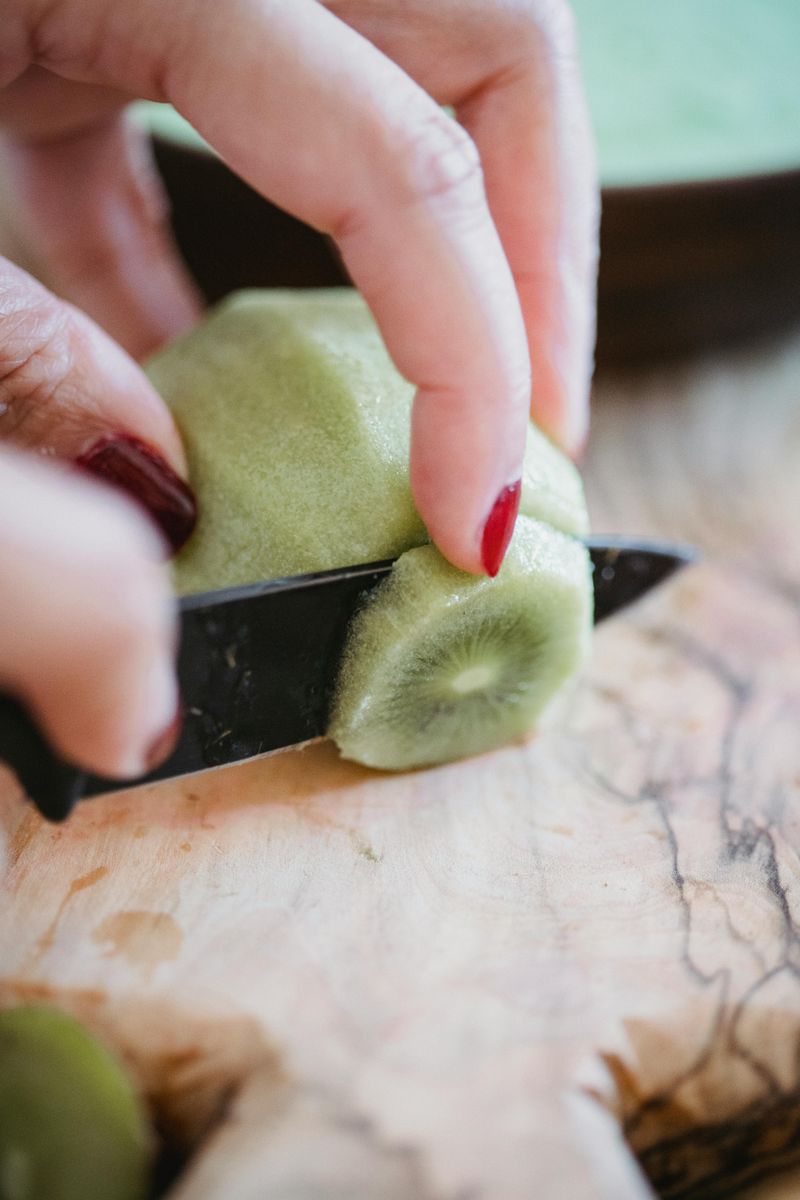
Bright, tangy fruit can be a surprisingly smart bedtime snack when you want something sweet without wrecking your sleep.
Kiwi has been studied for sleep-related benefits, and it’s often linked to serotonin and antioxidant activity.
It also delivers vitamin C and fiber, which support overall health and can help digestion stay comfortable overnight.
Because it’s naturally portioned, it’s easier to keep your evening snack reasonable instead of turning it into a sugar spiral.
Try eating one or two kiwis about an hour before bed, especially on nights when you feel wired but tired.
If you want it to feel more satisfying, pair kiwi with a small serving of yogurt or a few nuts for a steadier, calmer landing into sleep.
9. Walnuts
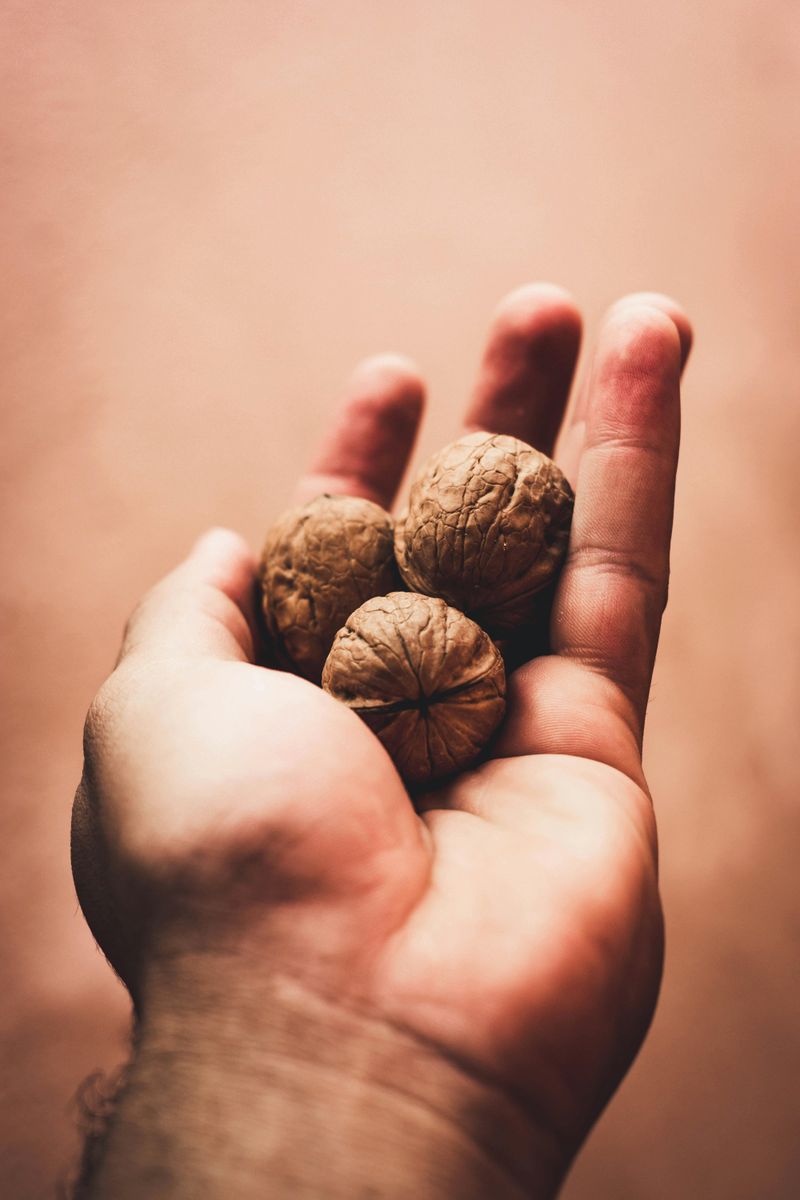
A handful of the right crunchy snack can feel like self-care when midlife stress is running high.
Walnuts contain alpha-linolenic acid, a plant-based omega-3 fat that supports overall brain and heart health.
They’ve also been studied in connection with sleep markers, which is one reason they’re often recommended for nighttime routines.
Because they combine fat, fiber, and a little protein, they can help you avoid late-night hunger that wakes you up at 2 a.m.
Use walnuts as a topping for oatmeal or salads, or snack on them with fruit instead of sugary granola bars.
If you’re watching calories, portion them into small containers, because they’re nutrient-dense and it’s easy to mindlessly overdo it.
10. Yogurt or kefir (with live cultures)
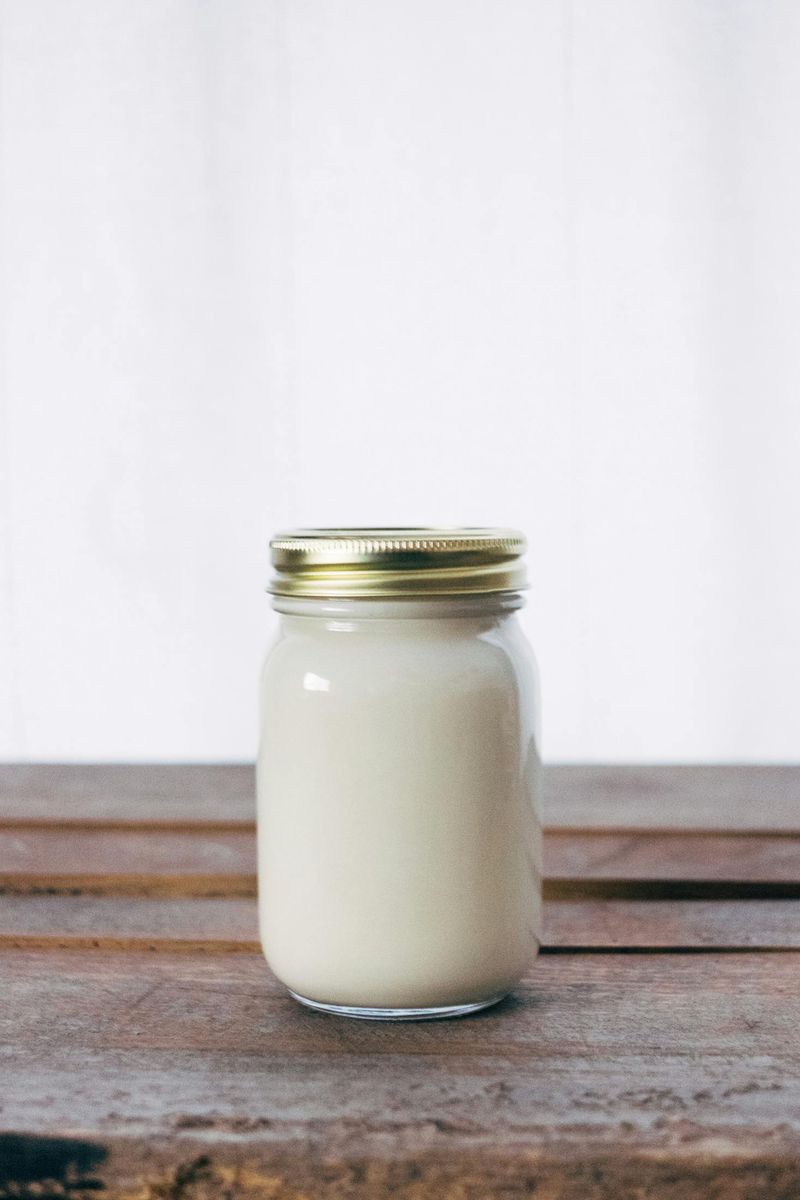
Fermented dairy can be a simple way to support the gut, and gut health is closely connected to mood and stress response.
Yogurt and kefir with live cultures add probiotics, which researchers study for their role in the gut-brain axis.
They also provide protein that helps keep your blood sugar steadier, making nighttime wake-ups less likely for some people.
If you choose plain versions, you avoid the added sugar that can spike energy at the exact time you want to wind down.
Kefir is easy to drink when you don’t want a full snack, while Greek yogurt feels more like a mini meal.
Add berries, cinnamon, or ground flaxseed, and you’ll get a mood-and-sleep-friendly combo that feels like dessert but acts like support.
Comments
Loading…