
 Mila Ross
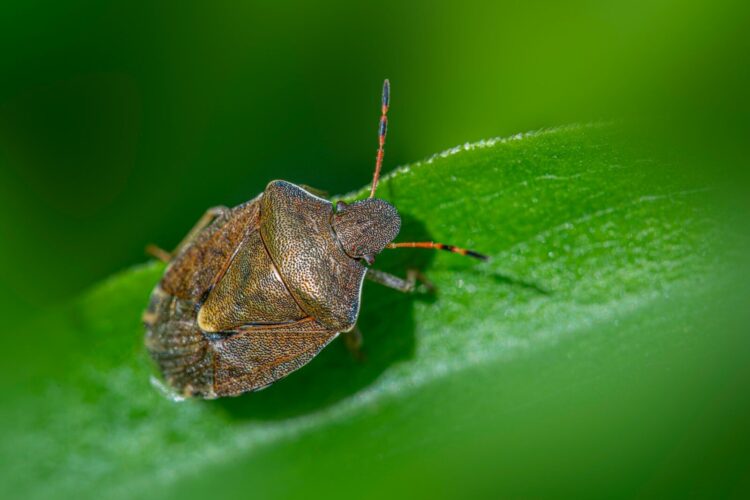
Stink bugs invade your house for one reason: shelter. As days shorten and nights cool in late summer and fall, they look for a protected place to wait out the winter, and the walls, attic, and window frames of a warm home fit that need. They aren’t drawn to crumbs or clutter, and they won’t set up a breeding colony indoors.
That distinction changes how you deal with stink bugs in house sightings. The bugs you see crawling on a window in January most likely slipped in back in September and October, then spent weeks tucked inside a wall void or attic. Once you know where they got in, you can remove the ones inside without releasing their odor and seal the openings before next fall’s arrival.
Why Do Stink Bugs Move Indoors in the Fall?
Stink bugs move indoors because cooler temperatures and shorter days trigger a survival response called diapause. This is a dormant phase in their life cycle. During it, they stop feeding, stop reproducing, and look for a sheltered spot to sit still until spring.
Outdoors, that spot might be loose tree bark or a pile of dead wood. Your house offers something better: stable temperatures and hundreds of small, dry hiding places. In much of the US, the search for winter shelter runs from late August through October.
You’ll notice the most activity on mild, sunny fall afternoons. Stink bugs move more easily when it’s warm, so a string of warm days after a cold snap brings a fresh wave to your siding and windows.
If you’re asking why stink bugs are in your house during the middle of winter, the answer is that same fall migration. Bugs that settled into walls in October wake up when indoor heat or a sunny day warms their hiding spot. They wander toward light, which is why you find them on windowsills and lampshades in January or February. They aren’t new arrivals. They’re the same group, emerging a few at a time.
What Attracts Stink Bugs to Your House?
Warmth, light, easy access, and nearby plants attract stink bugs to your house. Food inside your home plays no part. In fall, they gather on the sunniest, warmest walls (south- and west-facing sides in particular) and then crawl into whatever gaps they find.
Several conditions make one house more appealing than the one next door:
- Sun exposure. Light-colored siding that soaks up afternoon sun draws large clusters.
- Outdoor lighting. Porch lights and floodlights near doors pull bugs toward entry points at dusk.
- Nearby vegetation. Homes close to farm fields, orchards, large gardens, or ornamental trees and shrubs see bigger numbers, because that’s where stink bugs feed all summer.
- Gaps and cracks. The more openings your exterior has, the more bugs end up inside.
There’s one more factor worth knowing. When stink bugs find a good overwintering site, they release an aggregation pheromone, a scent signal that tells other stink bugs the spot is suitable. A handful on your siding in September can become dozens within days. Removing the first arrivals promptly cuts down on that signal.
How Do Stink Bugs Get Inside?
Stink bugs squeeze through small openings in your home’s exterior. Gaps wider than about 4 millimeters or holes larger than 8 millimeters are enough. That’s roughly the thickness of a pencil, so cracks you’d never notice from the ground let them in.
The common entry points are around window and door frames, under siding, along the foundation, and where pipes, cables, dryer vents, and outdoor spigots pass through the wall. Window air conditioners and torn screens are frequent culprits too.
Upper-level openings get missed most often. Stink bugs climb, and they cluster high on sunny walls, so they find gaps in soffits, under fascia boards, around roof vents, and at attic vents with damaged or loose screens. An open fireplace flue gives them another way in from above.
You can use where you see stink bugs in the house to trace where they came in:
- Bugs on upstairs windows, ceilings, or in bedrooms on the top floor point to the attic, soffits, or roof vents.
- Bugs around one particular window suggest a gap in that frame, its screen, or the caulk around it.
- Bugs near bathroom or kitchen fixtures often follow plumbing and wiring through wall penetrations.
- Bugs near light fixtures and ceiling fans hint they’re moving through ceiling voids from the attic.
- Bugs by the fireplace mean the flue or chimney cap needs attention.
Note those spots on a list. They become your sealing checklist later.
What Happens After Stink Bugs Enter?
After stink bugs get in, most of them hide and stay inactive until spring. They settle into wall voids, attics, and the gaps behind trim, then trickle out on warm days through winter. In early spring, they try to get back outdoors to feed and mate.
The species you’re most likely seeing is the brown marmorated stink bug, an invasive insect from East Asia first found in Pennsylvania in the late 1990s. It’s about the size of a dime, with a mottled brown, shield-shaped body and light and dark bands on its antennae and along the edges of its abdomen. Green stink bugs, including the southern green stink bug, also turn up indoors, though in smaller numbers.
This is where a stink bug infestation differs from roaches or ants. Overwintering stink bugs don’t feed or breed inside, and females can’t reproduce until spring. Seeing more of them over the winter means more were already hiding, not that they’re multiplying in your home.
Are stink bugs harmful? Not to you or your pets. They don’t bite, sting, or spread disease, and they won’t damage wood, chew fabric, or get into stored food. The real problems are nuisance ones. They release an odor when crushed or threatened, and squashing one can leave a stain on walls, curtains, or upholstery. Some people with sensitivities report irritation from the odor, so keep your handling gentle.
How Can You Remove Stink Bugs Without the Smell?
Vacuuming is the easiest odor-free method of how to get rid of stink bugs indoors. Stink bugs release their smell when they’re squeezed or alarmed, so the goal is to collect them without crushing them.
Use a vacuum with a bag and a narrow attachment for corners and window tracks. Seal and remove the bag right away, then take it to an outdoor trash bin. If your vacuum is bagless, try this trick: slip a knee-high stocking into the hose and secure the open end around the outside with a rubber band. The bugs collect in the stocking, which you can tie off and toss without the smell getting into the machine.
For a few bugs at a time, try one of these:
- Soapy water trap. Fill a jar with water and a squirt of dish soap, then knock the bug in. The soap breaks surface tension, and the bug drowns.
- Cup and paper. Cover the bug with a cup, slide paper underneath, and release it well away from the house.
- Tissue pickup. Lift it gently with a tissue and drop it into an outdoor bin.
When you’re working out how to get rid of stink bugs in house corners and attics, skip bug bombs. Insecticides sprayed into wall voids can leave dead bugs that draw carpet beetles. If you’re collecting dozens a day despite steady vacuuming, a pest management professional can find hidden entry points and treat exterior surfaces in early fall.
How Can You Keep Stink Bugs Out Next Fall?
Sealing your home before late August works best for how to prevent stink bugs. Do the work in late spring or summer, after overwintering bugs have left and before the next fall rush begins. Start with the entry points you noted from this year’s sightings.
Here’s how to prevent stink bugs from entering your house, room by room and wall by wall:
- Seal cracks and gaps around window frames, door frames, siding joints, and the foundation with silicone or silicone-latex caulk.
- Fill larger openings around pipes, cables, and dryer vents with expanding foam or copper mesh.
- Replace worn weather stripping around doors and windows.
- Install door sweeps so no daylight shows under exterior doors, including the garage entry.
- Repair torn window screens, and remove window air conditioners once the weather cools.
- Cover attic and roof vents with fine screening, and check soffits and fascia boards for gaps. A ladder or a pair of binoculars helps you inspect these upper areas.
- Close the fireplace damper when you aren’t using it, and add a chimney cap.
Outside, cut back tall grass and trim shrubs away from your walls. Swap white porch bulbs for yellow or amber ones, and turn outdoor lights off overnight during September and October.
If stink bugs keep getting in after you’ve sealed the obvious gaps, call a pest management company. A technician can inspect high spots such as roof lines and apply an exterior treatment in late summer, timed before the bugs start gathering on your walls.
Comments
Loading…