
 Jade Reed
Health Experts Warn You Should Clean Your Hands After Touching These 10 Things
You wash your hands before meals and after using the bathroom, but what about all the other times?
Germs lurk on everyday objects we touch constantly without even thinking about it.
Some of these items carry more bacteria than a toilet seat, which sounds pretty gross.
Learning which things are the biggest germ spreaders can help you stay healthier and avoid getting sick.
1. Public Door Handles
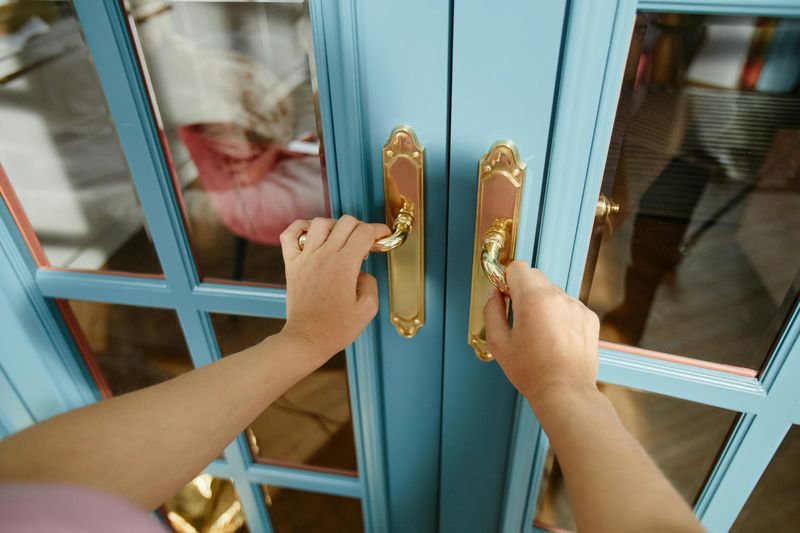
Think about how many people grab the same door handle at your school, mall, or doctor’s office every single day.
Hundreds of hands leave behind their germs, creating a bacteria party right where you’re about to touch.
Research shows that door handles can harbor cold viruses, flu bugs, and even stomach-upsetting germs.
The handles near bathrooms are especially nasty because not everyone washes properly.
Your best move is washing up right after touching them, or use your sleeve as a barrier when possible.
Hand sanitizer works great when soap and water aren’t nearby, giving you quick protection on the go.
2. Shopping Cart Handles
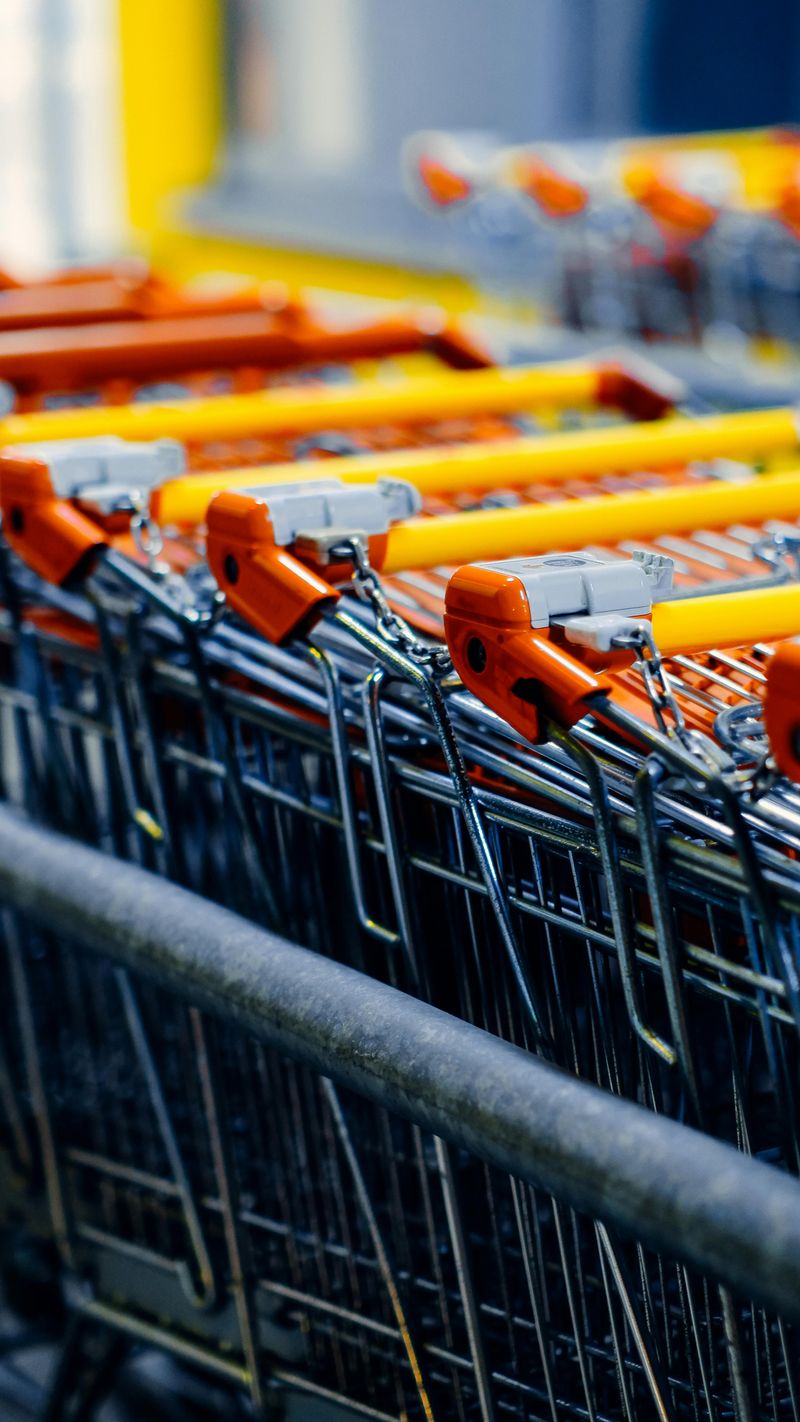
Ever noticed that sticky feeling on shopping cart handles?
That’s not just spilled soda or food residue—it’s also a cocktail of germs from countless shoppers before you.
Studies have found fecal bacteria on most shopping carts, which is seriously disgusting when you think about it.
Parents often put little kids in the cart seat, and those diapers can leak.
Plus, people touch raw meat packages and then grab the handle without thinking twice.
Many stores now offer sanitizing wipes at the entrance, so grab one and give that handle a good wipe-down before shopping.
3. Paper Money and Coins
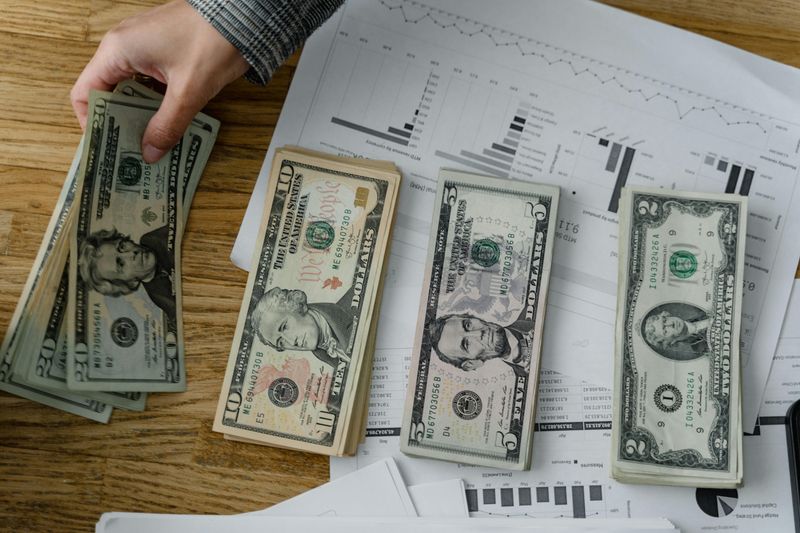
Cash changes hands constantly, traveling from wallets to registers to pockets and back again.
Money touches all sorts of surfaces and collects bacteria, viruses, and even traces of drugs along its journey.
Scientists have discovered that paper bills are especially good at holding onto germs because of their fabric-like texture.
Coins aren’t much better, though metal does kill some bacteria naturally over time.
The problem is that new germs keep landing on currency faster than the old ones die off.
After handling cash at a store or getting change from a vending machine, find a sink or use hand sanitizer before touching your face or eating anything.
4. Your Smartphone Screen
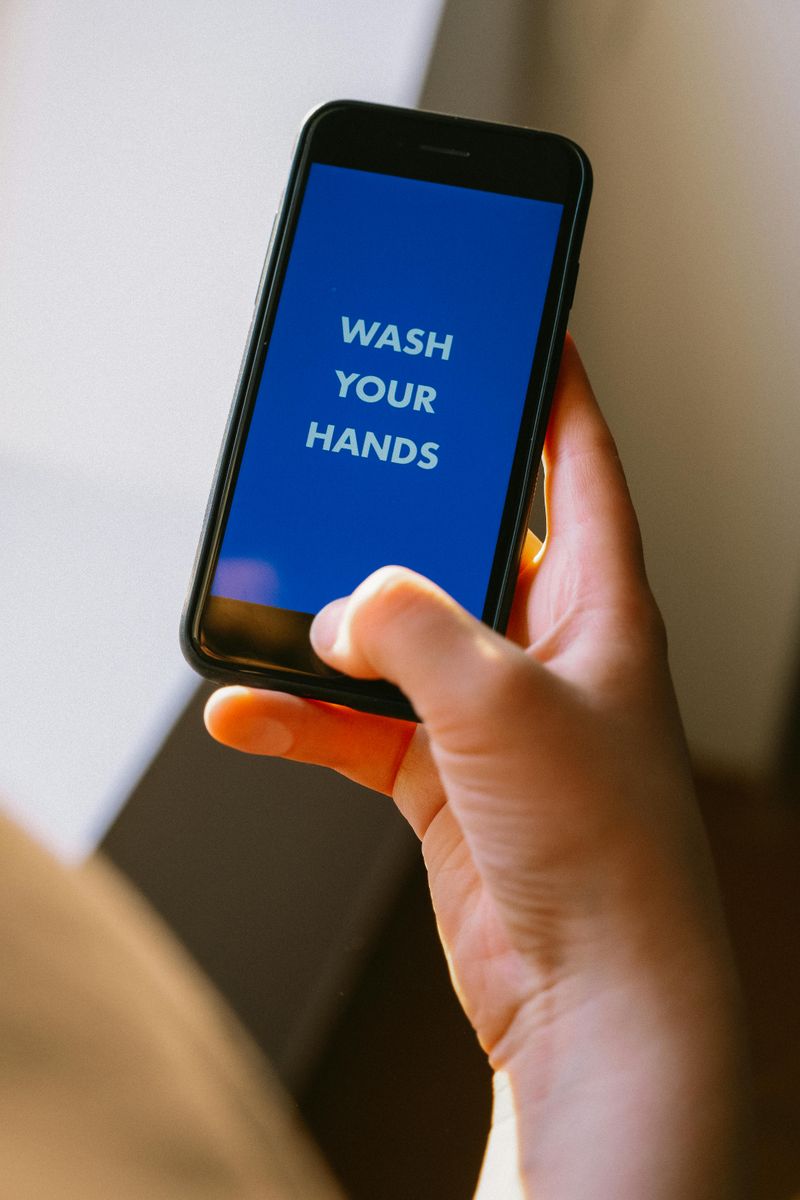
You probably touch your phone hundreds of times each day, taking it everywhere from the bathroom to the bus.
Each time you set it down on a table, counter, or other surface, it picks up new passengers—bacteria that then transfer right back to your hands and face.
Your phone stays warm in your pocket, creating the perfect breeding ground for germs to multiply.
Studies show phones carry ten times more bacteria than most toilet seats!
Regular cleaning with alcohol wipes helps, but washing your hands after extended phone use matters too.
Think about where your phone has been today and you’ll understand why this habit is so important.
5. ATM and Elevator Buttons
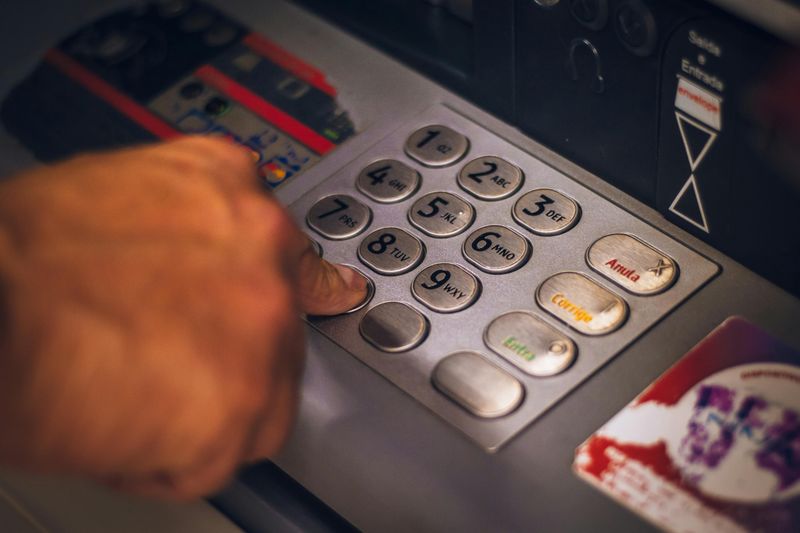
Pushing buttons might seem harmless, but these small surfaces collect germs from every single person who touches them.
ATM keypads get pressed by people who just left the gym, finished eating, or who knows what else.
Elevator buttons in apartment buildings or hotels see action day and night from residents, visitors, and delivery workers.
What makes buttons extra risky is how often people touch them without thinking.
You press the button, the door opens, and you walk through—probably touching your face or phone within minutes.
Cold and flu viruses can survive on these hard surfaces for hours or even days, waiting for their next victim.
6. Public Bathroom Faucets

Here’s something ironic: the faucet you use to wash your hands is actually pretty dirty itself.
Everyone touches the faucet handles before washing, which means all those germs get transferred right there.
Even though water runs over them constantly, faucets don’t clean themselves, and bacteria love damp environments.
Automatic faucets solve this problem, but most public bathrooms still use the twist or push kind.
Your best strategy is washing thoroughly, then using a paper towel to turn off the faucet and open the bathroom door.
This prevents you from picking up germs right after cleaning your hands, which would defeat the whole purpose of washing in the first place.
7. Restaurant Menus
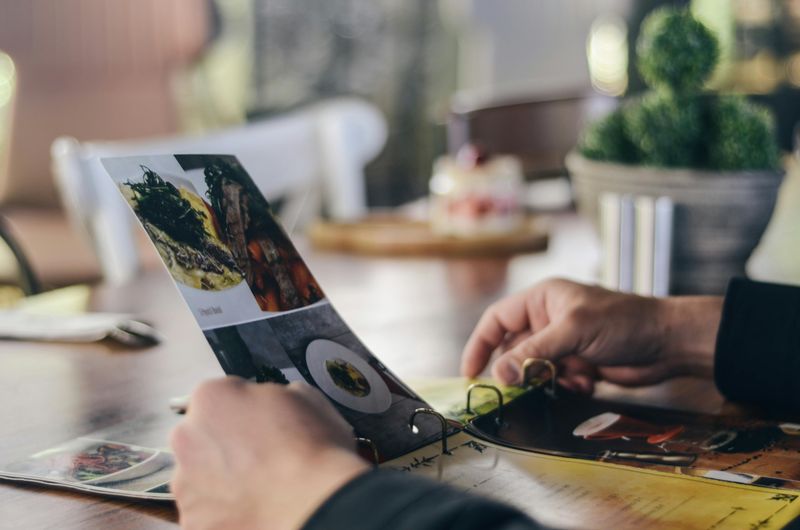
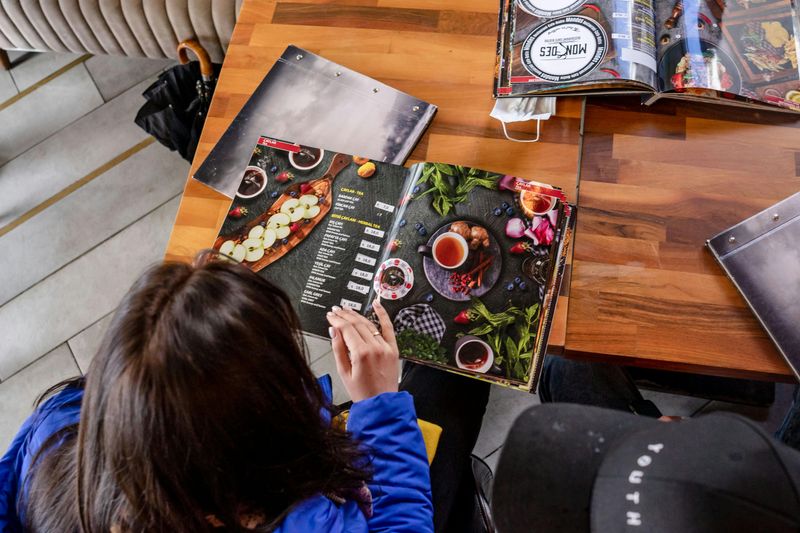
When was the last time you saw someone wipe down a menu at a restaurant?
Probably never, even though menus pass from table to table all day long.
Sticky fingers from kids, sneezes, coughs, and who knows what else all leave their mark on those pages.
Laminated menus are especially bad because their smooth surface lets bacteria stick around longer.
Some restaurants are switching to disposable paper menus or digital options, which helps a lot.
Until then, checking out the menu is fine, but wash up before your food arrives.
Better yet, use hand sanitizer right after ordering, so you’re fresh and clean when those delicious meals hit your table.
8. Gas Pump Handles
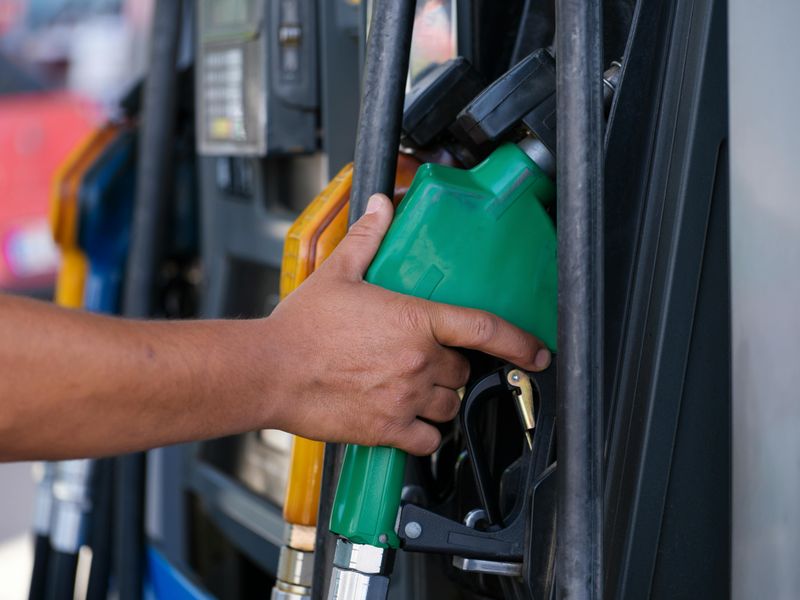
Filling up your car means grabbing a handle that hundreds of other drivers touched that same week.
Gas pump handles sit outside in all weather conditions, getting grimy from fuel residue, dirt, and hand oils.
Studies have found that these handles rank among the germiest things we touch regularly, carrying cold viruses and dangerous bacteria like E. coli.
Many gas stations provide paper towels or gloves near the pumps, which smart people use every single time.
If those aren’t available, pump your gas and then sanitize immediately after.
Keep a bottle of hand sanitizer in your car specifically for this purpose, and make it a habit before driving off.
9. Pet Food and Water Bowls
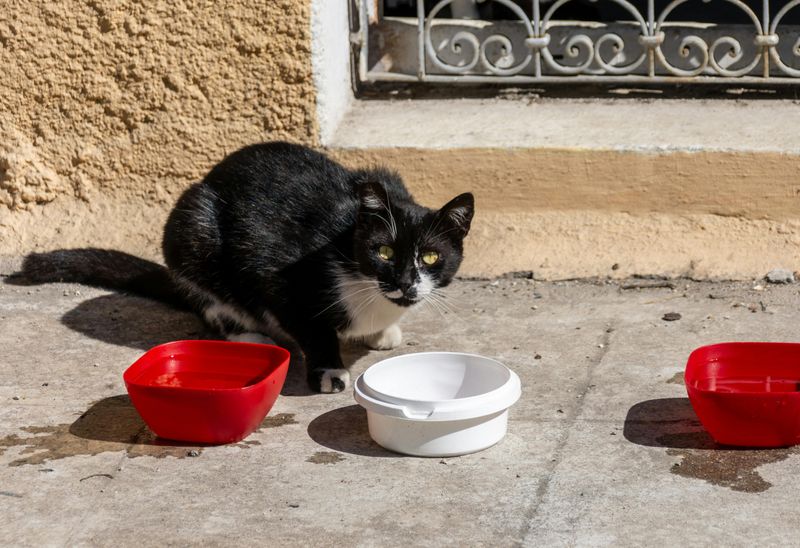
You love your furry friend, but their food and water bowls can make you seriously sick if you’re not careful.
Pets lick their bowls clean, leaving behind saliva filled with bacteria.
Wet pet food creates slim buildup where dangerous germs like Salmonella can grow rapidly, especially in warm kitchens.
Even dry kibble bowls need regular washing because oils and dust create a biofilm coating.
Water bowls develop that slimy feeling within days, which is actually bacterial growth.
After touching pet bowls to fill them or move them for cleaning, always wash your hands with soap and water.
Your immune system might handle these germs fine most days, but why take chances?
10. Shared Office Equipment

Keyboards, mice, copy machines, and shared phones in your workplace are touched by coworkers all day long.
Someone with a cold uses the copy machine during their morning shift, then you use it after lunch—boom, you’re exposed.
Office equipment rarely gets cleaned properly, letting germs build up in keyboard cracks and on mouse surfaces.
During cold and flu season, offices become germ-sharing festivals where illnesses spread like wildfire.
Bringing your own keyboard and mouse helps if possible, but that’s not always practical.
The realistic solution is keeping hand sanitizer at your desk and using it throughout the day, especially after touching equipment other people use regularly.
Comments
Loading…