
 Chloe Peterson
Our grandparents could survive without electricity, internet, or smartphones.
They knew how to find food, build shelter, and navigate using only the stars.
Today, most of us would struggle to last a week without modern conveniences.
The practical skills that once kept our ancestors alive are fading fast, and we’re losing something valuable in the process.
1. Starting Fire Without Modern Tools
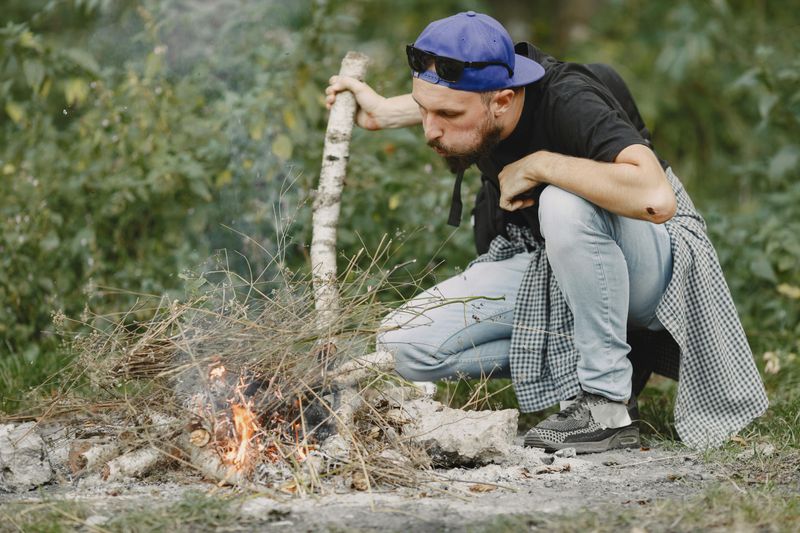
Rubbing two sticks together sounds like a cartoon joke, but your great-grandparents actually knew how to do it.
Creating fire from scratch was an everyday skill, not a party trick.
People understood different friction methods, which woods worked best, and how to prepare tinder bundles that caught instantly.
Modern lighters make fire so easy that we forgot the science behind it.
Most people today couldn’t start a campfire without matches even if their lives depended on it.
Understanding fire-starting basics meant knowing about oxygen flow, dry materials, and patience.
This skill kept families warm, cooked their meals, and protected them from wild animals.
Now we panic when the barbecue lighter runs out of fluid.
2. Reading Paper Maps and Using a Compass
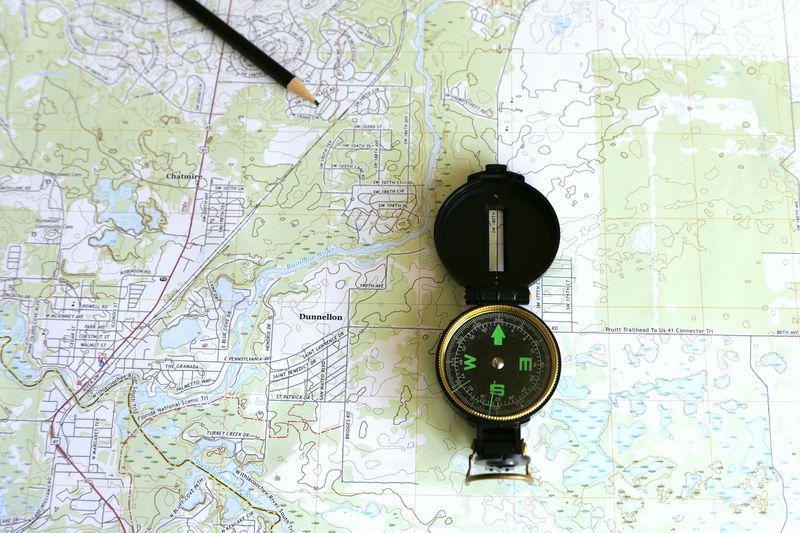
GPS tells us exactly where to go, but what happens when your phone dies?
Two generations ago, everyone learned to read topographic maps and use a magnetic compass.
These tools helped travelers navigate forests, mountains, and unknown territories without satellites or cell towers.
Understanding contour lines, map symbols, and directional bearings was basic education.
Kids learned north, south, east, and west before they could spell properly.
People could estimate distances, identify landmarks, and plan routes using only paper and their brains.
Today, we blindly follow blue dots on screens.
We’ve outsourced our sense of direction to technology that can fail anytime.
3. Preserving Food Without Refrigeration
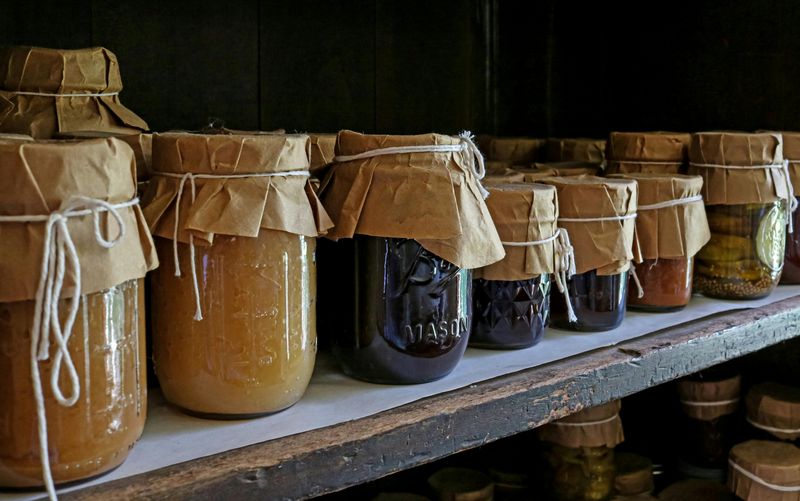
Before every kitchen had a refrigerator, people mastered amazing food preservation techniques.
Canning, smoking, salting, pickling, and fermenting turned fresh harvests into food that lasted months or even years.
Your grandma probably spent entire summer days canning vegetables and making preserves.
These methods weren’t just practical; they created incredible flavors we’re rediscovering now.
Fermented foods improved digestion and provided probiotics naturally.
Dried fruits concentrated sweetness without adding sugar.
Nowadays, groceries stay fresh in fridges and freezers.
We throw away food constantly because we never learned to preserve it.
When power goes out, everything spoils, and we’re helpless to stop it.
4. Sewing and Mending Clothing
Ripped jeans?
Just buy new ones, right?
Not according to people born before 1960.
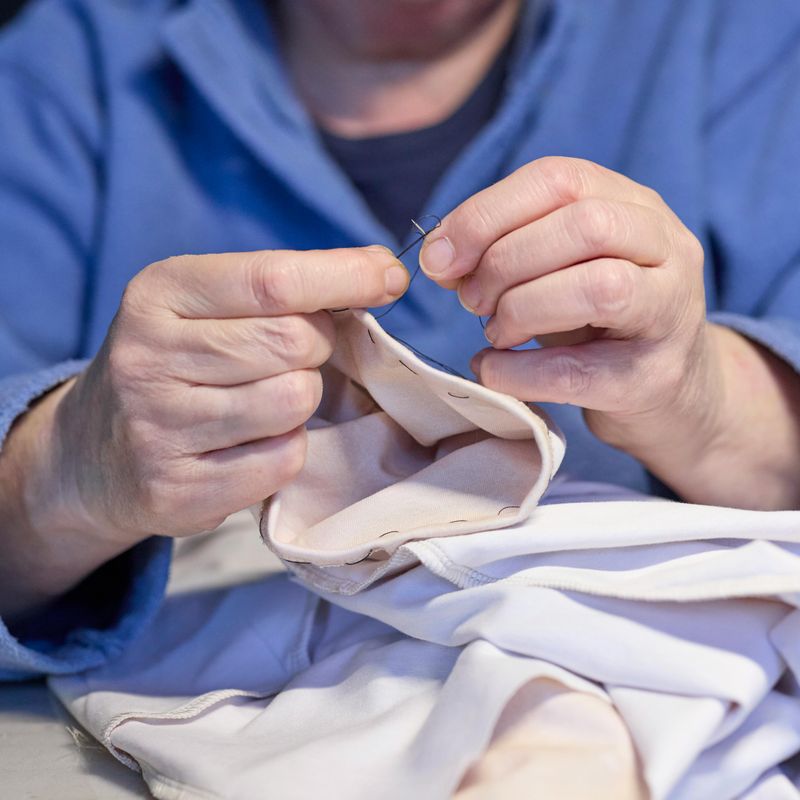
Back then, clothing was expensive and precious, so everyone learned basic sewing skills.
Mothers taught children how to thread needles, sew on buttons, patch holes, and darn socks before they became teenagers.
A small tear didn’t mean throwing away a shirt.
People repaired, altered, and remade clothes constantly.
They understood different stitches, fabric types, and how garments were constructed.
Fast fashion changed everything.
We now treat clothes as disposable items, wearing them a few times before tossing them.
The environmental cost is staggering, but we’ve lost the skills to fix what breaks.
5. Growing and Foraging Wild Foods
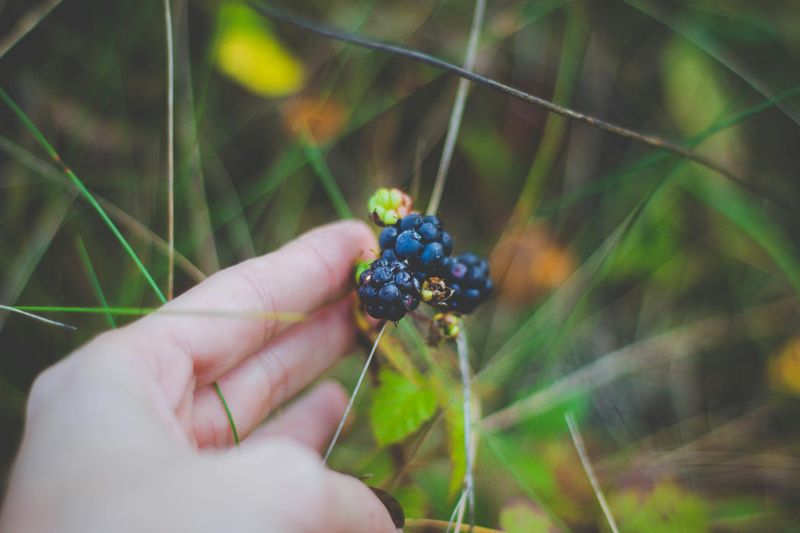
Knowing which plants you can eat might save your life someday.
Previous generations grew vegetables in backyard gardens and foraged wild edibles during walks through woods and fields.
They recognized hundreds of plant species, understanding which were nutritious, which were medicinal, and which were poisonous.
Gardening skills passed from parent to child like precious family recipes.
People knew when to plant seeds, how to enrich soil, and when each crop ripened.
Wild berries, nuts, mushrooms, and greens supplemented their diets naturally.
Supermarkets made this knowledge seem unnecessary.
We forgot that fresh food doesn’t magically appear in plastic packaging.
6. Basic Carpentry and Tool Skills
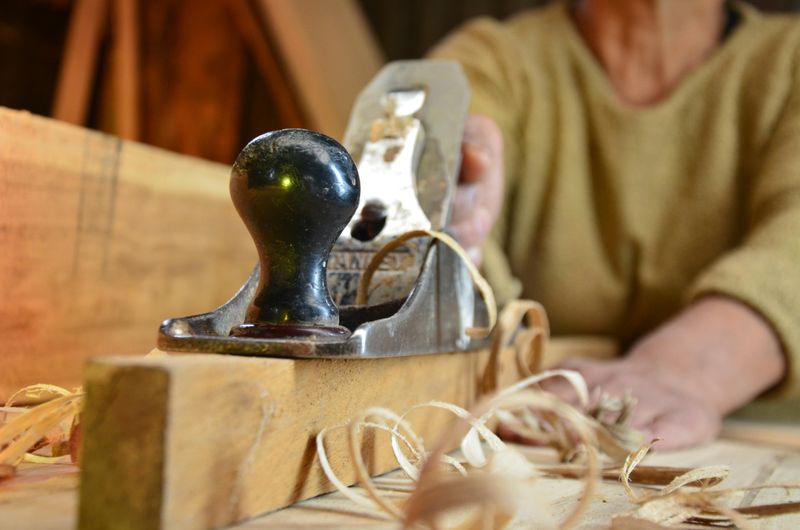
Could you build a simple bookshelf using only hand tools?
Your grandfather probably could, along with chairs, tables, and even small sheds.
Basic carpentry was considered essential knowledge for running a household.
Men and women both understood how different tools worked and how to fix broken furniture or construct simple items.
Hammering nails straight, sawing wood accurately, and measuring precisely were everyday skills.
People maintained their own homes because hiring professionals for every small job was expensive.
We now call contractors for hanging pictures.
YouTube tutorials help, but watching videos differs completely from having hands-on experience passed down through generations of practice and teaching.
7. Reading Weather Patterns and Natural Signs
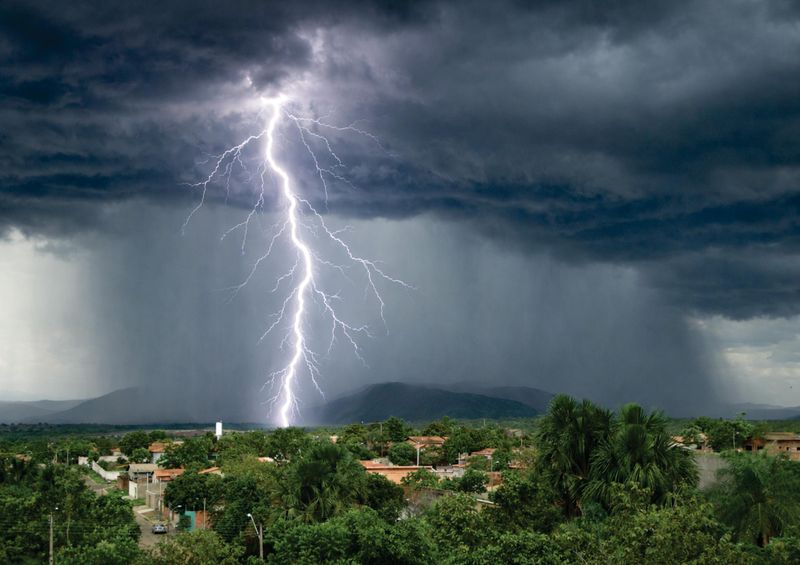
Farmers once predicted storms days ahead by watching clouds, feeling wind changes, and observing animal behavior.
They didn’t need meteorologists or weather apps.
Nature provided constant clues about coming conditions through cloud shapes, sunset colors, air pressure feelings, and wildlife movements.
Sailors read waves and stars to navigate safely.
Shepherds knew when to bring flocks down from mountains.
This knowledge came from careful observation and understanding natural patterns.
Weather apps now tell us everything instantly.
We’ve stopped paying attention to the sky, losing our connection to nature’s rhythms and our ability to sense environmental changes happening around us constantly.
8. Natural First Aid and Herbal Remedies
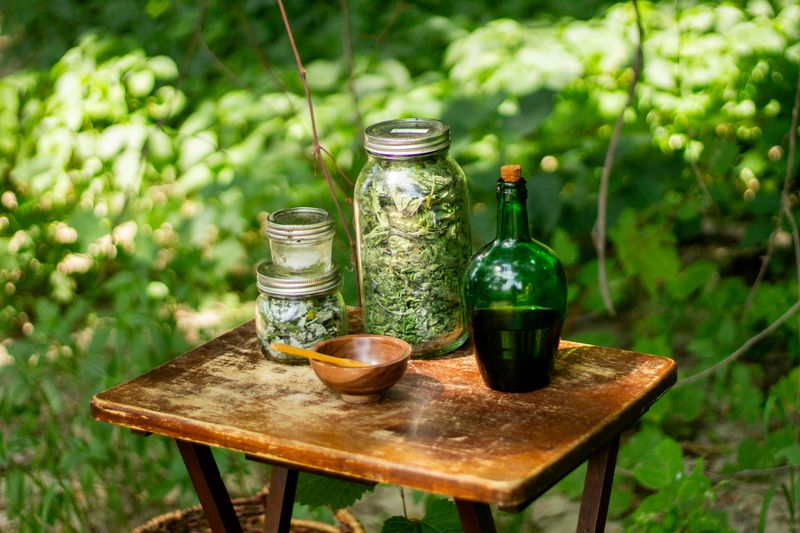
Pharmacies weren’t always on every corner.
People treated common ailments using plants, home remedies, and practical first aid knowledge passed through families.
They knew which herbs reduced fever, which plants stopped bleeding, and how to set broken bones or treat burns using household items.
Grandmothers kept medicine cabinets stocked with willow bark, chamomile, honey, and dozens of other natural treatments.
These weren’t superstitions but effective remedies based on generations of experience.
Minor injuries and illnesses got handled at home confidently.
We now rush to emergency rooms for everything.
Without pharmaceutical options, most people wouldn’t know where to start treating even simple problems naturally.
Comments
Loading…