
 Chloe Peterson
12 Hit Movies Accused of Copying Earlier Classics
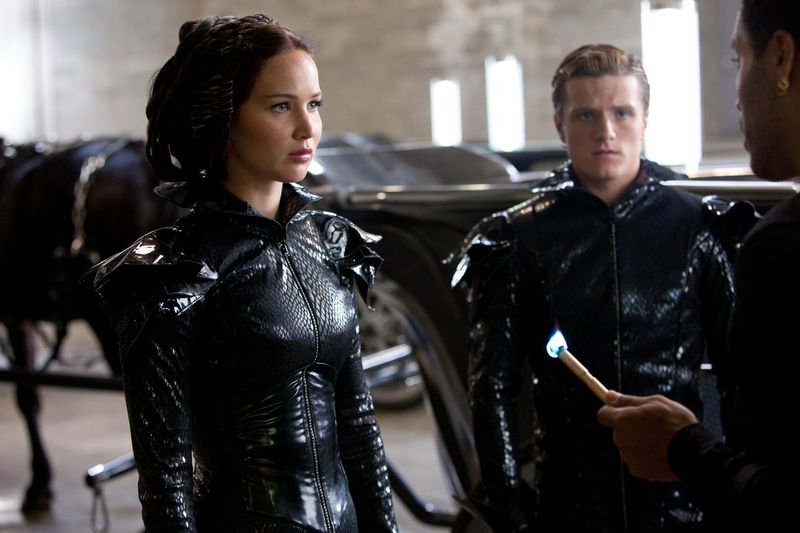
Hollywood has a long history of borrowing ideas, but sometimes the line between inspiration and imitation gets pretty blurry.
Over the years, several blockbuster films have faced accusations of copying plots, characters, or visuals from earlier movies.
Some of these claims led to lawsuits, while others sparked heated debates among fans and critics.
Whether you call it homage or outright theft, these 12 films all share one thing in common: they made people wonder if they had seen these stories somewhere before.
1. The Lion King and Kimba the White Lion
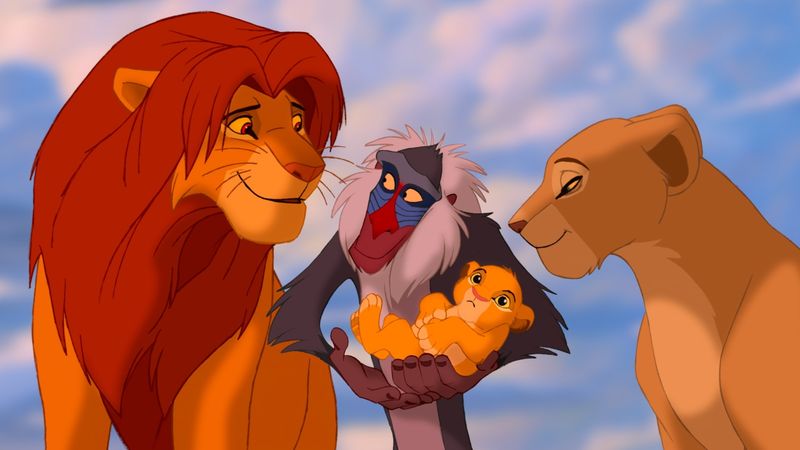
When Disney released The Lion King in 1994, it became an instant classic.
However, fans of Japanese anime quickly noticed striking similarities to a 1960s series called Kimba the White Lion.
Both stories feature young lion princes with strikingly similar names who must reclaim their kingdoms.
The visual parallels are hard to ignore.
Scene compositions, character designs, and even specific plot points seem to mirror each other.
Disney has always denied intentionally copying the anime, claiming their writers never saw it.
Despite the controversy, The Lion King went on to become one of the highest-grossing animated films ever made.
The debate continues to divide fans who love both versions.
2. Avatar and Pocahontas
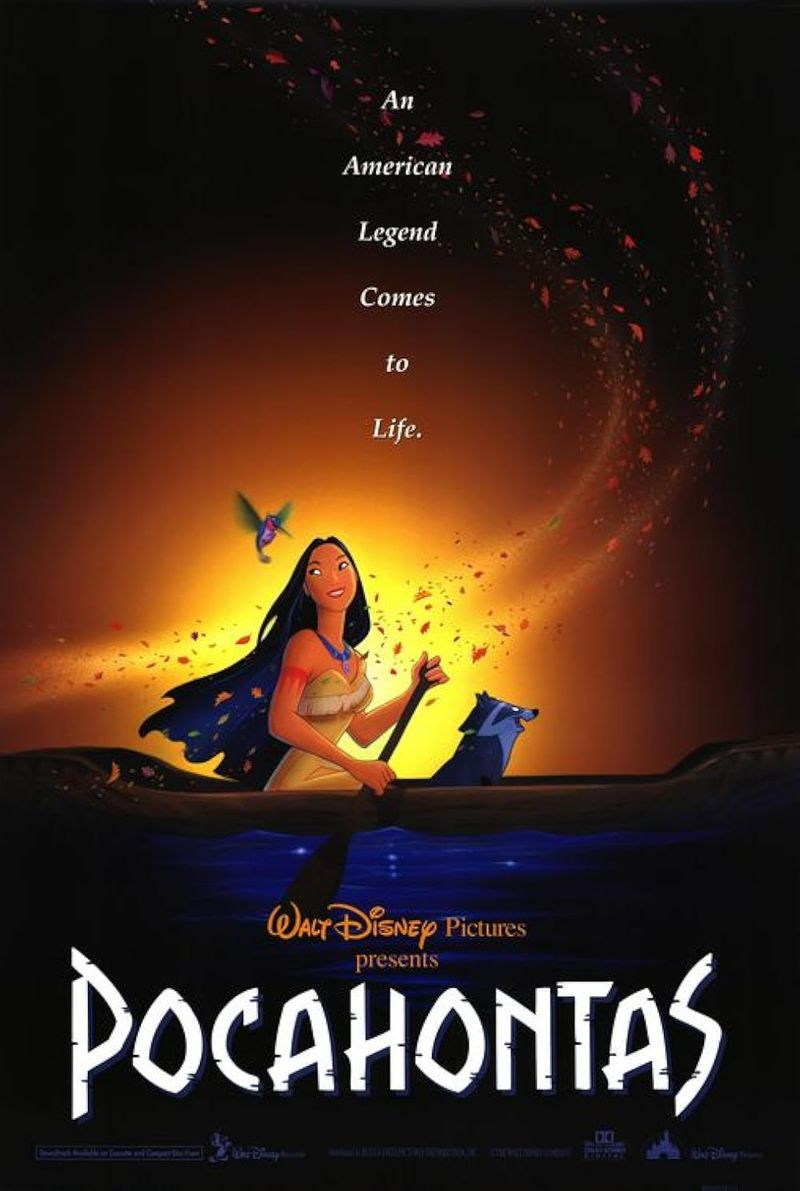
James Cameron’s Avatar broke box office records in 2009, but many viewers noticed it followed a familiar pattern.
The story of an outsider who falls in love with a native princess while corporations threaten her homeland sounds awfully familiar.
Replace the blue aliens with Native Americans, and you basically have Pocahontas.
Both films explore themes of colonization, environmental destruction, and cultural understanding.
Even the character arcs match almost beat for beat.
Cameron acknowledged drawing from many sources but defended his original vision.
Critics and audiences had mixed reactions.
Some praised Avatar’s stunning visuals while others called it Pocahontas in space with better special effects.
3. The Matrix and Ghost in the Shell
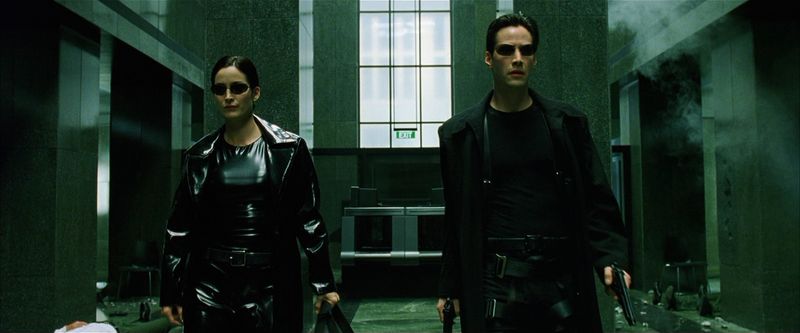
Few movies influenced sci-fi like The Matrix did in 1999.
Yet anime fans immediately recognized scenes that seemed lifted straight from the 1995 film Ghost in the Shell.
The Wachowskis even showed producers the anime when pitching their movie, saying they wanted to achieve that look.
Specific shots appear nearly identical between the two films.
The green digital rain, philosophical questions about consciousness, and certain action sequences show remarkable similarities.
However, the overall plots differ significantly.
The creators have openly acknowledged Ghost in the Shell as a major inspiration.
Most fans consider it respectful homage rather than plagiarism.
4. Star Wars and The Hidden Fortress
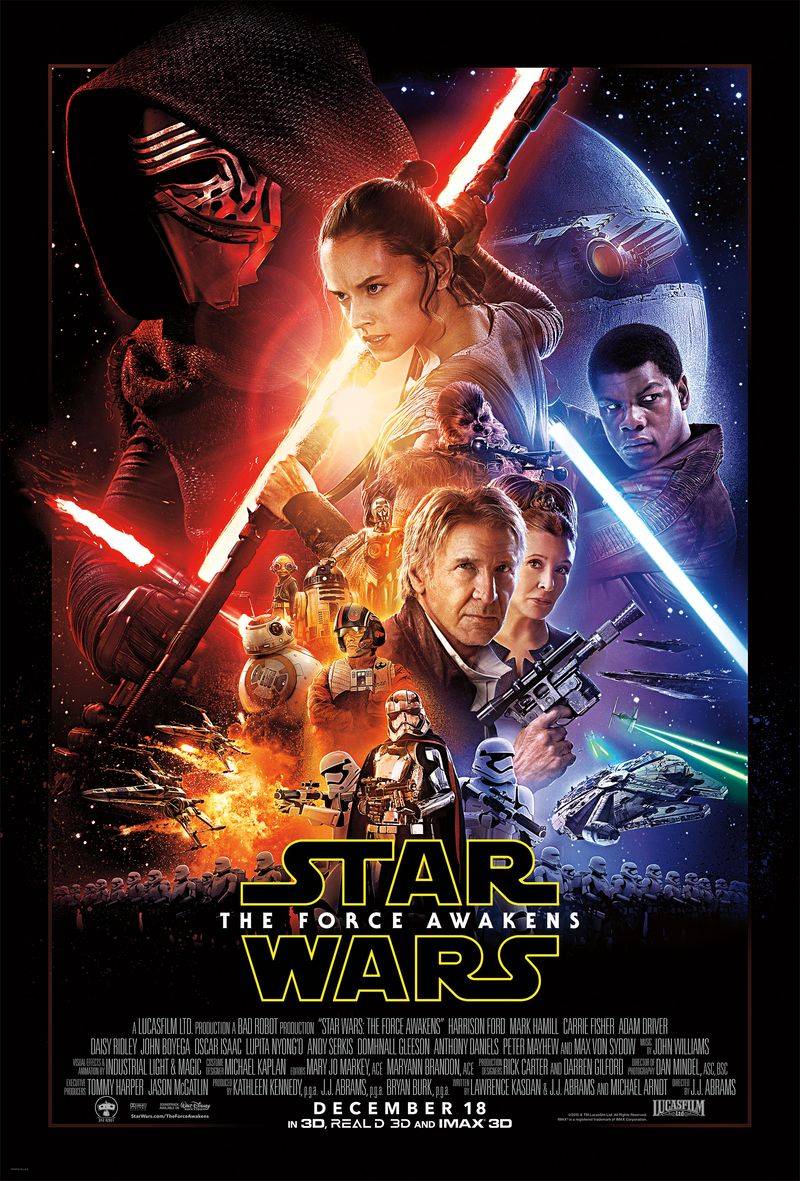
George Lucas revolutionized cinema with Star Wars in 1977, but he borrowed heavily from Akira Kurosawa’s 1958 samurai film The Hidden Fortress.
Two bickering peasants escort a princess through enemy territory, which sounds remarkably like C-3PO and R2-D2’s journey.
Lucas has been completely upfront about this influence.
The wipes between scenes, the story structure, and even some character relationships mirror Kurosawa’s masterpiece.
Unlike other entries on this list, Lucas openly credited the Japanese director as his primary inspiration.
Film scholars view this as a textbook example of how to properly honor your influences while creating something new.
5. The Hunger Games and Battle Royale
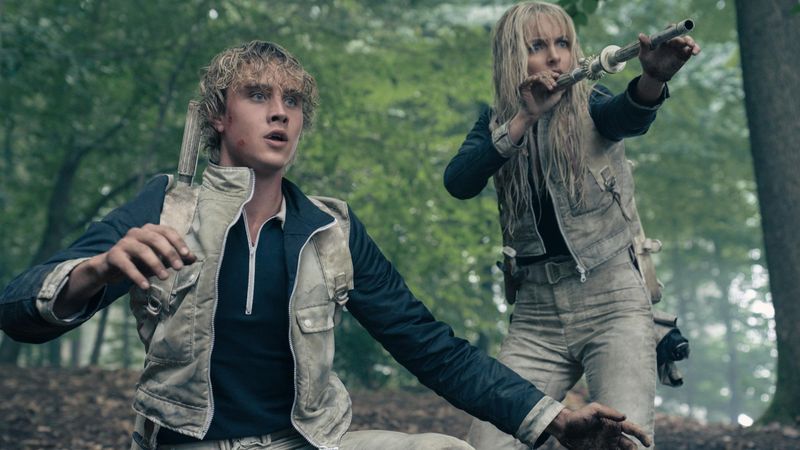
Battle Royale shocked Japanese audiences in 2000 with its disturbing premise: teenagers forced to fight to the death on an island.
When The Hunger Games arrived in 2012, the similarities seemed impossible to ignore.
Both feature young people competing in brutal, televised death matches orchestrated by oppressive governments.
Author Suzanne Collins claimed she had never heard of Battle Royale before writing her novels.
The plots do diverge in significant ways, with different themes and motivations driving each story.
Fans remain divided on whether this counts as copying or simply two creators exploring similar dystopian concepts independently.
6. Inception and Paprika
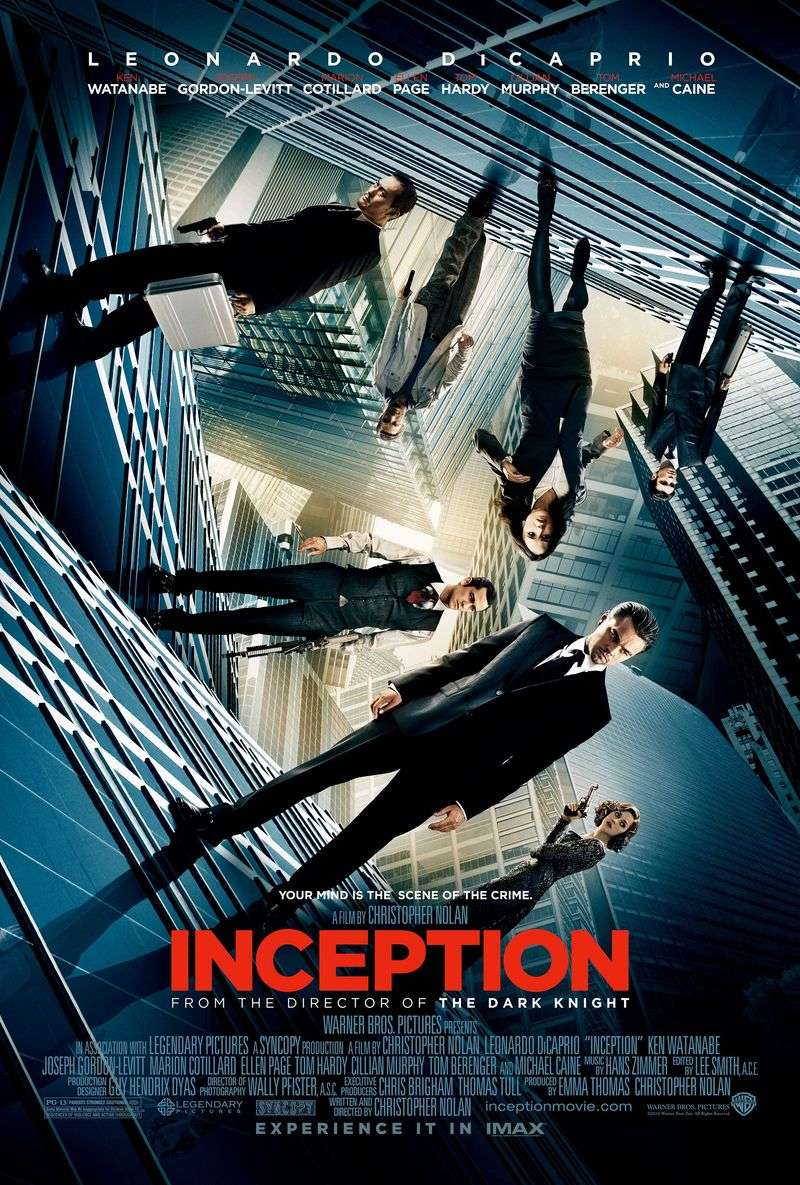
Christopher Nolan’s Inception wowed audiences in 2010 with its mind-bending exploration of dreams within dreams.
Anime enthusiasts, however, recognized strong parallels to Satoshi Kon’s 2006 film Paprika.
Both movies feature teams entering people’s dreams using special technology, with similar visual sequences showing hallways and mirrors.
Certain scenes appear almost identical in composition and concept.
The surreal dream imagery and collapsing realities follow remarkably similar patterns.
Nolan has never publicly acknowledged Paprika as an influence.
While both films are excellent, the similarities have sparked ongoing discussions about whether Nolan paid proper homage to Kon’s groundbreaking work.
7. Black Swan and Perfect Blue
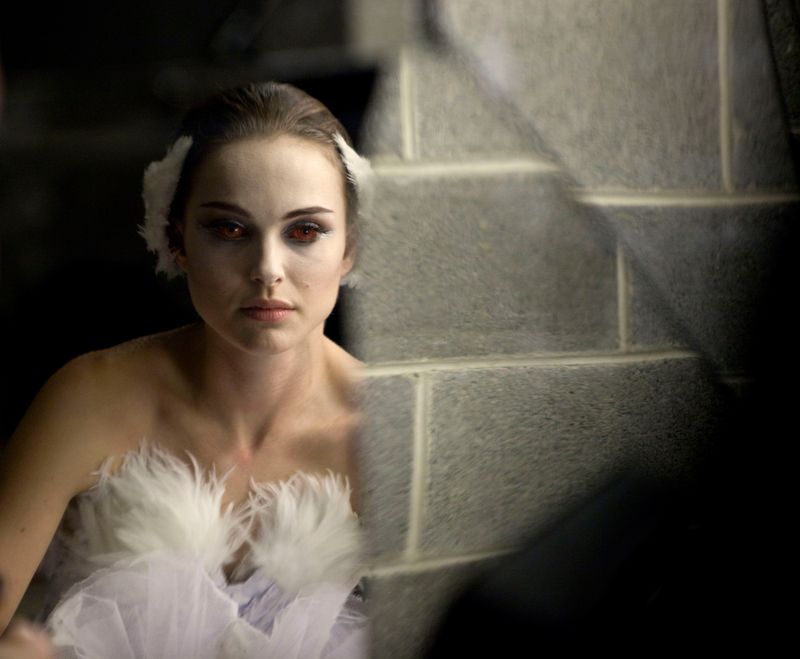
Darren Aronofsky’s Black Swan earned Natalie Portman an Oscar in 2010 for her portrayal of a ballerina losing her grip on reality.
Film buffs quickly pointed out the striking resemblance to Satoshi Kon’s 1997 psychological thriller Perfect Blue.
Both follow performers whose identities blur as they descend into madness.
The mirror scenes, paranoid delusions, and even specific shot compositions seem remarkably similar.
Aronofsky actually owns the rights to Perfect Blue and even recreated one iconic bathtub scene in his earlier film Requiem for a Dream.
This connection is well-documented, though debates continue about how much Black Swan owes to its anime predecessor.
8. Finding Nemo and Pierrot the Clownfish
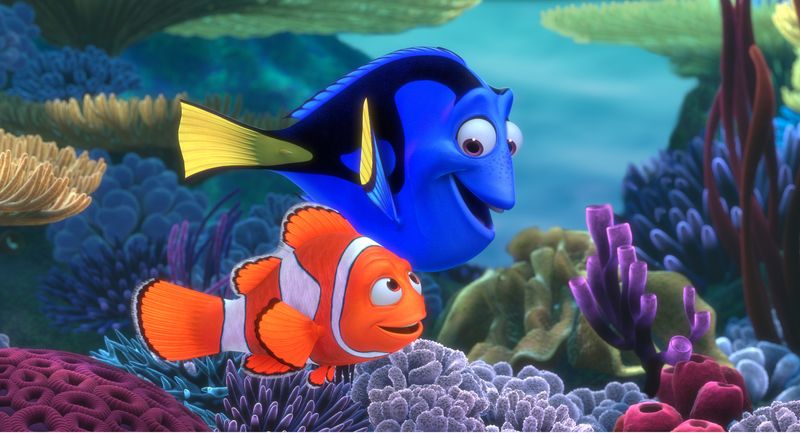
Pixar’s Finding Nemo charmed audiences worldwide in 2003.
French author Franck Le Calvez claimed the film copied his 2002 children’s book Pierrot the Clownfish.
Both stories feature a clownfish father searching for his son who was captured and placed in an aquarium.
Le Calvez filed a lawsuit in France, arguing the similarities were too specific to be coincidental.
He claimed he had sent his book to a Disney studio before the movie’s production began.
The courts ultimately ruled in Pixar’s favor, finding no evidence of copyright infringement.
The case remains a cautionary tale about proving creative theft in Hollywood.
9. The Magnificent Seven and Seven Samurai
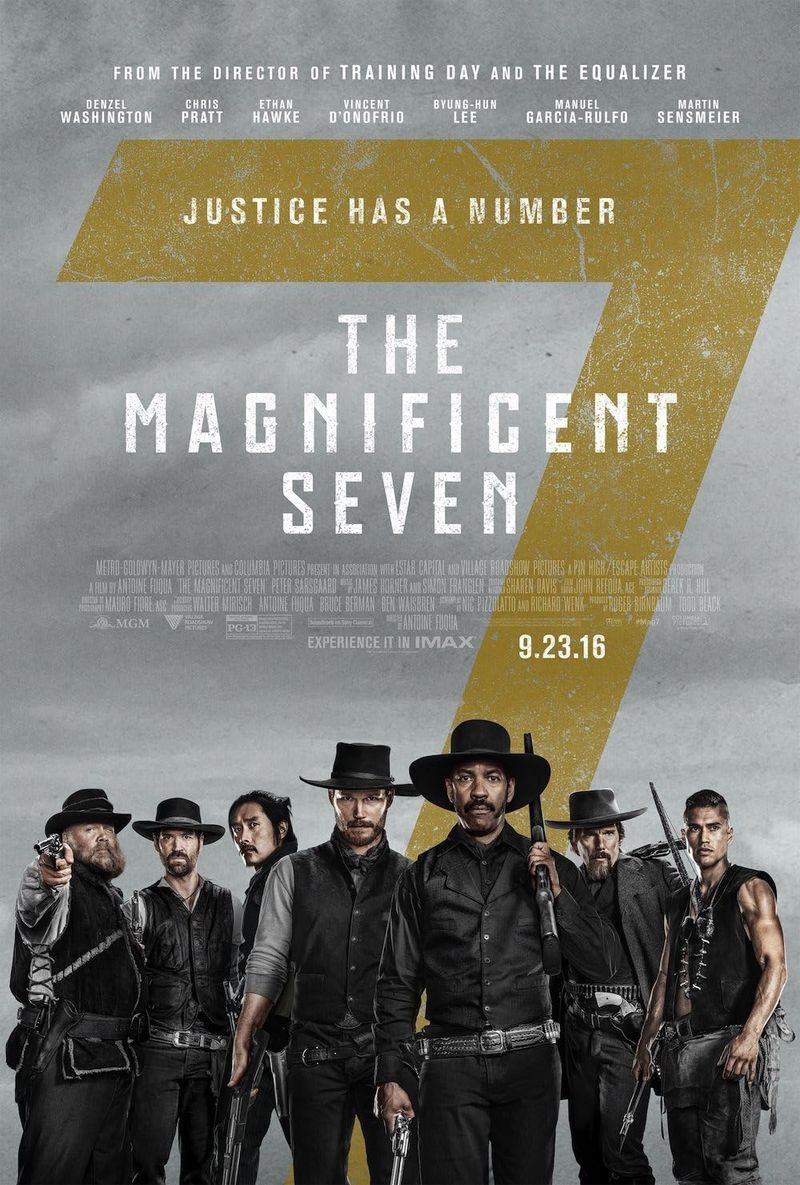
Sometimes copying is completely legal and acknowledged.
The Magnificent Seven from 1960 is an official western remake of Akira Kurosawa’s 1954 masterpiece Seven Samurai.
The plot remains virtually identical: seven warriors are hired to defend a village from bandits.
Every major character and plot point translates directly from feudal Japan to the Wild West.
The filmmakers purchased the rights and gave Kurosawa full credit.
This remake actually introduced many American audiences to Kurosawa’s work.
Unlike controversial copies, this one shows how remakes can honor the original while adapting it for different audiences and cultures successfully.
10. Get Out and The Stepford Wives
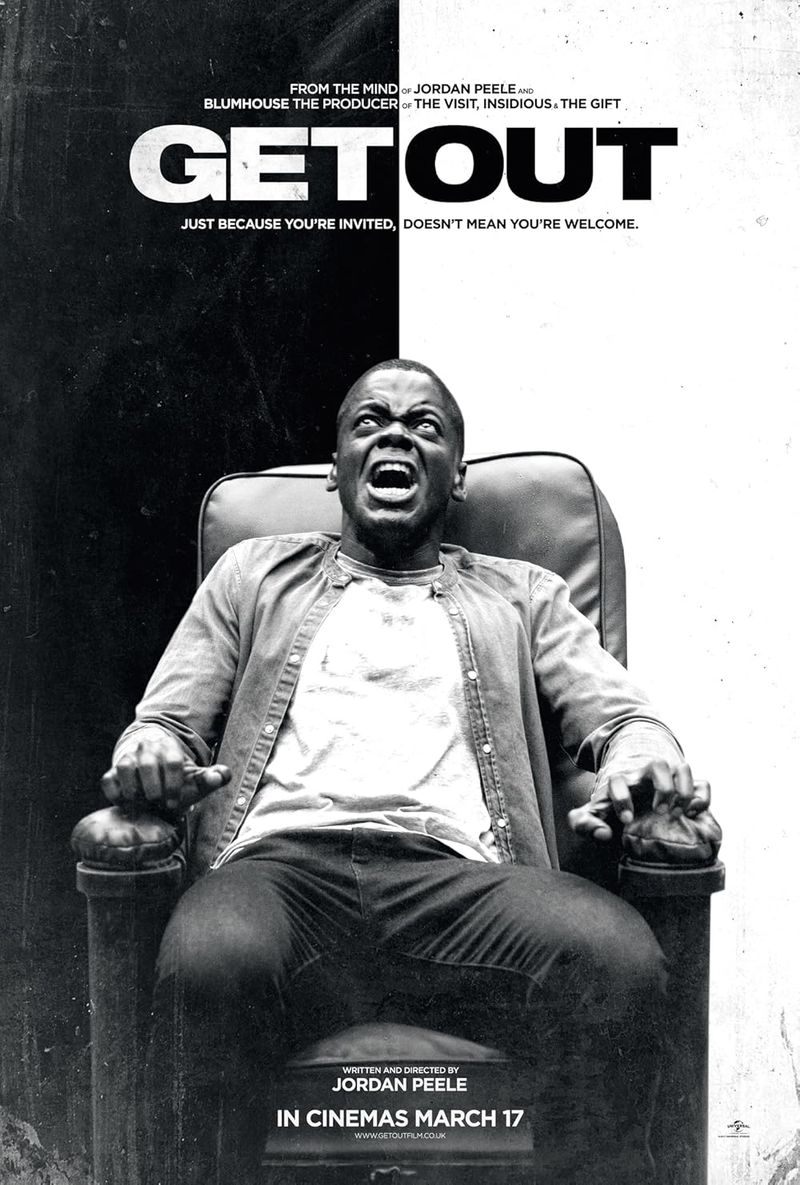
Jordan Peele’s Get Out became a cultural phenomenon in 2017, winning an Oscar for Best Original Screenplay.
Some critics noted thematic similarities to the 1975 film The Stepford Wives.
Both explore sinister suburban conspiracies where people are transformed into obedient versions of themselves.
The concept of replacing individuals with controllable copies appears in both films.
However, Get Out uses this premise to explore racial dynamics while Stepford Wives focused on gender roles.
Most viewers agree Peele created something entirely his own.
The films share a similar setup but execute their themes in completely different and equally powerful ways.
11. Frozen and The Snow Queen
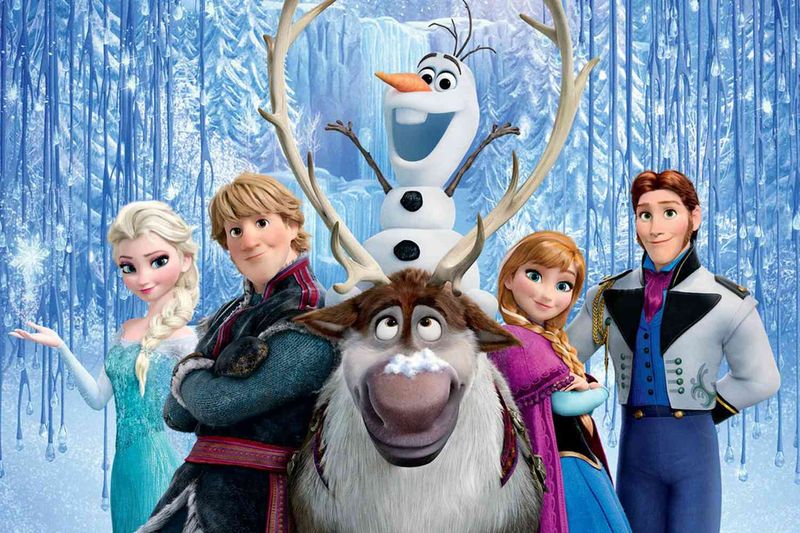
Disney’s Frozen broke records in 2013, becoming one of the most successful animated films ever.
The movie credits Hans Christian Andersen’s The Snow Queen as source material, but the differences are enormous.
Andersen’s dark fairy tale features a boy named Kai and his friend Gerda on a dangerous rescue mission.
Disney kept the ice queen concept but completely rewrote everything else.
The original story includes themes of religious redemption and doesn’t focus on sisterhood at all.
Some literary purists were disappointed by how loosely Disney adapted the classic tale.
Still, Disney clearly credited Andersen, making this more of a creative reimagining than plagiarism.
12. A Star is Born Multiple Versions
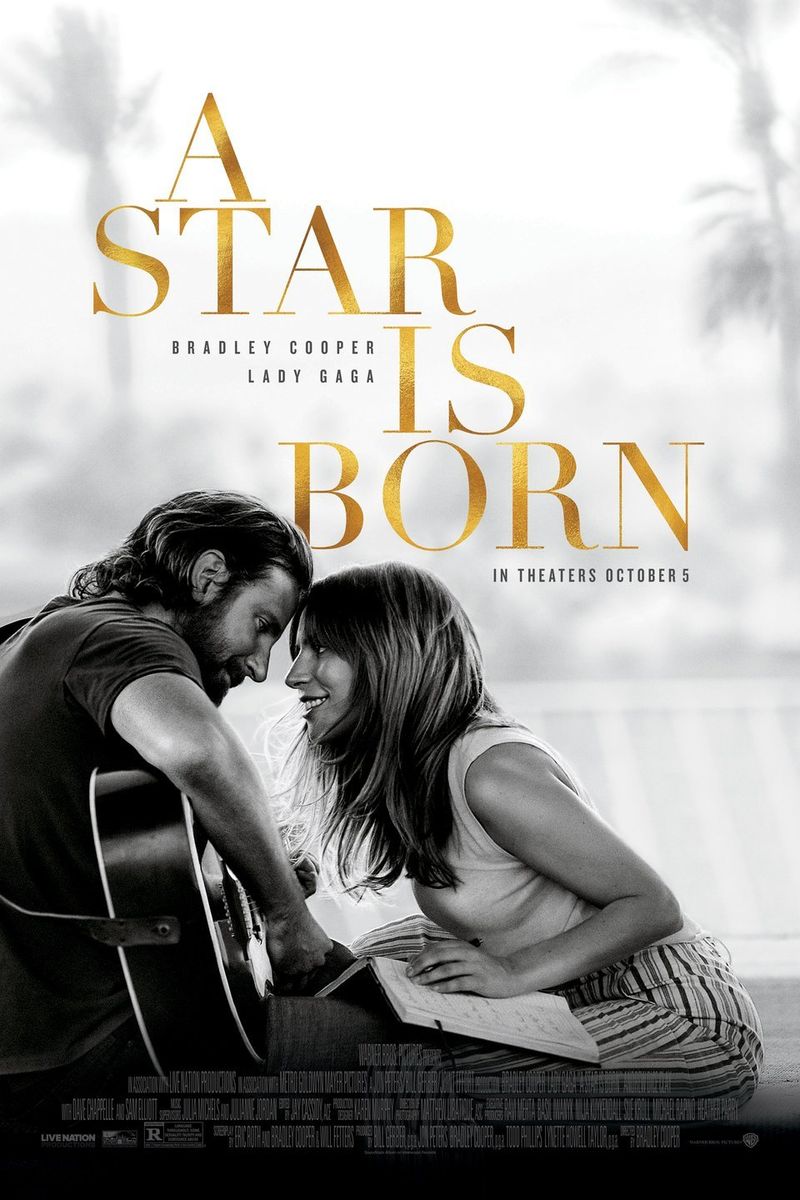
A Star is Born holds a unique place in Hollywood history as a story that keeps getting remade.
The 2018 version with Lady Gaga and Bradley Cooper was actually the fourth telling of this tale.
Each version follows a rising star falling in love with an established performer struggling with addiction.
The 1937 original was remade in 1954 with Judy Garland, then again in 1976 with Barbra Streisand.
Each generation puts its own spin on the formula while keeping the emotional core intact.
These aren’t accusations of copying but rather a Hollywood tradition of reinventing timeless stories for new audiences.
Comments
Loading…