
 Mila Ross
10 TV Shows People Started but Rarely Finished
Starting a new TV series can feel exciting, like opening a gift you’ve been waiting for.
But sometimes that excitement fades, and what seemed like a must-watch show becomes something you just can’t finish.
Whether it’s confusing storylines, too many episodes, or plots that drag on forever, some shows make it hard to stick around.
Here are ten popular series that hooked millions of viewers but left most of them hitting the stop button before the final credits rolled.
1. Lost
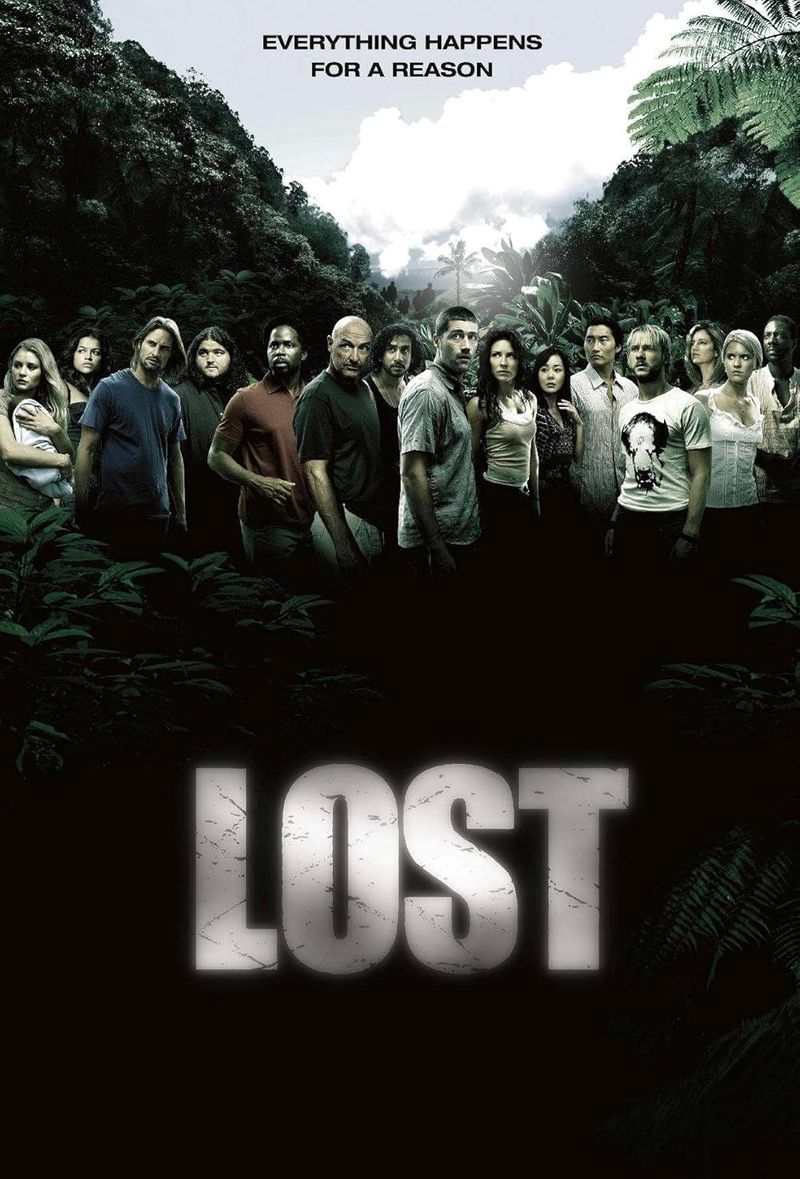
Remember when everyone was talking about the plane crash survivors on that mysterious island?
Lost grabbed millions of viewers with its intense first season full of polar bears, smoke monsters, and creepy hatches.
The show promised answers to every strange question it raised.
But here’s the problem: those answers never really came, or when they did, they created ten more confusing questions.
Each season added more mysteries, time travel, and alternate realities that left viewers scratching their heads.
By the final season, most people had given up trying to understand what was happening.
The show’s creators seemed more interested in being mysterious than actually telling a coherent story.
Many fans felt betrayed after investing years into a series that never delivered satisfying explanations.
2. The Walking Dead
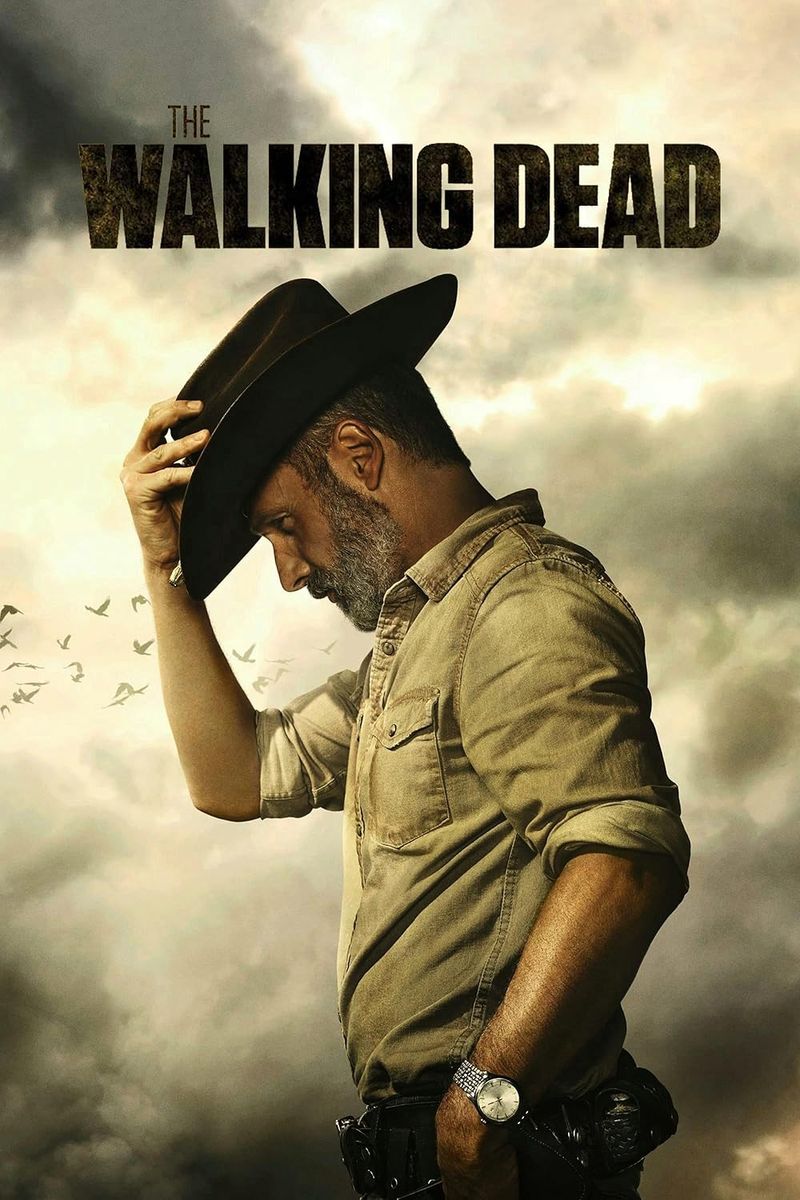
Zombies are cool, right?
At first, absolutely.
This show about surviving a zombie apocalypse started strong with intense action, emotional moments, and characters you actually cared about.
The first few seasons kept everyone on the edge of their seats.
Then something happened: the show just kept going and going and going.
Same formula every season—find a safe place, meet bad people, lose the safe place, repeat.
The episodes became predictable, with slow stretches where nothing exciting happened for weeks.
Add in some beloved characters getting killed off in frustrating ways, and viewers started losing interest fast.
By season seven or eight, most people had moved on.
The show ran for eleven seasons, but hardly anyone made it past five.
3. Game of Thrones
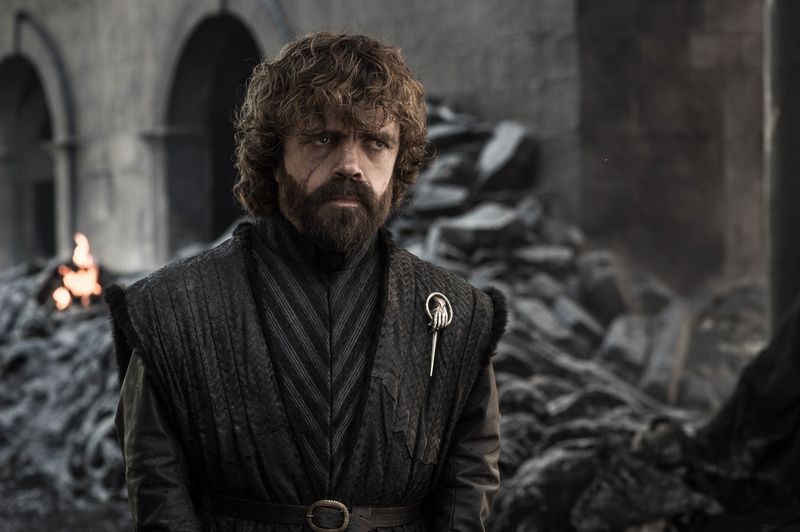
What happens when a show has dozens of characters, multiple kingdoms, and storylines happening on different continents?
You get Game of Thrones, a fantasy epic that became a cultural phenomenon.
Dragons, sword fights, and shocking plot twists made it appointment television.
The catch?
You needed a flowchart to remember who was related to whom and which houses were fighting each other.
Miss one episode and you’d be completely lost.
The show demanded serious attention and note-taking skills.
Then came that final season.
Even dedicated fans who survived eight years felt disappointed by how rushed and unsatisfying the ending was.
Many people stopped watching before the finale, and some wished they had quit earlier.
4. Breaking Bad
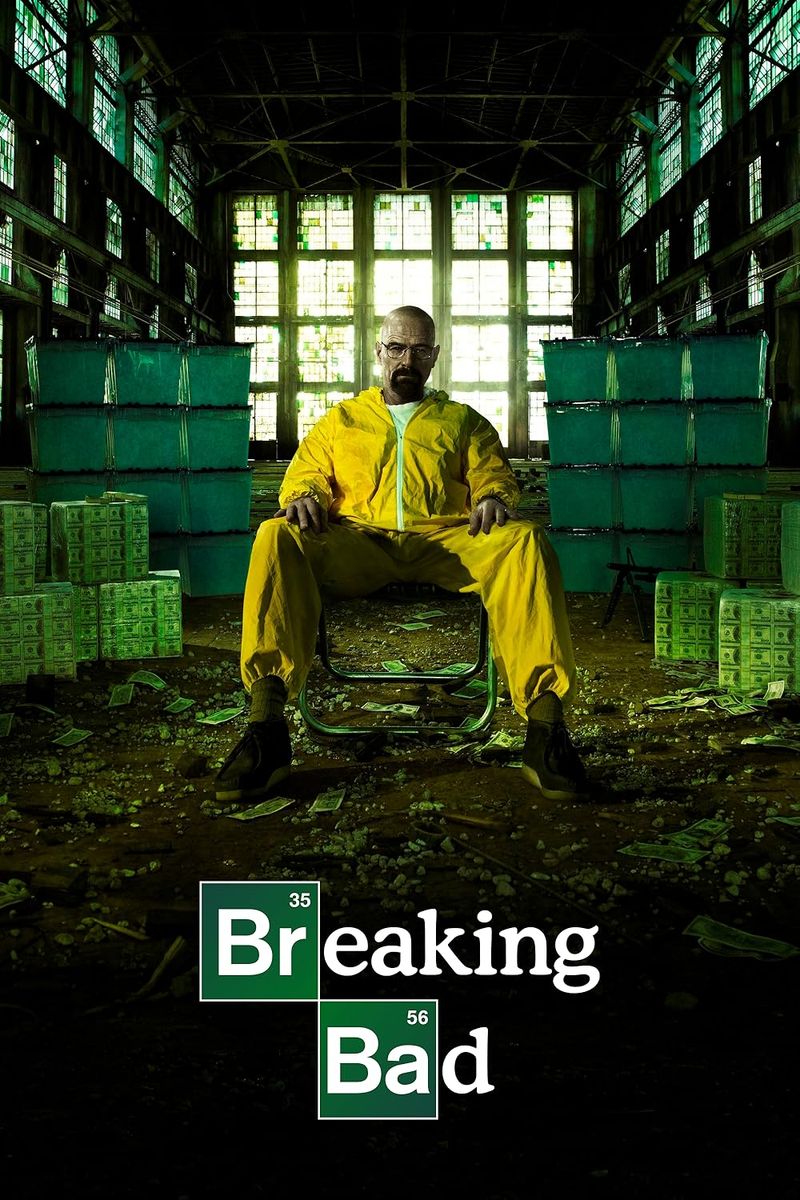
A high school chemistry teacher becomes a drug dealer to pay for cancer treatment.
Sounds intense from the start, right?
Here’s the twist: Breaking Bad takes its sweet time getting to the really exciting stuff.
The first season moves slower than a snail crossing a highway.
Walter White’s transformation from mild-mannered teacher to dangerous criminal happens gradually, which is brilliant storytelling but tests viewers’ patience.
Many people quit during season one or two because they expected more action right away.
The show requires you to trust the process.
Those who stuck around discovered one of the best series ever made, but getting there meant sitting through episodes where not much happened.
For every explosive moment, there were several quiet ones focusing on family drama and character development.
5. The Wire
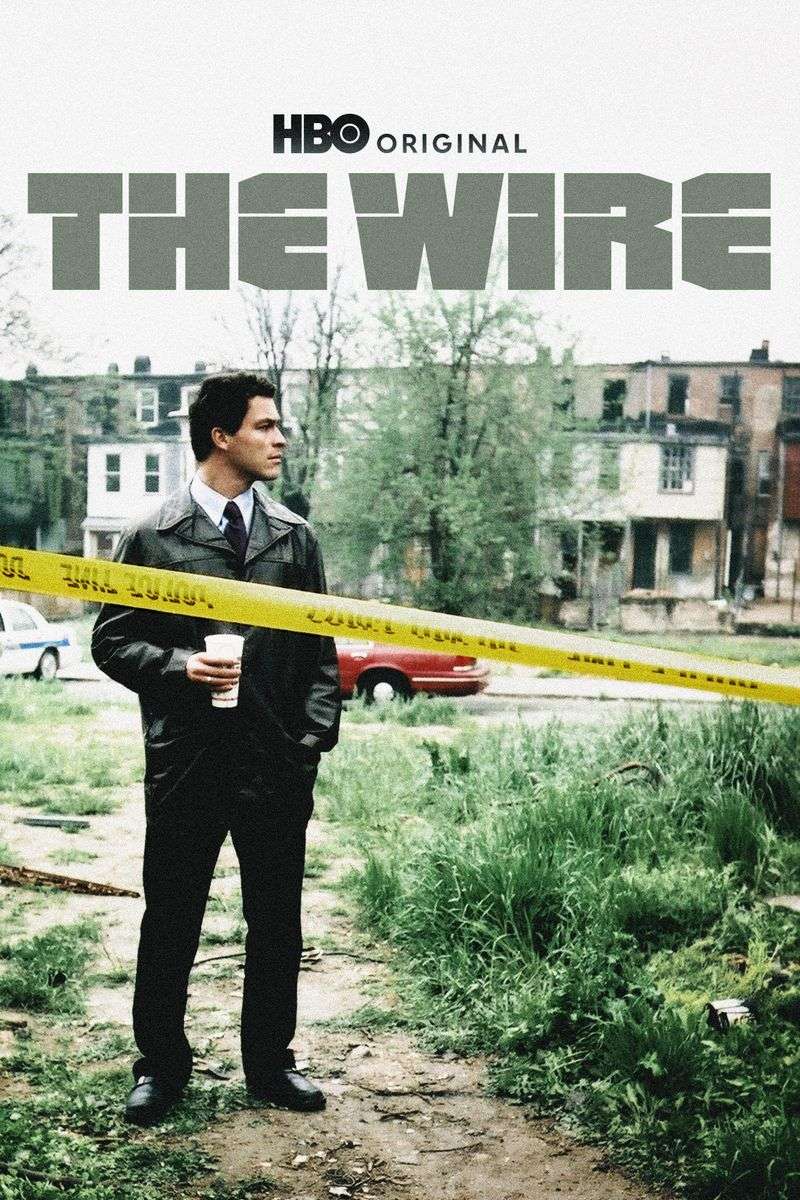
Critics call it the greatest TV show ever created.
Viewers call it homework.
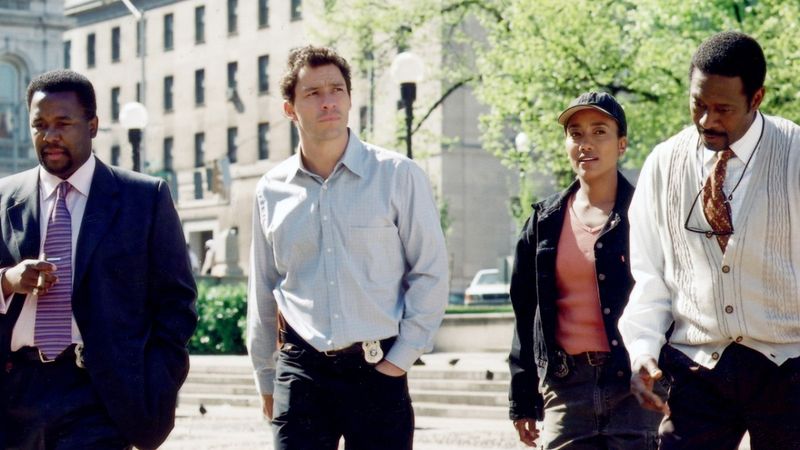
The Wire presents a realistic look at Baltimore through the eyes of police, drug dealers, politicians, and regular citizens.
Every detail matters, every conversation has weight.
But watching The Wire feels like studying for a test.
You can’t check your phone or half-watch while doing other things.
Miss one scene and you’ll lose track of which detective is investigating which case or which drug organization controls which corner.
The show uses authentic Baltimore slang that takes episodes to understand.
There’s no background music to tell you how to feel, and storylines develop across entire seasons instead of getting resolved in single episodes.
It’s television as literature, which sounds impressive but drives casual viewers away.
6. Twin Peaks
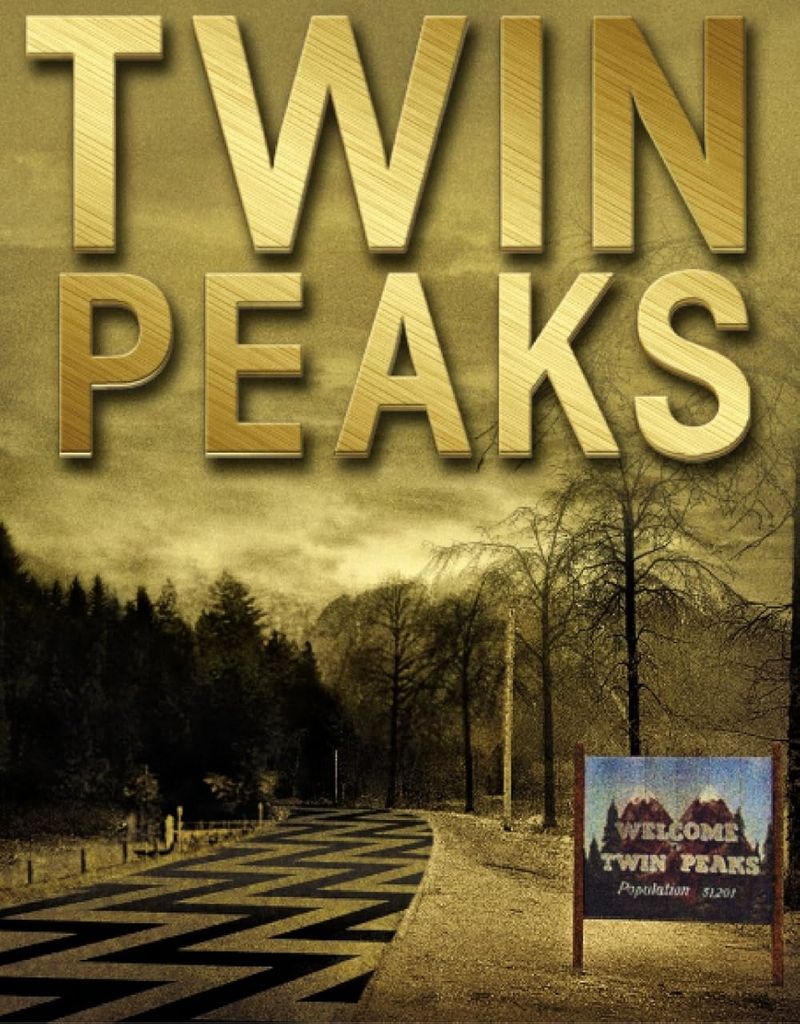
Who killed Laura Palmer?
That question launched one of television’s strangest experiments.
Twin Peaks started as a murder mystery in a small Pacific Northwest town but quickly became something much weirder.
Director David Lynch filled episodes with backward-talking dwarves, dancing giants, and dream sequences that made zero sense.
Early episodes balanced the bizarre elements with actual detective work, which kept people watching.
Then Lynch leaned harder into the surreal stuff, and the plot became nearly impossible to follow.
Characters spoke in riddles, and entire episodes focused on abstract imagery.
Even die-hard fans admit they have no idea what’s happening half the time.
The show became famous for being confusing, which attracted curious viewers but sent most running away after a few episodes.
7. Heroes
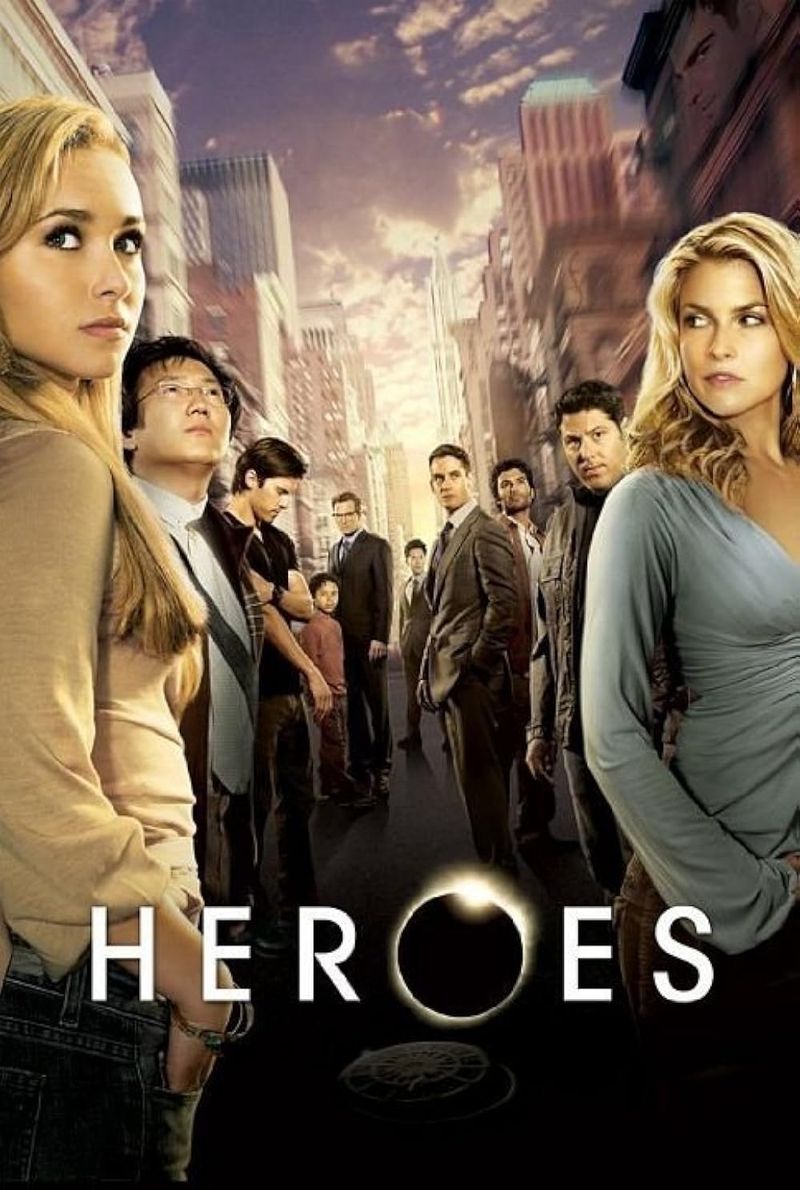
Save the cheerleader, save the world.
That tagline hooked millions during Heroes’ phenomenal first season.
Regular people discovering they had superpowers made for addictive television.
Each character’s ability felt fresh, and watching them come together to prevent a nuclear explosion had everyone glued to their screens.
Season two arrived, and something went terribly wrong.
The writers’ strike didn’t help, but even after that ended, the magic was gone.
New characters weren’t interesting, powers kept changing randomly, and storylines became repetitive.
Heroes kept recycling the same basic plot about stopping the end of the world.
Fans who adored season one found themselves bored and frustrated.
The show limped along for four seasons total, but most viewers checked out after two.
It proved that even great concepts need consistent execution.
8. Westworld
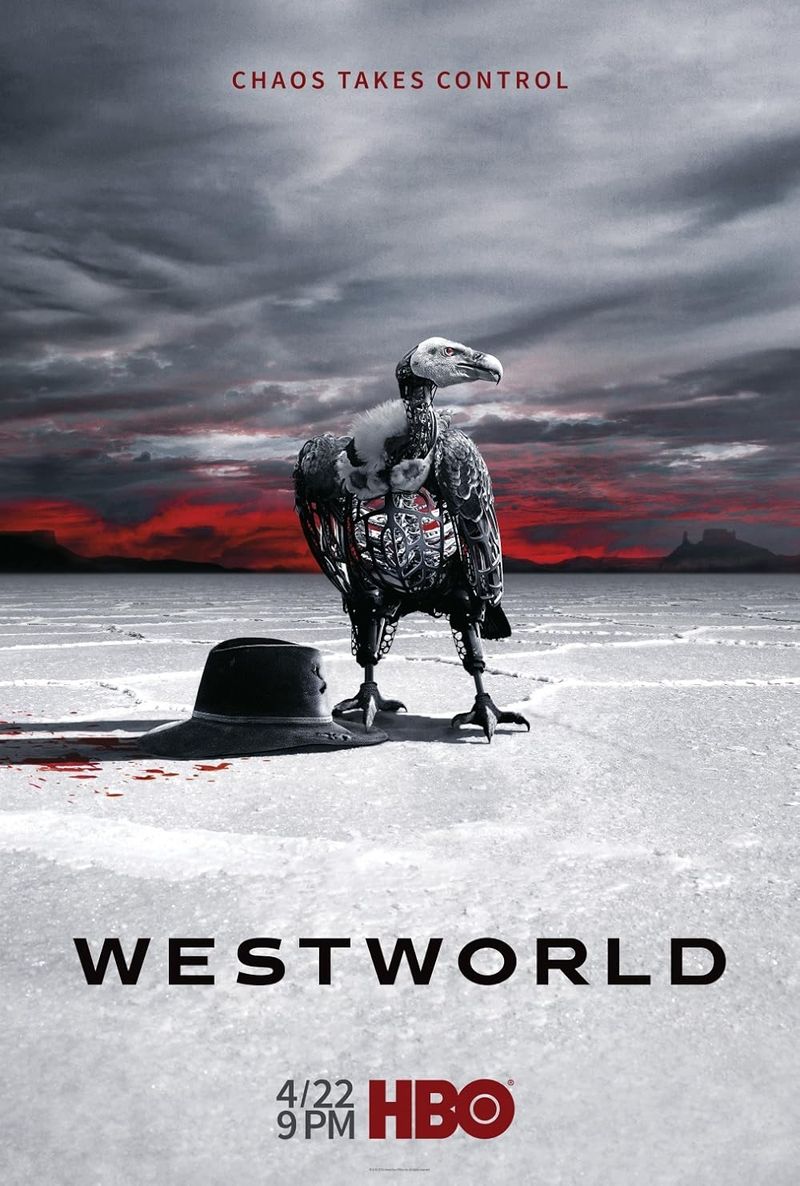
A theme park where rich people pay to interact with realistic robots in an Old West setting.
Sounds like a fun sci-fi premise, and Westworld’s first season delivered brilliantly.
The mystery of which characters were human and which were artificial kept viewers guessing.
Philosophical questions about consciousness and free will added depth.
Then season two happened.
The show started playing with time in confusing ways, jumping between different periods without clear labels.
Multiple storylines ran simultaneously across different timelines and locations.
Even smart, attentive viewers needed internet guides to figure out what was happening.
By season three, the show abandoned its original setting entirely and became something completely different.
Fans who loved the Western theme park concept felt betrayed, and new viewers had no idea where to start.
9. 13 Reasons Why
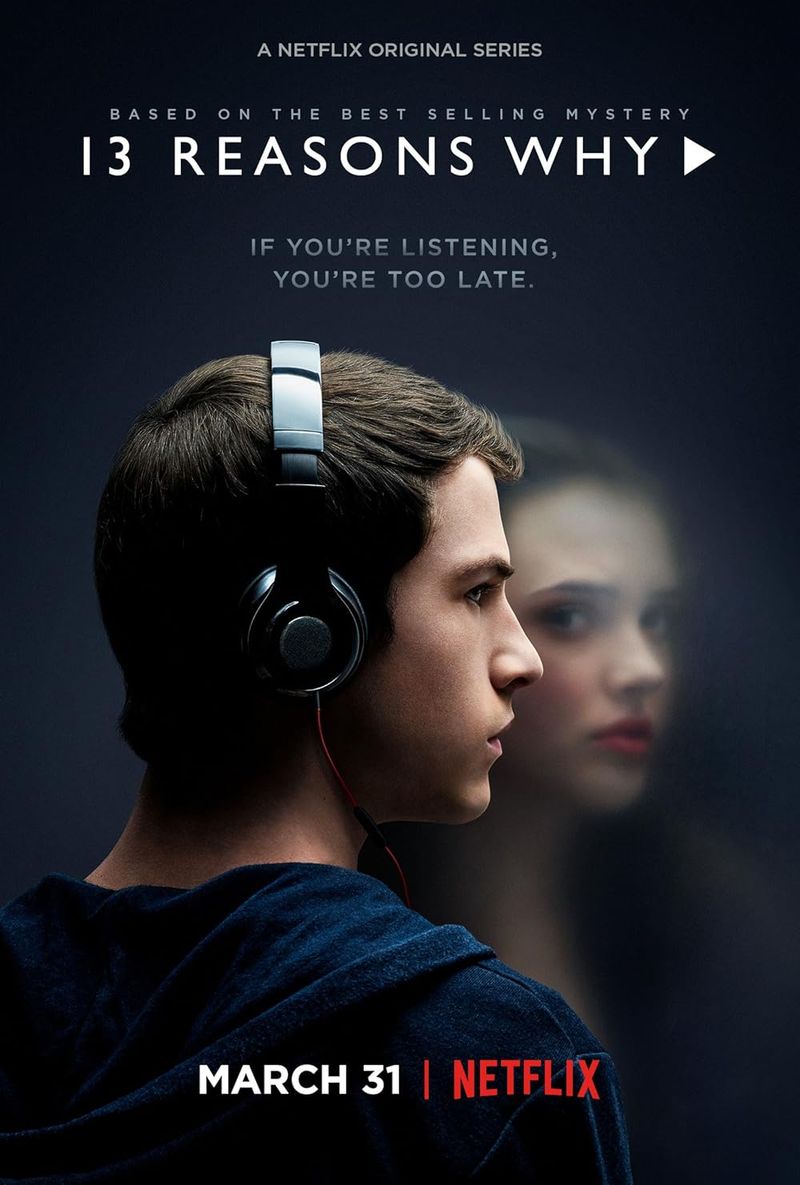
High school student Hannah Baker leaves behind cassette tapes explaining why she committed suicide.
Each tape focuses on one person who contributed to her decision.
The premise sparked important conversations about bullying, mental health, and teen suicide when it premiered.
The subject matter is incredibly heavy, and the show doesn’t shy away from graphic depictions of trauma.
Many viewers found it too emotionally draining to continue watching.
Parents worried about the impact on teenage viewers, and mental health experts questioned whether the show glorified suicide.
Even those who appreciated the show’s message often couldn’t handle its darkness.
Later seasons added more disturbing content, including a brutal school shooting scene.
What started as conversation-starter became unwatchable for most audiences.
10. Dark
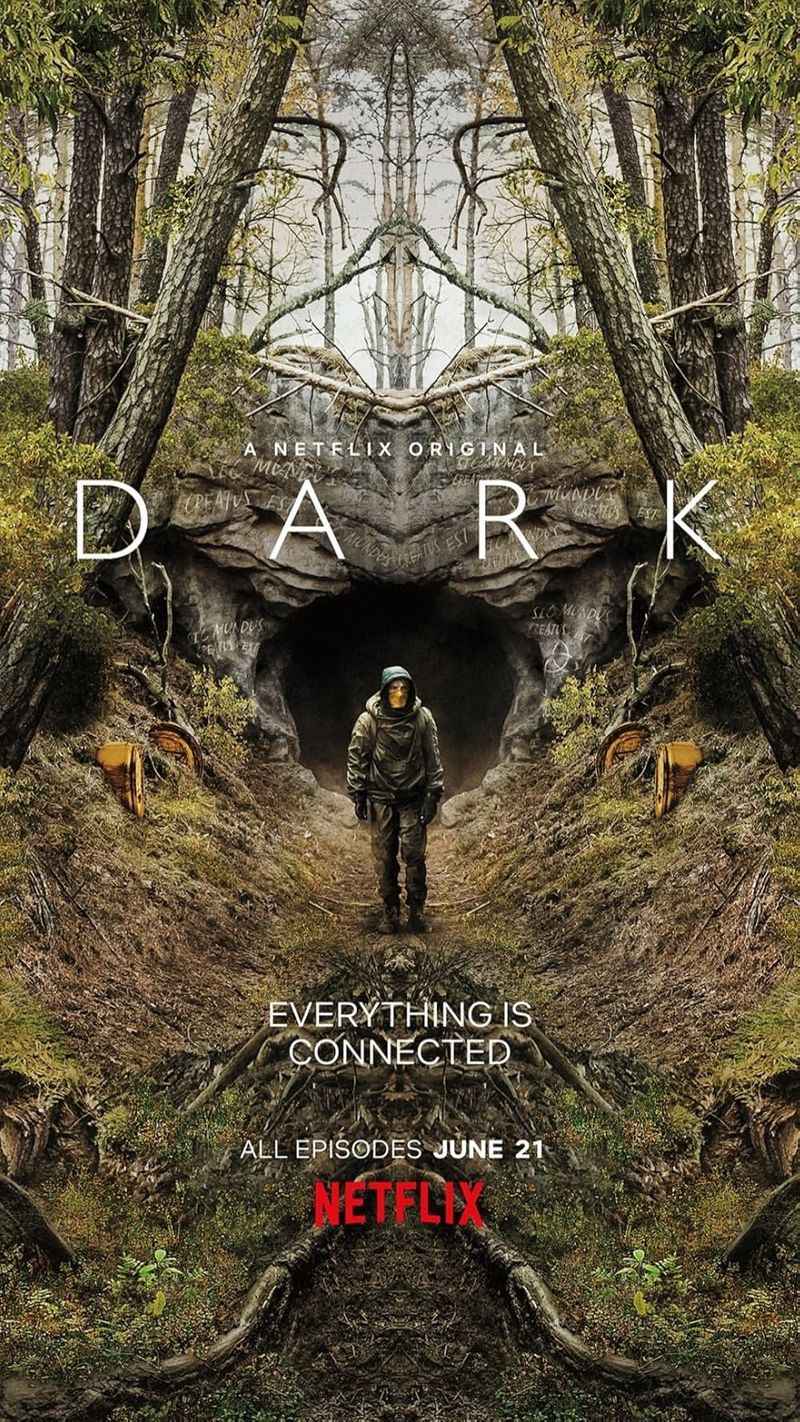
Germany’s answer to science fiction television involves time travel, family trees spanning multiple generations, and enough plot twists to make your brain hurt.
Dark presents an incredibly complex story about a small town where children keep disappearing across different time periods.
Everything connects in mind-bending ways.
The problem?
You need a doctorate in physics and a giant wall chart to follow along.
Characters appear as children, adults, and elderly people across different timelines, all played by different actors.
Family relationships become impossibly tangled because of time travel paradoxes.
Many viewers start strong, determined to crack the mystery, but give up when they realize how much mental energy the show demands.
Watching Dark feels like solving a thousand-piece puzzle while someone keeps adding more pieces and changing the picture.
Comments
Loading…