
 Chloe Peterson
Going no contact with family is one of the hardest decisions anyone can make.
It means cutting off communication completely, often to protect your mental health and well-being.
While outsiders might judge or misunderstand, those who take this step know it rarely happens overnight.
This choice comes after years of trying, hoping, and eventually accepting that distance is the only path to peace.
1. Initial Relief Mixed With Guilt

Right after cutting contact, many people feel an unexpected lightness.
The constant stress melts away like ice on a warm day.
You wake up without dreading your phone buzzing with another criticism or demand.
But guilt crashes in just as quickly.
Your mind races with questions about whether you made the right choice.
Society tells us family comes first no matter what, making you feel like a bad person.
This emotional tug-of-war is completely normal.
Relief and guilt can exist together, and both feelings are valid responses to a painful situation.
2. The Weight of Loneliness and Isolation

Nobody warns you about the silence.
Birthdays pass without phone calls.
Text threads stay frozen in time.
Even when the relationship was toxic, its absence leaves a hole.
Friends with healthy families often cannot relate to your experience.
Their holiday stories and family jokes remind you of what you are missing, even if what you had was never that good.
Explaining your situation gets exhausting.
Social gatherings become minefields of awkward questions.
When someone asks about your parents, a simple answer feels impossible.
You learn to navigate conversations carefully to avoid judgment.
3. Questioning Your Decision Constantly

Second-guessing becomes your new hobby.
Were things really that bad?
Maybe you overreacted.
Perhaps you should have tried one more time.
These thoughts loop endlessly, especially during hard moments when you could use family support.
Old memories resurface, showing the good times alongside the bad.
Your brain tries to convince you that cutting contact was too extreme.
Social media makes this worse when you accidentally see their posts looking perfectly normal.
Therapy helps here tremendously.
A professional can remind you why you made this choice when your resolve weakens.
4. Freedom From Walking on Eggshells

Something magical happens once the guilt fades.
You realize you can be yourself without fear.
No more carefully choosing words to avoid triggering an argument.
No more bracing for criticism disguised as concern.
Your home becomes a genuine safe space instead of just another battlefield.
You decorate how you want, live by your own rules, and make decisions without justifying them to anyone.
This freedom tastes sweeter than you imagined.
Friends notice you laughing more easily.
Your shoulders stop living up by your ears.
The constant anxiety that colored everything finally starts lifting.
5. Grief Without Death

Here is something nobody talks about: you mourn people who are still alive.
This grief hits differently because others expect you to just move on.
After all, your family members are not gone, so why are you so sad?
You grieve the family you never had and the relationship you always hoped would improve.
Accepting that hope is dead feels worse than a funeral.
There is no closure, no final goodbye, just an open wound.
Some days you feel fine.
Other days, grief ambushes you in the grocery store when you see their favorite snack.
Healing is not linear.
6. Facing Holidays and Special Occasions Alone
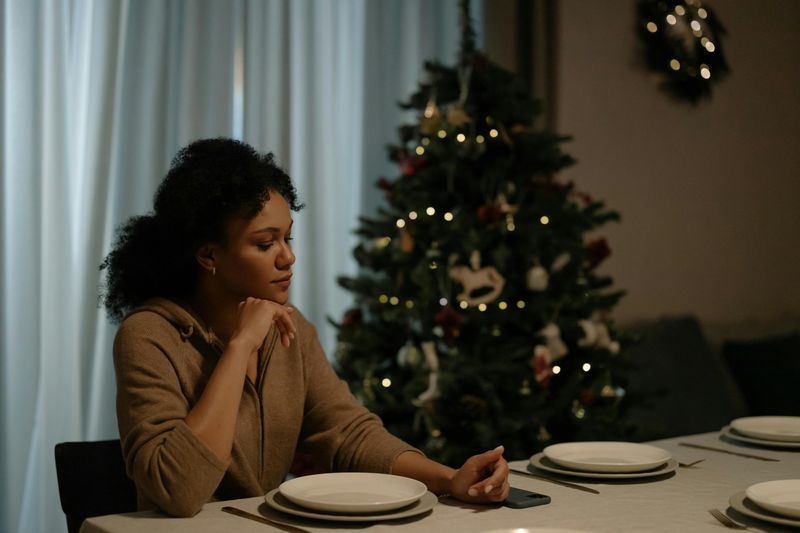
Thanksgiving and Christmas commercials become painful.
Everyone celebrates with smiling families while you figure out where you even belong.
Invitations from friends feel like pity, even when they come from genuine kindness.
Your first holiday season without family contact tests your resolve.
Stores blast songs about going home, and strangers ask about your plans.
Making new traditions helps, but it takes time to find what feels right.
Eventually, you might create celebrations that actually bring joy instead of dread.
Some people volunteer, travel, or host friendsgiving.
The key is giving yourself permission to redefine what holidays mean.
7. Building Your Chosen Family

Blood does not automatically make someone family.
Real family shows up, listens, and respects boundaries.
Going no contact teaches you this truth quickly.
You start recognizing who genuinely cares about your well-being.
These people become your chosen family, forming bonds deeper than many blood relationships.
They celebrate your wins without jealousy and comfort you during losses without judgment.
Building this network takes effort and vulnerability.
Opening up feels risky after family trauma.
But finding people who love you for who you are, not who they want you to be, makes the risk worthwhile.
8. Healing at Your Own Pace

Recovery does not follow a schedule.
Some people heal quickly while others need years.
Comparing your journey to others only creates unnecessary pressure.
Your trauma is yours alone, and so is your timeline for processing it.
Therapy, support groups, and self-care become essential tools.
You learn triggers you never knew existed.
Some days you take giant steps forward.
Other days, getting out of bed counts as success.
Eventually, you stop waiting for them to change or apologize.
Peace comes from accepting reality and choosing yourself.
That is when real healing begins, on your terms and your schedule.
Comments
Loading…