
 Harper Hall
Growing up, we all assume our family’s way of doing things is totally normal.
Then one day, you mention something casual at school or with friends, and everyone stares at you like you just said something wild.
That moment when you realize not every family does what yours does can be pretty eye-opening.
Here are eight times people discovered their family traditions were actually pretty unique.
1. Mandatory Sunday Family Dinners
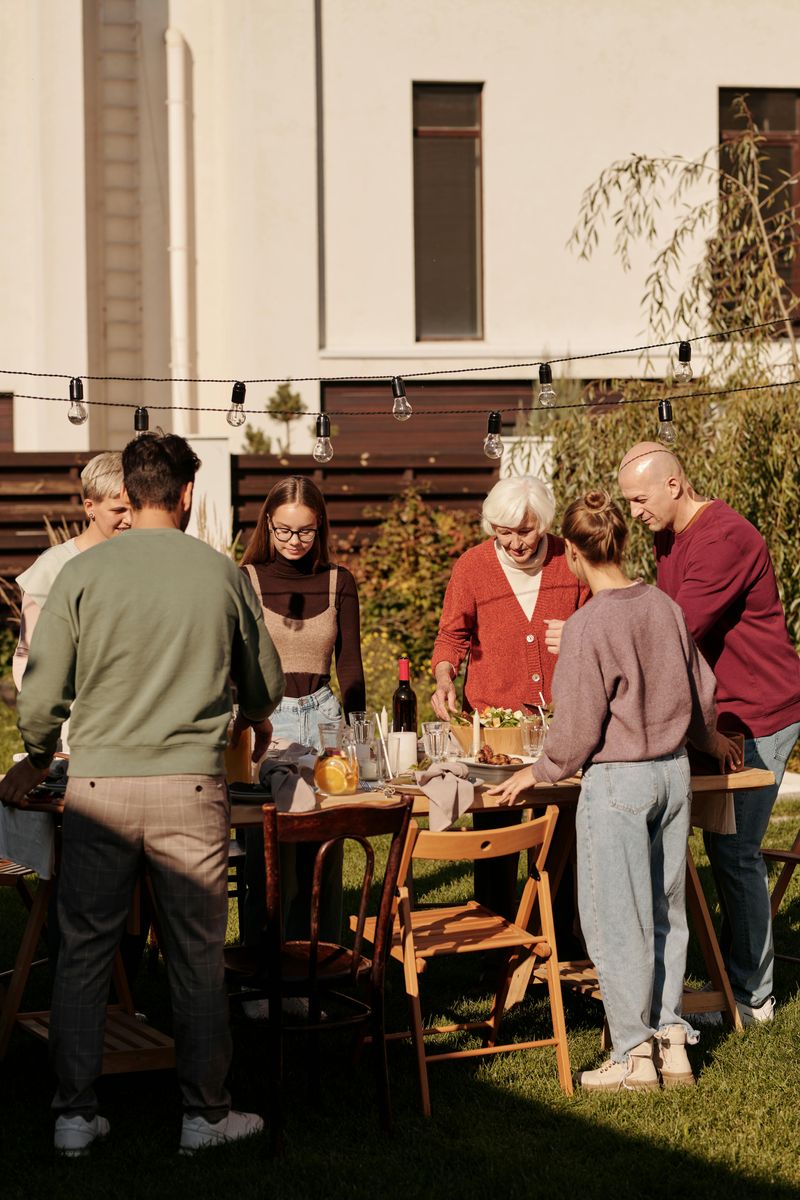
Every single Sunday without fail meant gathering around the table for a home-cooked meal.
No excuses, no skipping out to hang with friends, no exceptions.
Growing up, this felt like an annoying rule that everyone’s parents enforced.
Fast forward to college when casual weekend plans came up.
Mentioning that Sundays were reserved for family dinner brought confused looks and questions about whether this was some religious thing.
Turns out, most families ate together occasionally, but not with the same weekly commitment.
Now looking back, those dinners built connections that last.
Sure, they felt inconvenient as a teenager, but having that guaranteed weekly touchpoint kept everyone updated on each other’s lives in ways that texting just can’t replicate.
2. Shoes Off at the Door Policy
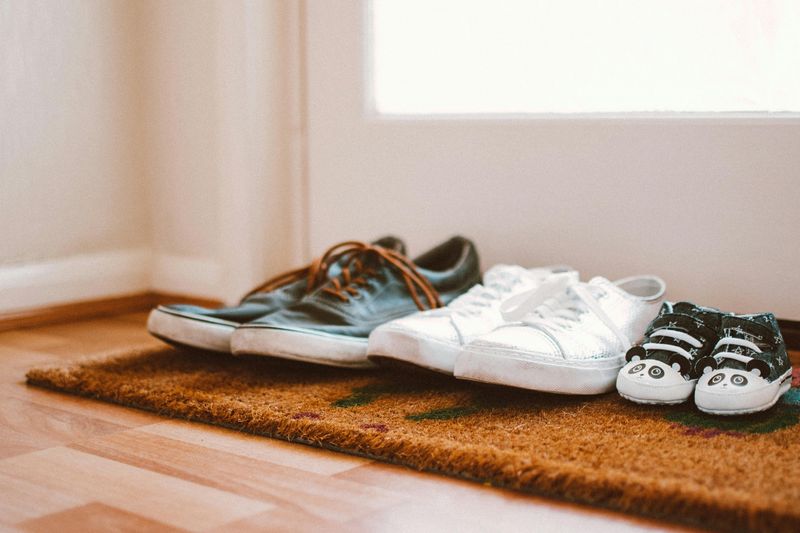
Walking into someone’s house with shoes on felt like tracking mud through a museum.
The automatic habit of stopping at the door to remove footwear seemed universal until visiting friends who just stomped right through their living rooms in sneakers.
Sleepovers became awkward moments of uncertainty.
Do you follow their lead and keep shoes on, or stick to what feels right and go barefoot?
Some friends found it weird to remove shoes, while others thought nothing of wearing outdoor footwear on carpet.
Cultural differences play a big role here.
Many Asian, Scandinavian, and Middle Eastern families consider this standard practice.
But plenty of American households never adopted the habit, making it one of those silent dividers between how families operate at home.
3. Birthday Breakfast in Bed

Waking up to pancakes, orange juice, and a poorly wrapped present on a tray signaled your special day had arrived.
Parents and siblings would crowd into the bedroom singing off-key while you rubbed sleep from your eyes.
This royal treatment happened every single year.
Imagine the surprise when birthday conversations with friends revealed they just had regular mornings.
Maybe their family went out to dinner later, or they got gifts after school, but the breakfast-in-bed tradition drew blank stares.
Nobody else started their birthday like royalty being served by their loved ones.
Creating these moments takes effort and planning that not every family prioritizes.
But those who grew up with this tradition often continue it with their own kids, passing down the feeling of being celebrated from the moment they wake up.
4. Assigned Seats at the Table

Dad sat at the head.
Mom took the spot closest to the kitchen.
Kids filled in their designated spaces based on some unspoken family hierarchy established years ago.
Switching seats felt wrong, like sitting in someone else’s desk at school.
Friends would visit for dinner and just plop down anywhere.
The casual seating arrangement seemed chaotic and confusing.
Don’t their families have a system?
Apparently not, because most households let people grab whatever chair was closest or most convenient at the moment.
Psychologists suggest assigned seating creates structure and stability, especially for younger children.
Knowing your spot provides a sense of belonging and order.
However, flexible seating works perfectly fine for families who prefer a more relaxed approach to mealtime gatherings and don’t need that extra layer of organization.
5. Dessert Only on Weekends
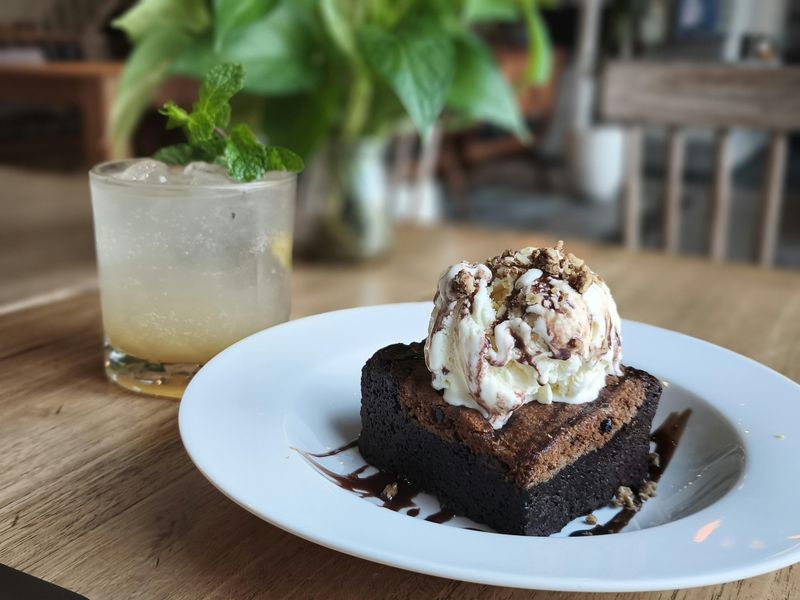
Cookie jars existed purely for decoration Monday through Friday.
Ice cream stayed frozen and untouched.
Brownies baked on Wednesday had to wait until Saturday to be eaten.
Sweet treats were weekend privileges, not everyday occurrences.
Discovering that some kids ate dessert after dinner every single night felt unfair.
How did their parents allow such luxury?
Meanwhile, other families never had dessert at all, making the weekend-only rule seem generous by comparison.
The range of dessert policies across households varies wildly.
Limiting sweets to weekends taught delayed gratification and made those treats feel more special.
Something about earning that Saturday slice of cake through a week of regular dinners made it taste better.
Though plenty of kids would have traded that lesson for daily access to the cookie jar without hesitation.
6. No Phones at Dinner Time

Phones went into a basket the moment dinner started.
Buzzing notifications went ignored.
Text messages could wait thirty minutes while actual conversations happened face-to-face.
This non-negotiable rule applied to parents and kids equally.
Eating at friends’ houses revealed different realities.
Some families scrolled through social media between bites.
Others responded to texts mid-conversation.
Parents checked work emails while kids watched videos.
Screens at the table were completely normal for them, not the forbidden distraction it was at home.
Research backs up the phone-free approach, showing families connect better without digital interruptions.
Kids develop stronger communication skills and parents stay more engaged with daily happenings.
Still, enforcing this boundary takes consistency that not every household maintains, especially as everyone’s devices become increasingly difficult to separate from.
7. Thank You Notes for Every Gift

Birthdays and holidays came with an automatic follow-up task.
Before playing with new toys or wearing new clothes, handwritten thank-you notes had to be completed.
Gifts weren’t truly yours until gratitude had been properly expressed on paper and mailed.
Friends thought this sounded ancient and unnecessary.
A quick text saying thanks seemed perfectly sufficient in their families.
Why bother with stamps and envelopes when instant digital messages exist?
The formality of written notes felt outdated to most people under thirty.
Etiquette experts still champion handwritten notes as showing genuine appreciation.
Taking time to physically write demonstrates effort that texts can’t match.
But plenty of gracious, well-mannered people exist who never wrote a thank-you card in their lives, proving multiple paths exist for expressing gratitude effectively to gift-givers.
8. Washing Dishes Immediately After Eating
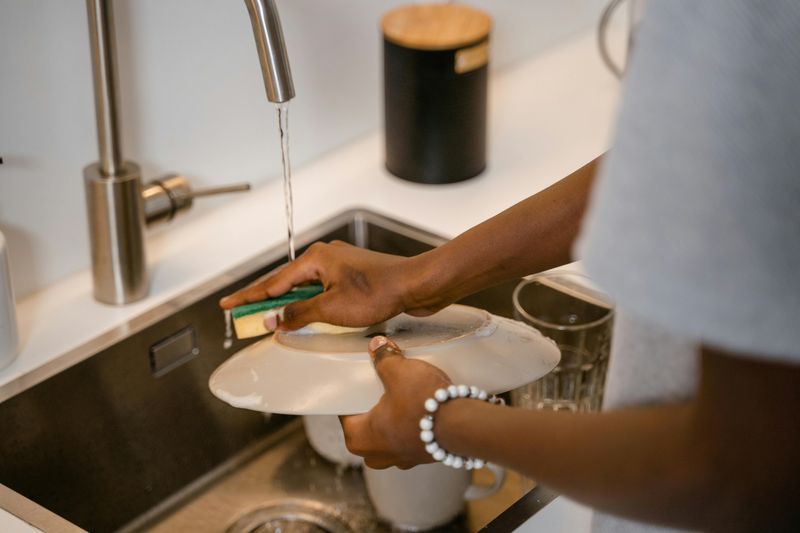
Leaving dirty dishes in the sink overnight was unthinkable.
The second dinner ended, everyone had a job.
One person scraped plates, another washed, someone else dried, and the last put everything away.
The kitchen returned to spotless condition before anyone relaxed for the evening.
Staying at other people’s homes revealed shocking dish-washing schedules.
Some families left everything until morning.
Others let dishes pile up for days.
A few had dishwashers they only ran once weekly.
The immediate cleanup that felt mandatory turned out to be far from universal across different households.
Clean-as-you-go prevents bacteria growth and keeps kitchens from becoming overwhelming disaster zones.
However, it also requires everyone to pitch in right when they want to relax after eating.
Both approaches have merit, though people raised with instant cleanup often find waiting physically uncomfortable.
Comments
Loading…