
 Mary Murphy
Growing up between the 1970s and 1990s gave Generation X a childhood unlike any other.
You experienced the last days of analog technology while watching the digital world take shape around you.
From Saturday mornings glued to the TV to hours spent at the local mall, your memories are filled with experiences that today’s kids will never understand.
These eight things will take you right back to those unforgettable years.
1. Saturday Morning Cartoons Were Sacred
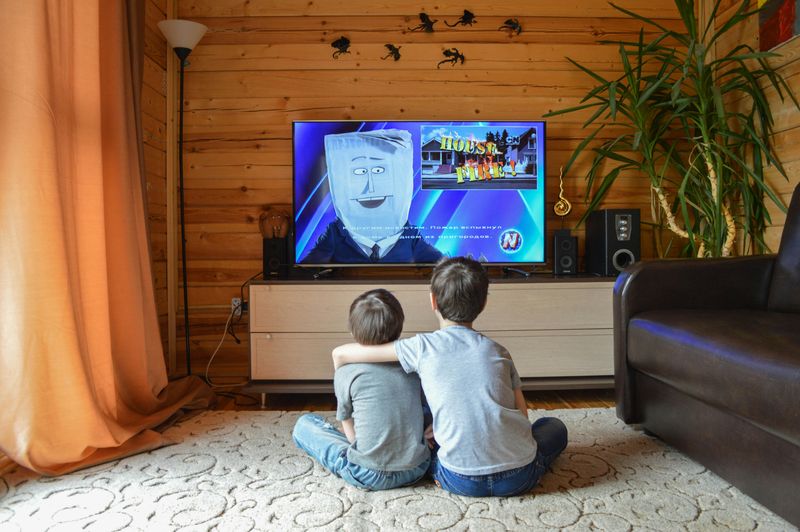
Waking up at the crack of dawn on Saturdays wasn’t a chore—it was a mission.
You’d grab your favorite sugary cereal and plant yourself inches from the TV screen.
Nothing else mattered for those precious few hours.
Shows like Transformers, He-Man, and Thundercats ruled your weekend mornings.
There were no streaming services or on-demand options back then.
If you missed an episode, you simply missed it forever, unless reruns came around months later.
Commercial breaks meant quick bathroom runs or grabbing more snacks.
The ritual ended when cartoons switched to boring weekend sports programming.
Those Saturday mornings created a special kind of magic that can’t be replicated today.
2. Mix Tapes Took Hours to Perfect
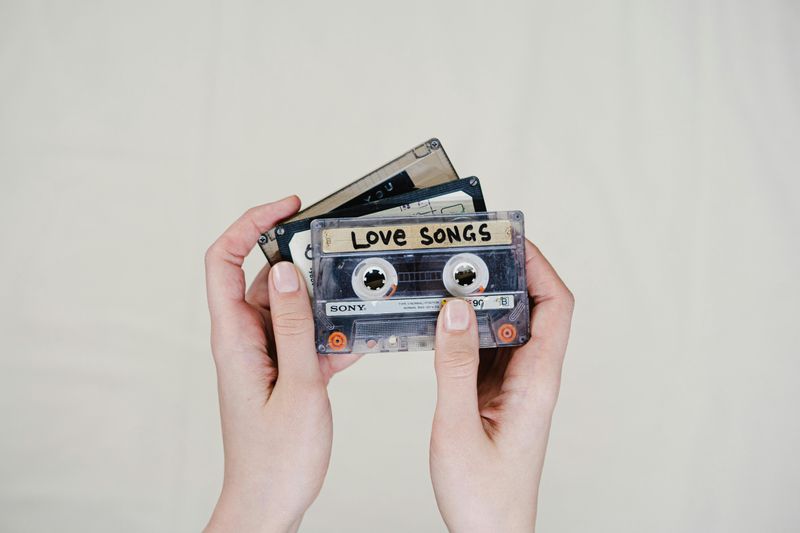
Creating the perfect mix tape was an art form that required patience, skill, and genuine dedication.
You’d sit by the radio for hours waiting to record your favorite songs.
The timing had to be perfect—hit record too early and you’d catch the DJ talking; too late and you’d miss the intro.
Each tape told a story, whether for yourself or someone special.
Labeling them with colorful markers and designing custom covers showed how much you cared.
The pause button became your best friend for smooth transitions between tracks.
Today’s playlists can’t match that personal touch.
Making someone a mix tape meant giving them hours of your time and thought.
3. Blockbuster Nights Were Weekly Adventures
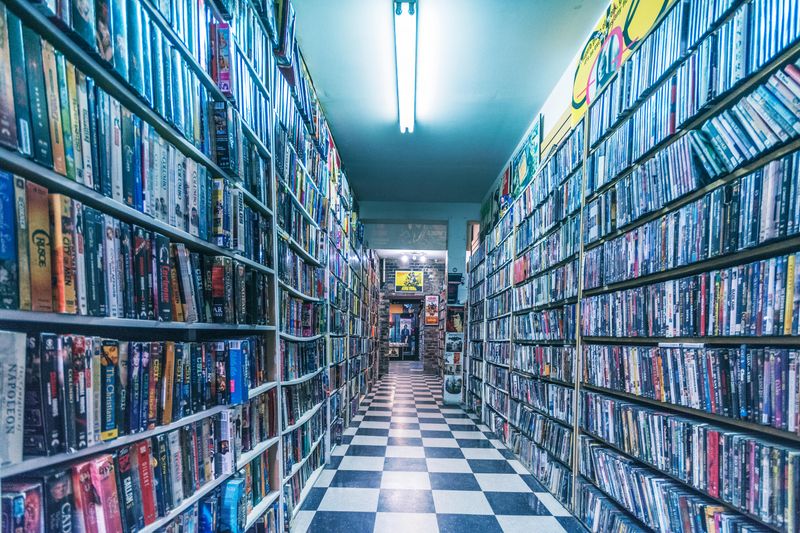
Friday nights meant one thing: racing to Blockbuster before all the good movies disappeared.
Walking through those doors felt like entering a wonderland of entertainment possibilities.
The smell of popcorn mixed with plastic VHS cases created an unforgettable aroma.
Arguments over which movie to rent were legendary family moments.
New releases had special sections, and finding your pick in stock felt like winning the lottery.
You’d also grab candy from the checkout counter because, why not?
Late fees were the ultimate nightmare, though.
Returning movies on time became a serious responsibility.
That blue and yellow store represents an era of movie-watching that streaming will never replace.
4. The Mall Was Your Second Home

Forget social media—the mall was where everyone actually socialized.
Your parents would drop you off for hours of wandering around with friends.
No real plan, no specific purchases needed, just pure hanging out in air-conditioned paradise.
Food courts served as meeting spots and judgment-free zones for trying questionable fashion choices.
Record stores let you listen to albums before buying them.
Arcade games ate your allowance faster than you could earn it, but you didn’t care one bit.
Sam Goody, Spencer’s, and the Gap were destinations, not just stores.
Mall culture defined your social life in ways kids today can’t imagine.
5. Payphones Connected Your World
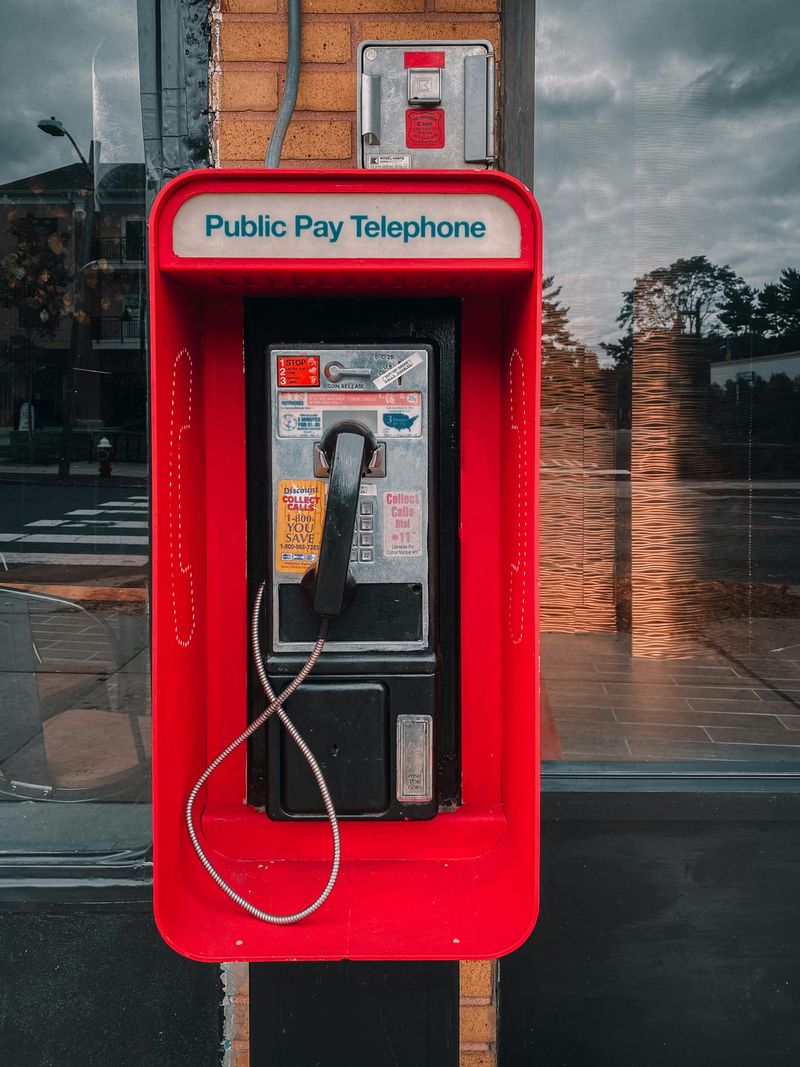
Memorizing phone numbers wasn’t optional—it was survival.
Payphones stood on every corner, waiting for your quarters when you needed to call home.
That metallic smell and the weight of the receiver are impossible to forget.
Calling collect meant saying your name really fast when prompted so your parents knew to pick you up.
Phone cards became treasured possessions for longer conversations.
Waiting your turn while someone else hogged the phone taught patience nobody has anymore.
Finding a payphone that actually worked felt like discovering gold.
These chunky communication lifelines kept you connected before cellphones invaded every pocket.
Public phone booths were tiny time machines of urgent conversations and whispered secrets.
6. MTV Actually Played Music Videos
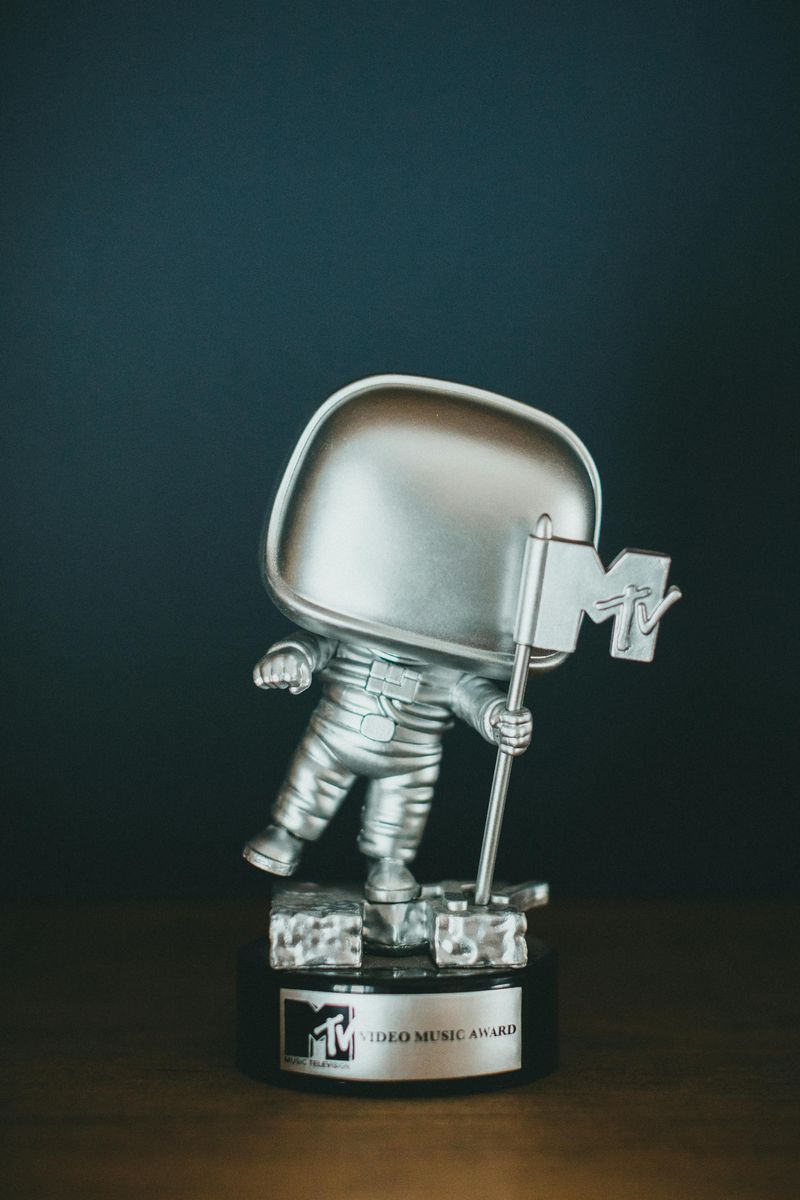
Back when MTV launched, it revolutionized how you discovered music.
The channel played actual music videos 24/7, not reality shows about people’s drama.
You’d rush home from school to catch your favorite videos during afternoon blocks.
TRL became appointment viewing where you’d vote for your top picks.
VJs like Kurt Loder and Kennedy felt like friends introducing you to new bands.
Unplugged sessions showed artists in raw, acoustic glory that seemed almost magical.
Staying up late meant catching Headbangers Ball or 120 Minutes for alternative music.
That simple “M” logo promised hours of musical discovery.
Modern MTV bears zero resemblance to the channel that shaped your musical taste.
7. Being a Latchkey Kid Built Character

Wearing your house key on a string around your neck was a badge of independence.
Coming home to an empty house after school wasn’t scary—it was freedom.
You’d make your own snacks, start homework (maybe), and enjoy unsupervised time before parents arrived.
Responsibility came early when you managed afternoons alone.
Following the rules about not opening doors for strangers or using the stove became second nature.
Phone calls were screened carefully, and you knew exactly when to expect parents home.
This independence shaped who you became as an adult.
Kids today rarely experience this level of trust and self-reliance.
Those quiet afternoon hours taught valuable life lessons about responsibility and decision-making.
8. Pagers Made You Feel Important

Getting your first pager felt like joining an exclusive club of important people.
That small device clipped to your jeans made you feel incredibly connected and grown-up.
Hearing it beep in public gave you a rush of significance.
Numeric codes became your secret language with friends. 143 meant something special, while 911 signaled real urgency.
Searching for payphones to return pages added adventure to everyday life, especially when trying to decode mysterious numbers.
Drug dealers and doctors weren’t the only ones rocking pagers—regular teenagers wore them proudly too.
Customizing them with colorful cases showed personality.
These simple communication tools bridge the gap between total disconnection and today’s constant smartphone notifications.
Comments
Loading…