
 Harper Hall
Forgotten ’60s TV Shows That Viewers Criticize Today — Do You Remember Any?
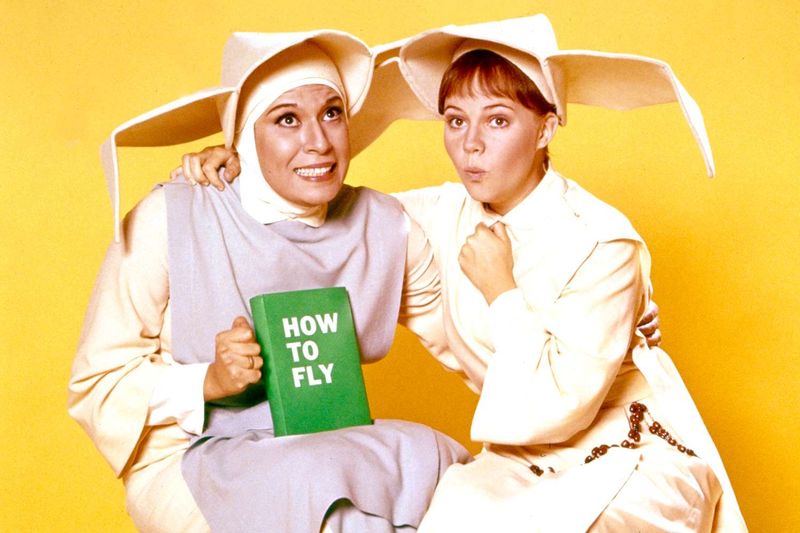
The 1960s gave us some incredible television moments, but not every show stood the test of time.
Many programs from that era have faded from memory, and when people rediscover them today, they often cringe at the outdated jokes, questionable premises, and problematic content.
These forgotten series reflect a very different time in American culture, and what seemed harmless or funny back then can feel uncomfortable or offensive now.
1. My Mother the Car
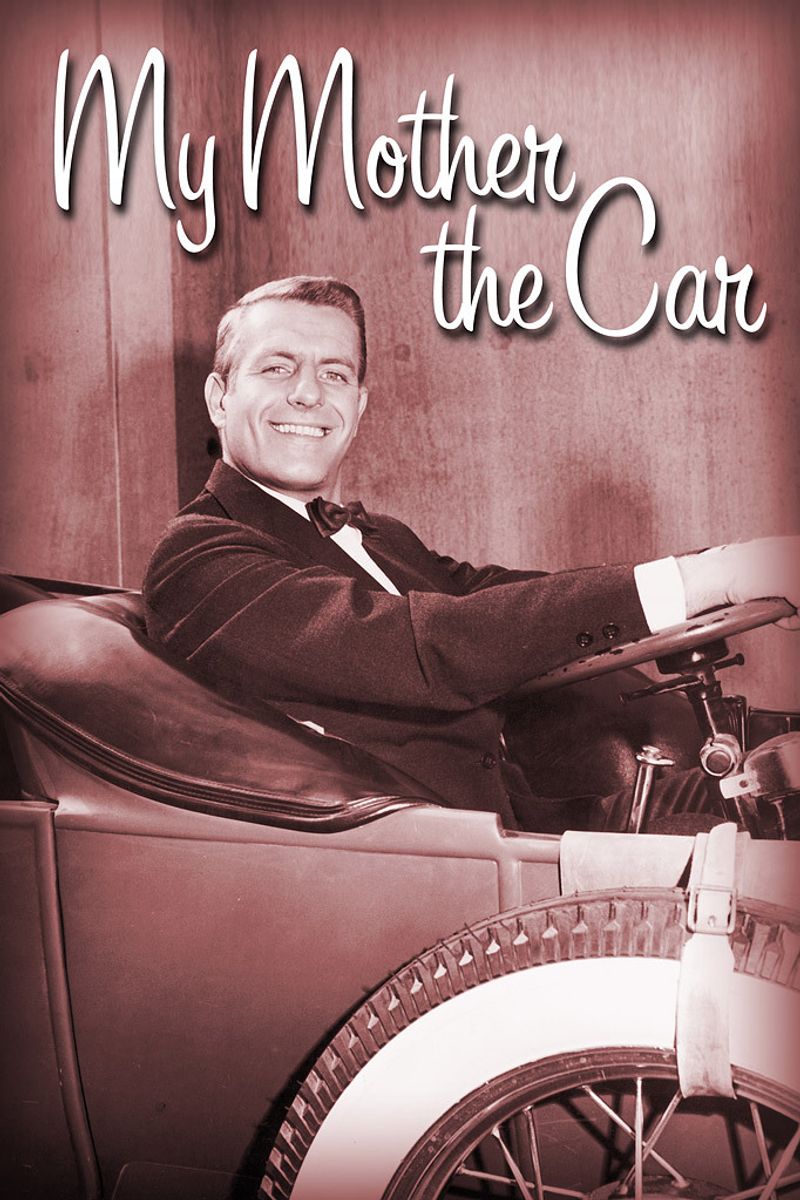
A man’s deceased mother comes back as a talking 1928 automobile.
That’s the actual plot of this sitcom that lasted just one season.
Jerry Van Dyke played Dave Crabtree, who discovers his mom has been reincarnated as an antique car with a sassy voice.
Critics today often cite this show as one of television’s biggest disasters.
The concept seemed absurd even by 1960s standards, and modern viewers find it impossible to take seriously.
The show tried mixing family sentiment with wacky comedy, but the result felt forced and awkward.
NBC quickly pulled the plug after 30 episodes.
Van Dyke later called it his biggest career mistake, especially since he turned down Gilligan’s Island for this role.
2. The Flying Nun
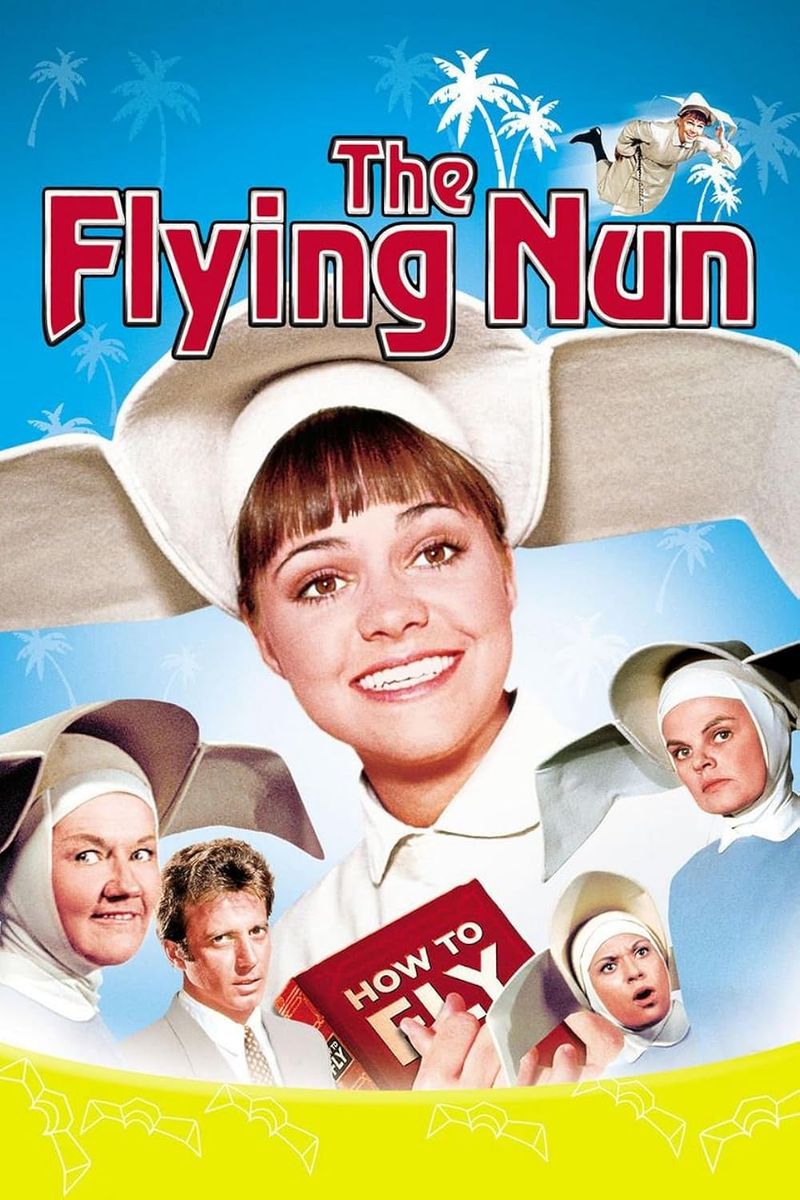
Sally Field starred as Sister Bertrille, a nun whose lightweight body and aerodynamic headpiece allowed her to fly through the air.
Seriously, that was the show’s entire foundation.
Set in a convent in Puerto Rico, it aired for three seasons despite its ridiculous premise.
Modern audiences struggle with how the show trivialized religious life while using nuns as comedy props.
Field herself has expressed embarrassment about the series, calling it silly and dismissing it in interviews.
The physics made no sense, and the storylines were painfully predictable.
Today’s viewers find the show’s treatment of faith and religion uncomfortable.
What seemed like harmless fantasy entertainment in 1967 now feels disrespectful and oddly inappropriate for television.
3. F Troop
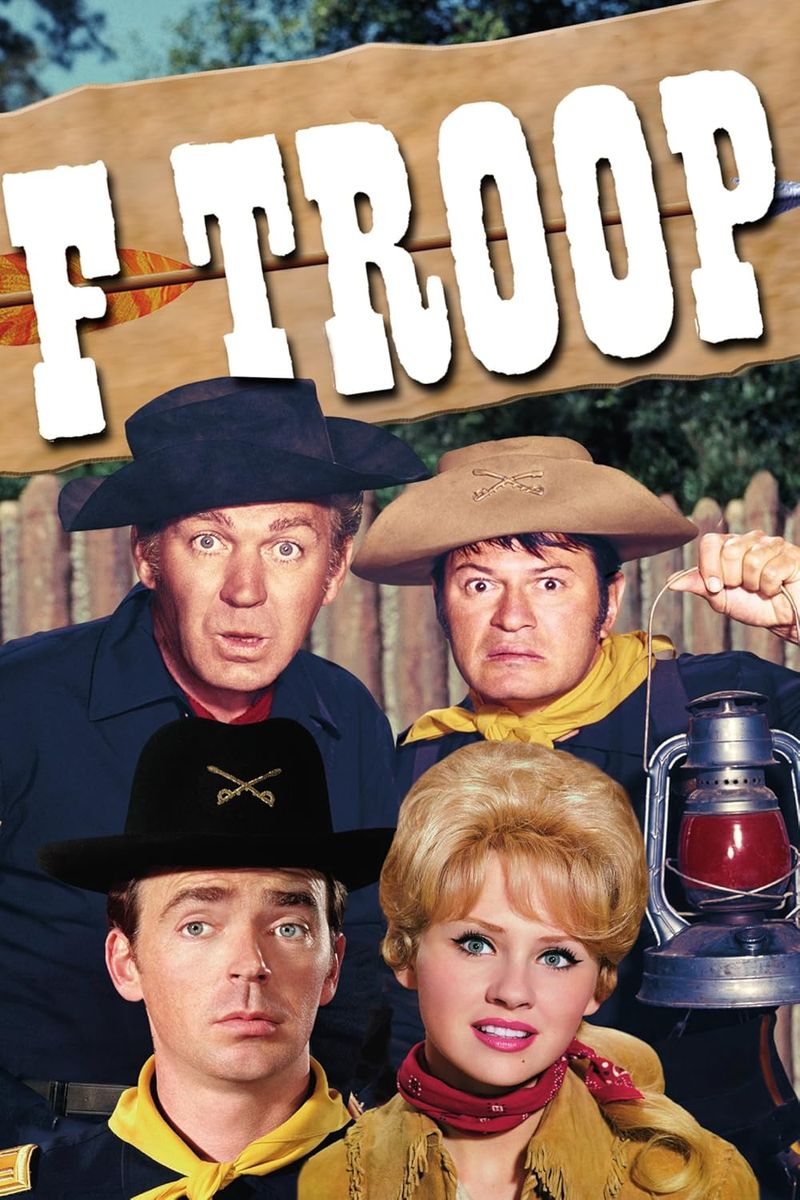
This cavalry comedy set in the Old West featured bumbling soldiers at Fort Courage and their interactions with the fictional Hekawi tribe.
The show relied heavily on slapstick humor and supposedly friendly relationships between the soldiers and Native Americans.
What seemed like lighthearted fun in 1965 looks very different through today’s lens.
Critics now point out the numerous stereotypes and offensive portrayals of indigenous people.
The Native characters spoke in broken English and were presented as simple-minded, playing into harmful caricatures.
Real Native American history and culture became cartoon fodder.
The show’s attempt at satire fell flat, and its legacy remains controversial.
Educational value was zero while cultural insensitivity ran high throughout both seasons.
4. I Dream of Jeannie
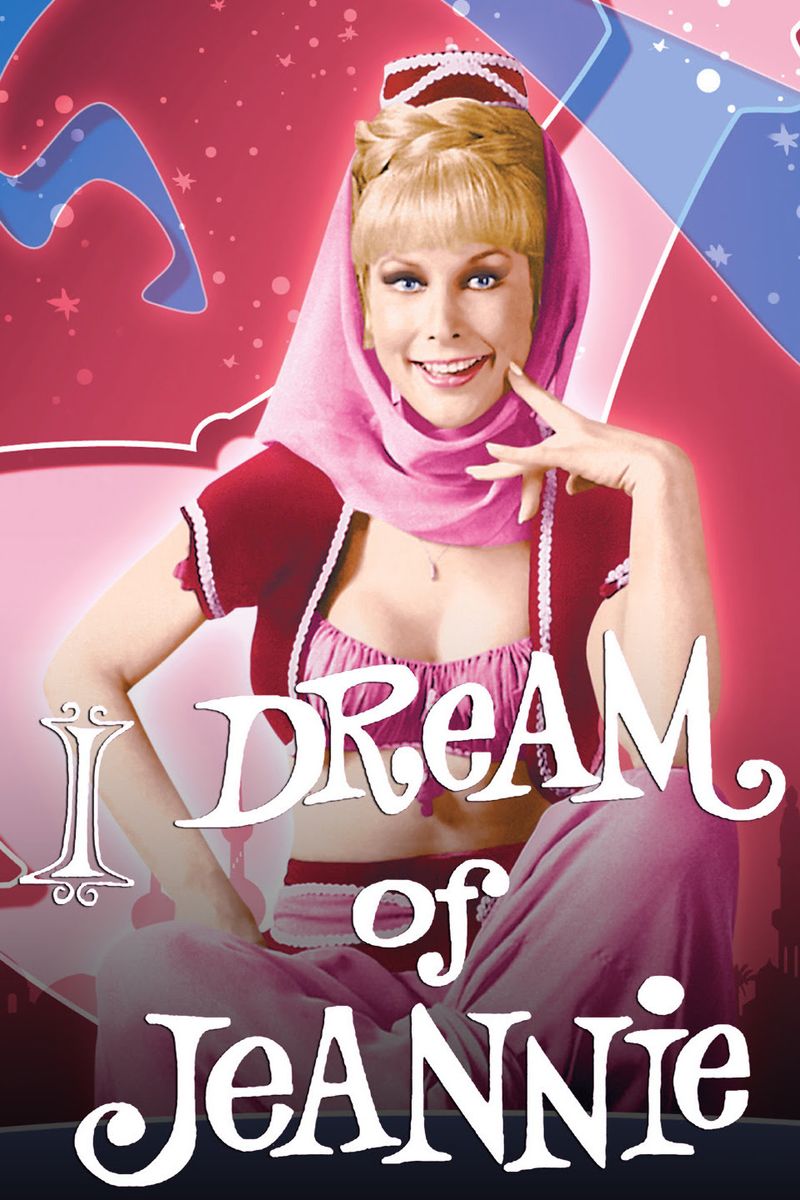
An astronaut finds a genie in a bottle who becomes his devoted servant and calls him “Master” in every episode.
Barbara Eden’s costume was considered scandalous for showing her belly button, yet nobody questioned the power dynamics.
Jeannie had cosmic abilities but used them mainly to please Tony or cause jealous misunderstandings.
Today’s audiences cringe at how the show portrayed gender roles and relationships.
Jeannie was essentially property, trapped in servitude to a man who kept her existence secret.
Her magical powers somehow never led to independence or agency.
The entire premise reinforces outdated ideas about women needing to serve men.
What passed as romantic comedy then reads as deeply problematic now.
5. The Wild Wild West
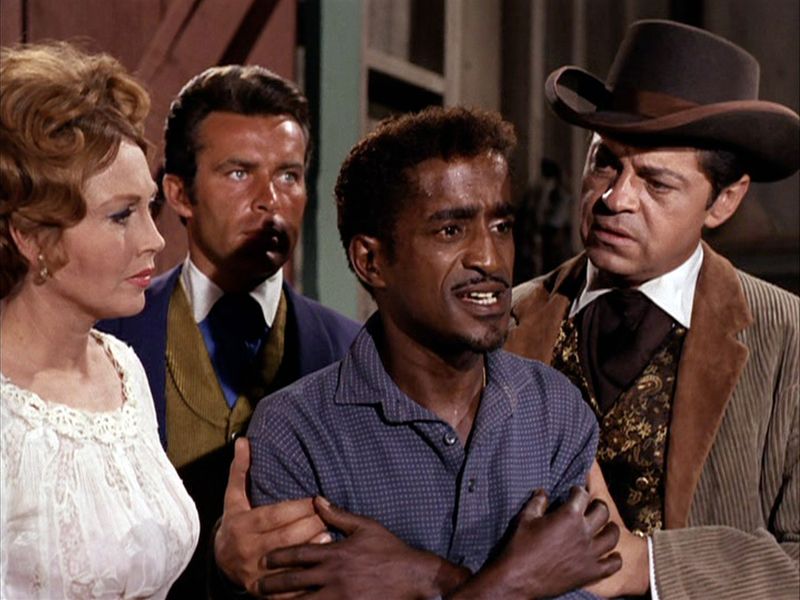
James Bond met cowboys in this bizarre mashup that featured secret agents in the Old West using anachronistic gadgets.
The show blended spy thriller elements with Western settings, creating something that felt confused even at the time.
Special agent James West faced villains who built impossible weapons and concocted elaborate schemes.
Modern criticism focuses on the show’s treatment of various cultures and ethnicities.
Asian, Hispanic, and Native characters often appeared as exotic threats or mystical villains playing into racist stereotypes.
The cultural appropriation and offensive portrayals are glaring when viewed today.
Action sequences and gadgets couldn’t mask the problematic content.
The show’s attempt at diversity resulted in caricatures rather than realistic representation of different peoples.
6. Mr. Terrific
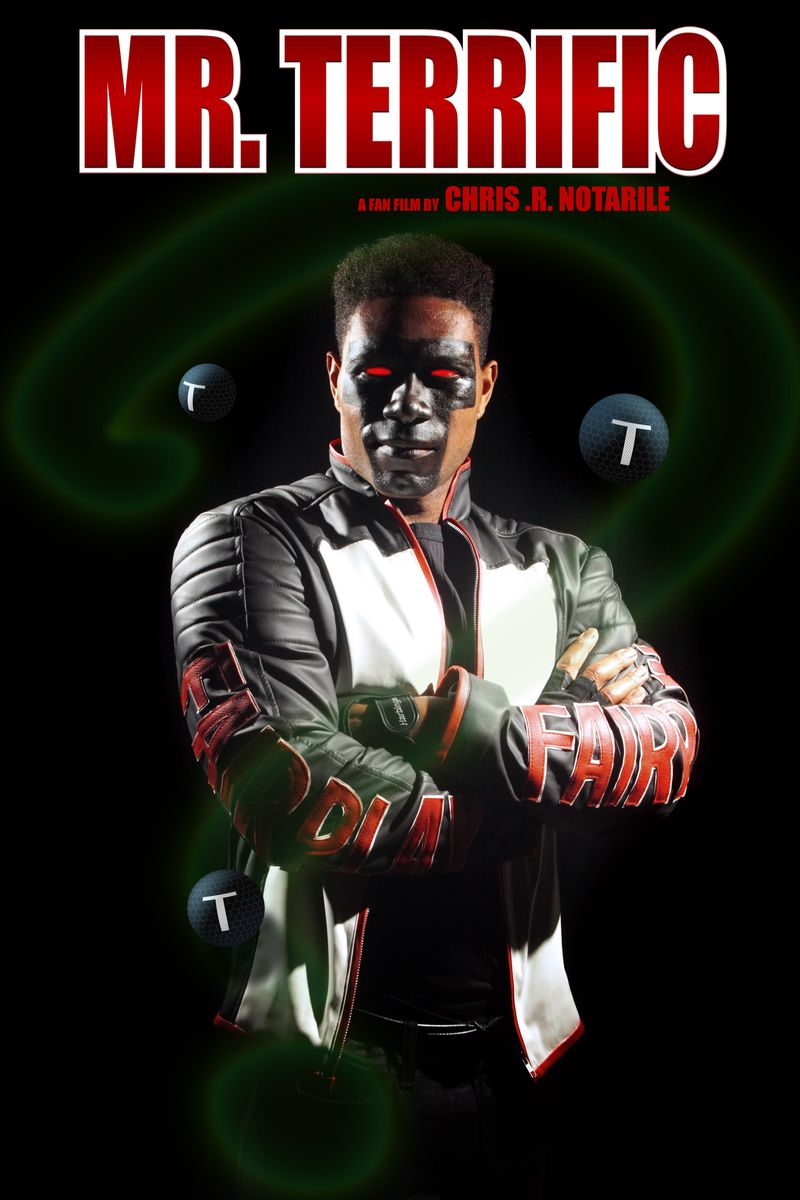
Stanley Beamish was a wimpy gas station owner who gained superpowers by taking special pills from a government agency.
The catch?
The powers only lasted an hour, and he couldn’t tell anyone his secret.
This superhero spoof tried riding the Batman craze but crashed hard after just 17 episodes.
Everything about the show felt cheap and rushed, from the costume to the special effects.
Critics today view it as a cynical attempt to cash in on superhero popularity without any creative vision or effort.
The humor felt stale even in 1967.
CBS cancelled it quickly, and nobody mourned its loss.
The show represents everything wrong with trend-chasing television that prioritizes speed over quality or originality.
7. The Pruitts of Southampton
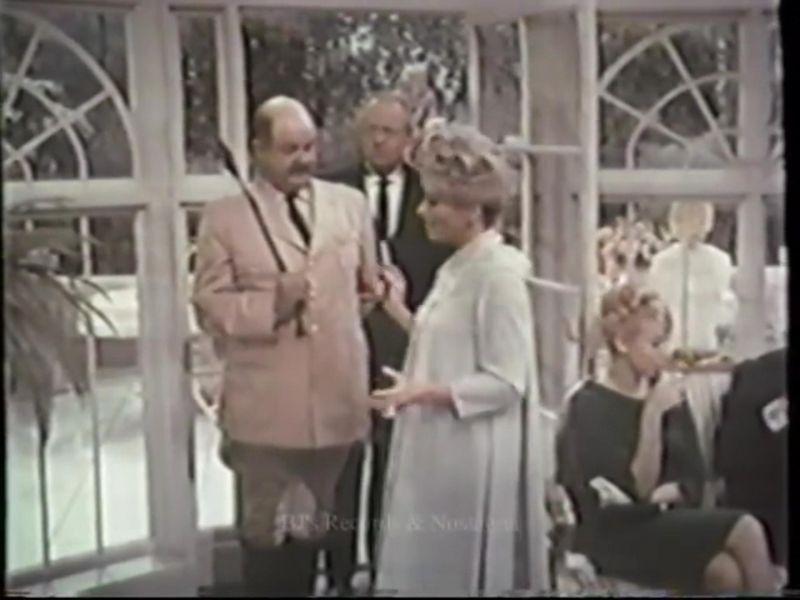
Phyllis Diller starred as a broke socialite pretending to still be wealthy while living in her mansion under government supervision.
The IRS had seized everything, but she maintained appearances to stay in high society.
The show changed names and formats multiple times, desperately trying to find an audience.
Viewers today find the premise tiresome and the comedy forced.
Diller’s manic energy couldn’t save weak scripts that mocked both poverty and privilege without saying anything meaningful.
The show never figured out what it wanted to be or who should care.
ABC gave up after one season of constant retooling.
The series stands as an example of how star power alone cannot rescue fundamentally flawed concepts.
8. Occasional Wife
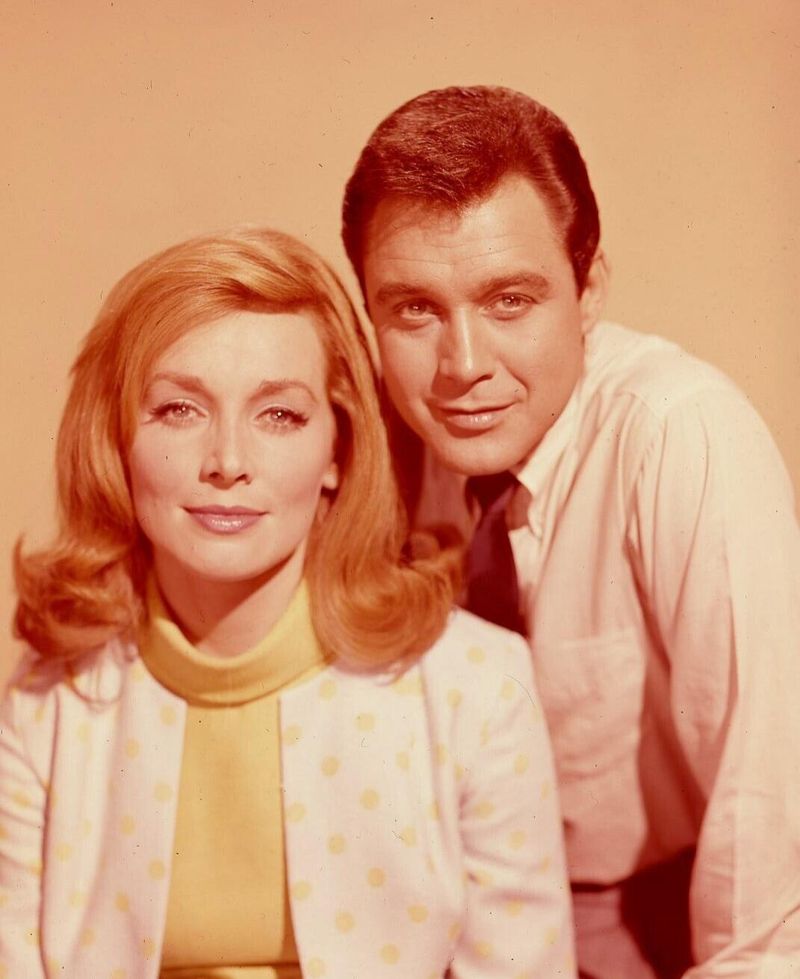
A baby food company executive needs to appear married for a promotion, so he hires his upstairs neighbor to pretend to be his wife when necessary.
She works as a hat check girl and agrees to this deceptive arrangement for money.
They live in the same building, she’s literally available on call, and hilarity supposedly ensues.
The entire concept feels uncomfortable from a modern perspective.
A woman becomes a part-time rental wife, performing domestic duties and affection for pay.
The show presented this arrangement as cute rather than deeply weird and ethically questionable.
NBC cancelled it after one season when audiences didn’t embrace the premise.
Contemporary viewers find the power imbalance and commodification of women disturbing rather than amusing.
9. Captain Nice
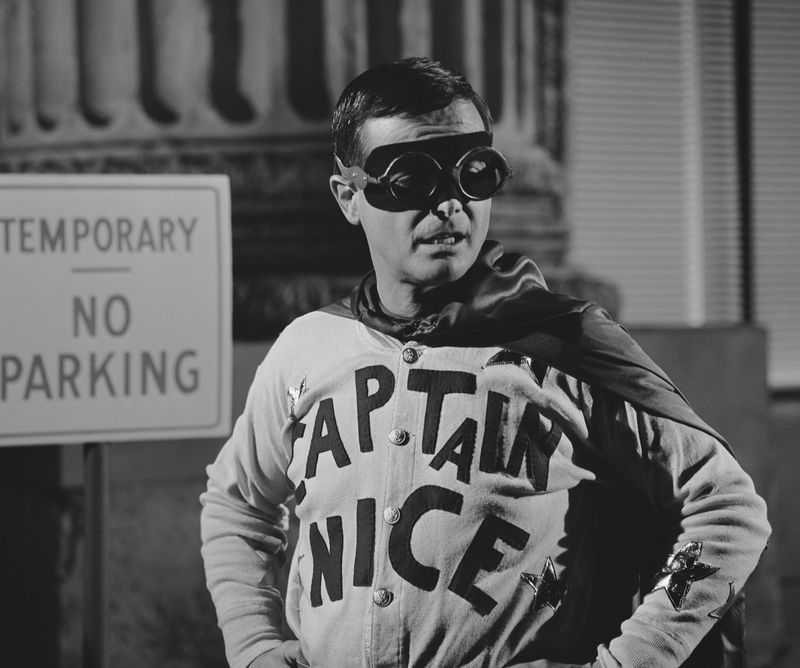
Chemist Carter Nash created a super serum but was too timid to use it properly, needing his overbearing mother to push him into heroics.
NBC launched this superhero parody directly against Mr. Terrific, creating a competition between two equally terrible shows.
Neither survived beyond one season.
The show treated mental health issues and family dysfunction as punchlines.
Carter’s anxiety and his mother’s controlling behavior became running jokes rather than character development.
Viewers today recognize toxic family dynamics instead of finding the situation humorous.
William Daniels, who later found success in other roles, couldn’t elevate the weak material.
The show’s failure taught networks that spoofing superheroes required actual wit and creativity, not just silly costumes.
10. My Living Doll
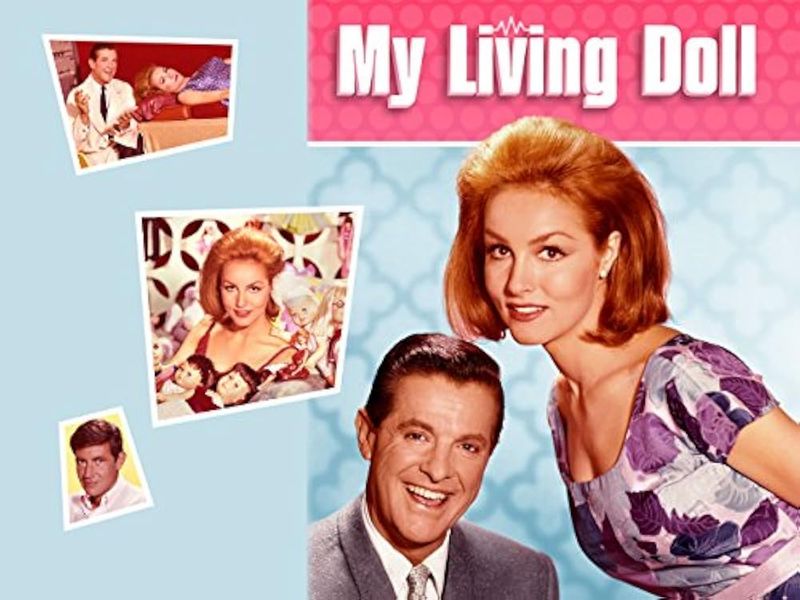
A psychiatrist secretly cares for a female robot programmed to be the perfect woman.
Bob Cummings starred as Dr. Bob McDonald, who tries to teach robot Rhoda human behavior while keeping her true identity hidden from the world.
Julie Newmar played the robot with no opinions or complaints of her own, following orders without question.
Modern audiences find the show’s premise deeply offensive and problematic.
The idea of a woman needing to be programmed to be perfect and obedient reflects outdated gender stereotypes that haven’t aged well.
The show lasted only one season before cancellation in 1965, but its reputation as one of television’s most sexist sitcoms lives on.
Comments
Loading…