
 Chloe Peterson
Looking for the Right Partner? 11 Things That Might Be Getting in the Way
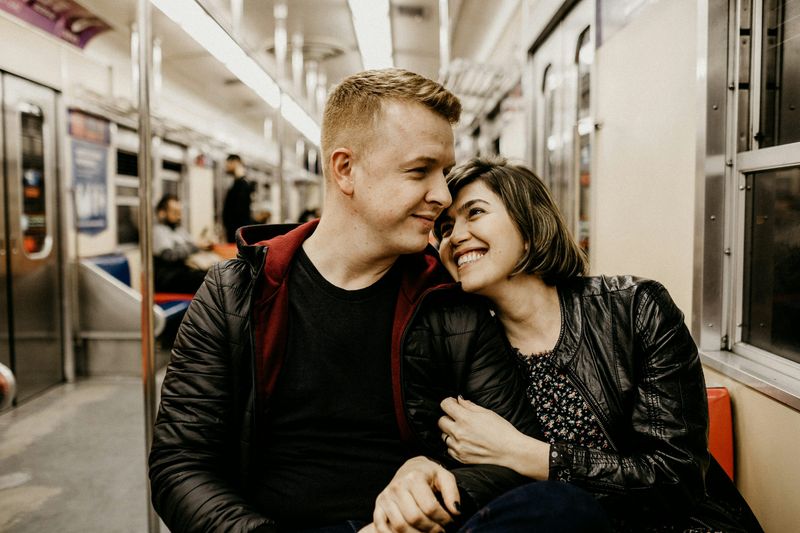
Finding the right partner is not always about bad luck or poor timing.
Sometimes the biggest obstacles are subtle habits, old wounds, or expectations you barely notice shaping your choices.
If dating keeps feeling frustrating, repetitive, or disappointing, it may be worth looking inward before looking outward again.
These common relationship roadblocks might explain more than you think.
1. You are chasing perfection

Wanting a great partner is healthy, but expecting perfection can quietly sabotage every connection you make.
If you dismiss people over tiny flaws, you may be protecting yourself more than honoring your standards.
Real relationships ask for curiosity, patience, and room for people to be human.
You deserve someone compatible, kind, and emotionally available, not someone who checks every box on a fantasy list.
When you loosen rigid expectations, you start noticing deeper qualities that actually matter long term.
Chemistry grows better when it has space to breathe.
2. You are still attached to the past

If part of your heart is still living in an old relationship, new love will keep feeling out of reach.
Unprocessed grief, resentment, or nostalgia can make every new person seem wrong before they get a real chance.
You may be comparing without realizing it.
Healing does not mean forgetting what mattered to you.
It means making peace with what happened so your future is not constantly filtered through your past.
When you stop dating from old pain, you give yourself a fair shot at something healthier and more present.
3. You confuse sparks with compatibility

Instant chemistry can feel thrilling, but it is not always a sign of lasting potential.
Sometimes those intense sparks come from familiar chaos, not genuine compatibility.
If you only trust excitement, calmer but healthier connections may never get enough time to develop.
Compatibility shows up in communication, values, emotional maturity, and how safe you feel being yourself.
Attraction matters, but it cannot carry a relationship by itself.
When you learn to notice steadiness as attractive too, dating becomes less dramatic and much more promising.
4. You are afraid of being vulnerable

It is hard to build closeness when you are always managing how much of yourself gets seen.
Keeping conversations light may feel safe, but it can also prevent real intimacy from ever forming.
People cannot connect deeply with someone who stays emotionally locked up.
Vulnerability does not mean oversharing with strangers or abandoning boundaries.
It means letting someone know what matters to you, what hurts, and what you hope for.
When you practice honest openness in small ways, you create the kind of trust that lasting relationships need.
5. You keep ignoring red flags

Sometimes the problem is not that the right partner is missing, but that the wrong ones keep getting too much access.
If you excuse inconsistency, disrespect, or emotional unavailability, you may be hoping potential will become reality.
Usually, it does not.
Red flags are easier to minimize when attraction is strong or loneliness is loud.
Still, early patterns often tell you exactly what a relationship will feel like later.
Trusting what you see, instead of what you wish were true, protects your time, energy, and self-respect.
6. Your standards are actually unclear
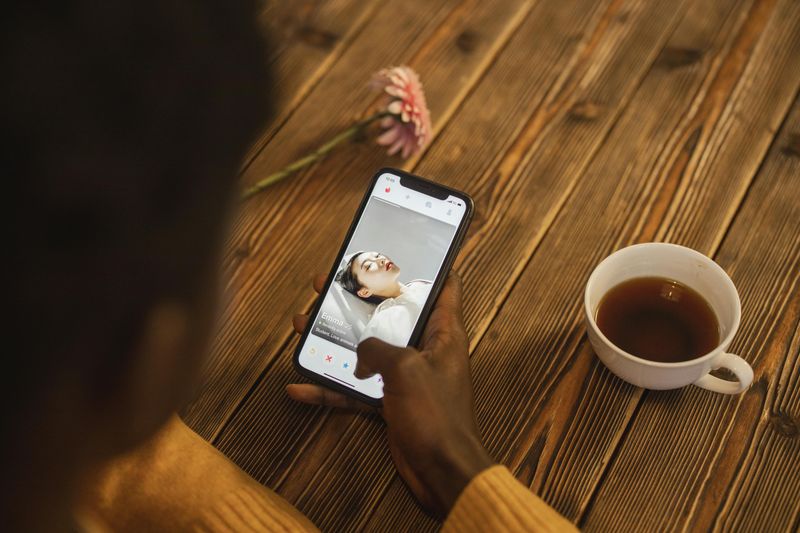
You may say you know what you want, but if your choices keep contradicting your goals, clarity could be missing.
Vague standards make it easy to get swept into connections that look appealing but lead nowhere.
Without direction, dating becomes reactive instead of intentional.
Clear standards are not about creating a long list of demands.
They are about understanding your nonnegotiables, values, and the kind of relationship you genuinely want to build.
When you know what matters most, it becomes much easier to recognize who actually fits your life.
7. You are choosing from loneliness

Loneliness can make almost any attention feel meaningful, especially when you have been craving connection for a long time.
In that state, it is easy to settle for people who are available but not truly right for you.
Temporary relief can create long-term disappointment.
The goal is not to become so independent that you never need anyone.
It is to date from a grounded place rather than from emotional hunger.
When you build a fuller life outside romance, you are more likely to choose a partner from desire, not desperation.
8. You have not healed your self-worth

If deep down you believe you are hard to love, that belief will shape who you entertain and what you tolerate.
You might chase unavailable people, accept crumbs, or overperform just to feel chosen.
Low self-worth often hides behind effort and people-pleasing.
The right relationship will not magically fix how you see yourself.
Stronger self-worth helps you date with healthier boundaries, clearer judgment, and less fear of rejection.
When you truly believe you are worthy of mutual love, you stop mistaking attention for genuine care.
9. You expect love to happen without effort

Sometimes people say they want a partner, but their actions leave very little room for one to appear.
Staying home, avoiding social opportunities, or refusing to engage intentionally can keep your dating life stagnant.
Hope alone rarely creates meaningful connection.
Effort does not mean forcing chemistry or treating dating like a second job.
It means being open, responsive, and willing to show up where real relationships can begin.
When your actions finally match your desire for partnership, you give luck something practical to work with.
10. You mistake independence for emotional distance

Being independent is a strength, but it can become a shield if you treat needing no one as a badge of honor.
Healthy relationships require interdependence, not emotional self-containment at all costs.
If closeness feels like weakness, partnership may feel threatening instead of comforting.
You do not lose yourself by letting someone matter to you.
Real intimacy lets two whole people support each other without giving up their identity.
When you stop equating connection with dependence, love can start feeling like freedom instead of risk.
11. You are not being fully yourself
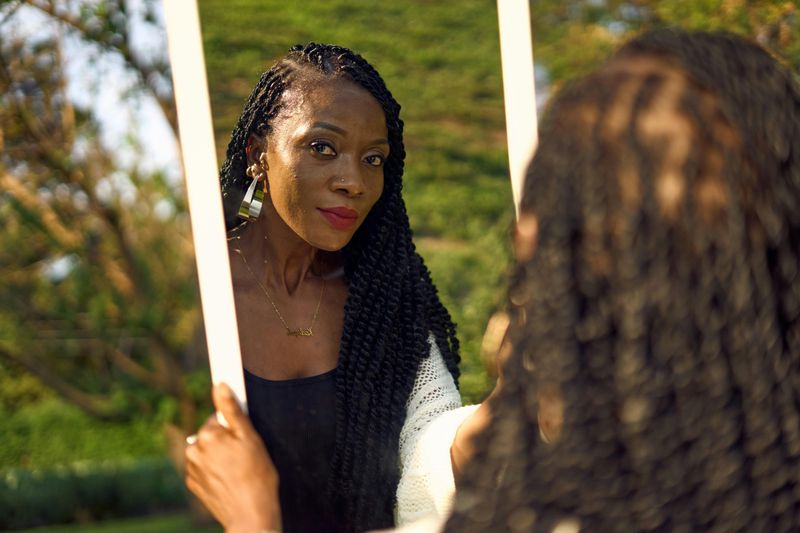
If you are editing yourself to be more likable, desirable, or easygoing, you may attract people who like the performance instead of the real you.
That can lead to exhausting relationships where you feel unseen even when you are technically together.
Authenticity matters early.
You do not need to reveal everything at once or ignore basic courtesy.
You just need enough honesty that the right person can actually recognize you.
When you show up more truthfully, dating may narrow faster, but the connections you keep become far more meaningful.
Comments
Loading…