
 Hailey Watson
Most people assume a great marriage starts with shared hobbies, matching tastes, and endless agreement.
But sometimes the strongest relationships are built on contrast, not compatibility.
When two very different people choose each other well, they create a bond that stays dynamic, resilient, and deeply alive.
Here are seven surprising reasons having nothing in common can actually make your marriage happier.
1. Curiosity Keeps Love Alive

When you marry someone different, conversation rarely goes stale.
You keep discovering opinions, habits, and stories that challenge your assumptions.
That steady sense of surprise can make everyday life feel more alive.
Instead of bonding over sameness, you bond through curiosity.
You learn how your partner sees the world, and that creates respect.
I find that marriages stay warmer when both people still feel interesting to each other.
Even disagreements become invitations to ask better questions, listen longer, and grow a little beyond your comfort zone together.
That kind of attention feels deeply romantic after the honeymoon fades.
2. Difference Reduces Competition

Couples with identical strengths can quietly compete without realizing it.
If you both want the same spotlight, friction grows fast in ordinary moments.
Different interests and talents create more room to cheer each other on.
Your wins do not threaten the relationship because they are not keeping score.
One partner shines in one area, the other shines somewhere else.
That balance can feel incredibly safe, supportive, and generous over time.
I have seen difference turn comparison into admiration, which is a much healthier energy for a long marriage.
It keeps egos quieter and love louder.
3. You Grow Beyond Yourself

When your partner loves things you do not naturally understand, growth becomes part of love.
You stretch your tastes, test new routines, and reconsider old beliefs.
That does not erase who you are, but it expands your world.
Marriage gets stale when nobody changes.
A different partner keeps inviting you into fresh experiences, from music to travel to ways of thinking.
You may start by compromising, but often end up richer, wiser, and more flexible.
That kind of evolution helps love last because both people keep becoming someone worth meeting again.
Year after year together.
4. Space Makes Closeness Healthier
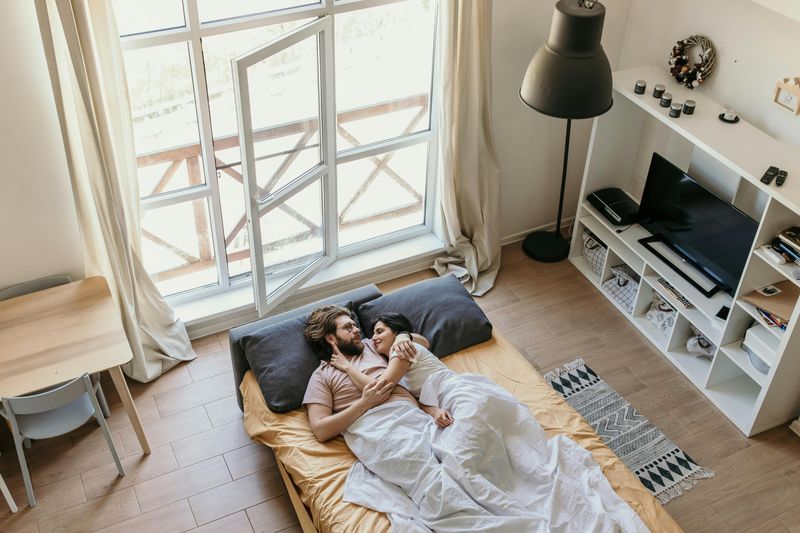
Having little in common can protect healthy independence.
You are less likely to expect your partner to meet every emotional, social, and recreational need.
That space takes pressure off the relationship.
Instead of forcing constant togetherness, you build a marriage with breathing room.
One person can read while the other hikes, and nobody has to feel rejected.
I think love gets stronger when closeness is chosen freely, not demanded daily.
Separate interests often bring fresh energy back home, giving you more to share and less to resent.
That rhythm keeps romance from feeling crowded inside.
5. Your Shared Life Gets Richer

A marriage between opposites is rarely boring.
Different hobbies, friendships, and perspectives bring more stories to the dinner table.
You are not just repeating the same experiences back to each other.
That variety creates a fuller shared life, even if you enjoy it in different ways.
One partner introduces jazz bars, the other introduces camping trips, and suddenly your world feels larger.
Those layered memories become glue during hard seasons because you have built something colorful together.
I love how difference keeps giving a couple new material, new rituals, and new reasons to stay curious.
6. Communication Gets Stronger
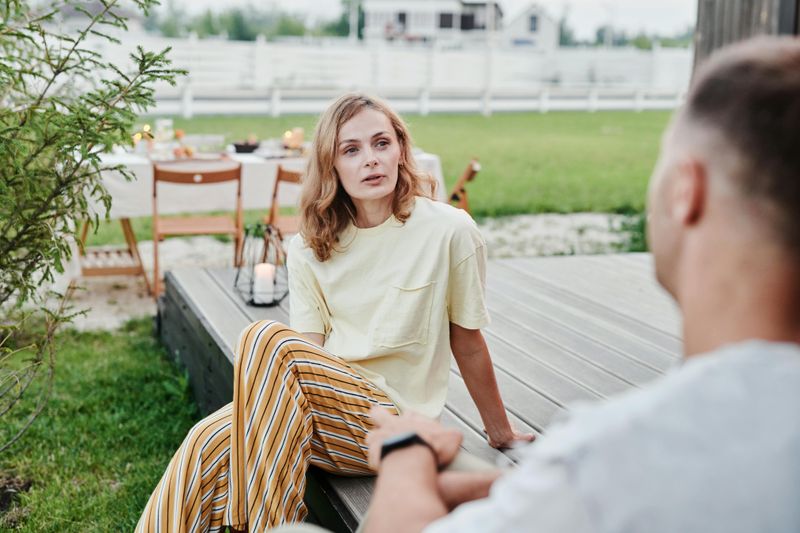
When two people have little in common, they cannot rely on autopilot.
They have to explain themselves more clearly and listen more carefully.
Over time, that can build excellent communication habits.
You learn to ask, not assume.
You practice translating needs, values, and preferences instead of expecting mind reading.
That effort can reduce resentment because both people feel heard as individuals, not treated like copies.
In my experience, marriages thrive when partners become skilled interpreters of each other, especially when love would be easier if assumptions actually worked.
That patience becomes intimacy over the years.
7. Love Becomes a Real Choice

When you do not share automatic overlap, love becomes more intentional.
You cannot coast on liking the same bands, foods, friends, or weekend plans.
You have to choose connection again and again.
That choice matters.
It means the marriage is built on character, commitment, humor, attraction, and effort instead of convenience.
I think relationships become stronger when they are held together by values and devotion, not just matching preferences.
Shared interests can be lovely, but they are not the deepest glue.
The real magic is choosing one another even when sameness is not doing the work for you.
Comments
Loading…