
 Hailey Watson
15 Fascinating Facts You Probably Didn’t Learn in School

School usually gives you the outline, but the strangest and most memorable details often get left out.
Some facts are so surprising they sound made up, yet they reveal how creative, chaotic, and connected our world really is.
From ancient inventions to animal oddities, these bite-sized discoveries can change how you see everyday life.
If you love learning things you will immediately want to tell someone else, you are in the right place.
1. Cleopatra lived closer to the Moon landing than to the pyramids
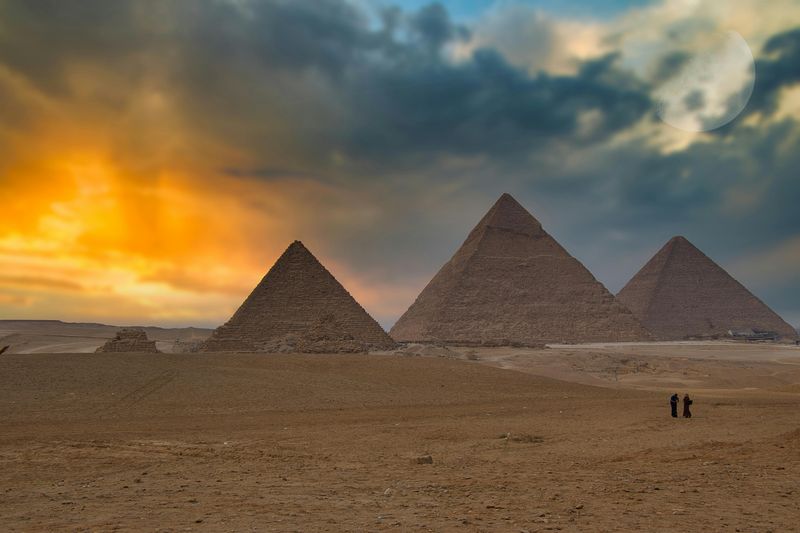
You might picture Cleopatra standing beside freshly built pyramids, but history tells a wilder story.
Cleopatra ruled Egypt around 30 BCE, while the Great Pyramid of Giza was completed around 2560 BCE.
That means more time passed between the pyramid builders and Cleopatra than between Cleopatra and the 1969 Moon landing.
I love this fact because it instantly breaks the way many people imagine ancient history.
It reminds you that Egypt lasted for thousands of years, with shifting dynasties, languages, and cultures.
The ancient world was not one frozen moment – it was a long, changing timeline full of surprising distance.
2. Sharks are older than trees
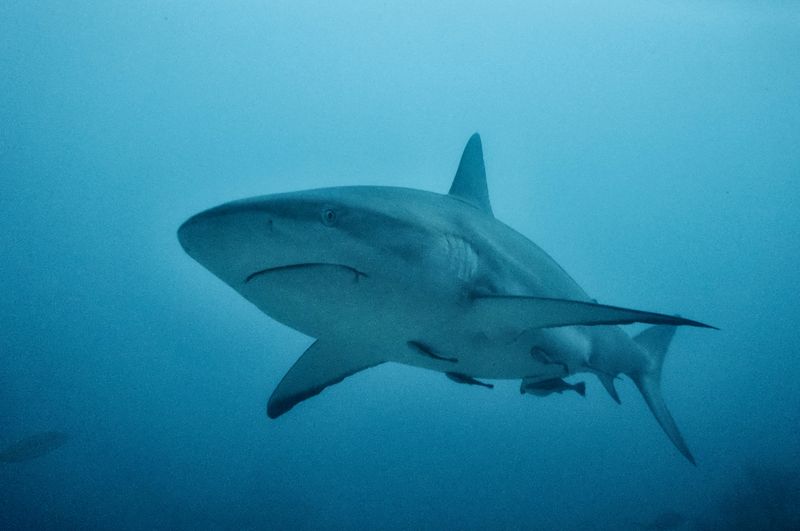
If you think of sharks as fierce modern predators, this timeline twist is going to surprise you.
Early shark ancestors appeared more than 400 million years ago, while the first true trees arrived roughly 350 million years ago.
In other words, sharks were already cruising ancient seas before forests began covering the land.
That fact makes Earth feel almost impossibly old in the best way.
You start to see how life evolved in strange stages, with oceans hosting complex creatures long before familiar landscapes existed.
Next time you see a shark documentary, you are looking at a lineage older than woods, leaves, and shady parks.
3. Oxford is older than the Aztec Empire
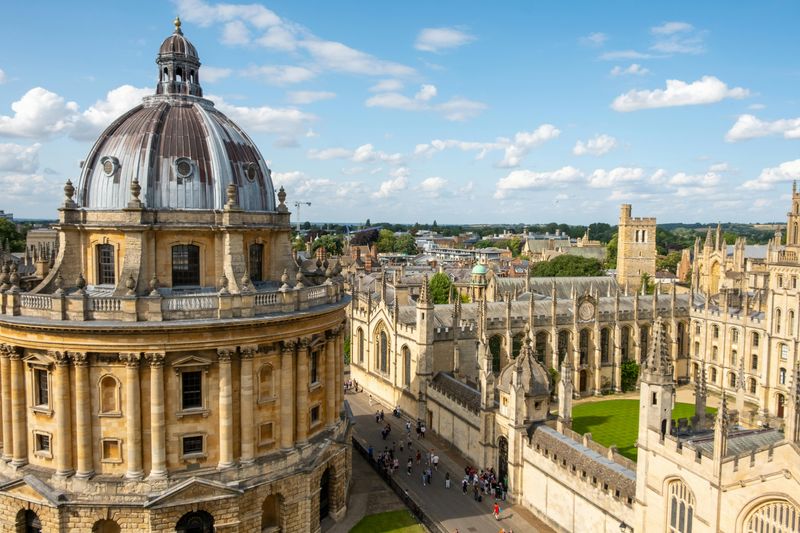
It sounds backward, but the University of Oxford was teaching students before the Aztec Empire even existed.
Teaching at Oxford began as early as 1096, while the Aztec Empire rose in the 1400s.
Those dates overlap in a way that makes medieval England and pre-Columbian Mexico feel unexpectedly close.
I find this fact especially fun because it destroys the neat boxes people put civilizations into.
History is not a row of isolated chapters – it is a tangled web of overlapping stories.
While scholars debated philosophy in Oxford, whole future empires elsewhere had not yet taken shape, which is mind-bending when you stop and picture it.
4. Bananas are berries, but strawberries are not
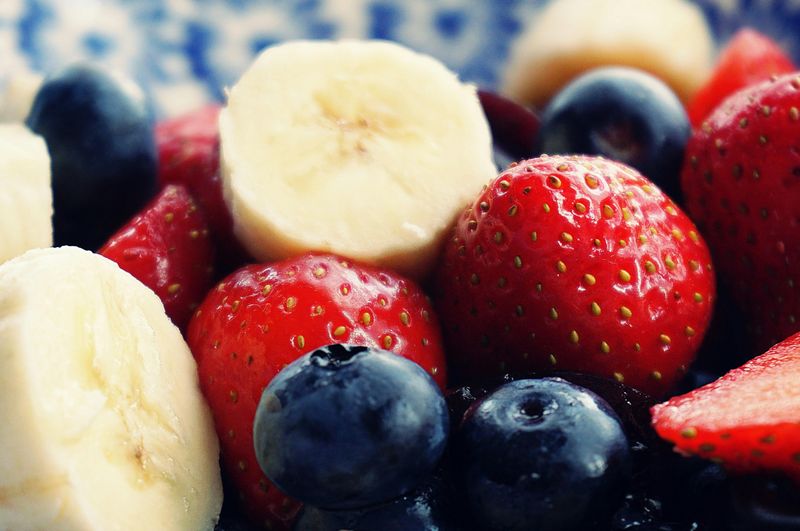
You probably learned what a berry is from the grocery store, not from botany.
In botanical terms, bananas qualify as berries because they develop from a single flower with one ovary.
Strawberries do not make the cut, because their seeds sit on the outside and their structure breaks the technical rules.
This is one of those facts that makes science feel delightfully petty and precise.
It shows you that everyday language and scientific classification often follow totally different logic.
The next time someone reaches for a fruit salad, you can casually mention that bananas are berries, then enjoy the confused looks that follow.
5. Wombat poop is cube-shaped
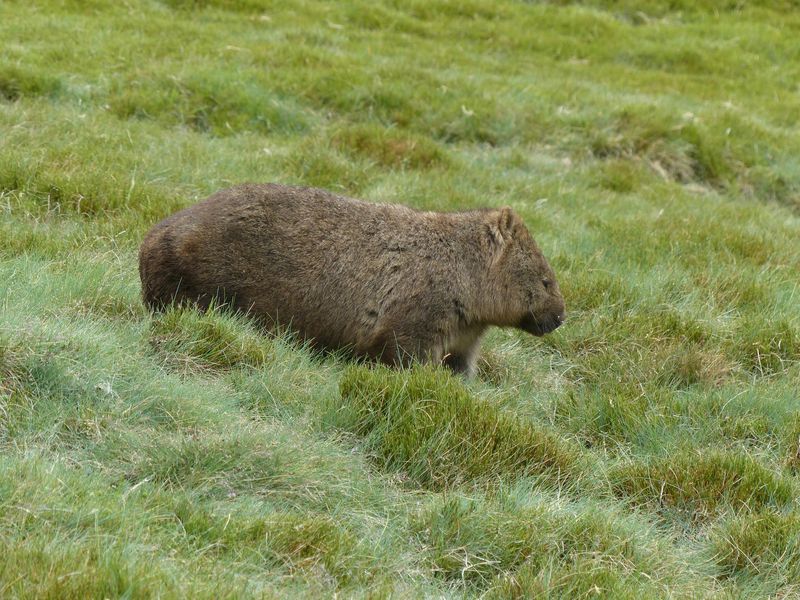
Yes, this is real, and yes, nature can be wonderfully weird.
Wombats produce cube-shaped droppings, which helps the pieces stay put instead of rolling away.
Scientists think this shape is useful because wombats use droppings to mark territory, often leaving them on logs or rocks.
I cannot help loving a fact that sounds like a cartoon but turns out to be biology.
Researchers believe the cube form comes from varying elasticity in the wombat’s intestines, not from a square exit.
It is a perfect reminder that evolution does not always produce elegance – sometimes it produces a surprisingly practical cube.
6. The shortest war in history lasted under an hour
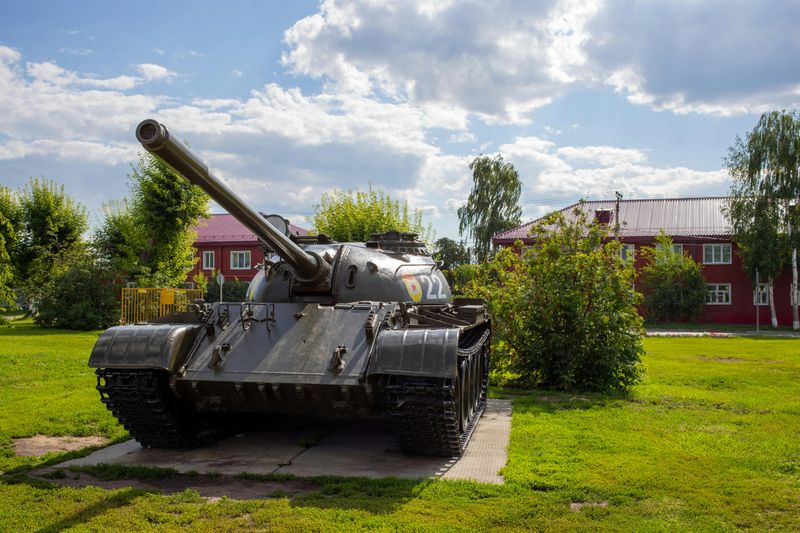
If school made wars seem like years-long conflicts only, this tiny but dramatic exception stands out.
The Anglo-Zanzibar War of 1896 lasted between 38 and 45 minutes, depending on the source.
That makes it the shortest recorded war in history, which is astonishing considering how much political tension surrounded it.
The conflict began after a succession dispute in Zanzibar triggered a British ultimatum.
When that deadline passed, bombardment started, and the outcome was decided almost immediately.
It is a sharp reminder that history is not only shaped by long campaigns – sometimes a single hour can redraw power, leadership, and international control.
7. Honey basically never spoils
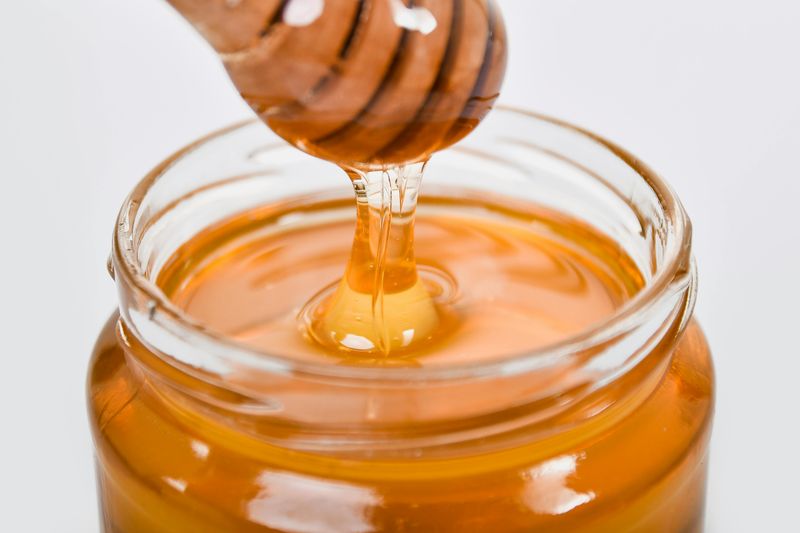
You can leave most foods alone for long enough and they become a science experiment.
Honey is different because its low moisture content, high sugar concentration, and natural acidity make it incredibly hostile to bacteria.
Archaeologists have even found ancient honey in tombs that remained preserved after thousands of years.
That does not mean every kitchen jar is magically eternal under all conditions, but the science behind it is still impressive.
Crystallized honey may look ruined, yet it is often still perfectly usable with gentle warming.
I like this fact because it turns an everyday pantry item into a tiny chemistry lesson you can actually taste.
8. Octopuses have three hearts
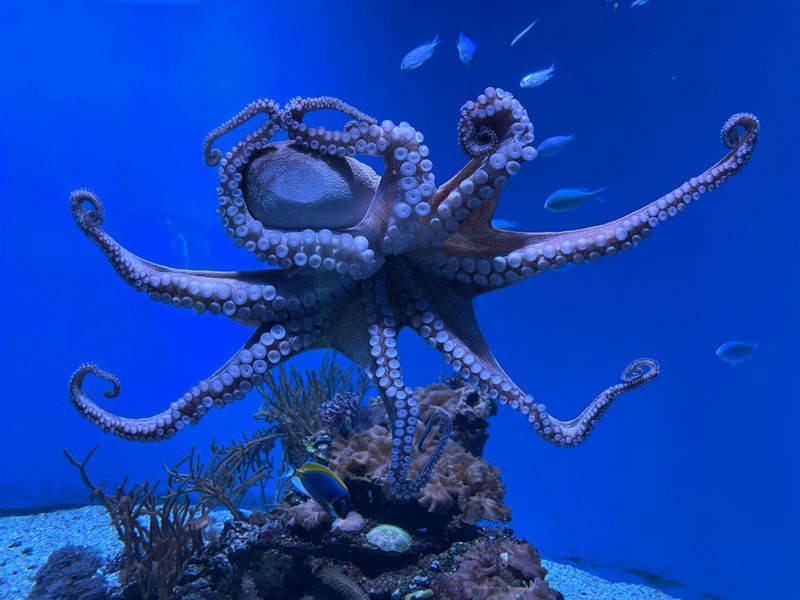
Octopuses already seem like aliens, and their anatomy only strengthens the case.
They have three hearts: two pump blood to the gills, and one pumps it to the rest of the body.
Even stranger, the main heart stops beating when the octopus swims, which is one reason they often prefer crawling.
You also get the bonus twist that their blood is blue, thanks to a copper-rich protein called hemocyanin.
That adaptation helps carry oxygen efficiently in cold, low-oxygen water.
When you put these details together, the octopus stops feeling like just another sea creature and starts looking like one of evolution’s boldest experiments.
9. A day on Venus is longer than a year on Venus
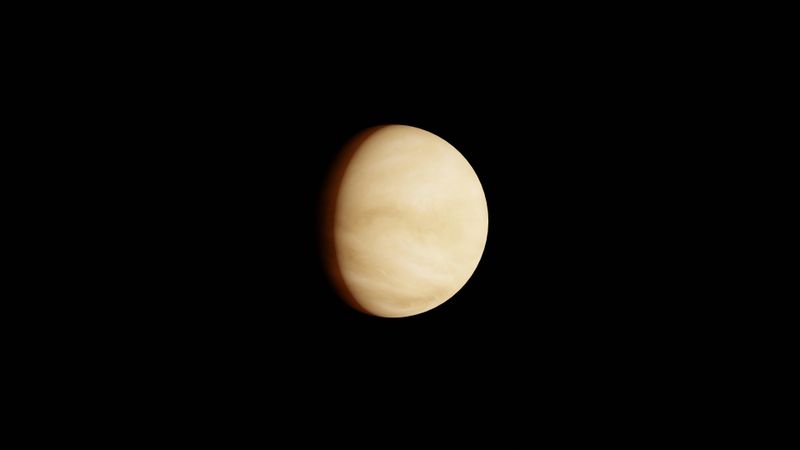
Planetary facts can feel abstract until one like this completely scrambles your intuition.
Venus takes about 243 Earth days to rotate once on its axis, but only about 225 Earth days to orbit the Sun.
So on Venus, a single day lasts longer than an entire year.
I think this is the kind of detail that makes space feel genuinely surreal instead of merely distant.
Venus also spins in the opposite direction from most planets, adding another strange twist to the story.
If you ever thought calendars were confusing on Earth, just imagine trying to explain birthdays, mornings, and seasons on Venus.
10. The Eiffel Tower can grow taller in summer
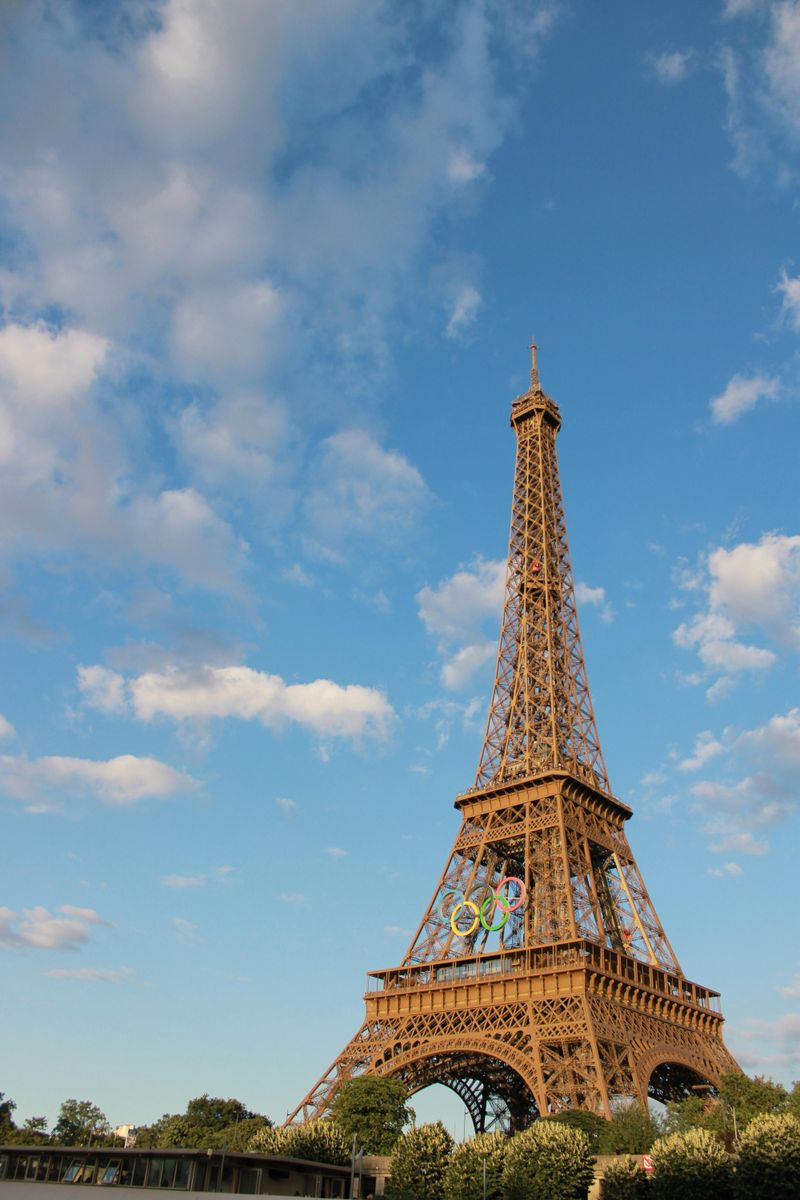
The Eiffel Tower looks solid and unchanging, but heat says otherwise.
Because metal expands when temperatures rise, the tower can grow by several inches during hot weather.
That means the famous Paris landmark is not always exactly the same height, even if it appears perfectly still from the street.
This fact is a great everyday example of thermal expansion, which affects bridges, rail lines, and countless engineered structures.
Designers account for those changes because materials constantly respond to their environment.
I like how this turns a world-famous monument into a quiet science demonstration, proving that physics is at work even in postcard views.
11. There were living mammoths when the pyramids were built
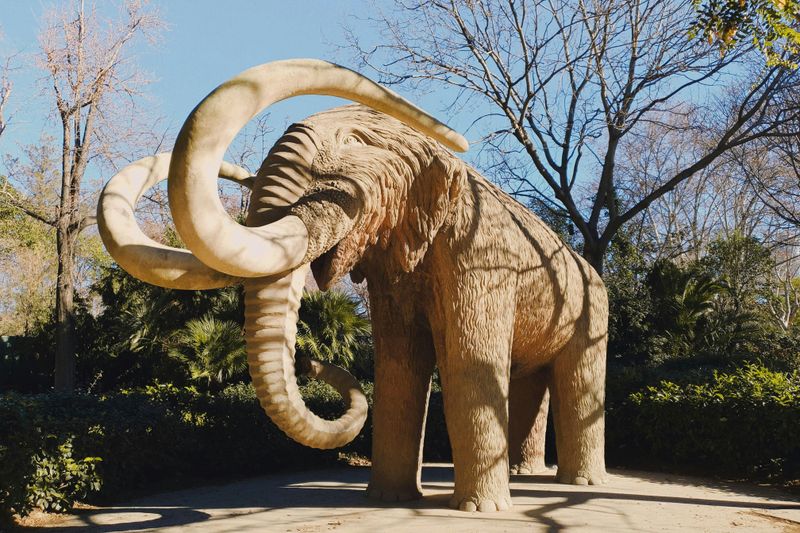
It is easy to imagine mammoths and pyramids as belonging to completely separate ages.
Yet small populations of woolly mammoths survived on Wrangel Island until about 4,000 years ago, after the Great Pyramid had already been built.
That overlap makes prehistory and ancient civilization feel much less neatly separated.
I love this fact because it punches a hole through the tidy timeline many of us carry around.
Extinction was not always one dramatic instant – sometimes it happened in slow, isolated pockets.
Somewhere on a remote Arctic island, mammoths were still alive while humans were building monuments that still define ancient Egypt today.
12. Your body has more bacterial cells than you might expect
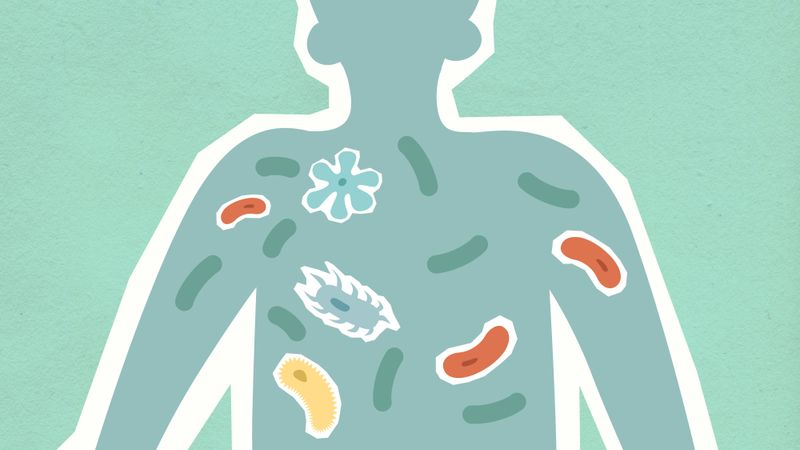
You are not just a person walking around – you are also an ecosystem.
The human body hosts trillions of microbes, especially in the gut, on the skin, and in the mouth.
Older estimates exaggerated the exact ratio, but the broader truth remains: your body depends heavily on bacterial companions.
These microbes help digest food, train the immune system, and even influence how your body responds to illness.
That does not mean every bacterium is friendly, but many are essential partners rather than invaders.
Once you learn this, health starts looking less like a solo project and more like a constant negotiation with invisible life.
13. Some turtles can breathe through their rear ends
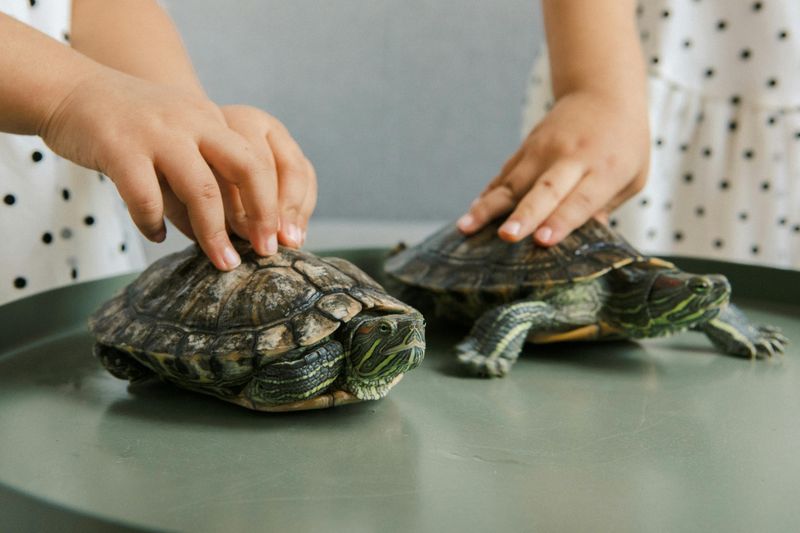
Nature occasionally delivers a fact so odd you check it twice, and this is one of them.
Some turtle species can perform cloacal respiration, meaning they absorb oxygen through specialized structures near their rear end.
This ability helps them survive underwater for long periods, especially during cold seasons.
It is not how they normally breathe all the time, but it can be a lifesaving adaptation in harsh environments.
The science sounds funny, yet it reveals how flexible survival strategies can be.
If evolution had a sense of humor, this would be one of its best examples – bizarre, practical, and unexpectedly brilliant.
14. Ancient Romans used concrete that could heal itself
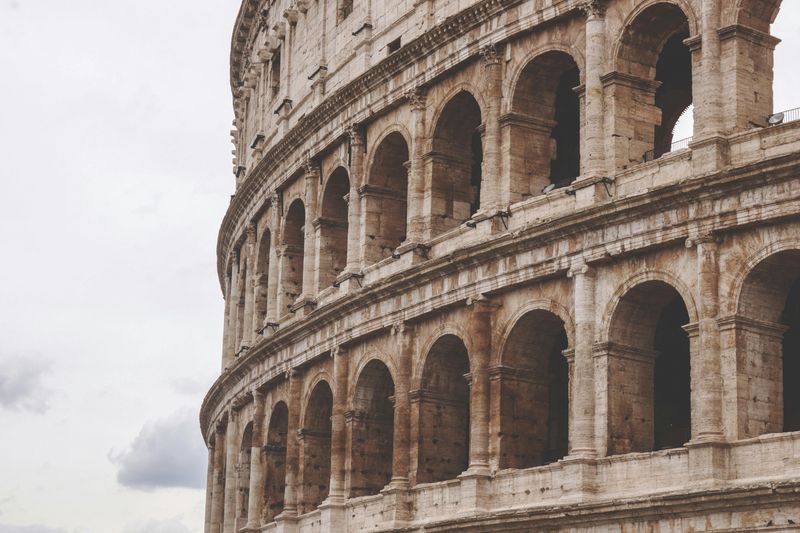
Modern builders still admire Roman concrete, and for good reason.
Some ancient Roman structures, especially harbors, have lasted for centuries despite waves, saltwater, and harsh weather.
Researchers found that certain mixtures contained lime clasts and volcanic materials that allowed cracks to react and partially reseal over time.
That does not mean Roman engineers had magic cement, but they understood materials in ways that still impress scientists today.
Their recipe was different from much modern concrete, which can degrade faster in marine conditions.
I find this fact inspiring because it shows lost knowledge is not always primitive – sometimes the past still has lessons.
15. The inventor of the Pringles can is buried in one

This fact sounds like a joke someone made online, but it is rooted in reality.
Fred Baur, who helped develop the iconic Pringles can, was so proud of the design that his family placed part of his ashes in one after his death.
It is unusual, personal, and strangely fitting.
I like this story because it captures how inventors can become emotionally attached to everyday objects we barely notice.
Packaging may seem mundane, yet clever design can change manufacturing, shipping, and branding all at once.
The next time you see that tube on a shelf, you might remember it carries a surprisingly human legacy.
Comments
Loading…