
 Hailey Watson
How Well Do You Know Your Partner? Questions Every Couple Should Answer

Every relationship has layers, and the deeper you go, the stronger your connection becomes.
Whether you’ve been together for six months or six years, there’s always something new to discover about the person you love.
These questions aren’t just fun conversation starters — they’re windows into each other’s hearts, fears, and dreams.
Set aside some time, get comfortable, and let honest answers bring you closer than ever.
1. What Is Your Partner’s Greatest Fear?

Fear is one of the most personal things a person carries, and knowing your partner’s deepest fear says a lot about how well you truly understand them.
Maybe they’re scared of failure, of being abandoned, or of something that happened long ago.
When you know what keeps your partner up at night, you can offer comfort instead of accidentally triggering anxiety.
Ask gently, listen without judgment, and share your own fears too.
This kind of openness creates trust that holds a relationship steady even through the toughest storms.
Real intimacy starts when both people feel safe enough to be vulnerable.
2. What Does Your Partner Consider Their Greatest Achievement?

Behind every person is a moment they’re quietly or not so quietly proud of.
For some, it’s finishing school against the odds.
For others, it might be raising a sibling, starting a business, or simply surviving a really hard chapter of life.
Do you know which moment makes your partner’s chest swell with pride?
Understanding what they value most about themselves helps you celebrate them in ways that actually feel meaningful.
It also reveals what drives them and what they consider worth working hard for.
Ask this question and watch their eyes light up as they remember who they’ve fought to become.
3. How Does Your Partner Handle stress?

Some people go quiet when they’re overwhelmed.
Others need to talk it out, hit the gym, or binge-watch a comfort show for three hours.
Neither is wrong but if you don’t know your partner’s stress style, you might misread their silence as anger or their need for space as rejection.
Learning how your partner copes with pressure means you can support them without making things worse.
You’ll know when to step in and when to step back.
That kind of awareness is one of the most loving things you can offer.
Ask them then actually remember the answer next time things get hard.
4. What Are Your Partner’s Core Values?

Values are the invisible compass that guides every decision a person makes from how they spend money to how they treat strangers.
Does your partner prioritize family above everything?
Do they care deeply about honesty, creativity, or community service?
When two people share core values, they tend to move in the same direction even when life gets complicated.
But when values clash without either person realizing it, small disagreements can grow into big ones fast.
Take time to explore what truly matters to your partner at their core.
You might be surprised how much you learn and how much closer it brings you.
5. What Is Your Partner’s Love Language?

Gary Chapman’s famous concept of love languages changed the way millions of couples communicate affection.
The five languages – words of affirmation, acts of service, receiving gifts, quality time, and physical touch explain why two people can love each other deeply yet still feel unloved.
Maybe you keep buying thoughtful gifts, but your partner just wants you to put the phone down and be present.
Or you offer endless hugs, but they’d rather hear “I’m proud of you.” Ask your partner how they feel most loved, and then actually do that thing.
Love isn’t just a feeling, it’s a practice.
6. What Does Your Partner Dream About for the Future?

Picture this: you’ve been together for years, but you’ve never actually asked each other where you want to be in a decade.
Dreams about the future – a home in the countryside, traveling the world, raising kids, or building a creative career tell you so much about a person’s soul.
When couples align their visions early, they build toward something together rather than accidentally pulling in opposite directions.
Even if your dreams differ, knowing about them opens a conversation worth having.
Ask your partner what their ideal future looks like, and share yours too.
You might be building something beautiful without even knowing it yet.
7. How Did Your Partner’s childhood Shape Who They Are?
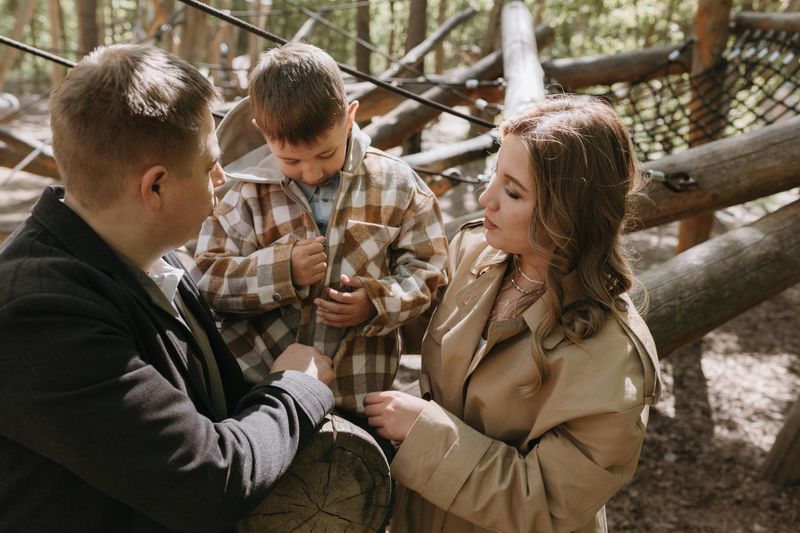
Nobody arrives at adulthood untouched by their past.
The way your partner was raised – the traditions, the struggles, the family dynamics, the moments of joy or pain quietly shapes how they love, argue, trust, and connect with others.
Understanding your partner’s childhood doesn’t mean using it against them or making excuses.
It means seeing them with more compassion and context.
Why do they flinch at raised voices?
Why do they light up around big family dinners?
The answers often trace back to a kitchen table or a bedroom door from long ago.
Their history is the backstory to the person you fell in love with.
8. What Makes Your Partner Feel Most appreciated?

There’s a big difference between loving someone and making them feel loved.
You can be a wonderful partner and still miss the mark if you don’t know what actually makes your person feel seen and valued.
For some, appreciation looks like a heartfelt “thank you” after a long day.
For others, it’s noticing when they’ve done something without being asked and saying so out loud.
Small, consistent gestures tend to matter far more than grand romantic moments that happen once a year.
Find out what fills your partner’s cup and make it a habit.
That kind of attention is what long-lasting love is made of.
9. What Is Your Partner’s Communication Style?

Communication styles vary wildly – some people are direct and say exactly what they mean, while others hint, withdraw, or overexplain when emotions run high.
If you and your partner have different styles, misunderstandings can pile up fast even when both of you are trying your best.
Does your partner need time to cool down before talking through a disagreement?
Do they prefer face-to-face conversations or writing things out?
Learning their natural rhythm can turn arguments into actual conversations.
Understanding how your partner communicates isn’t just helpful, it’s one of the most respectful things you can do for your relationship’s long-term health.
10. What Are Your Partner’s Non-negotiables in a relationship?

Every person walks into a relationship with a quiet list of things they simply cannot compromise on whether they’ve said them out loud or not.
For some, it’s honesty above all else.
For others, it might be having children, sharing financial responsibility, or maintaining individual friendships outside the relationship.
Not knowing your partner’s non-negotiables is like navigating without a map.
Things that seem minor to you could be dealbreakers to them, and vice versa.
This is one of those honest, slightly uncomfortable conversations that can save years of misalignment.
Ask the question with an open heart, ready to listen, not debate.
The answers will shape everything.
Comments
Loading…