
 Hailey Watson
By the time people reach their 70s, many find themselves looking back and wondering “what if?” These feelings are more common than most people realize, and they rarely involve money.
Research consistently shows that the deepest regrets are tied to relationships, health, and personal choices.
Understanding these shared regrets can actually help all of us live better, starting right now.
1. Not Spending Enough Time with Loved Ones

Reaching the end of a busy week and realizing you missed your kid’s recital — again.
Many people in their 70s say this feeling grew into one of their biggest regrets over time.
Work deadlines and personal goals quietly pushed family dinners and weekend visits to the back burner.
The Harvard Study of Adult Development, one of the longest-running studies on happiness, found that close relationships matter more to long-term well-being than wealth or fame.
Quality time with the people you love is not a luxury — it is a necessity.
Small, consistent moments build the bonds that last a lifetime.
2. Neglecting Health and Wellness
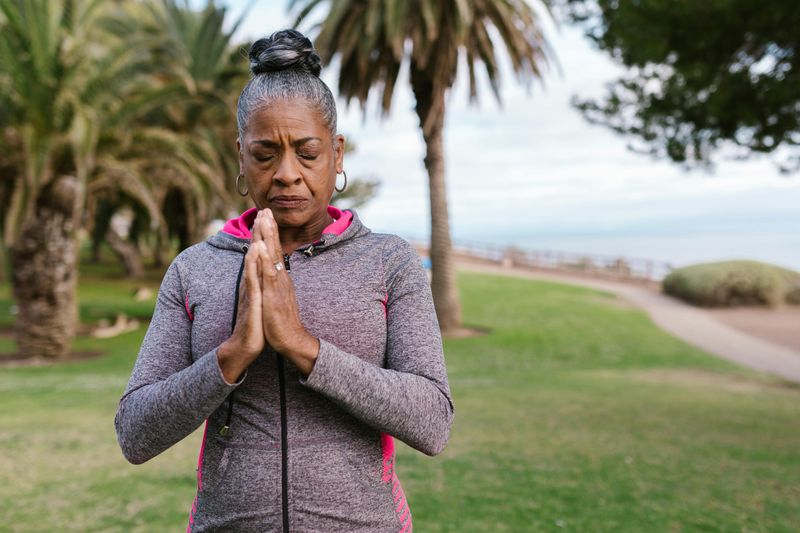
Nobody thinks much about their knees until they stop working properly.
Skipping workouts, grabbing fast food on the go, and burning the midnight oil might feel harmless at 30, but those habits quietly stack up.
By the 70s, many people wish they had treated their bodies with far more care.
Chronic conditions like diabetes, heart disease, and joint pain are often linked to lifestyle choices made decades earlier.
Regular movement, balanced meals, and enough sleep are not just trendy wellness tips — they are investments in your future self.
Starting healthy habits today, at any age, genuinely changes what tomorrow looks like.
3. Failing to Pursue Passions and Dreams

Somewhere along the way, a lot of people traded their dreams for a steady paycheck and a predictable routine.
The aspiring painter became an accountant.
The would-be traveler never left their hometown.
By 70, many adults quietly mourn the version of themselves they never gave a real chance.
Unfulfilled potential has a way of lingering.
Studies on end-of-life reflections consistently show that people regret the chances they did not take far more than the risks that did not pan out.
Passion does not have an expiration date, though.
Picking up that old hobby or chasing a long-delayed goal can still bring genuine joy and purpose.
4. Worrying Too Much About Others’ Opinions

Spending decades making choices based on what your neighbors, coworkers, or distant relatives might think.
For many people, that is not imagination — it is their actual life story.
The career they chose, the clothes they wore, even the hobbies they hid were all shaped by fear of judgment.
By 70, a striking number of people wish they had simply lived for themselves sooner.
Authenticity turns out to be one of the greatest sources of personal happiness.
Other people’s opinions, no matter how loud, rarely outlast the quiet voice inside you that knows what truly matters.
Trusting that voice earlier makes all the difference.
5. Not Taking Enough Risks

Playing it safe feels smart in the moment.
Turning down the overseas job, skipping the business idea, or never asking out the person you admired all seemed like reasonable, cautious decisions at the time.
But caution has a cost that only becomes clear years later.
A YouYube survey of people in their 70s found that inaction — not bold moves that failed — was the source of their deepest regrets.
Calculated risks open doors that careful hesitation keeps shut forever.
Growth almost always lives just outside the comfort zone.
Taking a chance, even a small one, can redirect an entire life in ways that feel nothing short of extraordinary.
6. Not Saying ‘I Love You’ Enough

Words left unsaid have a strange way of becoming the heaviest things we carry.
Many people assume the people they love already know how they feel — so why bother saying it out loud?
But assumptions are a poor substitute for the real thing.
Expressing affection regularly does more than warm someone’s heart in the moment.
Research in relationship psychology shows that verbal expressions of love strengthen emotional bonds and build lasting feelings of security and belonging.
By 70, many adults grieve not the arguments they had, but the quiet moments when they could have said something tender and simply did not.
Say it now, while you can.
7. Staying in Unfulfilling Relationships
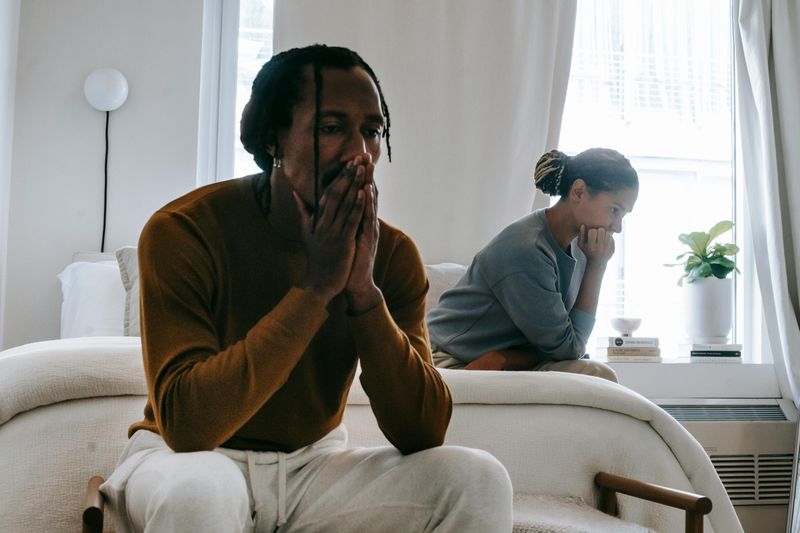
Staying somewhere you no longer belong can feel like the responsible choice — especially when children, finances, or social expectations are involved.
But years of quiet unhappiness have a cumulative weight that is hard to fully appreciate until you are looking back on them from a distance.
Many people in their 70s admit they stayed in friendships, marriages, or professional relationships long past the point of genuine fulfillment.
The fear of change kept them anchored to something that was slowly draining them.
Recognizing when a relationship no longer serves your well-being — and having the courage to act on that recognition — is one of the most self-respecting things a person can do.
8. Not Appreciating Ordinary Moments

There is something almost cruel about how ordinary Tuesday afternoons only feel precious in hindsight.
The smell of coffee in the morning, a child’s laughter echoing down the hall, a slow walk through a familiar neighborhood — these moments rarely seem significant while they are happening.
By 70, many people realize that the extraordinary life they were always chasing was quietly unfolding in the everyday details they overlooked.
Mindfulness and gratitude practices are not just feel-good trends; they are tools for actually noticing your own life as it happens.
Training yourself to pause and appreciate the small stuff is one of the wisest habits you can build at any age.
Comments
Loading…