
 Harper Hall
10 Things Boomer Parents Did Right That Modern Parents Are Too Afraid to Try
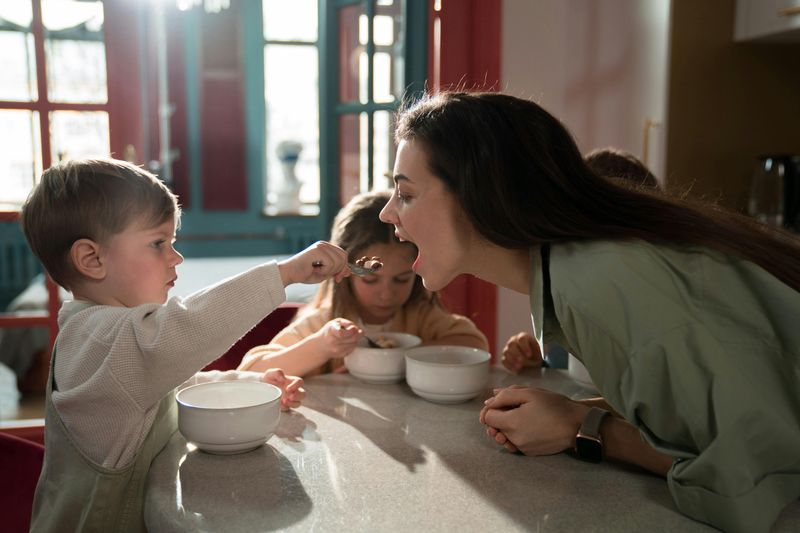
Parenting has changed a lot over the decades, and not always for the better.
Baby boomers raised kids with a hands-on, no-nonsense approach that built resilience, independence, and common sense.
While today’s parents often lean toward overprotection and constant supervision, some old-school methods are worth a second look.
Here are ten things boomer parents got right that modern parents might want to reconsider.
1. Letting Kids Play Outside Unsupervised
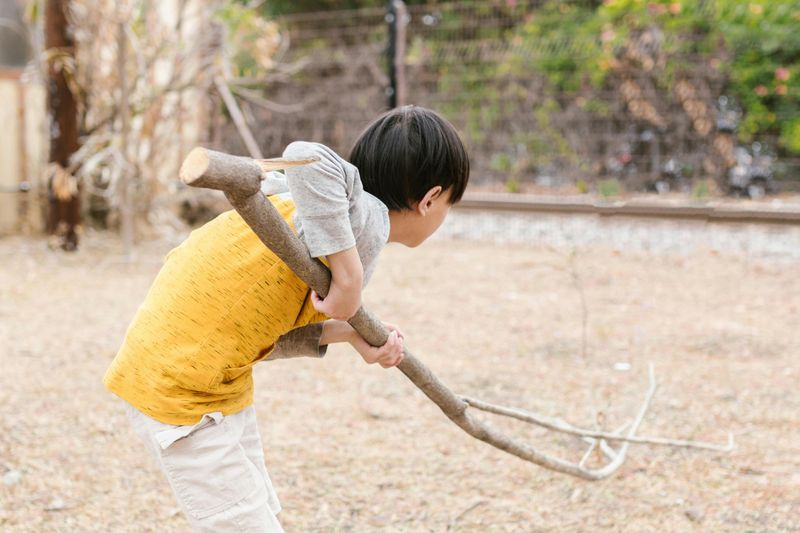
Back in the day, the rule was simple: go outside, play, and be home before the streetlights come on.
Kids roamed the neighborhood freely, built forts, climbed trees, and figured things out on their own.
No hovering adults, no scheduled playdates — just pure, unstructured adventure.
This kind of freedom helped kids develop problem-solving skills, creativity, and confidence.
They learned how to handle conflicts without a referee.
Modern research actually supports this, showing that unstructured outdoor play is essential for healthy development.
Giving kids a little breathing room can go a long way.
2. Saying No Without Guilt

Boomer parents had no problem saying no — and they did not lose sleep over it.
If a kid wanted a toy, candy, or to stay up late, the answer could simply be no, with no lengthy explanation required.
That boundary-setting was healthy and consistent.
Today, many parents feel pressure to justify every decision or avoid disappointing their child.
But learning to handle rejection is a critical life skill.
Kids who hear no regularly grow up better prepared for real-world situations where they cannot always get what they want.
A firm no, said with love, is a gift.
3. Assigning Real Household Chores
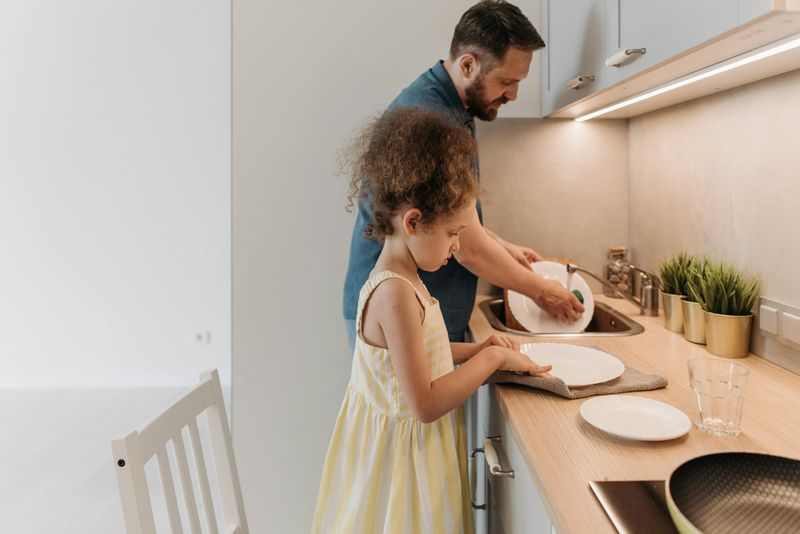
Chores were not optional in boomer households — they were expected.
Kids as young as six were folding laundry, setting tables, and taking out trash.
Nobody called it a burden; it was just part of being in a family.
Everyone contributed, and that was that.
Chores teach responsibility, time management, and the satisfaction of completing a task.
Studies show children who do chores grow into more capable, self-sufficient adults.
Many modern parents do everything for their kids to avoid conflict or save time, but that shortcut has long-term costs.
Handing a child a broom is actually handing them a life skill.
4. Letting Kids Be Bored

Boredom used to be a regular part of childhood, and boomer parents did not rush to fix it.
There were no tablets or streaming services to fill every quiet moment.
Kids were left to figure out their own entertainment, and that led to some seriously creative thinking.
Boredom is actually a catalyst for imagination.
When kids have nothing to do, their brains kick into creative gear.
They invent games, tell stories, and discover new interests all on their own.
Constant stimulation robs children of that mental space.
Letting kids sit with boredom occasionally is one of the best things a parent can do.
5. Teaching Kids to Respect Authority
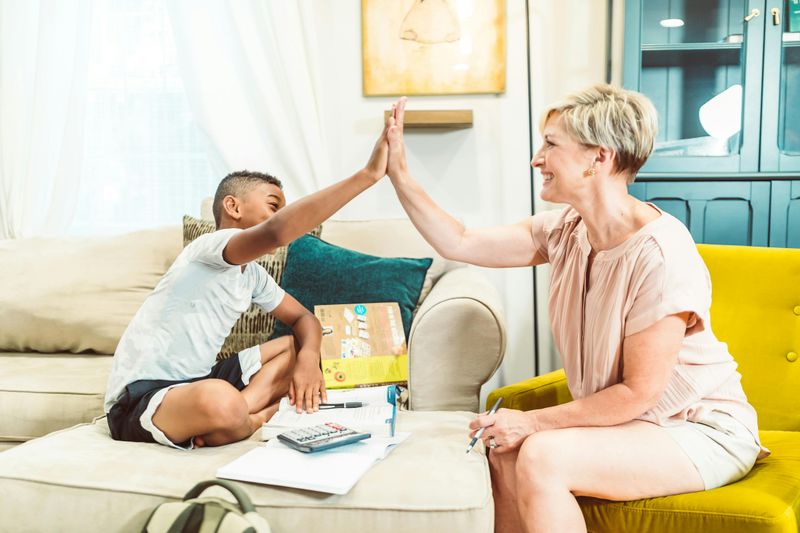
Respect for teachers, elders, and authority figures was non-negotiable in most boomer households.
Kids were taught to say yes sir, yes ma’am, and to listen before speaking.
That mindset shaped how they carried themselves in school, at work, and in the community.
Respect is not about blind obedience — it is about understanding that structure and authority exist for good reasons.
Kids who learn this early tend to have better relationships with teachers and employers later in life.
Modern parenting sometimes swings too far toward validating every child’s complaint.
Teaching respectful behavior is not old-fashioned; it is foundational.
6. Allowing Kids to Fail and Learn From It

Failure was not a dirty word in boomer parenting.
If a kid bombed a test, lost a game, or messed up a project, parents did not swoop in to fix it or blame the teacher.
The child faced the consequence, learned from it, and moved on stronger.
That experience of falling short and getting back up is priceless.
It builds grit, emotional resilience, and a healthy relationship with effort.
Today’s culture of participation trophies and grade negotiations can actually undermine a child’s ability to cope with setbacks.
Letting kids fail safely while young prepares them for the real world ahead.
7. Feeding Kids Simple, Home-Cooked Meals
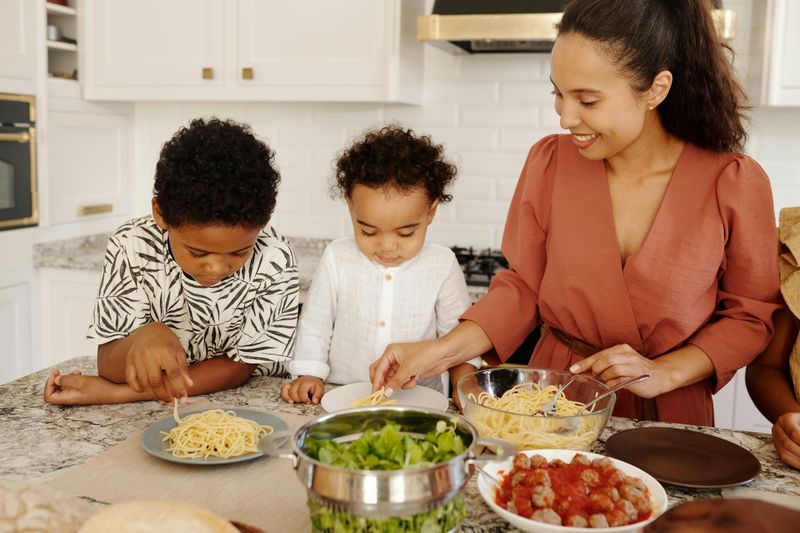
Dinner in a boomer household usually meant whatever Mom or Dad cooked — and you ate it.
There were no separate kid menus or special requests.
If peas were on the plate, you ate the peas.
Simple, balanced meals were the norm, not the exception.
Home-cooked food is generally healthier, cheaper, and more nutritious than processed or fast food.
Eating together as a family also strengthens bonds and improves communication.
Many modern parents cater to picky eaters out of exhaustion or guilt.
But exposing kids to a variety of foods early on shapes healthier habits that stick well into adulthood.
8. Encouraging Independence at a Young Age
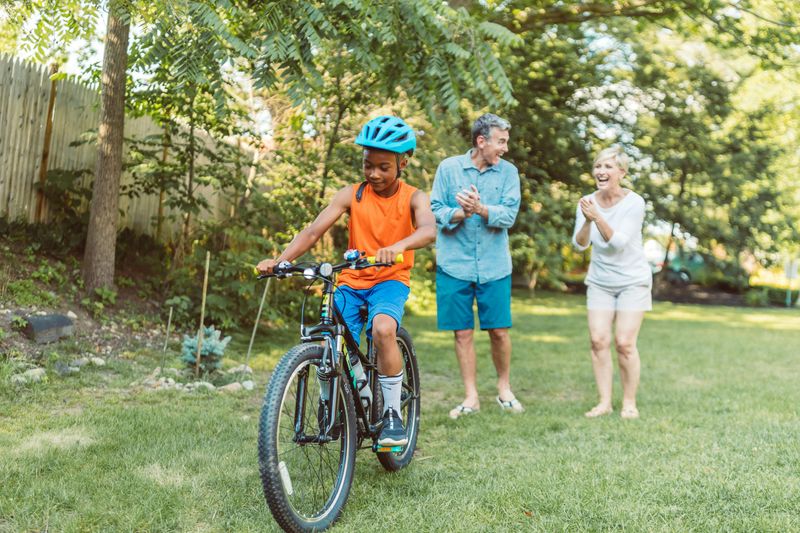
Boomer kids walked to school alone, ran errands for neighbors, and babysat younger siblings by middle school.
Independence was introduced early and often.
Parents trusted their kids to handle small responsibilities, and most kids rose to the occasion with pride.
Early independence builds self-confidence and decision-making skills that follow children into adulthood.
When kids know their parents believe in them, they start believing in themselves too.
Overprotective parenting, while well-intentioned, can create anxiety and helplessness.
Giving kids age-appropriate freedom — letting them navigate small challenges solo — is one of the most powerful investments a parent can make.
9. Prioritizing Family Dinners Over Busy Schedules
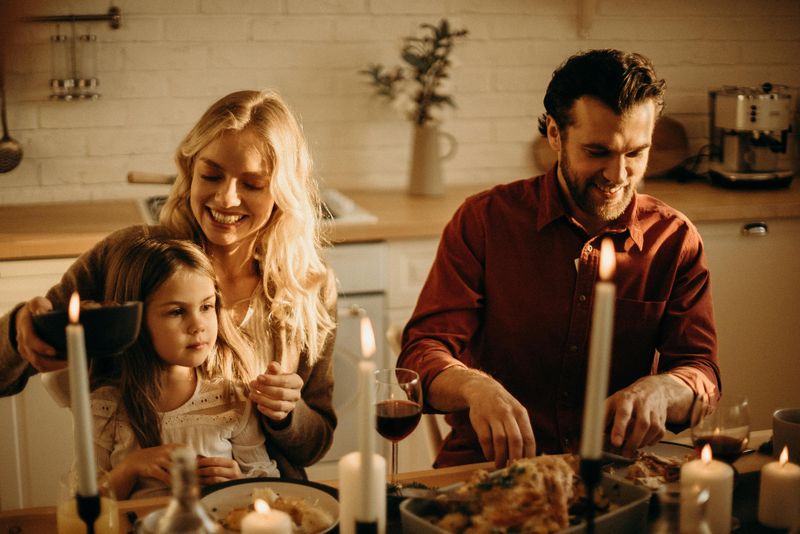
No matter how hectic things got, boomer families made dinner together a priority.
The table was a place to share stories, argue, laugh, and reconnect.
Phones did not exist to distract anyone, and the TV was usually off.
It was just the family, face to face.
Research consistently shows that regular family dinners improve kids’ mental health, academic performance, and communication skills.
They create a sense of belonging that children carry with them.
Modern schedules are packed with activities and obligations, but carving out even four nights a week for shared meals can make a measurable difference in family connection and well-being.
10. Talking Straight With Kids About Hard Topics

Boomer parents did not always sugarcoat reality.
When money was tight, kids knew it.
When a relative passed away, it was explained plainly.
When a child made a mistake, they heard about it directly.
That honesty, while sometimes blunt, gave kids a realistic view of the world.
Straight talk builds trust between parents and children.
It teaches kids that hard things can be faced and discussed without falling apart.
Shielding children from every uncomfortable truth can leave them unprepared for life’s inevitable challenges.
A parent who speaks honestly — with kindness and age-appropriate language — raises a child who is grounded, capable, and emotionally mature.
Comments
Loading…