
 Jade Reed
13 Movies That Are Hard to Classify — Horror or Something Else?
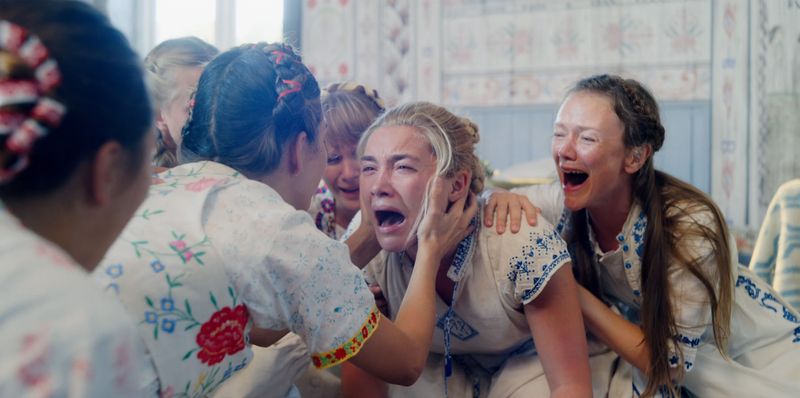
Some movies refuse to fit neatly into one box.
You sit down expecting a horror film, but halfway through, you realize you’re watching something far stranger — part drama, part fantasy, part nightmare.
These films blur the lines between genres so skillfully that even film critics argue about what to call them.
Get ready to explore 13 movies that will make you question everything you thought you knew about horror.
1. Get Out (2017)
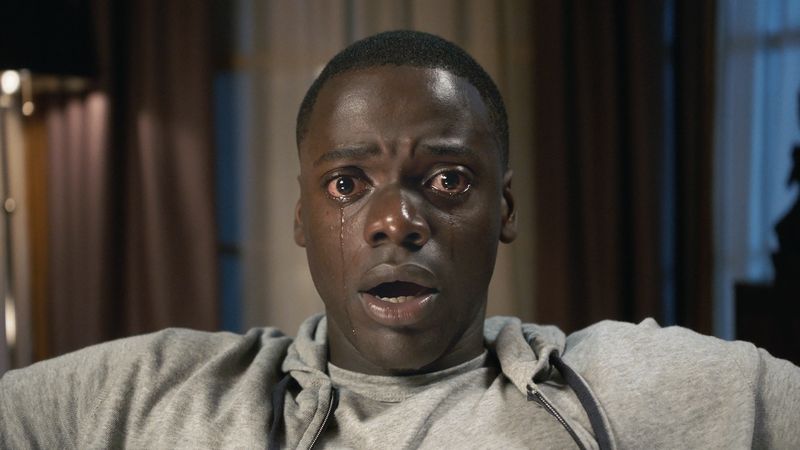
Jordan Peele’s debut feature had audiences gripping their seats — but was it really horror?
On the surface, Get Out follows a Black man visiting his white girlfriend’s family estate.
The terror builds slowly through microaggressions, strange behavior, and something deeply wrong beneath the politeness.
Critics labeled it horror, thriller, satire, and social commentary all at once.
It won an Oscar for Best Original Screenplay, something rare for genre films.
Peele himself called it a “social thriller.”
Whatever the label, Get Out forces viewers to confront real-world racism through a deeply unsettling lens that lingers long after the credits roll.
2. Hereditary (2018)
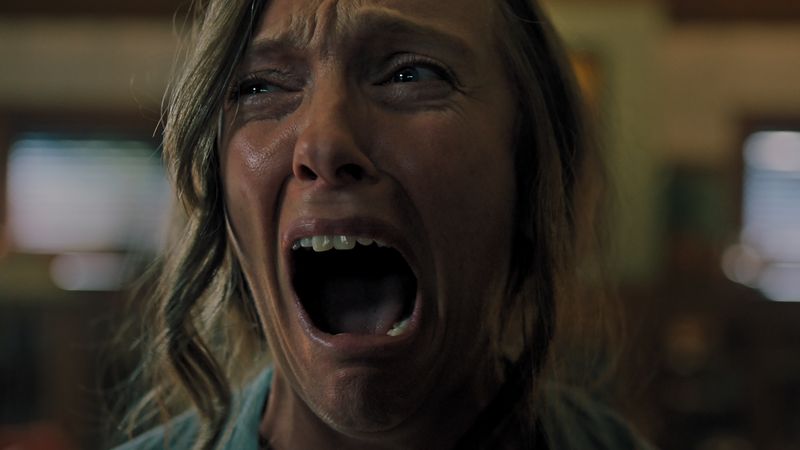
Hereditary starts as a raw, gut-wrenching grief drama.
A family falls apart after losing their grandmother, and the emotional pain feels devastatingly real.
Then, slowly, something supernatural creeps in — and the film transforms into one of the most terrifying experiences in modern cinema.
Director Ari Aster blends family trauma with occult horror so seamlessly that audiences couldn’t decide which part disturbed them more.
The performances are award-worthy, yet the scares are genuinely nightmarish.
Is it a horror film or a family tragedy wrapped in darkness?
Honestly, it’s both — and that’s exactly what makes it impossible to shake.
3. The Witch (2015)
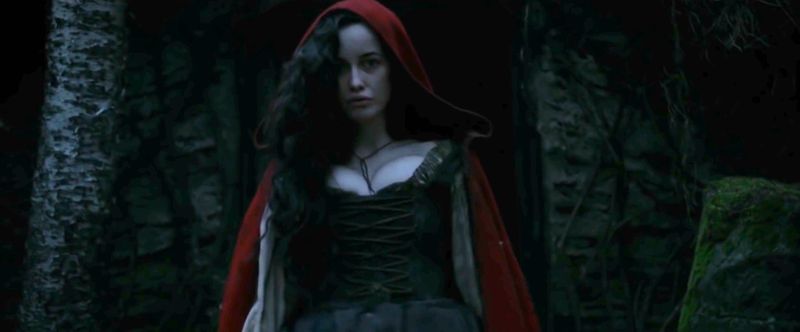
Set in 1630s New England, The Witch looks like a historical drama at first glance.
A Puritan family is banished from their settlement and forced to farm near an ominous forest.
Strange things begin happening — crops fail, a baby vanishes, and paranoia tears the family apart.
Director Robert Eggers built every detail from actual historical documents, giving the film an authenticity that feels more like a period piece than a horror movie.
Yet the dread it creates is suffocating and deeply real.
Audiences were divided — some called it slow, others called it a masterpiece.
Either way, it defies easy labeling.
4. Midsommar (2019)
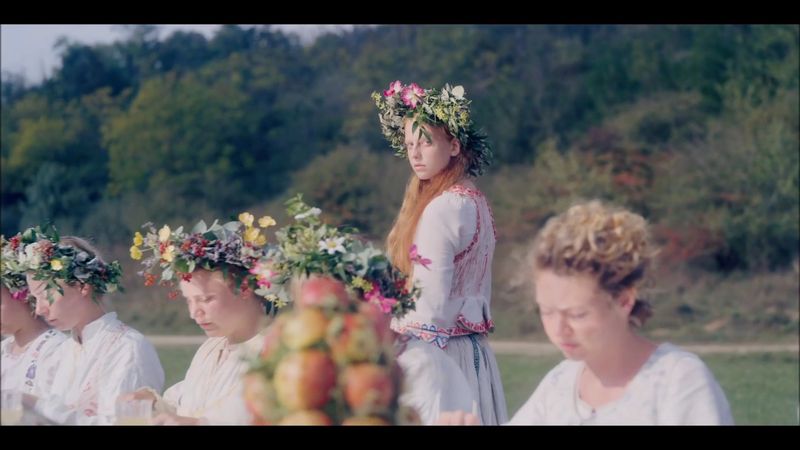
Most horror films thrive in darkness.
Midsommar breaks that rule entirely — nearly every terrifying scene happens in broad, blazing daylight.
A grieving American woman travels to a Swedish midsummer festival with her boyfriend, and things get increasingly disturbing from the very first ritual.
Ari Aster crafts what many call a breakup movie disguised as folk horror.
The film explores grief, toxic relationships, and emotional manipulation with uncomfortable honesty.
The horror elements are real and shocking, but the emotional core hits just as hard.
Sunny, floral, and deeply unsettling — Midsommar is unlike anything else, defying every genre expectation you bring to it.
5. Mother! (2017)
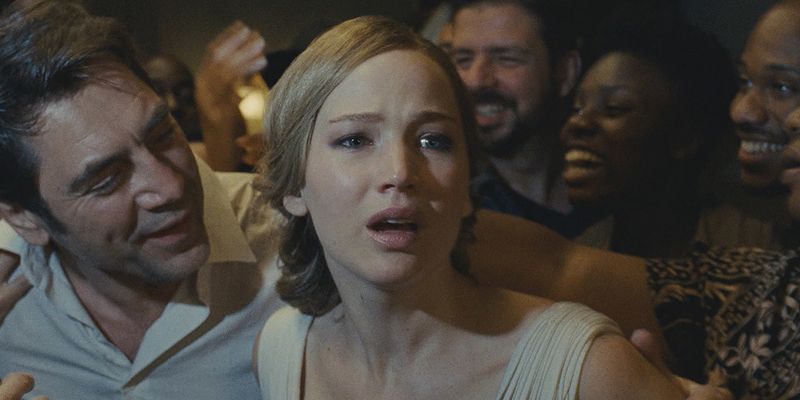
Darren Aronofsky’s mother! is one of the most polarizing films ever made.
Some walked out furious.
Others called it a work of genius.
It follows a woman whose peaceful home is invaded by increasingly bizarre and violent strangers, while her husband seems oddly welcoming of the chaos.
On one level, it plays like a psychological horror film.
On another, it’s an elaborate religious allegory about creation, consumption, and destruction.
The symbolism is dense and intentional — nothing in this film is accidental.
Whether you love it or hate it, mother! refuses to be ignored.
It’s horror, art film, and biblical parable all tangled together.
6. Pan’s Labyrinth (2006)
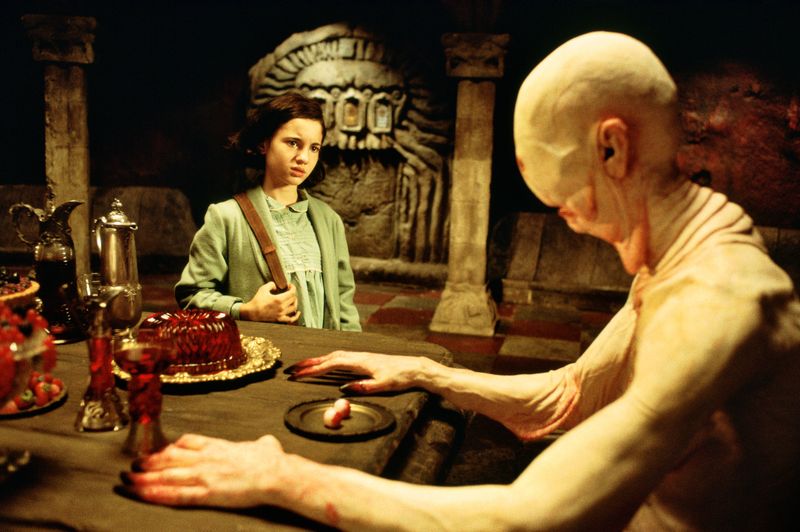
Guillermo del Toro set Pan’s Labyrinth in post-Civil War Spain, where a young girl named Ofelia escapes her brutal reality through a magical underground kingdom.
The fantasy sequences are breathtaking and strange.
The real-world scenes involving her cruel stepfather are genuinely terrifying.
Here’s the question that haunts viewers: is the fantasy real, or is Ofelia simply coping with trauma through imagination?
Del Toro never fully answers that.
The film works as a fairy tale, a war drama, and a dark fantasy horror simultaneously.
It’s visually stunning and emotionally devastating — a film that children should probably not watch, despite the fairy tale trappings.
7. A Ghost Story (2017)
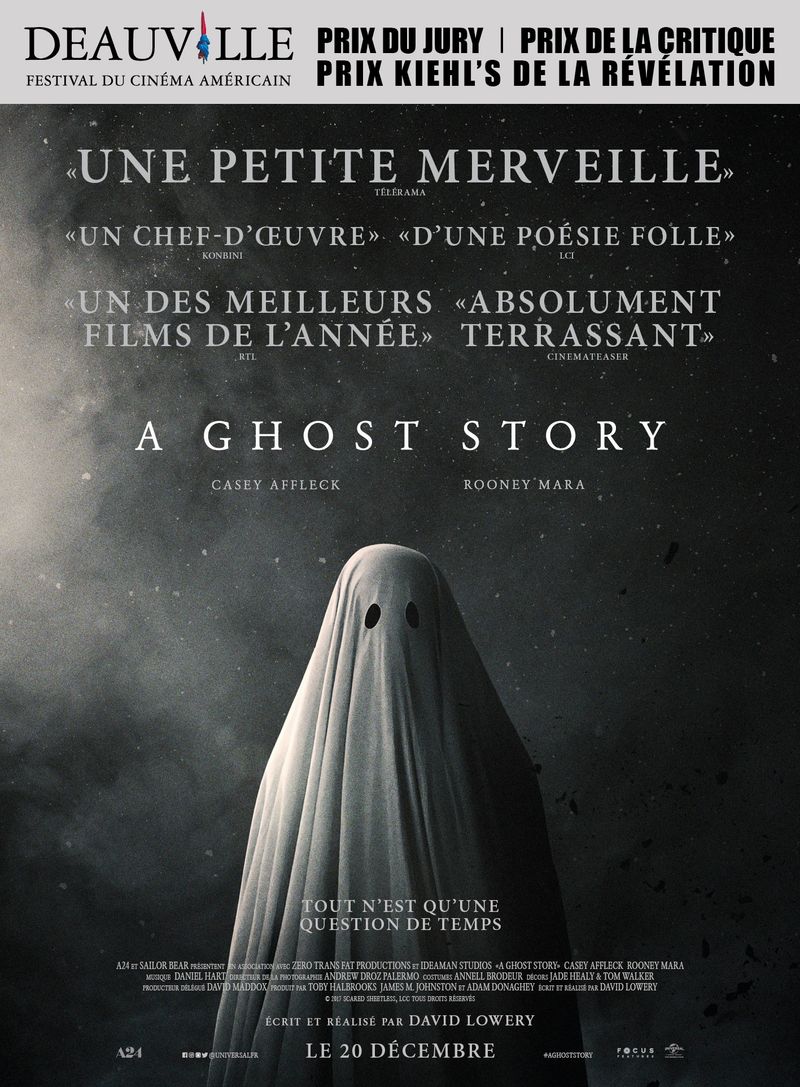
What if a ghost story wasn’t scary at all — just profoundly, achingly sad?
A Ghost Story follows a recently deceased man who returns to his home as a sheet-draped ghost, watching helplessly as time moves on without him.
His partner grieves, moves away, and life continues indifferently.
Director David Lowery made something that feels closer to a meditation on time, loss, and memory than a horror film.
There are no jump scares, no monsters — just an overwhelming sense of longing.
Audiences expecting frights were surprised.
What they got instead was one of the most emotionally haunting films of the decade.
8. Annihilation (2018)
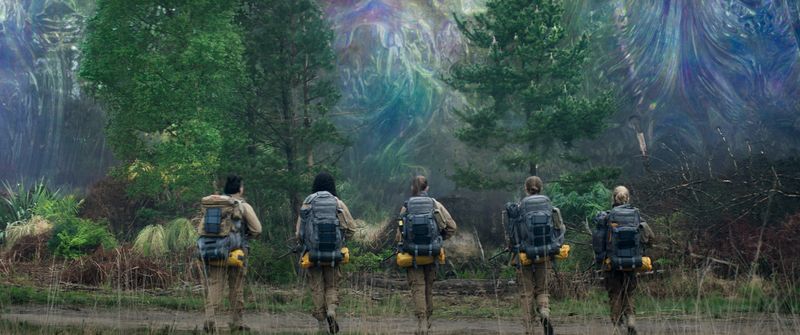
Alex Garland’s Annihilation begins as a science fiction expedition film and ends as something else entirely — something dreamlike, unsettling, and nearly impossible to explain.
A biologist joins a team entering a mysterious environmental zone called the Shimmer, where the laws of nature no longer apply.
The horror elements are genuinely frightening — mutated creatures, body horror, and psychological breakdown all make appearances.
But the film is equally a meditation on self-destruction and identity.
Garland admitted the film isn’t meant to be fully understood.
Annihilation rewards patient viewers willing to sit with ambiguity.
It’s sci-fi, horror, and existential puzzle wrapped in stunning, unsettling visuals.
9. The Babadook (2014)
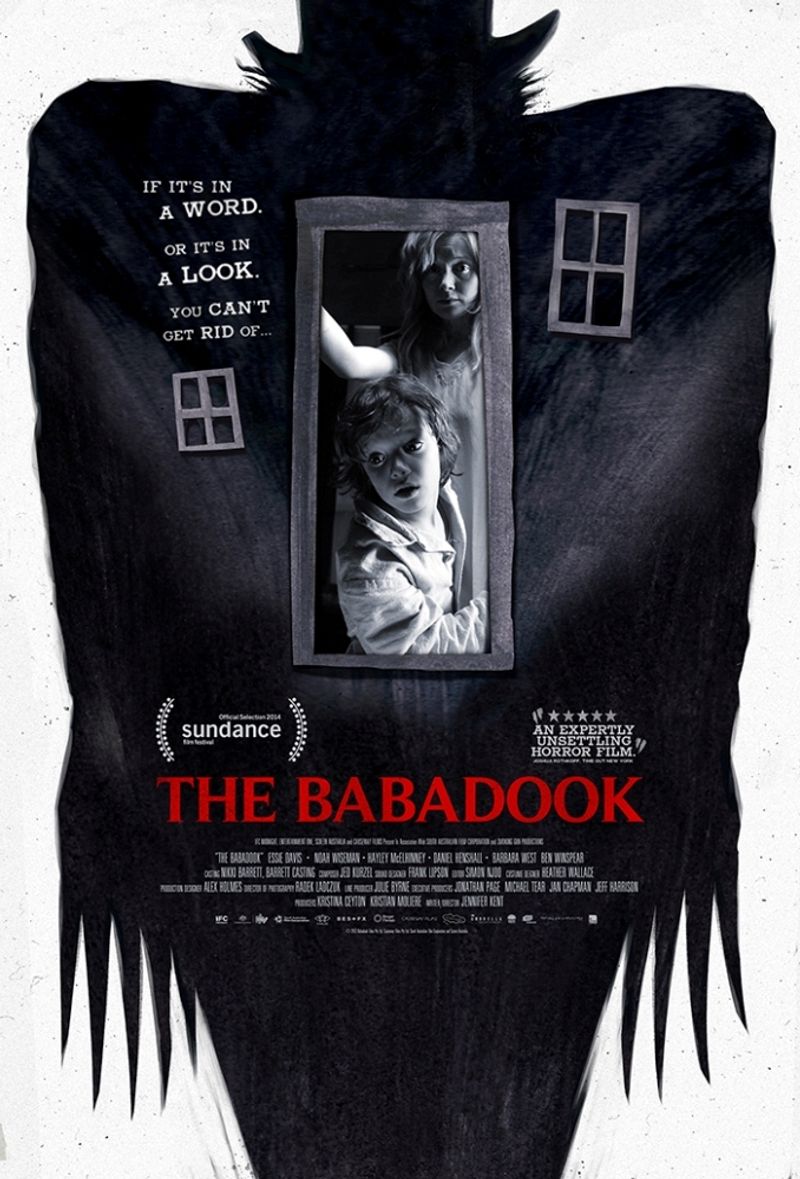
On paper, The Babadook is a monster movie about a creature from a sinister children’s book that terrorizes a grieving widow and her son.
In practice, it’s one of the most emotionally intelligent films about depression and unprocessed grief ever made.
Australian director Jennifer Kent constructed the Babadook as a literal manifestation of the mother’s trauma.
The horror is real — the creature is genuinely creepy — but the emotional truth underneath hits even harder.
Mental health professionals have praised the film’s accuracy.
Calling it just a horror movie misses the point entirely.
The Babadook is grief wearing a very scary costume, and that’s what makes it unforgettable.
10. Eternal Sunshine of the Spotless Mind (2004)
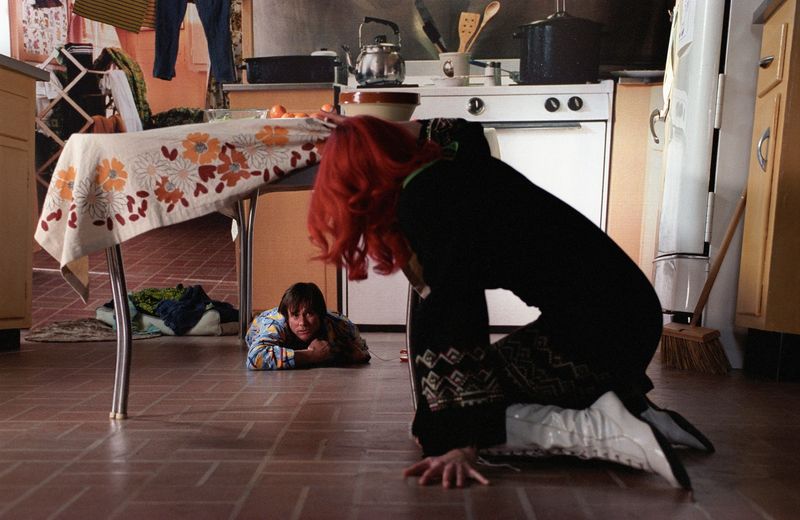
Wait — is this even horror?
Technically, no. But Eternal Sunshine of the Spotless Mind contains some of the most genuinely disturbing sequences of any film from the 2000s.
Watching Joel’s memories literally erased, crumbling and disappearing around him, taps into a deep, primal fear of losing yourself.
Michel Gondry and Charlie Kaufman built a romantic sci-fi film with a psychological horror undercurrent.
The concept — a medical procedure that erases a person from your memory — is presented with warmth and humor but lands with existential dread.
It’s a love story, a sci-fi puzzle, and a quiet nightmare about identity.
Genre labels simply cannot contain it.
11. Black Swan (2010)
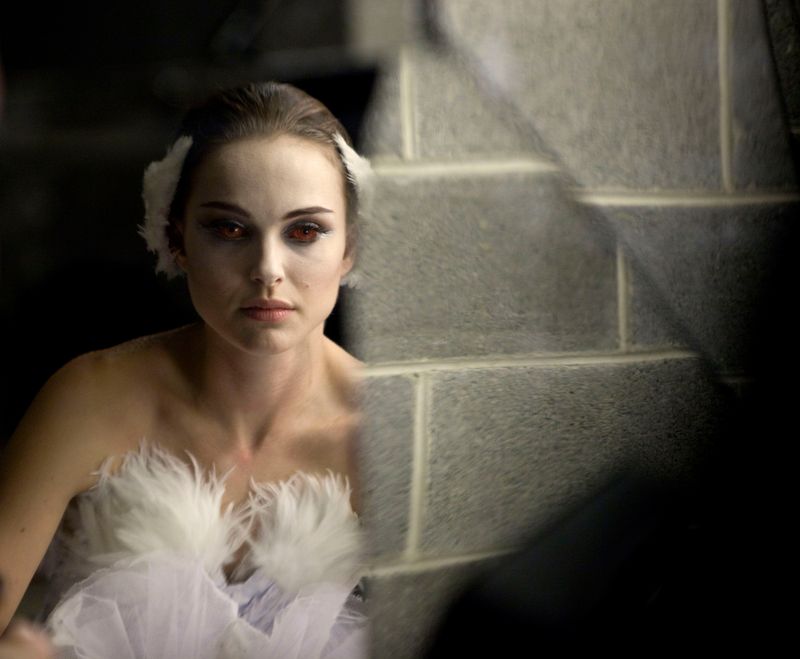
Darren Aronofsky’s Black Swan follows Nina, a perfectionist ballerina preparing for the lead role in Swan Lake.
As opening night approaches, her grip on reality loosens in increasingly disturbing ways.
The film blurs the line between ambition, madness, and transformation so effectively that you’re never sure what’s real.
It earned Natalie Portman an Academy Award — not a typical honor for horror films.
Yet the body horror sequences and psychological unraveling are as frightening as anything in the genre.
It’s also a sports drama, a character study, and a dark fairy tale.
Black Swan is proof that the scariest monsters often live inside our own minds.
12. Under the Skin (2013)
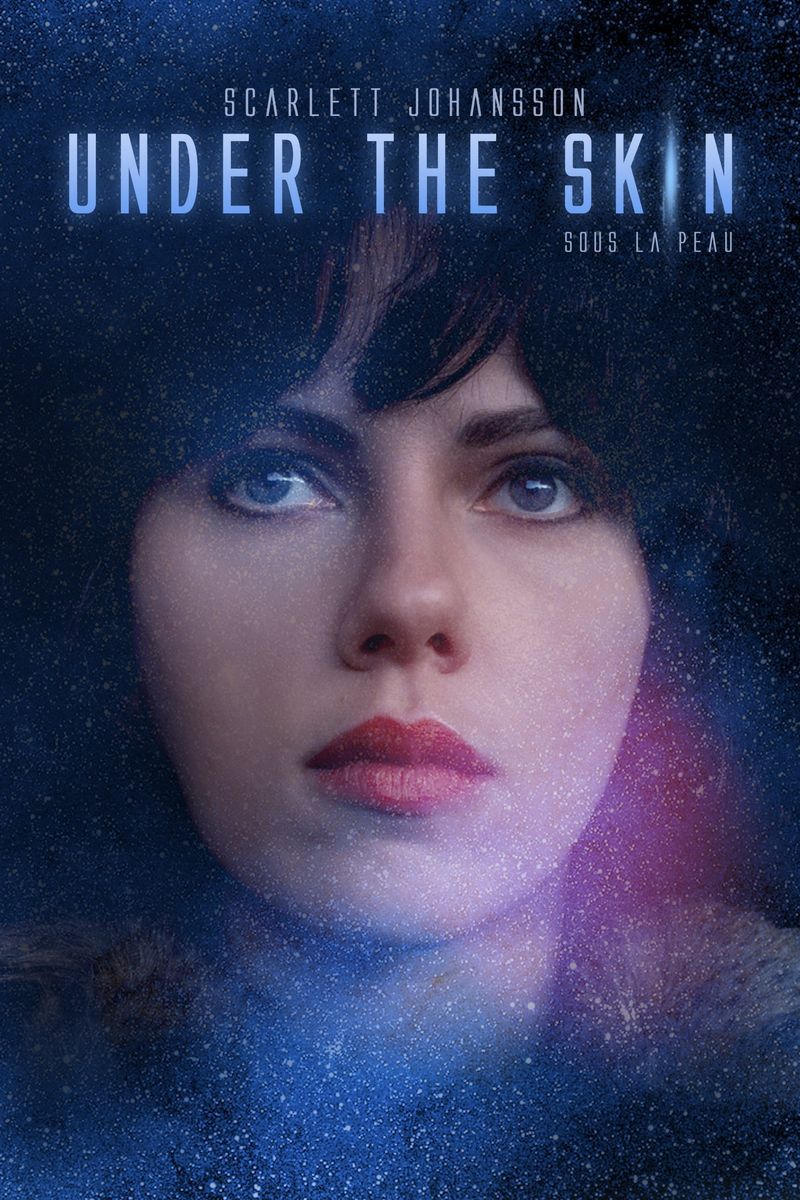
Scarlett Johansson plays an alien entity wearing a human woman’s skin, luring men across Scotland to a mysterious fate.
Under the Skin is cold, hypnotic, and deeply strange.
It barely follows traditional narrative structure, feeling more like an art installation than a conventional film.
Director Jonathan Glazer used hidden cameras to capture real, unsuspecting people interacting with Johansson on the streets of Glasgow.
That documentary-style authenticity makes the alien sequences feel even more jarring and surreal by contrast.
Horror fans may find it too slow.
Arthouse fans may find it too disturbing.
Everyone else will find it completely unlike anything they’ve ever seen before.
13. The Lighthouse (2019)
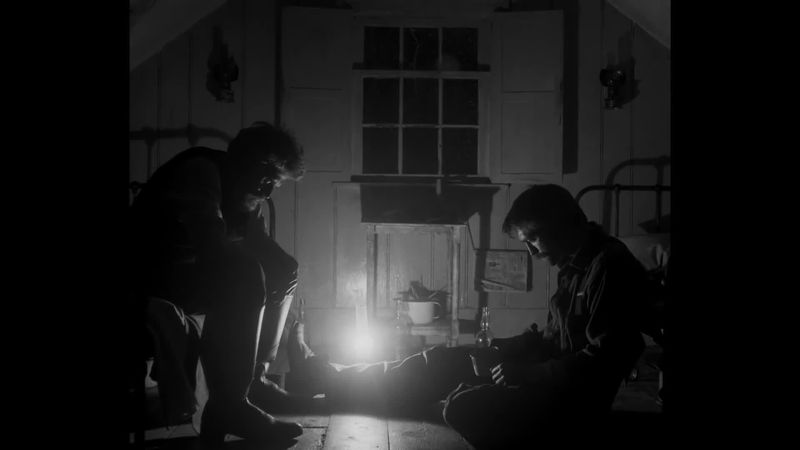
Robert Eggers shot The Lighthouse in black and white, in a nearly square aspect ratio, on a rocky island off the coast of Nova Scotia.
Two lighthouse keepers — one grizzled veteran, one new assistant — slowly lose their minds as a brutal storm traps them together for weeks.
Is it a horror film?
A psychological thriller?
A mythological fable?
All three answers are correct.
Eggers drew inspiration from Edgar Allan Poe and Greek mythology, weaving maritime folklore into a claustrophobic descent into madness.
Willem Dafoe and Robert Pattinson deliver performances so raw they feel dangerous.
The Lighthouse is unlike anything cinema has produced in years.
Comments
Loading…