
 Chloe Peterson
10 Items in Your Pantry That Are Actually Past Their Expiration Date
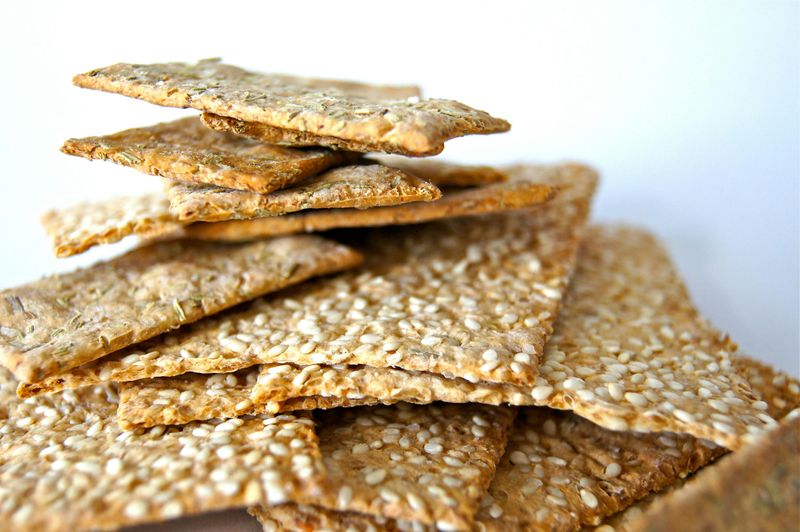
You might think your pantry is stocked with food that will last forever, but many common items actually go bad much sooner than you realize.
From flour to spices, these everyday staples have hidden expiration dates that can affect both taste and safety.
Knowing which foods spoil quickly can help you avoid wasting money and protect your family from eating stale or rancid ingredients.
1. Breadcrumbs
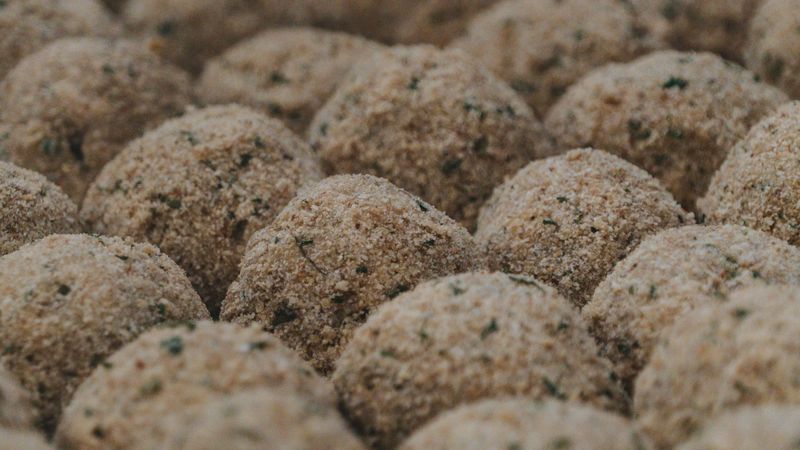
Breadcrumbs might seem like they last forever since they start as dried bread, but moisture is their worst enemy.
When exposed to humidity, they quickly develop mold and strange smells that make them unusable.
Keeping them sealed tight in a cool, dark spot helps them stay fresh.
Most breadcrumbs only last about six months before their quality drops.
Check the container regularly for any signs of clumping or musty odors.
If they smell off or look discolored, toss them out immediately.
Store breadcrumbs away from your stove and sink where steam can sneak in.
An airtight container works best to block out moisture and keep bugs away.
2. Brown Rice
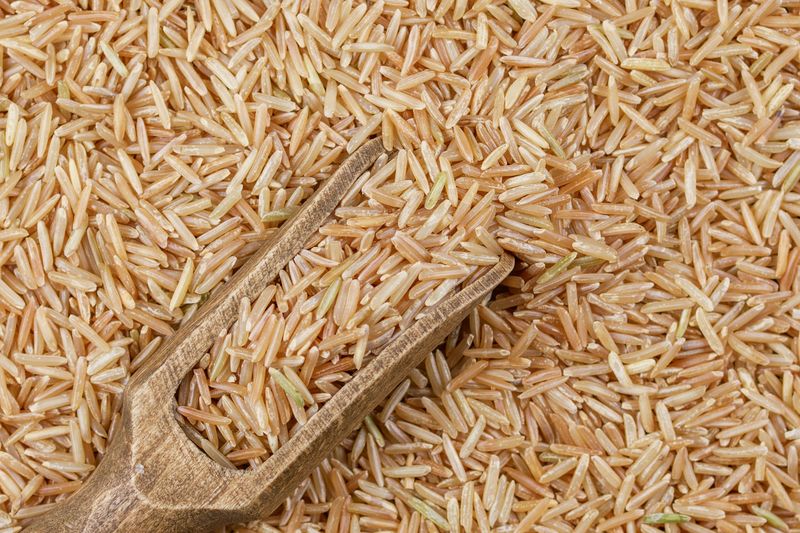
Unlike white rice that seems to last forever, brown rice contains natural oils in its outer layer that turn rancid surprisingly fast.
At room temperature, it stays good for only six months before developing a bitter, unpleasant taste.
The bran layer that makes it healthier also makes it spoil quicker.
Smell your brown rice before cooking to check for a paint-like or sour odor.
That weird smell means the oils have gone bad and the rice should be thrown away.
Fresh brown rice has a mild, nutty scent.
Refrigerating or freezing brown rice extends its life significantly, keeping it fresh for up to a year.
This simple storage trick preserves those healthy oils much longer.
3. Cornmeal
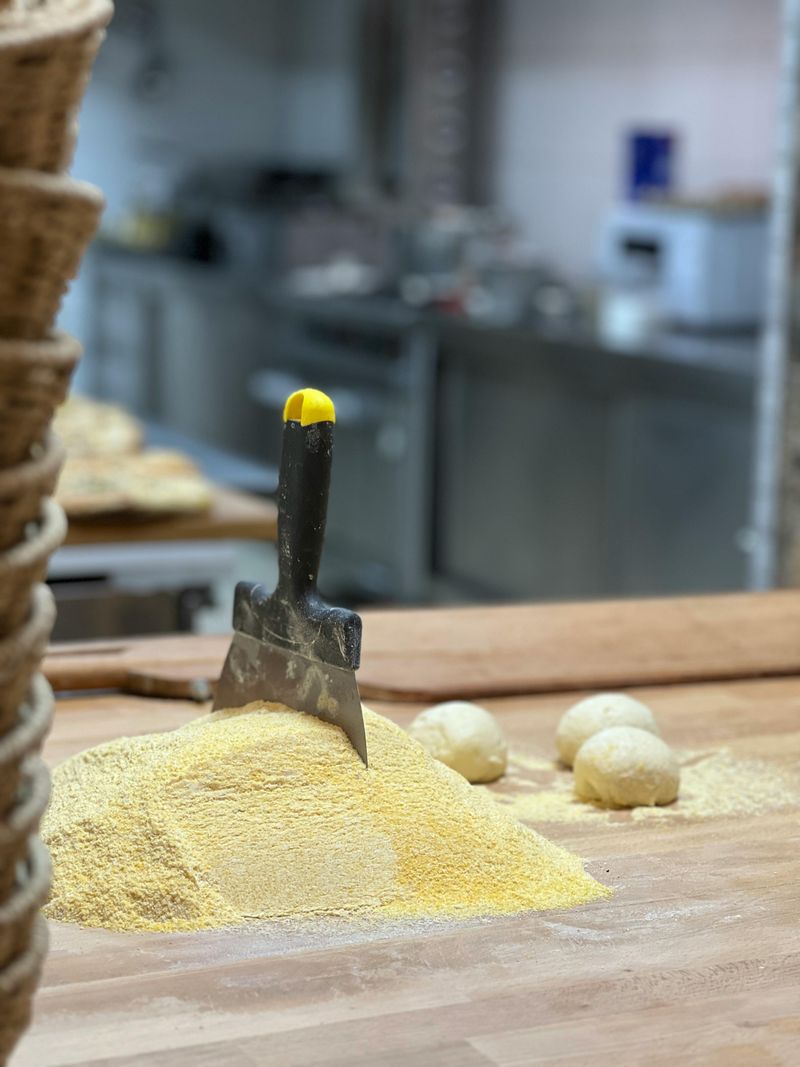
Cornmeal is popular for breading chicken and making cornbread, but it degrades faster than most people expect.
Heat and moisture cause it to develop mold, attract pantry bugs, and taste stale or bitter.
Never store it near your oven, dishwasher, or any warm appliances.
This gluten-free staple needs a cool, dry home to stay fresh and usable.
Check for any webbing or tiny bugs that might have moved in, especially during warmer months.
Clumping or color changes signal it’s time to replace it.
Transferring cornmeal to an airtight container immediately after opening helps protect it.
Keep it away from strong-smelling foods since it absorbs odors easily.
4. Crackers
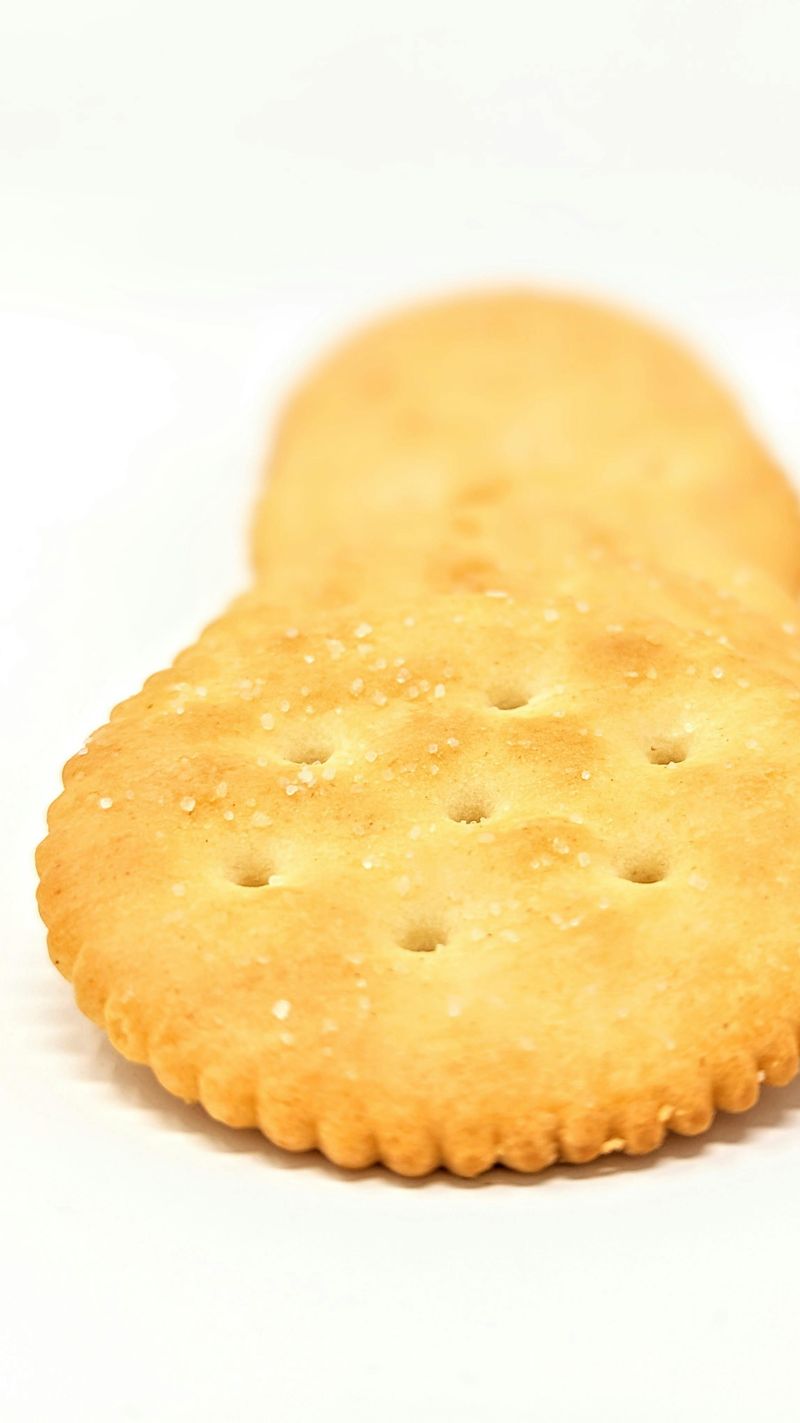
Once you break that seal on a cracker box, the clock starts ticking fast.
Air moisture sneaks in and turns those crispy snacks soft, stale, and completely unappetizing within days.
Nobody wants soggy crackers with their cheese or soup.
Crackers absorb humidity like tiny sponges, losing their satisfying crunch almost immediately after opening.
Rolling down the inner package tightly or using clips helps, but they’re still not meant for long-term storage.
Plan to finish the box within a week or two for best results.
If your crackers bend instead of snap, they’ve already absorbed too much moisture.
Eating them won’t hurt you, but the texture and flavor are definitely past their prime.
5. Dried Fruit
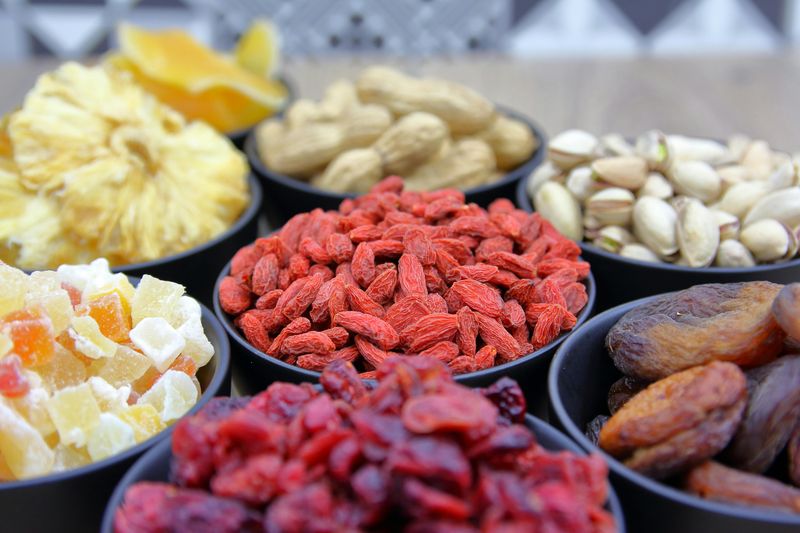
Different dried fruits have wildly different shelf lives that might surprise you.
Figs only last about three months before getting hard and losing flavor, while raisins can stick around for a full year.
Temperature plays a huge role in how long they stay good.
Warmer pantries speed up spoilage, causing dried fruit to crystallize, darken, or develop off flavors.
Look for any fuzzy mold spots or sour smells that indicate they’ve gone bad.
Sticky or overly hard pieces also signal declining quality.
Refrigerating dried fruit extends its freshness significantly, especially during hot summer months.
Keep different types separate since they age at different rates and require different storage times.
6. Nuts
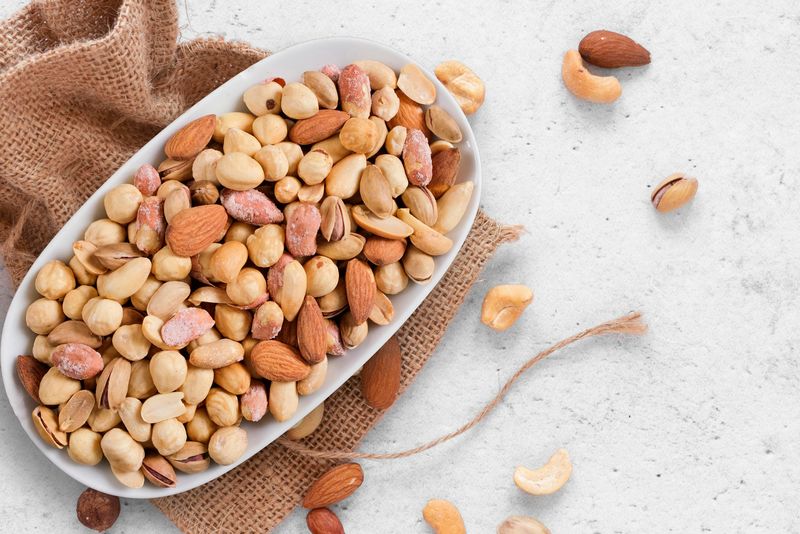
Nuts contain healthy fats that unfortunately turn rancid when exposed to air and warmth.
Pistachios only stay fresh for about three months, while almonds last closer to a year under ideal conditions.
That bitter, paint-like taste means the oils have spoiled.
Buying nuts in smaller quantities and rotating your stock regularly ensures you’re always eating fresh ones.
Store them in cool, dark places away from heat sources that speed up the spoiling process.
Sniff before eating—your nose knows when something’s off.
Freezing nuts is a game-changer that preserves their flavor and crunch for months beyond normal shelf life.
They thaw quickly and taste just as good as fresh.
7. Peanut Butter
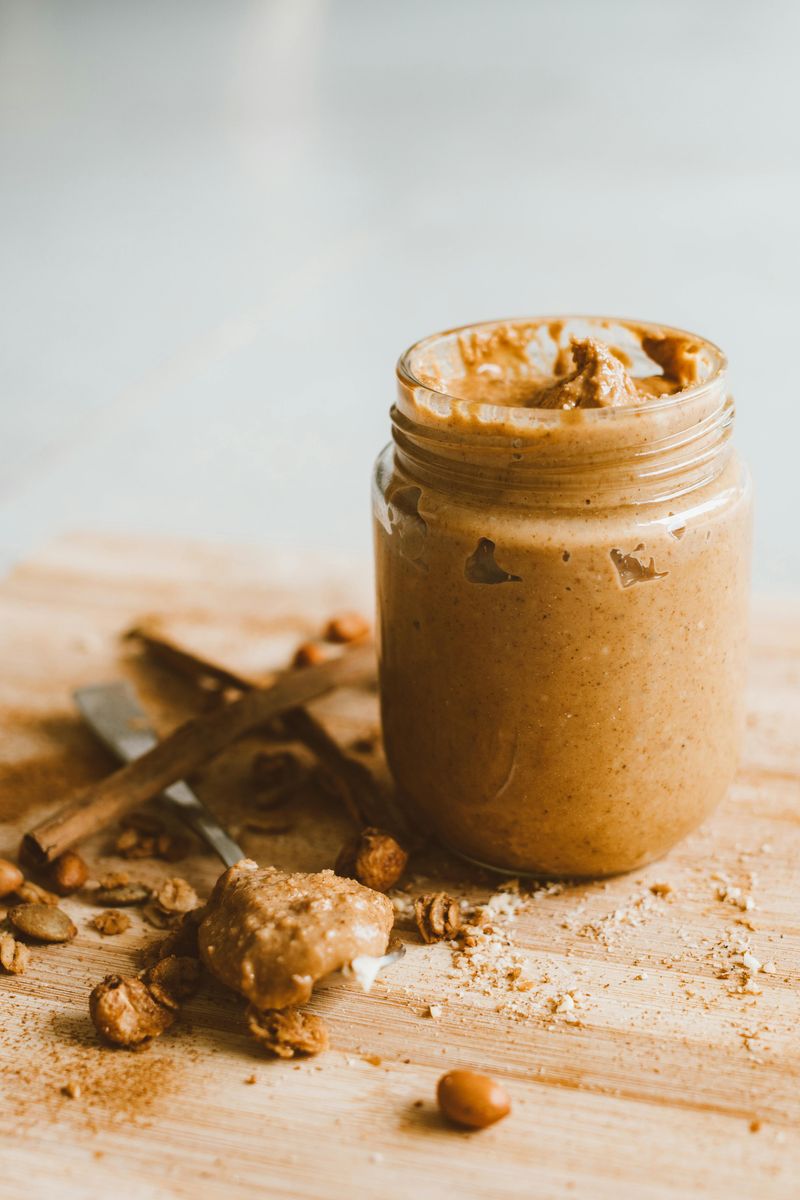
Store-bought peanut butter loaded with preservatives can sit unopened for up to two years without issues.
Natural peanut butter without added chemicals is a completely different story, spoiling much faster once you twist that lid.
The oil separation you see on top isn’t just inconvenient—it’s a sign of instability.
Always check the label for storage instructions and expiration dates, especially with natural varieties.
Once opened, natural peanut butter should go straight into the refrigerator to prevent rancidity.
Look for any mold, strange smells, or color changes before spreading.
Even regular peanut butter eventually develops an off taste and smell when it sits too long after opening.
8. Spices
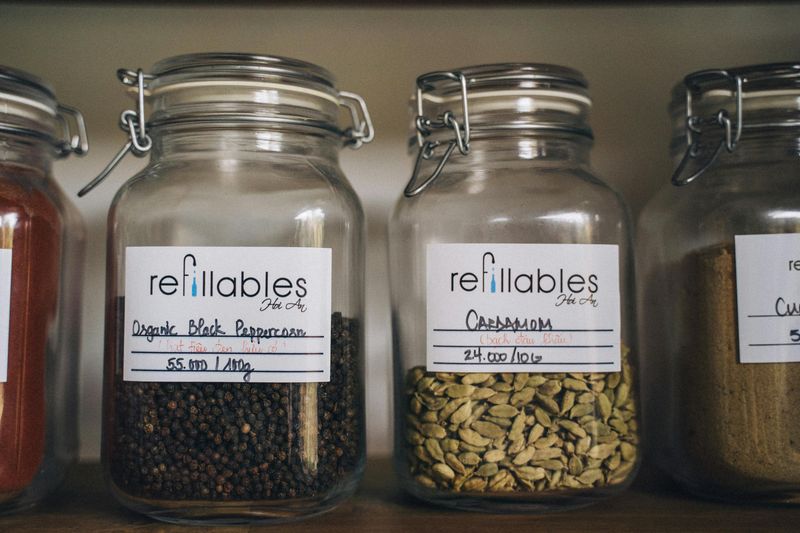
Ground cinnamon from three years ago won’t make you sick, but it probably won’t add much flavor either.
Spices lose their punch over time, especially when exposed to light and air that break down their aromatic compounds.
Ground versions fade much faster than whole spices.
Shake a little into your palm and smell it—if there’s barely any aroma, it’s time to replace it.
Whole spices like peppercorns and cinnamon sticks keep their scent and flavor much longer than pre-ground options.
Grinding them fresh when needed gives you maximum taste.
Store spices in dark containers away from your stove where heat speeds up flavor loss.
Dating your spice jars helps you remember when to refresh them.
9. Tortilla Chips
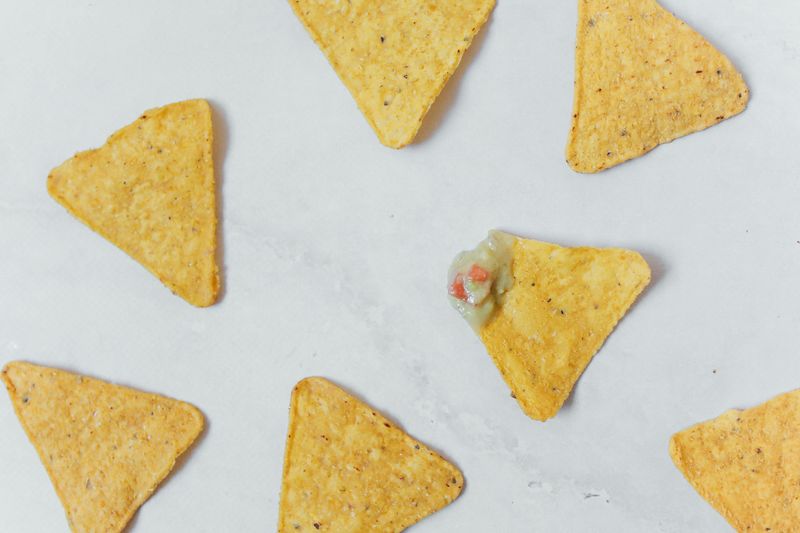
Tortilla chips are basically moisture magnets once you rip open that bag.
Within days, they go from satisfyingly crunchy to disappointingly stale and chewy.
The thin, crispy texture that makes them perfect for salsa and guacamole disappears fast.
Unlike some pantry items that just lose quality, stale chips are genuinely unpleasant to eat.
Using chip clips or transferring them to airtight containers slows the process but doesn’t stop it completely.
Your best bet is enjoying them quickly—which is easy when you’ve got good dip on hand.
Consider buying smaller bags if you don’t eat chips often.
Fresh chips make all the difference in your snacking experience and are worth the extra trips to the store.
10. Whole Grain Flour
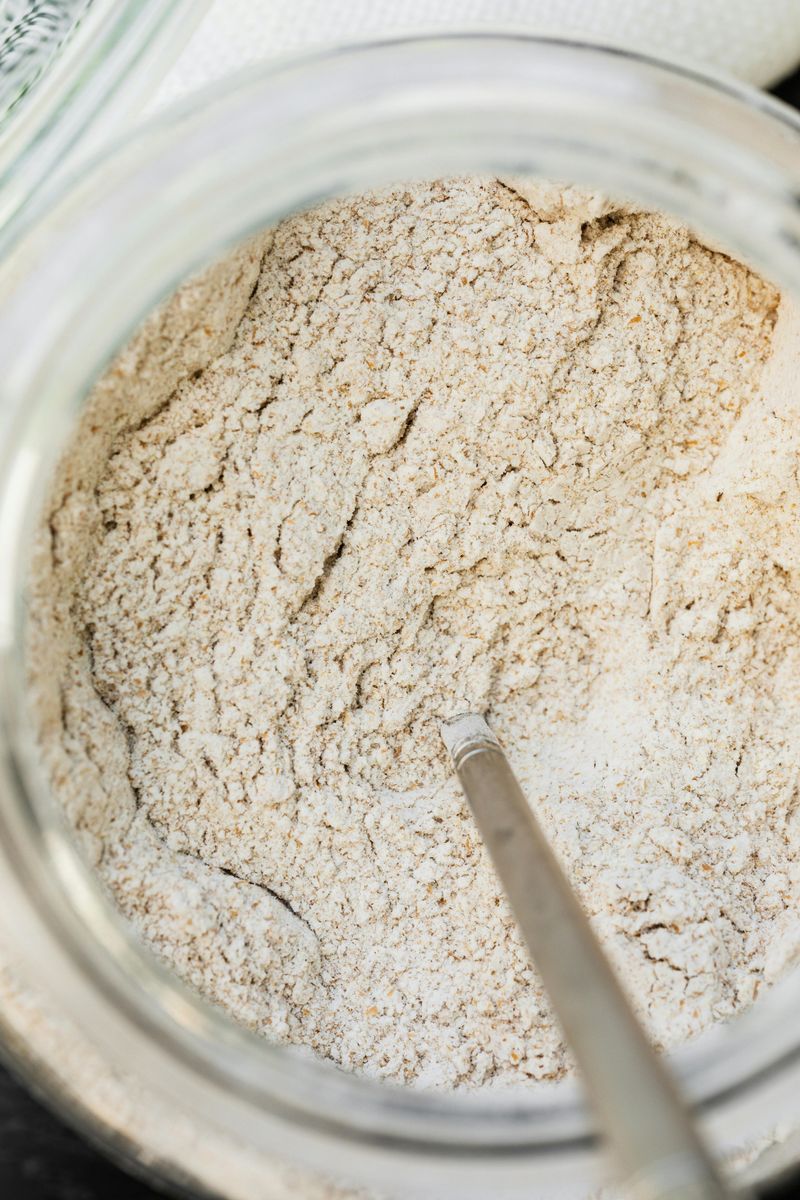
Whole grain flours like wheat and oat flour contain oil-rich parts that refined white flour doesn’t have.
Those healthy components make them nutritious but also cause them to spoil quickly at room temperature.
After just three months, they can develop a bitter, rancid taste that ruins your baking.
Smell your flour before mixing up cookie dough or bread—a sour or musty odor means it’s gone bad.
Refrigerating or freezing whole grain flour extends its life dramatically, keeping it fresh for up to a year.
Just bring it to room temperature before baking for best results.
White flour lasts much longer because it lacks those oils, but whole grain varieties offer better nutrition when fresh.
Comments
Loading…