
 Mary Murphy
10 Reasons Why Marriage Is Just an Outdated Economic Contract We Should Ditch
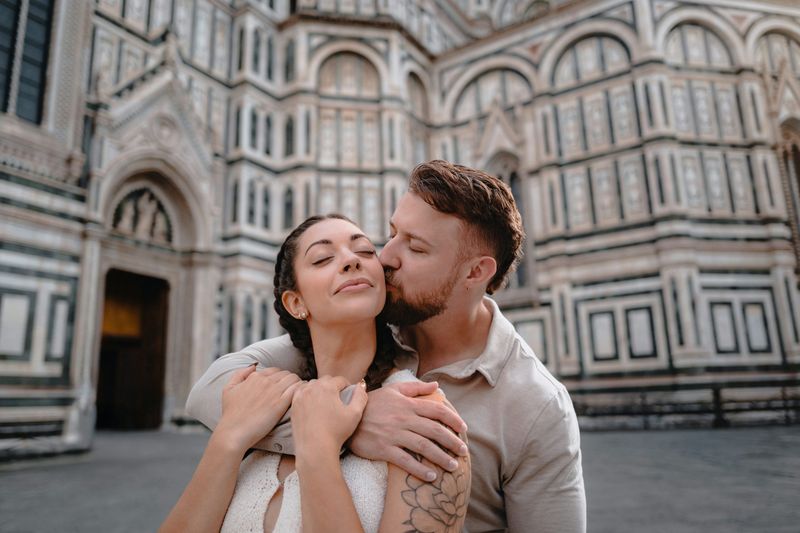
Marriage used to be all about money, land, and family power.
Families arranged marriages to combine wealth and secure their futures, not because two people fell in love.
Today, we live in a completely different world where women can own property, people can support themselves, and love matters more than financial deals.
Maybe it’s time to rethink whether we still need this old-fashioned contract.
1. Women No Longer Need Financial Protection

Back in the day, women couldn’t own property or even have their own bank accounts.
Marriage was literally the only way for a woman to have financial security.
She had to find a husband who could support her, or she’d be stuck depending on her father or brothers forever.
Fast forward to now, and women are CEOs, doctors, lawyers, and entrepreneurs.
They buy their own homes, invest their own money, and build their own retirement funds.
The whole idea that women need a husband for money is completely outdated and honestly kind of insulting.
Why sign a legal contract when you’re already financially independent?
Marriage made sense when it was survival, but now it’s just paperwork that doesn’t match how we actually live.
2. Divorce Costs More Than Most Weddings
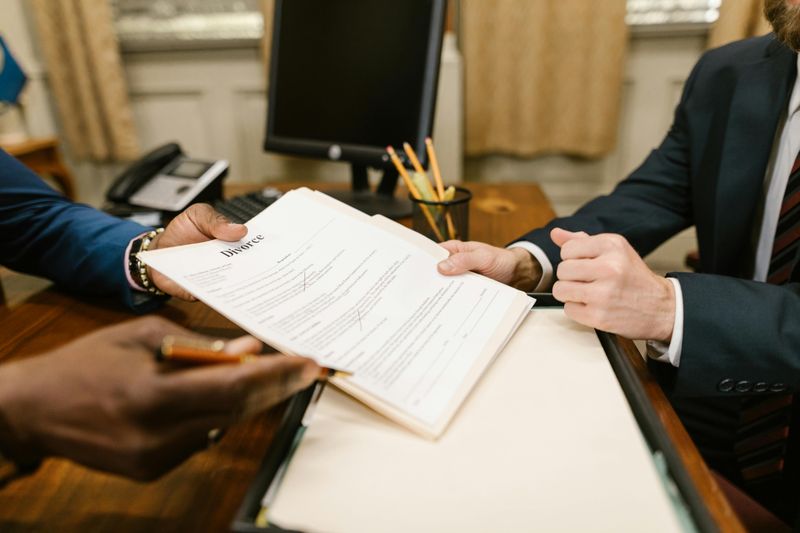
Getting married might cost thousands of dollars, but getting divorced?
That can cost tens of thousands or even more.
Lawyers charge hundreds of dollars per hour, and divorce cases can drag on for months or years.
One partner might have to pay alimony forever, even if the marriage only lasted a few years.
Then there’s splitting everything you own down the middle.
Houses get sold at bad times, retirement accounts get divided, and both people end up worse off financially.
Some folks spend more fighting over their stuff than the stuff is actually worth.
If marriage is supposed to provide financial stability, why does ending one create such financial disaster?
The economic risks of divorce make the whole contract look pretty risky from a money perspective.
3. Tax Benefits Aren’t What They Used to Be

People love to talk about the tax breaks married couples get, but those benefits have shrunk over the years.
In fact, some couples actually pay more in taxes after getting married, which is called the marriage penalty.
Depending on how much each person earns, combining incomes can push you into a higher tax bracket.
Sure, you might save a little on health insurance or get some deductions, but you can get similar benefits through domestic partnerships or just smart financial planning.
The government has created ways for unmarried people to share benefits without the legal mess of marriage.
When the biggest financial reason to marry barely exists anymore, why bother with the contract?
You can keep your money separate, file your own taxes, and avoid the whole complicated situation.
4. Cohabitation Offers the Same Benefits Without the Strings

Living together without getting married gives you almost everything marriage does, minus the legal headaches.
You share rent, split groceries, combine furniture, and build a life together.
Many health insurance plans now cover domestic partners, and you can name anyone you want as your beneficiary for life insurance or retirement accounts.
The best part?
If things don’t work out, you can separate without lawyers, court dates, or judges deciding who gets what.
You simply divide your stuff like adults and move on with your lives.
No alimony payments, no custody battles over assets, no waiting periods.
Millennials have figured this out already, which is why so many choose to live together instead of rushing to the altar.
They get the companionship and shared life without signing a contract that was designed for a completely different era.
5. Marriage Was Designed to Transfer Property, Not Celebrate Love

Here’s something they don’t teach in fairy tales: marriage started as a business deal between families.
Daughters were basically property that fathers traded to other men in exchange for land, animals, or political alliances.
The bride’s family paid a dowry, and the groom’s family got a worker and baby-maker.
Romance had nothing to do with it.
Even the wedding ceremony reflects this economic transaction.
The father “gives away” the bride like she’s a possession.
The white dress symbolized virginity because that made her more valuable.
Rings were originally down payments proving the groom could afford to keep a wife.
We’ve kept all these traditions while pretending marriage is about love now.
But the legal structure is still based on that old property-transfer model, which is super weird when you think about it.
6. Prenups Prove Even Married People Don’t Trust the Contract
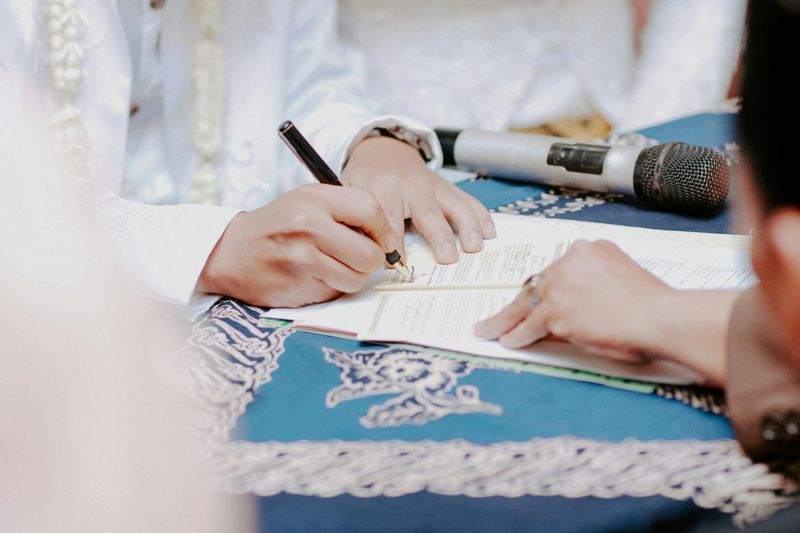
If marriage is such a great economic arrangement, why do smart people immediately protect themselves with prenups?
A prenuptial agreement is basically saying, “I’m getting married, but I don’t trust this contract to be fair if we split up.” That’s pretty telling about how broken the system is.
Wealthy people almost always get prenups because they know marriage laws can wipe out fortunes during divorce.
They’re using a legal contract to protect themselves from another legal contract.
That’s like needing insurance for your insurance.
The fact that prenups have become so common proves that marriage as an economic institution doesn’t work for modern people.
We’ve had to create escape hatches and protective measures because the original contract is so outdated and unfair.
7. Modern Careers Make Financial Partnership Unnecessary

In the past, families needed two people playing specific roles: one person earned money, the other managed the household.
This division made economic sense when most jobs required physical labor and raising kids was a full-time job without modern appliances.
Marriage formalized this work arrangement.
Today’s careers are totally different.
Both partners usually work, daycare exists, and you can order dinner on your phone.
Washing machines, dishwashers, and robot vacuums do the household labor.
You don’t need a spouse to survive economically anymore because you can hire services or buy products to fill those gaps.
Two single people with good jobs can live just as comfortably as a married couple, sometimes even better.
The economic efficiency of marriage has disappeared along with the stay-at-home spouse model that made it necessary.
8. Inheritance Laws Create Family Drama and Unfair Outcomes

Marriage automatically makes your spouse your legal heir, which sounds nice until you think about complicated family situations.
What if you’ve been married two years but have kids from a previous relationship you’ve known for twenty years?
The new spouse might inherit everything while your children get nothing unless you specifically write a will.
Blended families face even worse problems.
Stepparents and stepchildren end up fighting over estates because marriage laws weren’t designed for families that have divorced and remarried.
The legal default assumes a simple family structure that barely exists anymore.
Without marriage, you could simply designate whoever you want to inherit your stuff.
Your best friend, your sister, your kids, or your partner—whoever actually deserves it based on your relationship, not some automatic legal rule from centuries ago.
9. Social Security and Benefits Can Be Accessed Other Ways
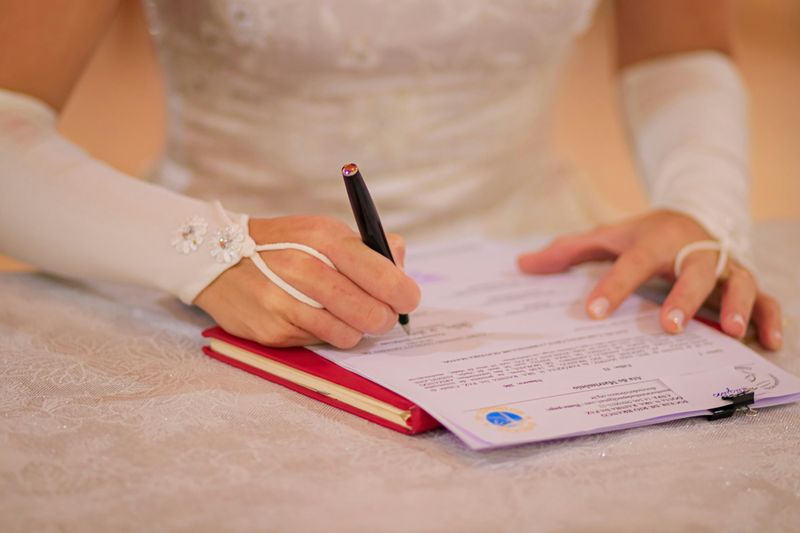
One argument for marriage is that spouses can collect each other’s Social Security benefits or pension payments.
This made sense when most women didn’t work outside the home and needed their husband’s benefits to survive retirement.
But that world is gone.
Most people now qualify for their own Social Security based on their own work history.
You can also set up your own retirement accounts, name beneficiaries, and create trusts that provide for anyone you choose.
Life insurance policies can replace the income protection that marriage supposedly provides.
Plus, many employers now offer benefits to domestic partners or allow you to designate anyone as your dependent.
The unique financial advantages of marriage keep shrinking as laws catch up with how people actually live.
You don’t need a marriage license to plan for your future anymore.
10. Emotional Connection Doesn’t Require Legal Documentation

The best reason to be with someone is because you love them and enjoy their company, not because you signed a contract.
Real commitment comes from choosing to stay with someone every single day, not from a legal obligation that makes leaving complicated and expensive.
Many couples in long-term relationships without marriage report feeling more genuinely committed because they’re there by choice, not legal pressure.
They stay together because they want to, which is way more romantic than staying together because divorce is expensive and complicated.
Marriage takes an emotional bond and turns it into a government-regulated economic arrangement with penalties for leaving.
That’s the opposite of what love should be.
If we ditched the outdated contract, relationships could be based purely on mutual happiness and respect instead of legal and financial entanglement.
Comments
Loading…