
 Chloe Peterson
12 Common Criticisms People Have About the U.S. — Do You Agree?
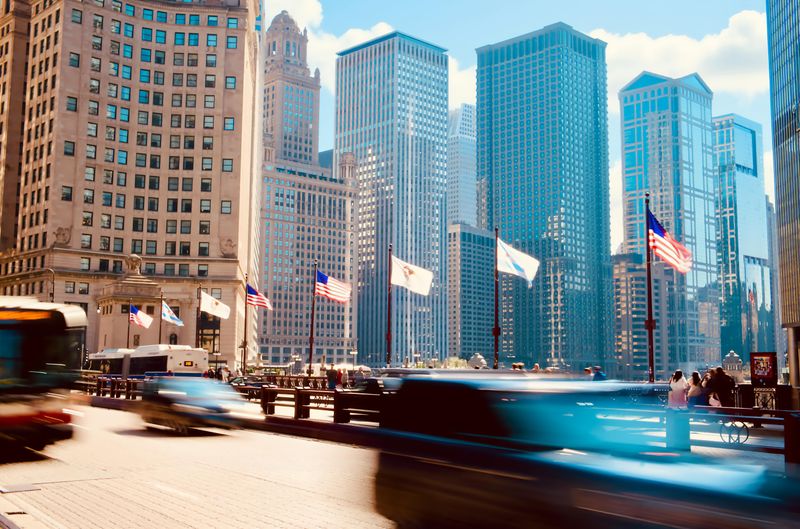
America is often seen as a land of opportunity, but not everyone agrees it lives up to that promise.
From healthcare costs to political divisions, many people point out serious problems they believe hold the country back.
These criticisms come from both Americans and people around the world who watch how the nation handles its biggest challenges.
Whether you agree or disagree, understanding these concerns helps us think about what could make things better.
1. Healthcare System Inefficiency and High Costs

Americans spend more on healthcare than people in almost any other country, yet millions still can’t afford basic medical care.
In 2023, the nation spent $4.9 trillion on healthcare—that’s nearly 18% of everything the country produces.
Despite this massive spending, many people skip doctor visits because they fear the bills that follow.
Insurance doesn’t always solve the problem either.
High deductibles mean families pay thousands before coverage even kicks in.
Prescription drugs cost far more here than in other wealthy nations, forcing some people to choose between medicine and groceries.
Meanwhile, health outcomes don’t match the price tag.
Life expectancy is lower than in countries spending far less per person.
2. Extreme Income and Wealth Inequality
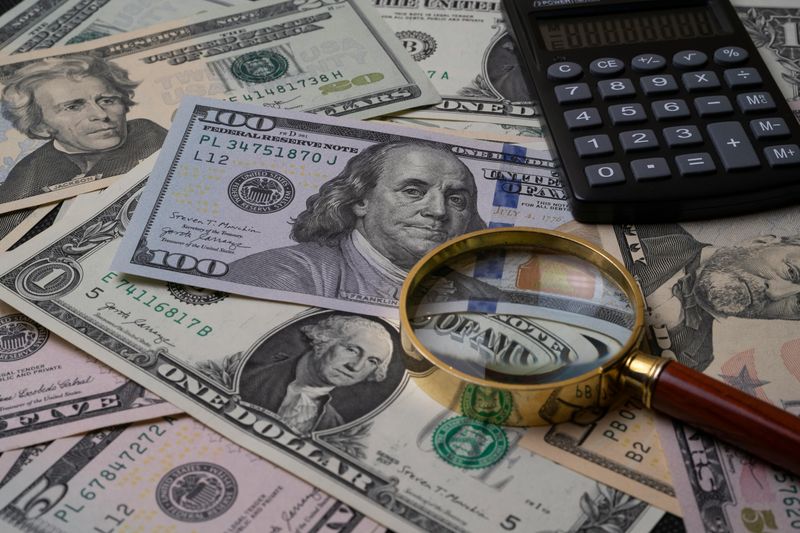
Walk through any major American city and you’ll see mansions blocks away from struggling neighborhoods.
The top 10% of earners now control about two-thirds of the nation’s wealth.
Between 1980 and 2022, wages for the bottom 90% grew just 36%, while the wealthiest 1% saw 162% growth.
For the ultra-rich—the top 0.1%—wages jumped an astounding 301%.
This gap isn’t just about numbers on paper.
It affects access to good schools, safe neighborhoods, and opportunities to build a better future.
Racial disparities make inequality even worse.
Black Americans consistently earn less than white workers in similar jobs, showing how economic unfairness connects to other systemic problems.
3. Gun Violence Epidemic
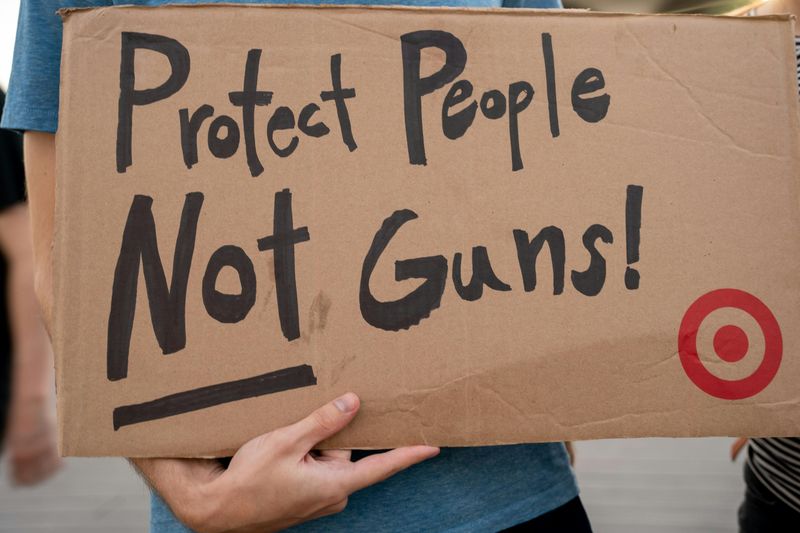
In 2024 alone, firearms killed 16,725 Americans—a number that shocks people in other developed countries.
What’s even more heartbreaking is that guns became the leading cause of death for American children.
No other wealthy nation faces anything close to this level of gun-related tragedy.
Mass shootings grab headlines, but everyday gun violence affects communities constantly.
Suicides, accidents, and domestic incidents add to the toll.
Many neighborhoods live with constant fear, while schools practice lockdown drills as routinely as fire drills.
The debate over solutions remains stuck between those demanding stricter laws and others defending gun rights.
Meanwhile, families continue burying loved ones at rates unthinkable elsewhere.
4. Political Polarization and Democratic Erosion
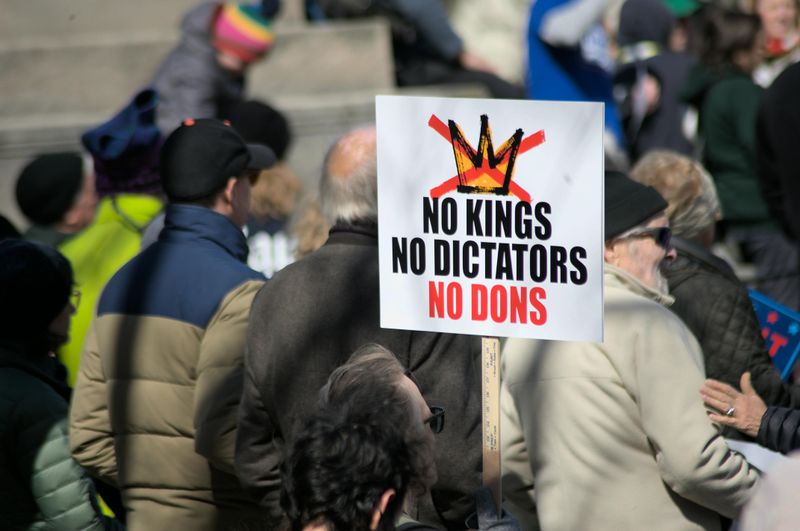
Americans can barely agree on basic facts anymore, let alone solutions to problems.
A 2024 survey found that 61% of people consider political polarization a critical threat to the nation.
Family dinners turn into arguments, friendships end over elections, and compromise feels like a dirty word.
Social media amplifies the worst of this division.
People retreat into echo chambers where everyone thinks alike, making the other side seem like enemies rather than neighbors with different views.
Politicians exploit these divisions rather than bridging them.
This breakdown makes governing nearly impossible.
Important bills stall, courts become political battlegrounds, and trust in democracy itself starts crumbling when people believe the system is rigged against them.
5. Student Debt Crisis

College graduates start their adult lives buried under mountains of debt that take decades to repay.
The average student who finished school in 2024 owes $38,000, and the total national student debt hit $1.7 trillion in 2025.
That’s more than the entire economy of most countries.
This debt delays everything else in life.
Young people put off buying homes, starting families, or launching businesses because loan payments consume their paychecks.
Some work multiple jobs just to keep up with interest charges.
The situation raises tough questions about whether college is worth the cost anymore.
Many graduates end up in jobs that don’t require degrees, still paying for education they can’t use.
6. Racial Discrimination and Systemic Inequality
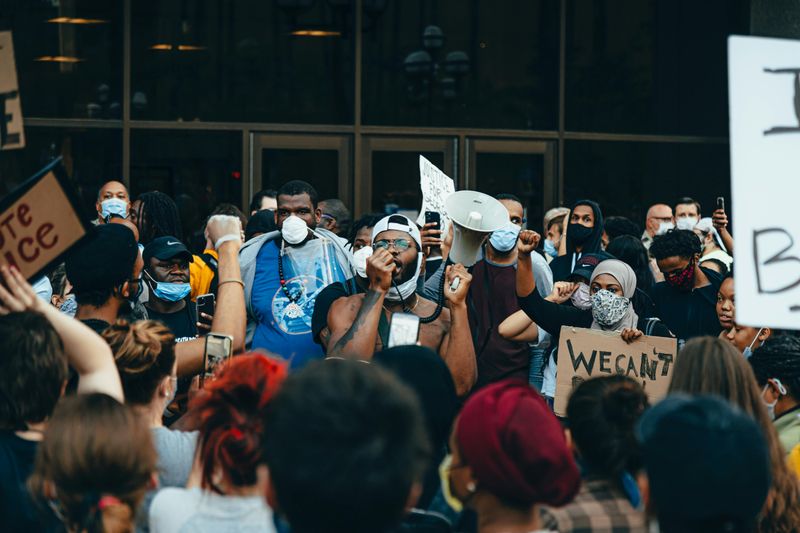
Despite decades of progress, the color of your skin still affects your opportunities in America.
In 2025, Black workers faced a 7.5% unemployment rate—consistently higher than white workers.
This pattern repeats across housing, education, healthcare, and criminal justice.
Discrimination isn’t always obvious anymore.
Instead of blatant racism, it hides in lending practices, hiring decisions, and school funding formulas.
Neighborhoods remain segregated not by law but by economic barriers that trace back to racist policies from generations ago.
Young people of color grow up knowing they’ll face extra scrutiny from police, teachers, and employers.
Changing hearts and minds takes time, but systemic problems require deliberate policy changes that many resist.
7. Crumbling Infrastructure
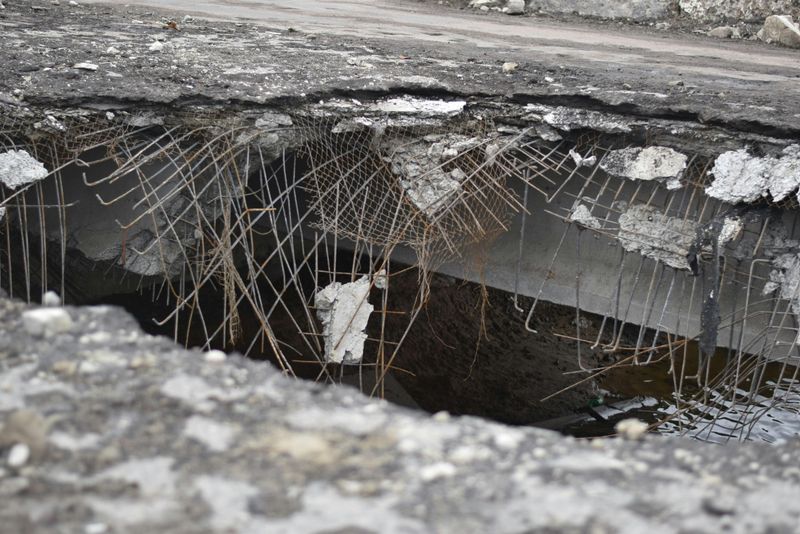
Bridges collapse.
Water mains burst.
Roads develop potholes big enough to swallow tires.
The American Society of Civil Engineers repeatedly gives the nation’s infrastructure poor grades, warning that neglect threatens both safety and economic growth.
Much of America’s infrastructure was built generations ago and hasn’t been properly maintained.
Electrical grids fail during extreme weather.
Public transit systems break down constantly.
Airports and seaports lag behind those in other developed countries.
Fixing these problems requires massive investment that politicians struggle to fund.
Meanwhile, every delay makes repairs more expensive and increases the risk of catastrophic failures that could kill people or shut down entire regions.
8. Mass Incarceration
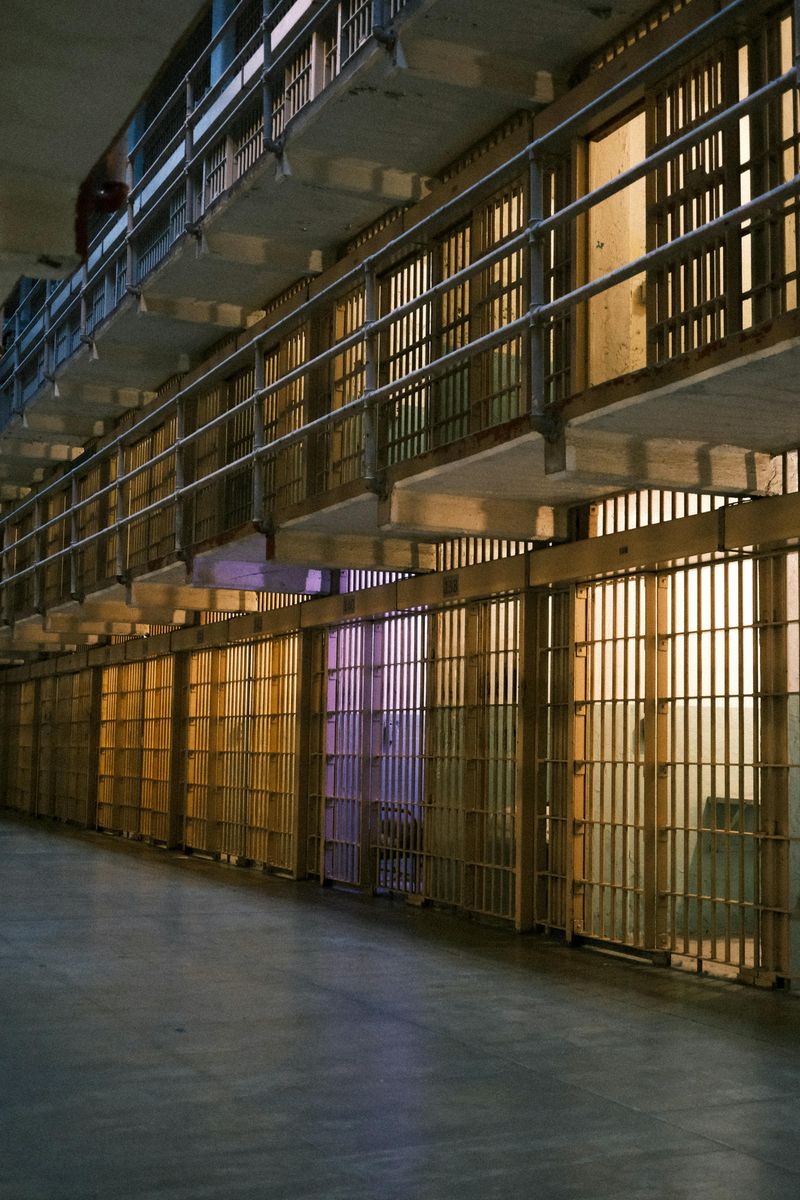
America locks up more people than any other nation on Earth.
About 2 million people sat in jails and prisons as of 2024—a rate that embarrasses the country internationally.
Many are there for non-violent offenses, serving sentences longer than murderers get in other countries.
Racial disparities make the system even more troubling.
Black Americans are incarcerated at rates far higher than white Americans for similar crimes.
Once released, former inmates struggle to find jobs or housing, often leading them back to crime.
Taxpayers spend billions maintaining this system while getting little safety in return.
Rehabilitation programs that actually reduce crime get cut while prisons keep expanding, trapping communities in cycles of punishment.
9. Immigration Policy Controversies
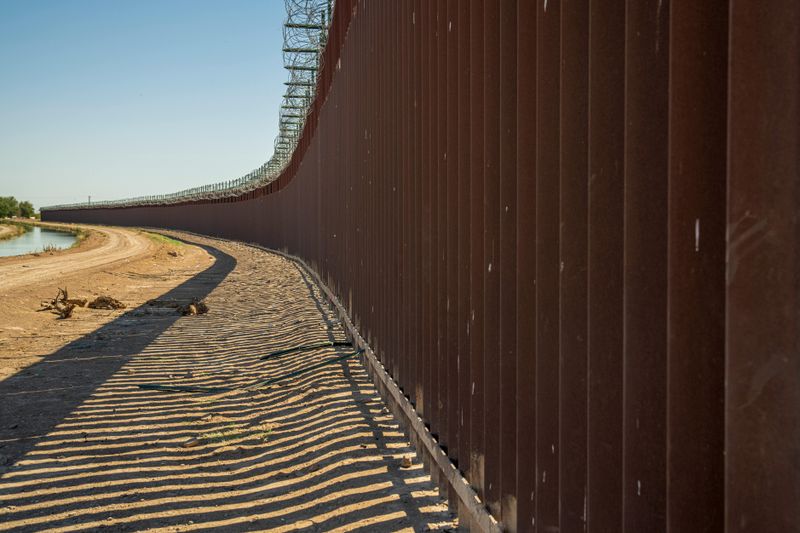
Immigration policies change so often that even lawyers can’t keep up.
Families wait years for decisions about their status, living in constant fear of separation.
The system seems designed to frustrate everyone—immigrants seeking opportunity and citizens wanting clear rules.
Border enforcement swings wildly between administrations.
One government builds walls while the next tears them down.
Meanwhile, millions live in legal limbo, unable to work legally or return home safely.
Children grow up American in every way except on paper.
Both sides of the political divide use immigration as a weapon rather than solving real problems.
The result is chaos that hurts families, businesses, and communities while satisfying nobody.
10. Climate Change Response Failures
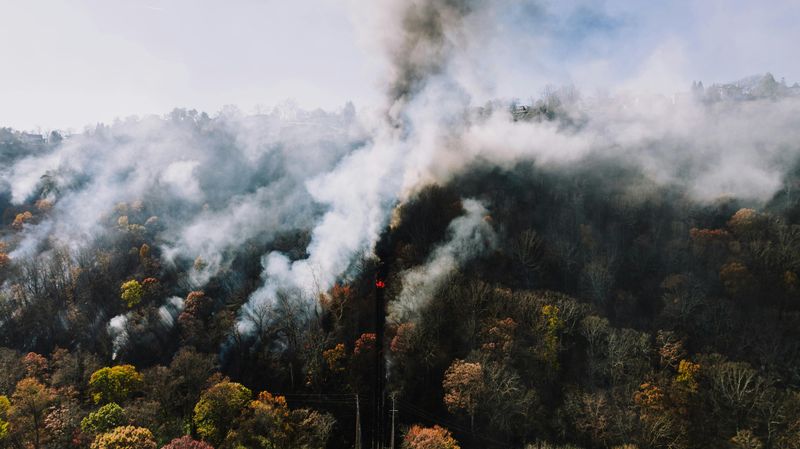
Hurricanes grow stronger.
Wildfires burn longer.
Droughts last years.
Despite overwhelming scientific evidence, America’s response to climate change lags behind other wealthy nations.
Political battles prevent comprehensive action while the planet keeps warming.
Some states take climate seriously, investing in renewable energy and updating building codes.
Others deny the problem exists, blocking even modest steps to reduce emissions.
This patchwork approach means the country can’t lead global efforts or protect its own citizens.
Young people especially feel betrayed, knowing they’ll inherit problems caused by decades of inaction.
Coastal cities face flooding, farmers struggle with unpredictable weather, yet meaningful federal policy remains stuck in partisan gridlock.
11. Educational System Failures

Teachers leave the profession in droves, exhausted by low pay and impossible demands.
Classrooms overflow with students while supplies run short.
Meanwhile, politicians argue about what books to ban rather than how to actually improve learning.
School quality depends entirely on zip code.
Wealthy districts offer small classes, new technology, and enrichment programs.
Poor districts struggle with leaky roofs, outdated textbooks, and overwhelmed staff.
This inequality starts kids on unequal paths from kindergarten.
Test scores show American students falling behind peers in other developed countries, especially in math and science.
Yet reforms get caught in culture wars instead of focusing on what actually helps kids learn and thrive.
12. Erosion of Trust in Institutions
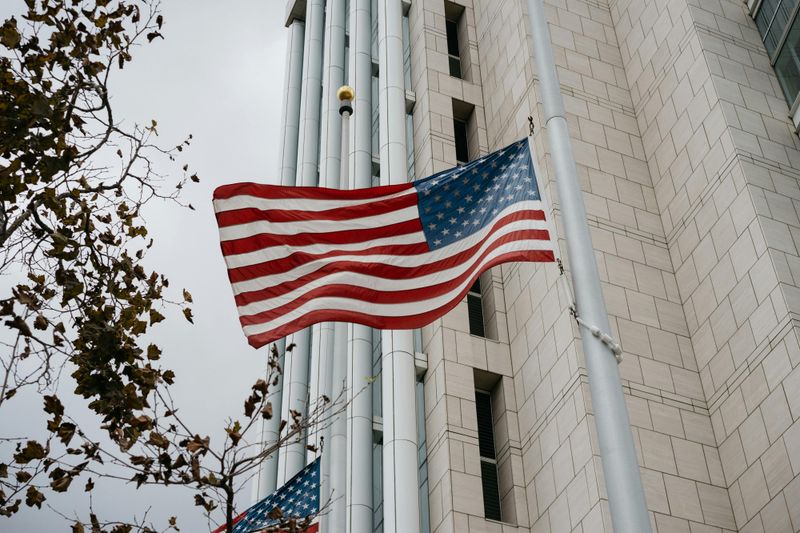
Only 22% of Americans believe the federal government does what’s right, according to a 2025 survey.
That stunning loss of confidence affects everything from vaccine acceptance to census participation.
When people don’t trust institutions, society itself starts breaking down.
This crisis didn’t happen overnight.
Scandals, broken promises, and partisan manipulation slowly eroded faith in government, media, science, and even religious organizations.
Each betrayal makes people more cynical and less willing to believe anyone in authority.
Social media spreads conspiracy theories faster than facts, while foreign adversaries exploit divisions to weaken the country from within.
Rebuilding trust requires transparency, accountability, and leaders who put country before party—none of which seem likely soon.
Comments
Loading…