
 Chloe Peterson
12 Classic TV Shows That Are Actually Not Funny When You Re-Watch Them Now
Remember those classic sitcoms you loved as a kid?
Going back to watch them today might leave you feeling uncomfortable instead of entertained.
What seemed hilarious decades ago often reflects outdated attitudes, stereotypes, and jokes that just don’t land anymore.
Times have changed, and so has our understanding of what’s actually funny versus what’s offensive or insensitive.
1. Friends
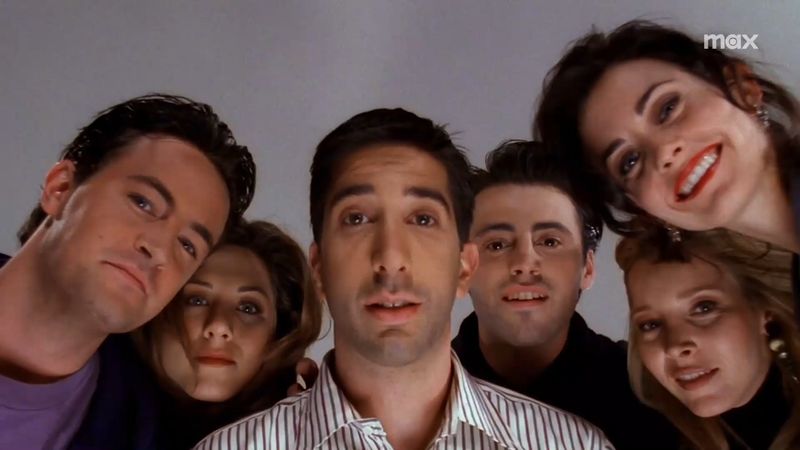
This beloved coffee shop comedy dominated the 90s with its witty banter and relationship drama.
But watching it now reveals some glaring problems that modern audiences can’t ignore.
The show lacks diversity despite being set in one of the world’s most multicultural cities.
The few characters of color who appear are often reduced to stereotypes or punchlines.
Fat-shaming jokes about Monica’s past weight pop up constantly, treating her former appearance as comedy gold.
Homophobic humor runs throughout multiple episodes, even though the show tried to be progressive with Ross’s ex-wife’s storyline.
Chandler’s father is treated as a running joke rather than a person.
The casual transphobia and gay panic humor that seemed edgy then feels deeply uncomfortable today.
2. The Cosby Show
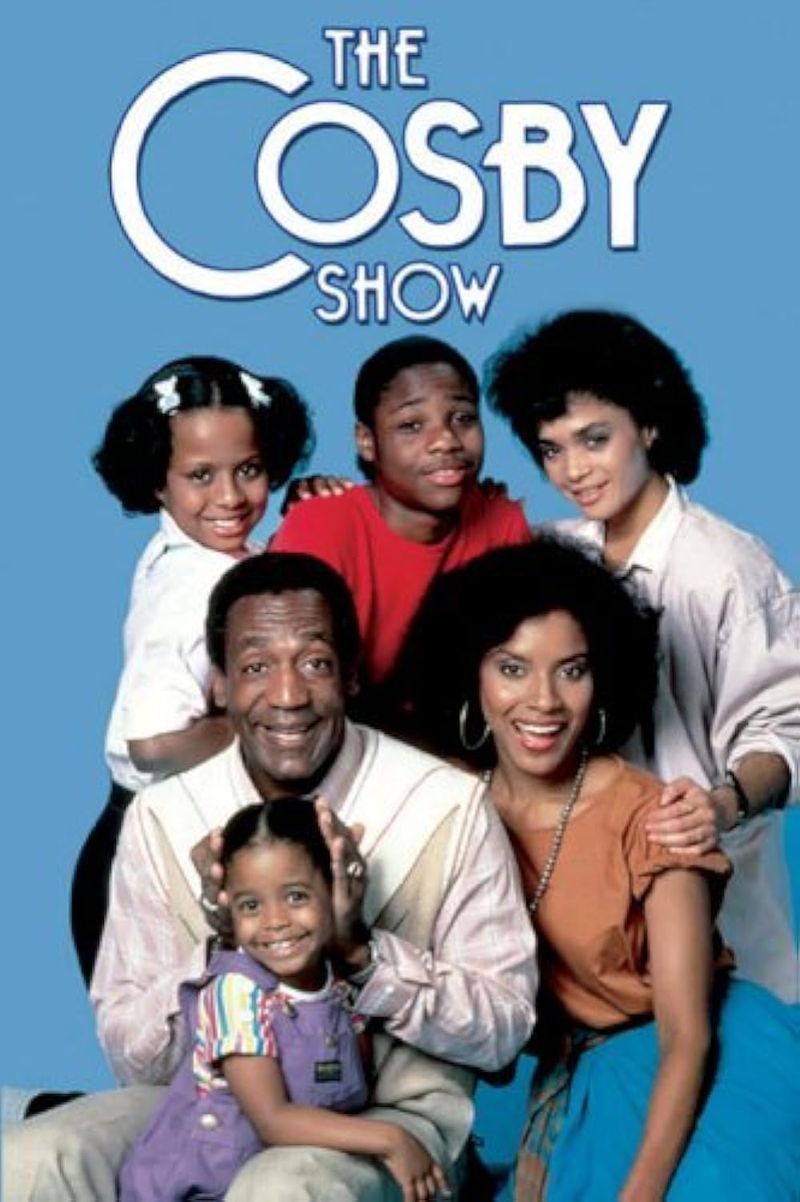
Once hailed as groundbreaking television, this family sitcom portrayed an affluent Black family in a positive light during the 1980s.
It broke barriers and became must-see TV for millions of viewers across America.
However, the show’s legacy has been completely destroyed by Bill Cosby’s criminal convictions for sexual assault.
Watching reruns now feels deeply disturbing knowing what happened behind the scenes.
The wholesome dad character he played stands in stark contrast to his real-life actions.
Even without that context, some of the show’s humor feels preachy and dated.
The lessons feel heavy-handed compared to modern sitcoms.
What once seemed charming now often comes across as condescending or out of touch with how families actually communicate.
3. Seinfeld
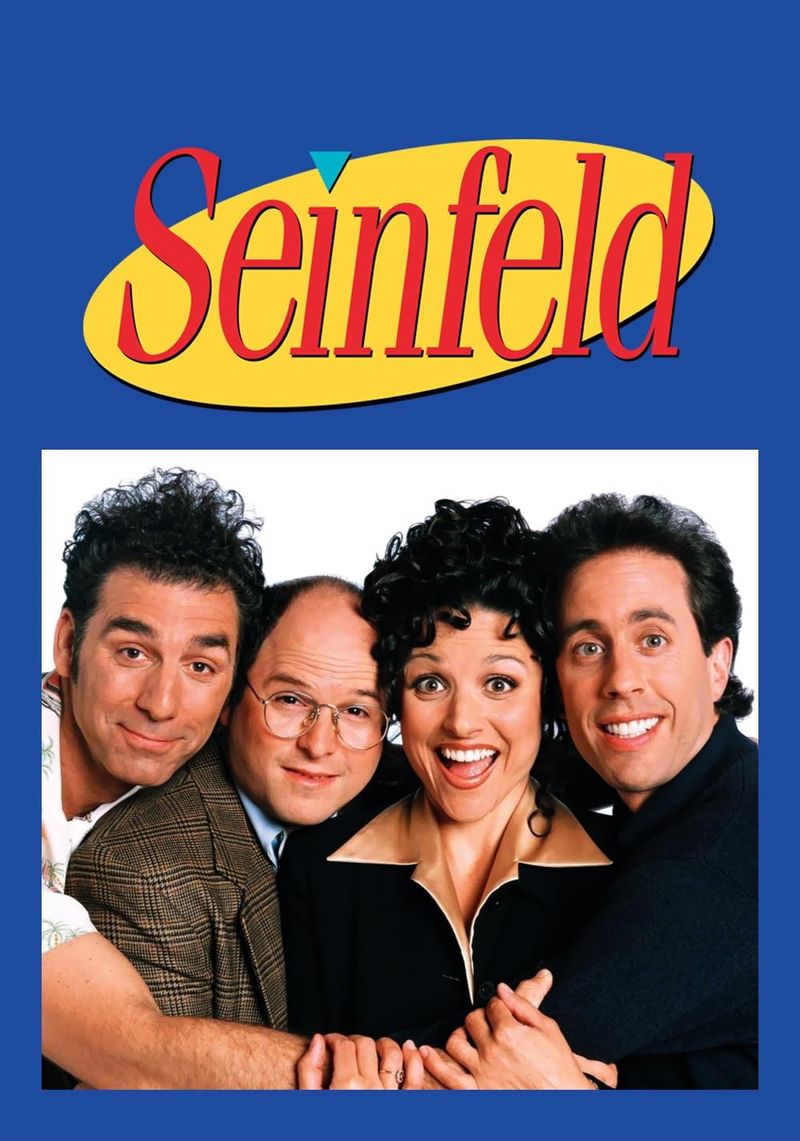
Labeled as a show about nothing, this observational comedy became one of the biggest hits in television history.
Jerry and his friends navigated everyday situations with a cynical twist that audiences ate up week after week.
Rewatching reveals problematic episodes that haven’t aged gracefully at all.
The “Cigar Store Indian” episode contains racial stereotypes played for laughs.
Misogynistic themes run through storylines where women are mocked for their appearances or treated as objects to be won or discarded.
The characters’ self-centered behavior was meant to be satirical, but it often crosses into mean-spirited territory.
Jokes about disabilities, different cultures, and LGBTQ+ people feel particularly cringeworthy today.
The edginess that made it groundbreaking then makes it uncomfortable now.
4. The Dukes of Hazzard
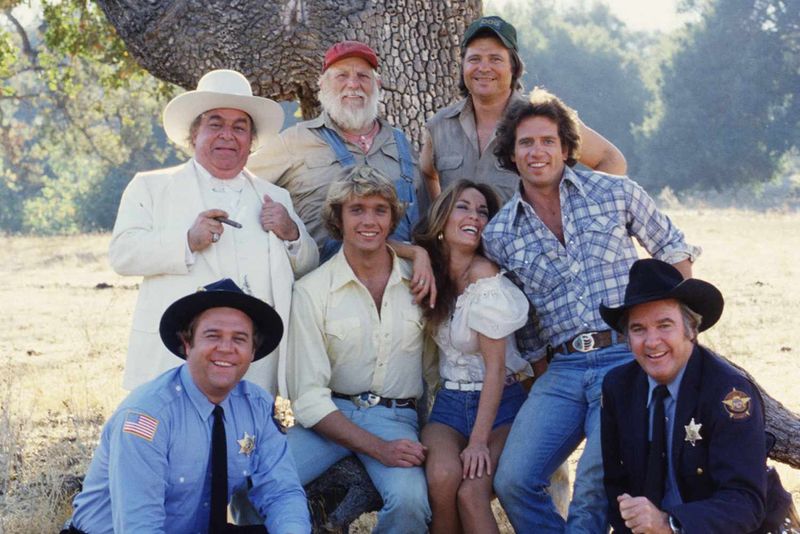
Good ol’ boys racing around in their souped-up car provided action-packed entertainment for late 70s and early 80s audiences.
The General Lee became one of the most recognizable vehicles in television history, jumping over obstacles in every episode.
That Confederate flag painted on the car’s roof is impossible to ignore now.
What producers considered harmless Southern pride is recognized today as a symbol of racism and oppression.
The show romanticized a problematic version of Southern culture without acknowledging its darker history.
Daisy Duke’s character was blatantly objectified, with her shorts becoming more famous than her personality.
The constant focus on her appearance rather than her abilities sends terrible messages.
The show’s treatment of women as decoration rather than fully developed characters feels gross by today’s standards.
5. M*A*S*H
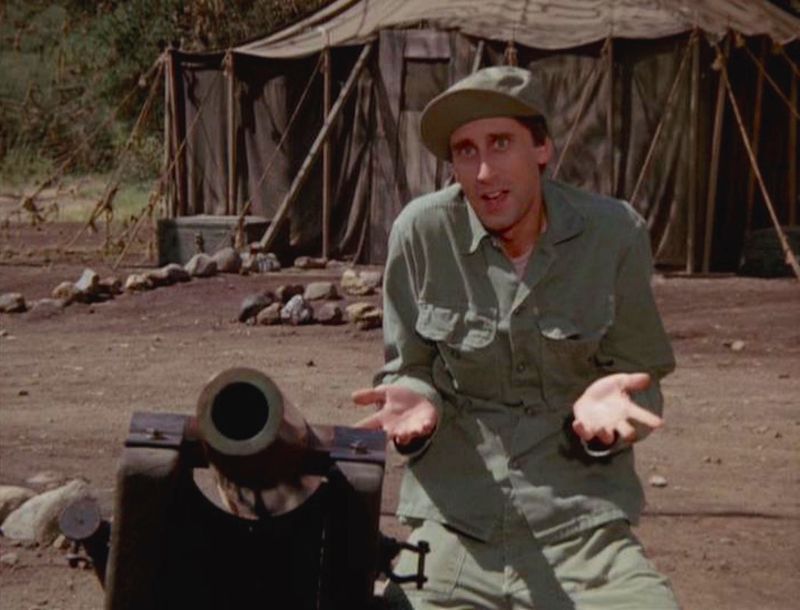
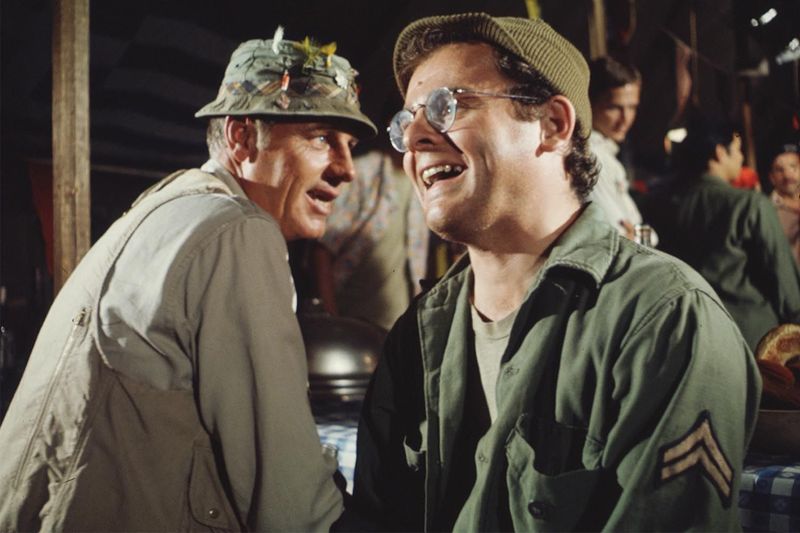
Set during the Korean War, this dramedy balanced humor with serious anti-war messages throughout its eleven-year run.
It tackled heavy topics while maintaining a loyal fanbase that appreciated its unique blend of comedy and commentary.
Despite its progressive stance on war, the show’s treatment of women hasn’t held up well.
Nurses are frequently objectified, with their romantic lives getting more attention than their medical skills.
Hot Lips Houlihan started as little more than a punchline before later seasons gave her depth.
Hawkeye’s constant womanizing behavior would be called out as harassment today.
His relentless pursuit of nurses despite repeated rejections isn’t charming—it’s creepy.
The show also relies on outdated stereotypes about Korean people that feel offensive now.
What seemed edgy anti-establishment humor often just perpetuated different problems.
6. Three’s Company
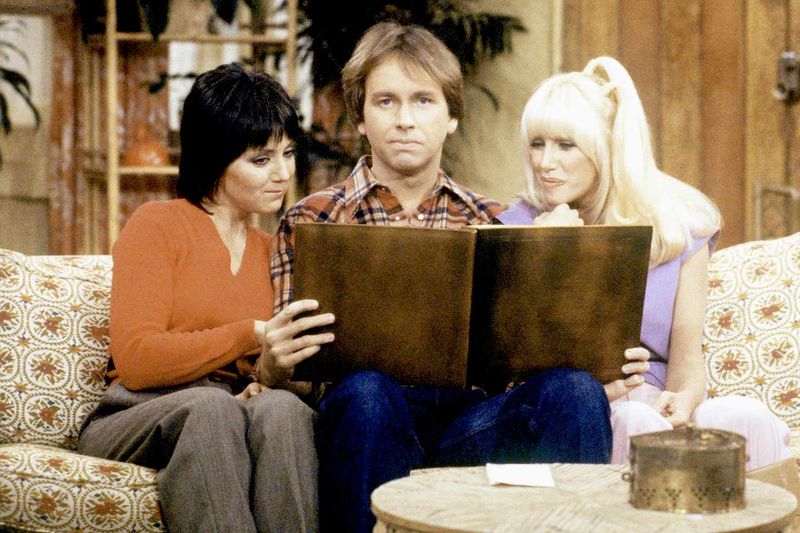
Built entirely around the premise that a straight man living with two women must be scandalous, this sitcom mined endless jokes from supposed sexual tension.
Jack pretended to be gay so the landlord would allow the living arrangement, which was the setup for countless misunderstandings.
The entire show relies on homophobic humor that’s painful to watch now.
Jack’s fake gay persona is exaggerated to ridiculous stereotypes, treating homosexuality as inherently funny.
The landlord’s homophobia is presented as normal and acceptable rather than bigoted.
Women are constantly reduced to their physical appearances, with ditzy blonde stereotypes running wild.
The humor depends heavily on sexual innuendo that feels juvenile and uncomfortable today.
Every episode follows the same tired formula of misunderstandings based on outdated gender roles and sexual panic.
7. Married… with Children
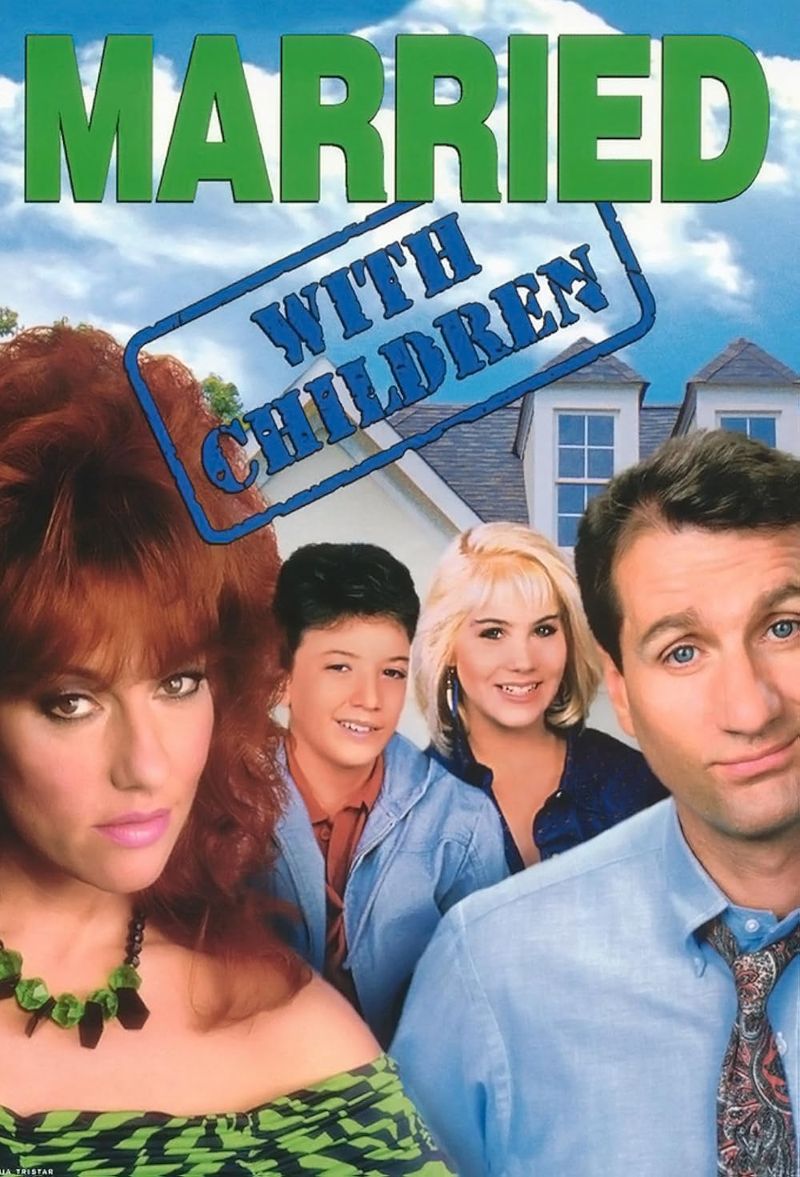
Al Bundy’s miserable existence as a shoe salesman with a family he openly resented was supposed to be a dark comedy alternative to wholesome sitcoms.
The show pushed boundaries by portraying a dysfunctional family without sugarcoating their problems.
What was edgy then comes across as mean-spirited and depressing now.
Al constantly insults his wife Peg’s appearance and intelligence while complaining about their marriage.
The fat-shaming directed at women throughout the show is relentless and cruel rather than funny.
The Bundys’ neighbor Marcy gets mocked constantly for being feminist, with her views treated as ridiculous punchlines.
Women are valued only for their looks, with attractive female characters paraded around while others face mockery.
The show’s cynical worldview feels exhausting rather than refreshingly honest by today’s standards.
8. Two and a Half Men
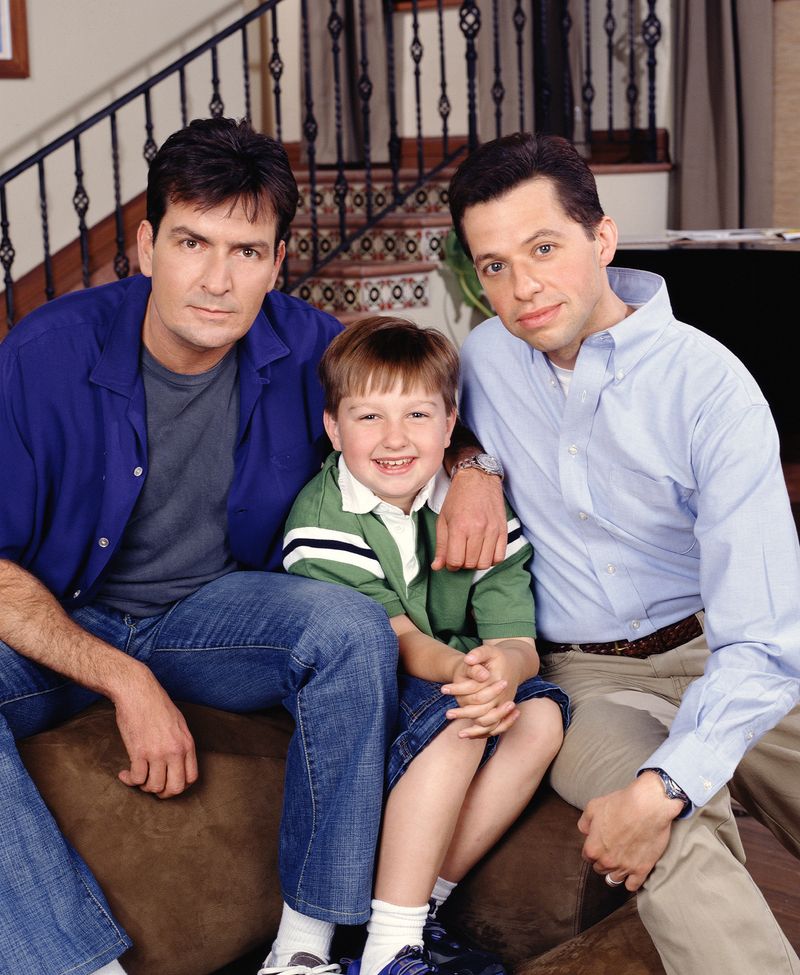
Charlie Sheen played a womanizing jingle writer living the bachelor dream in his Malibu beach house.
His uptight brother and nephew moved in, creating the odd couple dynamic that drove the show’s humor for years.
The show’s treatment of women is absolutely terrible throughout its entire run.
Female characters exist primarily as sexual conquests or nagging shrews with no middle ground.
Every woman is either impossibly hot and available or controlling and unattractive, reinforcing awful stereotypes.
Jokes about Alan’s son Jake being stupid get old fast and feel mean-spirited toward the child character.
The constant gay panic humor whenever physical affection between men occurs is painfully outdated.
Charlie’s behavior would be recognized as predatory today rather than aspirational.
The show’s entire premise celebrates toxic masculinity without any real consequences or growth.
9. How I Met Your Mother
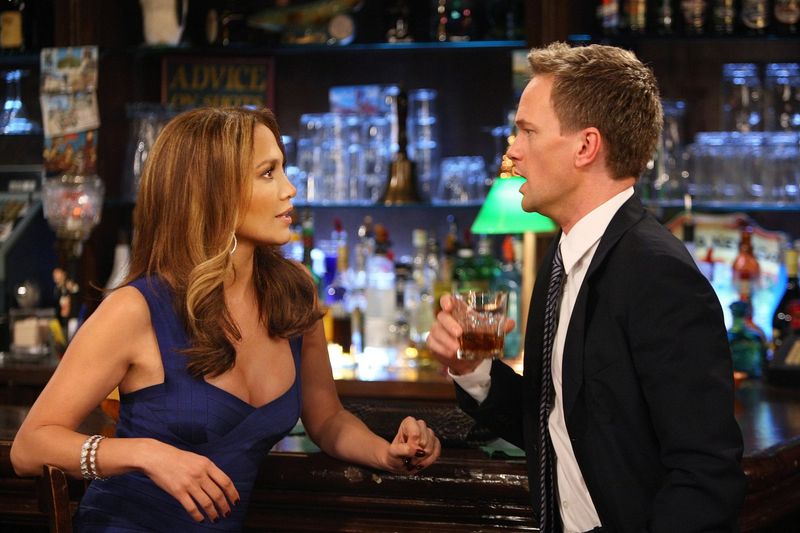
Ted’s quest to find his soulmate while hanging out with his friend group at their favorite bar seemed like a fresh take on the sitcom format.
The mystery of the mother’s identity kept viewers hooked for nine seasons.
Barney’s character is built entirely around manipulating women into sleeping with him through elaborate lies and schemes.
His “Playbook” strategies would be called out as predatory behavior today.
The show treats his actions as hilarious rather than harmful, even when women are clearly uncomfortable.
Slut-shaming runs rampant throughout the series, particularly toward Robin for her dating history.
The running gag about Barney’s transgender parent relies on outdated and offensive humor.
Ted’s supposed romantic gestures often cross into stalker territory.
The finale undermines the entire series by suggesting Ted was never really over Robin, making the whole journey feel pointless.
10. That ’70s Show
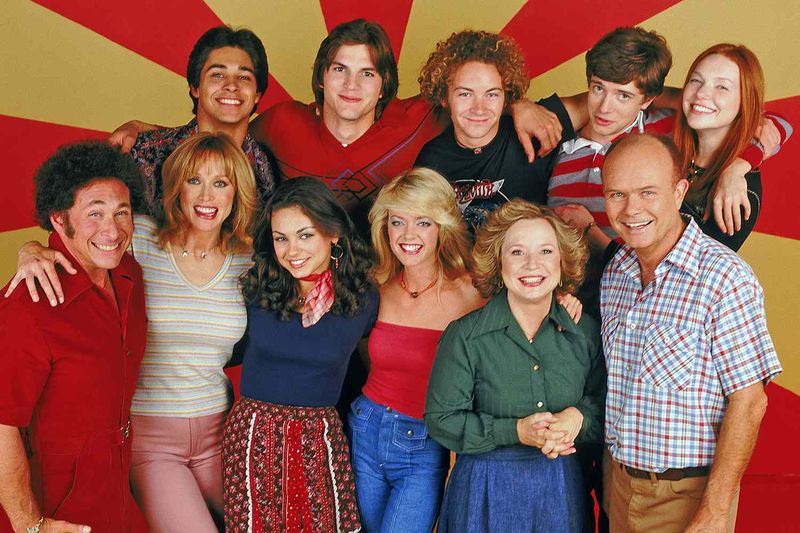
Eric Forman and his friends hanging out in his basement captured nostalgia for the disco era through a late-90s lens.
The circle scenes where they got high became iconic, along with Red’s threats to put his foot in someone’s rear.
Fez’s entire character is one extended stereotype about foreign people being sexually inappropriate and culturally confused.
His creepy behavior toward women is played for laughs when it should be called out.
The show never even reveals his real name or country, treating his background as a running joke.
Jackie gets criticized constantly for being materialistic and shallow, while the guys’ bad behavior gets excused.
Homophobic jokes pop up regularly, with being gay treated as an insult.
The show’s handling of Hyde’s relationship with Jackie involves controlling behavior that’s romanticized.
Kelso’s stupidity crosses from funny into concerning, especially when he becomes a father.
11. The Big Bang Theory
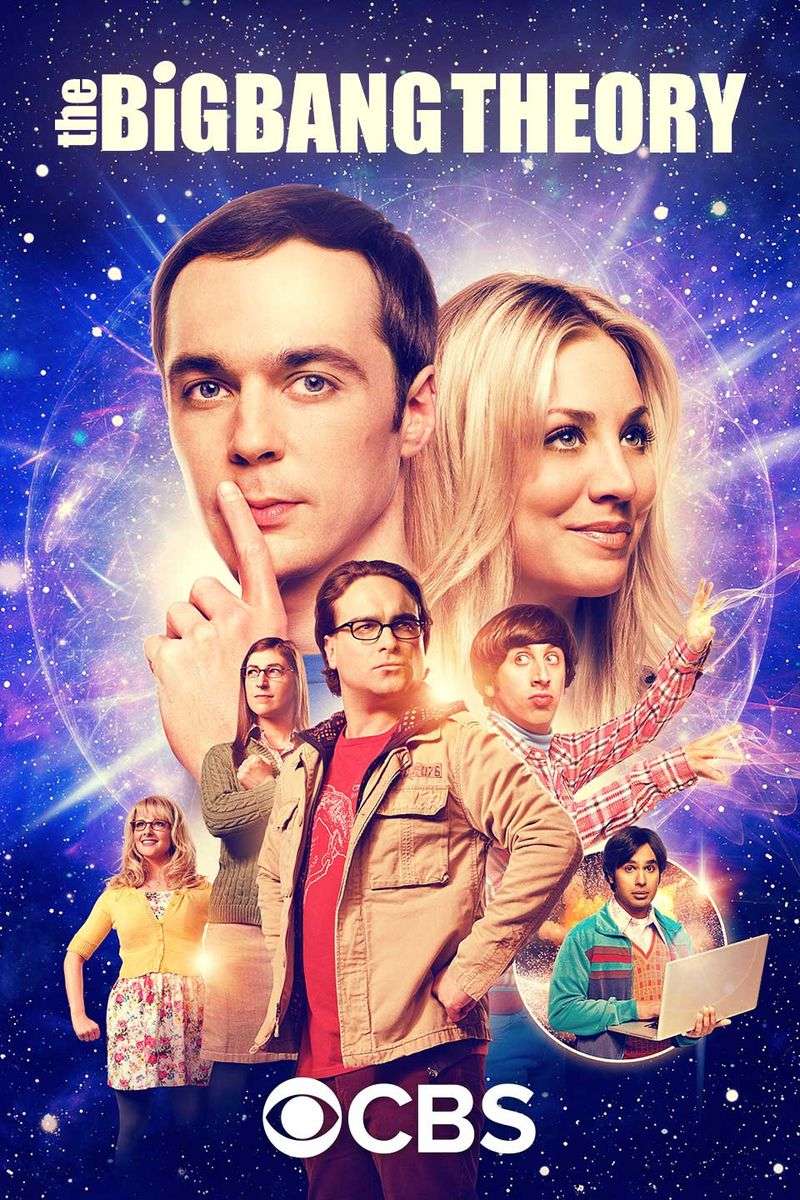
Sheldon and Leonard’s nerdy adventures brought geek culture into mainstream television throughout the 2000s and 2010s.
The show celebrated comic books, science, and gaming while following socially awkward physicists navigating life and relationships.
The humor often mocks the characters for being smart rather than celebrating their intelligence.
Penny represents the “normal” person who has to deal with these weird nerds, reinforcing stereotypes about scientists being socially incompetent.
The show frequently uses their interests as punchlines rather than genuine character development.
Howard’s behavior toward women in early seasons is absolutely creepy and inappropriate.
His comments to Penny would qualify as sexual harassment in any real workplace.
The laugh track tells you when something is supposed to be funny even when it’s just uncomfortable.
Raj’s inability to talk to women without alcohol treats social anxiety as a quirk rather than a real issue.
12. The King of Queens
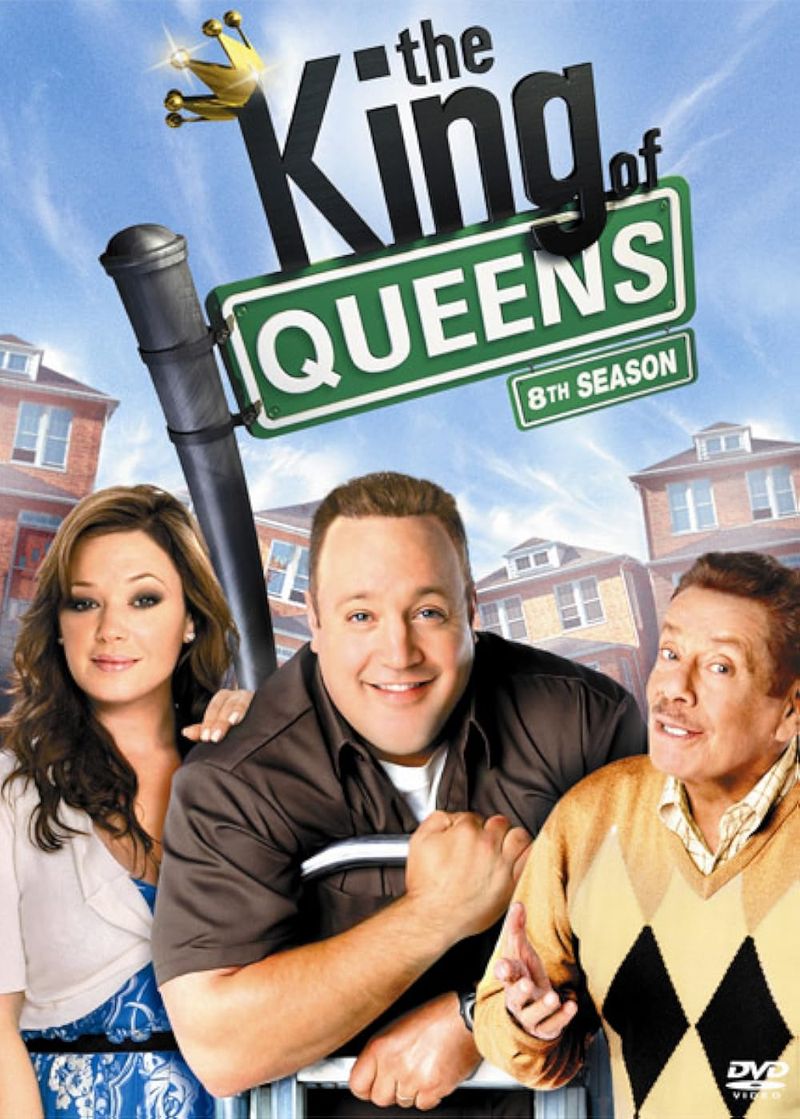
Doug Heffernan’s life as a delivery driver living with his wife and her father in Queens seemed relatable to working-class audiences.
The show focused on everyday marriage struggles and family dynamics without trying to be too flashy or unrealistic.
Doug constantly lies to Carrie and makes major decisions without consulting her, treating marriage like a battlefield.
Their relationship involves manipulation and deception rather than honest communication.
Carrie is portrayed as a nagging wife while Doug is the fun-loving guy just trying to enjoy life.
Arthur’s dementia and odd behavior are played for laughs rather than treated with sensitivity.
The show relies heavily on fat jokes about Doug, making his weight the punchline constantly.
Carrie’s controlling nature is exaggerated to justify Doug’s bad behavior.
The couple rarely shows genuine affection, making viewers wonder why they’re even together.
Their dynamic feels toxic rather than relatable by today’s relationship standards.
Comments
Loading…