
 Mila Ross
12 Oscar Winners That Everyone Has Already Forgotten (And For Good Reason)
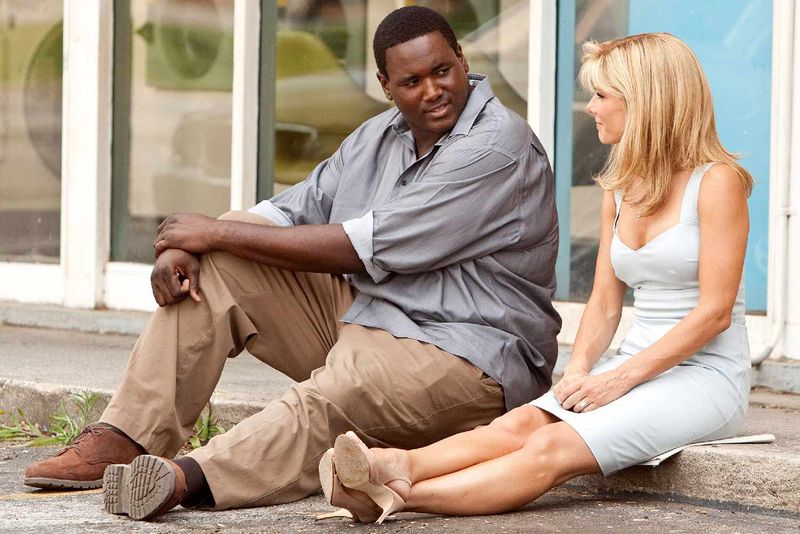
Every year, the Academy Awards celebrate what Hollywood considers the finest achievements in filmmaking.
Winning an Oscar is supposed to cement a film’s place in cinematic history forever.
Yet some winners vanish from public memory almost as quickly as the ceremony ends, proving that even gold statues can’t guarantee lasting relevance or cultural impact.
1. Two Arabian Knights (1927)
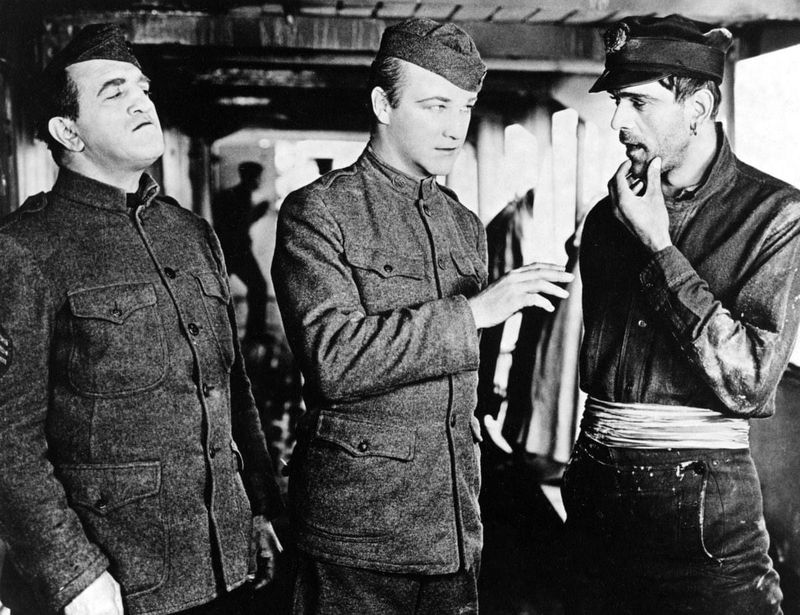
At the very first Academy Awards ceremony, this silent comedy took home two major prizes, including Best Director for Lewis Milestone.
The film follows two American soldiers who escape from a German prison camp during World War I and embark on various adventures.
Most prints were actually lost for decades until a surprise rediscovery brought it back from oblivion.
Even with its historical significance as a first-year winner, modern audiences have little interest in revisiting this relic.
The humor feels dated, the pacing drags by today’s standards, and the story lacks the timeless quality that keeps other silent films relevant.
Without the novelty of being an inaugural winner, there’s simply not much here to remember.
2. Cavalcade (1933)
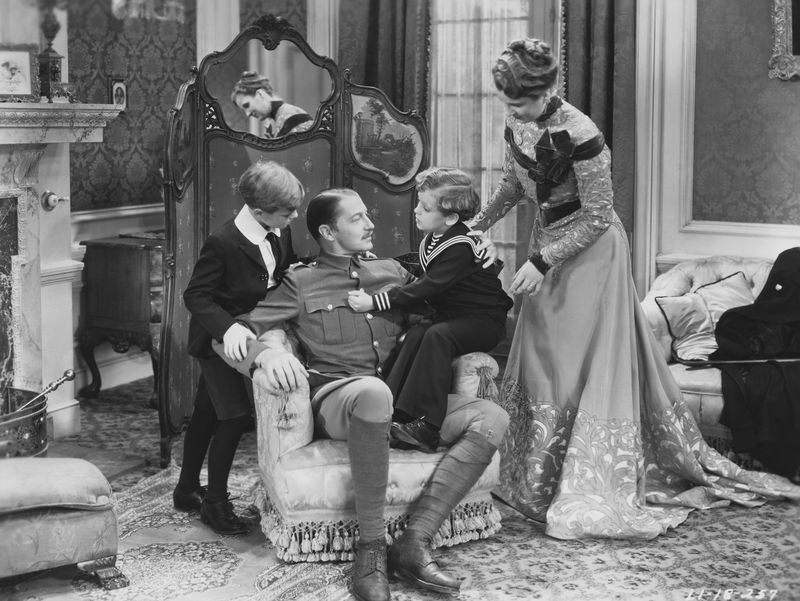
This British drama swept the Oscars with wins for Best Picture, Best Director, and Best Art Direction, depicting an upper-class London family’s life from New Year’s Eve 1899 through New Year’s Day 1933.
Critics praised its ambitious scope and emotional depth at the time.
The problem?
It’s essentially a three-hour parade of melodramatic moments strung together without much narrative cohesion.
Modern viewers find it slow, overly sentimental, and difficult to connect with emotionally.
The film’s themes about British resilience and class divisions don’t translate well across cultures or generations.
Even film historians rarely recommend it, acknowledging its Oscar wins while admitting it hasn’t aged gracefully whatsoever.
3. Gentleman’s Agreement (1947)
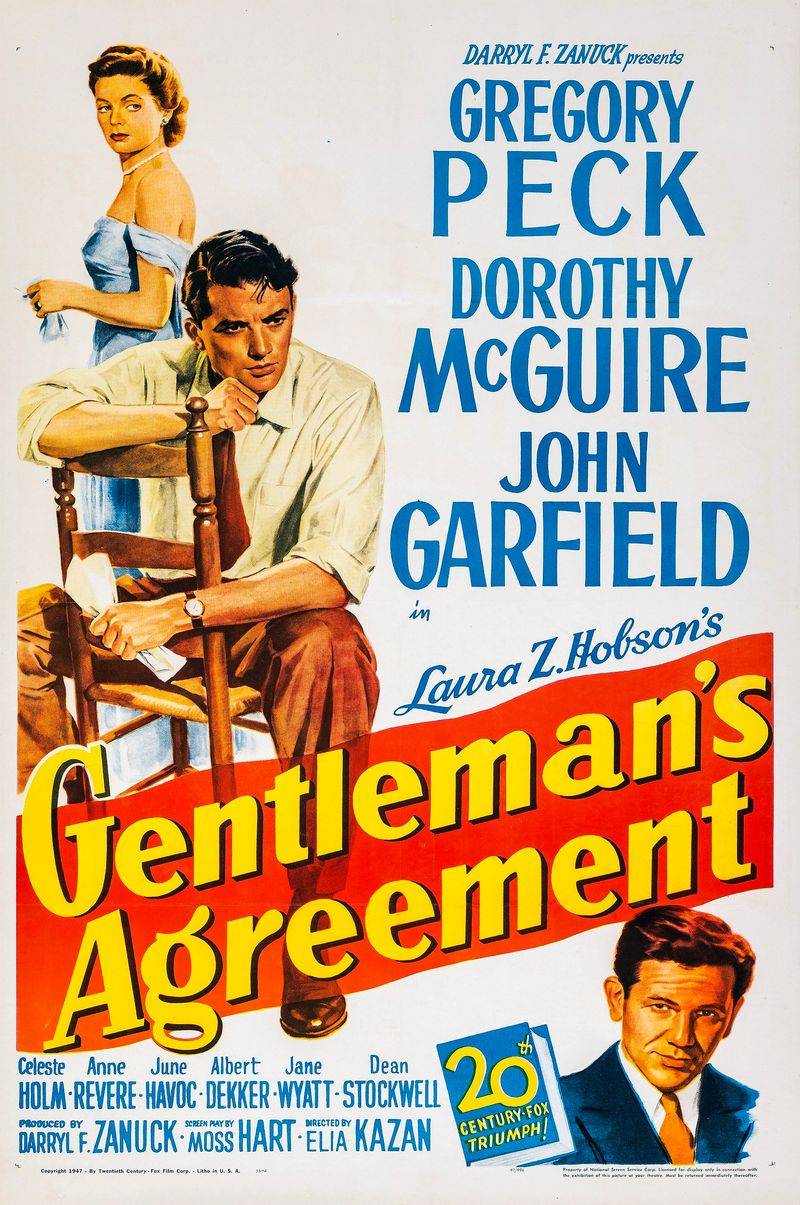
Gregory Peck stars as a journalist who pretends to be Jewish to expose anti-Semitism in this Best Picture winner.
The film tackled important social issues and was considered groundbreaking for directly addressing prejudice in post-war America.
However, its approach now feels heavy-handed and overly simplistic.
The movie presents discrimination as something that can be solved through polite conversation and understanding, which modern audiences recognize as naive.
More nuanced films about prejudice have since eclipsed it entirely.
The performances feel stiff, the message comes across as preachy, and the film lacks the subtlety that makes social commentary endure beyond its immediate cultural moment.
4. Sayonara (1957)
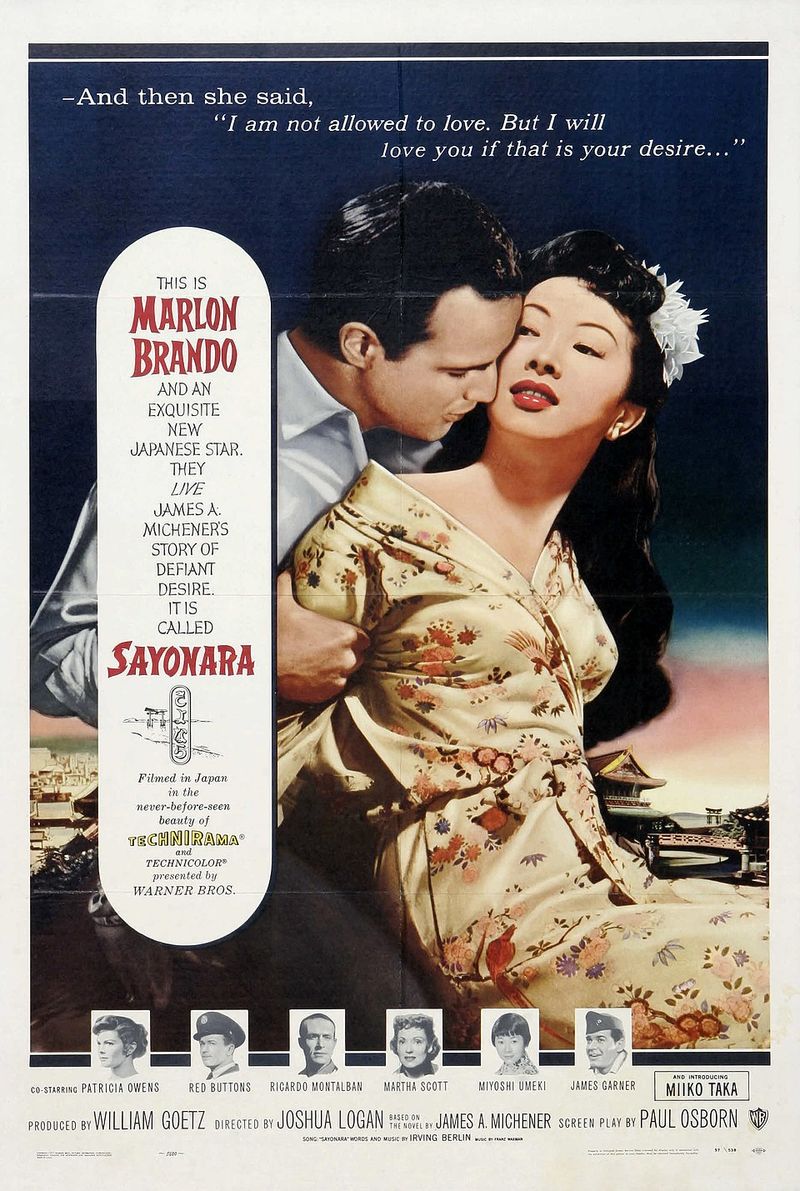
Marlon Brando plays an American Air Force officer who falls in love with a Japanese woman during the Korean War in this four-time Oscar winner.
The film attempted to address interracial romance and cultural barriers during a sensitive period in American-Japanese relations.
Despite Brando’s star power, the movie suffers from a patronizing perspective that hasn’t aged well at all.
Its treatment of Japanese culture feels superficial and exoticized, making contemporary viewers uncomfortable.
The romance lacks genuine chemistry, and the film’s resolution feels contrived rather than earned.
With better films exploring cross-cultural relationships now available, there’s little reason to revisit this problematic relic from Hollywood’s past.
5. A Thousand Clowns (1965)
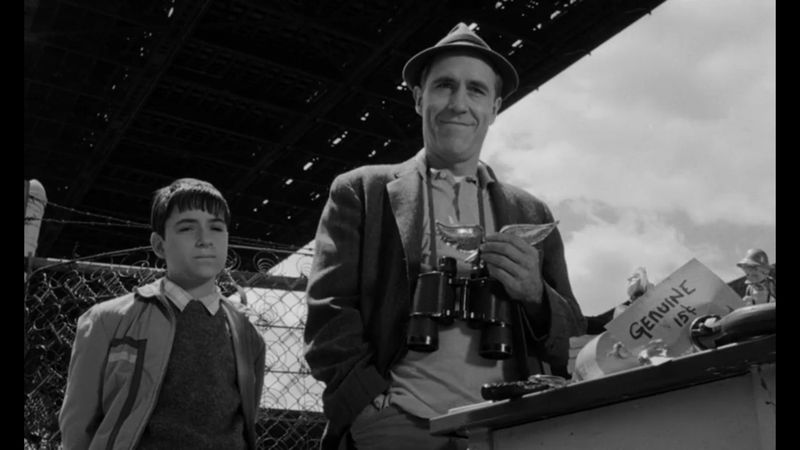
Martin Balsam won Best Supporting Actor for his role in this quirky comedy about an unconventional man raising his nephew in New York City.
The film explores themes of nonconformity and individualism that resonated with 1960s counterculture audiences perfectly.
Unfortunately, what seemed fresh and rebellious then now appears self-indulgent and dated.
The protagonist’s refusal to hold a job comes across as irresponsible rather than admirably free-spirited by modern standards.
The humor relies heavily on rapid-fire dialogue that feels more exhausting than clever.
Younger viewers struggle to understand why this won major awards, and even fans of 60s cinema rarely mention it among the era’s memorable films.
6. Butterflies Are Free (1972)
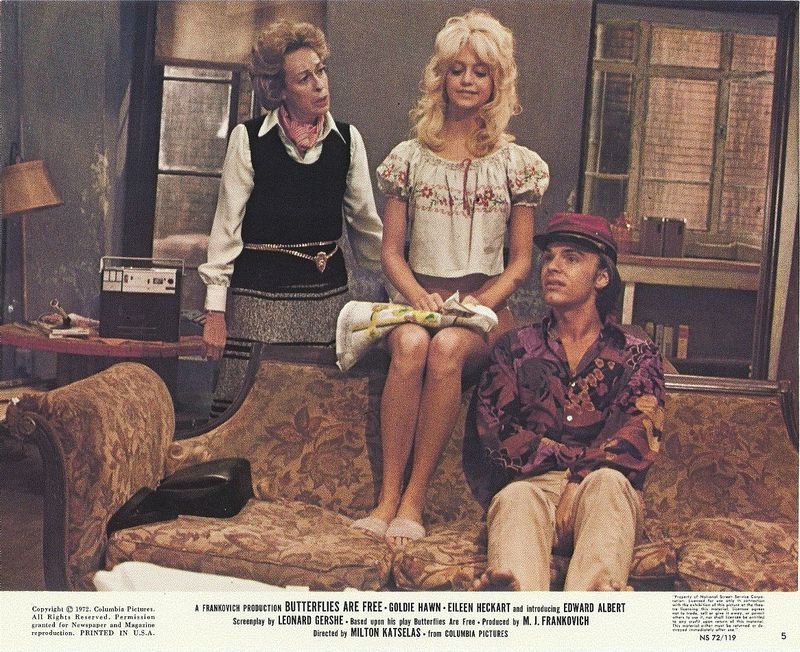
Eileen Heckart earned an Oscar for playing an overprotective mother to a blind son in this adaptation of a Broadway play.
The story focuses on a young blind man trying to establish independence while his mother interferes with his new relationship.
The film’s portrayal of disability feels patronizing and overly sentimental by current standards.
What was meant as progressive representation now seems to reduce blindness to a plot device for generating sympathy.
The romantic subplot feels forced, and the dialogue often sounds stagey rather than natural.
With more authentic representations of disability available today, this film’s approach to its subject matter feels outdated and occasionally offensive to modern sensibilities.
7. The Trip to Bountiful (1985)
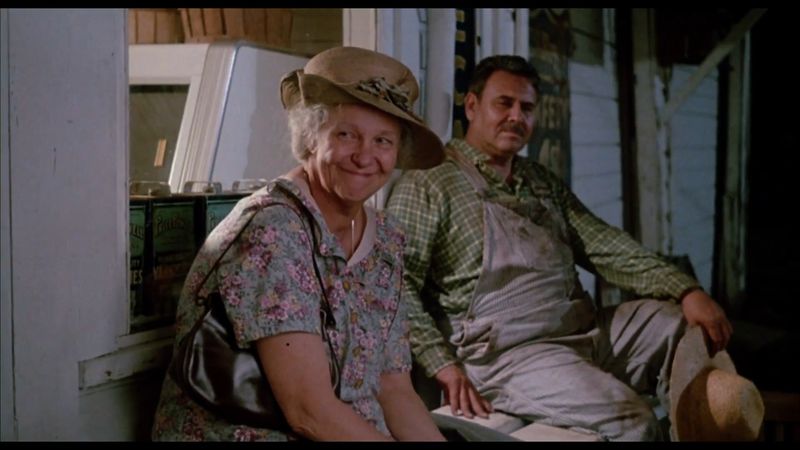
Geraldine Page finally won Best Actress after eight nominations for playing an elderly woman desperate to visit her childhood home one last time.
Her performance was universally praised as deeply moving and authentic, representing a career-capping achievement.
Yet the film itself is a slow, quiet meditation that many viewers find boring rather than contemplative.
The pacing feels glacial, and the emotional payoff doesn’t justify the extended runtime for most audiences.
While Page’s performance remains respected, the movie surrounding it has faded completely.
It’s the kind of Oscar winner that gets mentioned in trivia about long-overdue wins but rarely gets recommended as essential viewing.
8. Reversal of Fortune (1990)
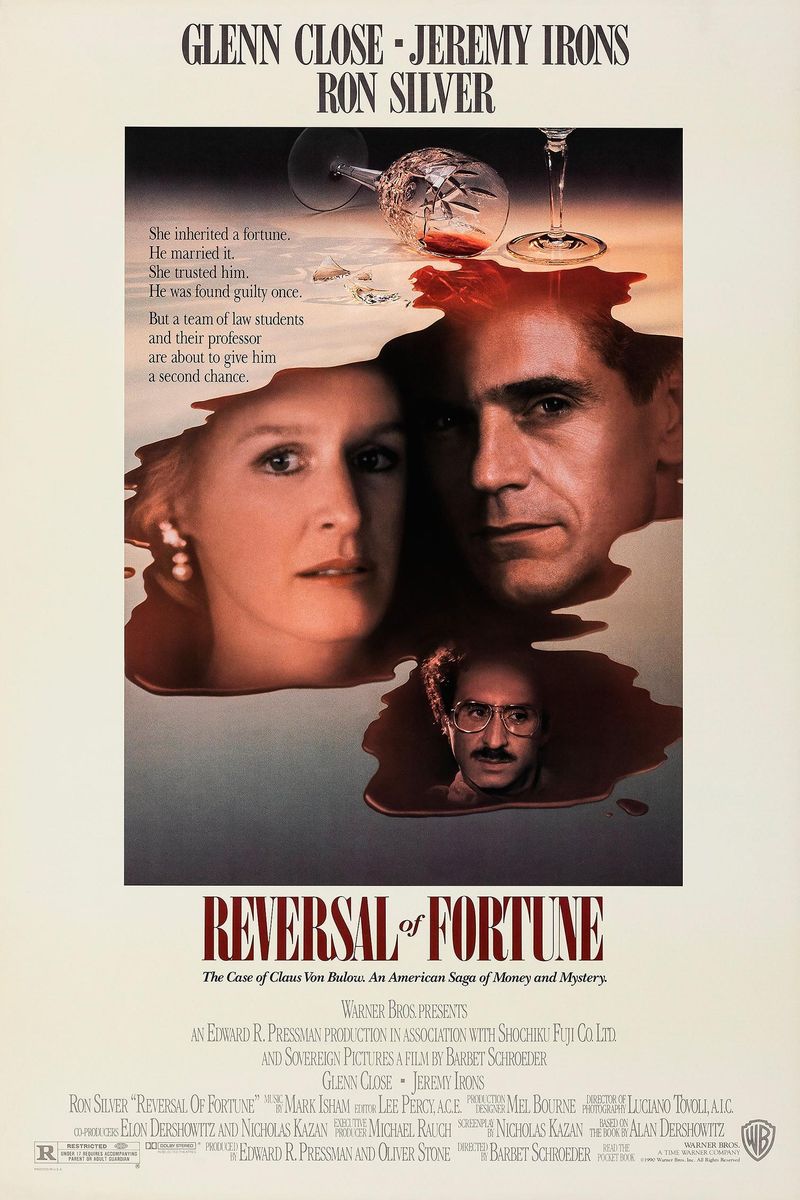
Jeremy Irons won Best Actor for his chilling portrayal of Claus von Bülow, the wealthy socialite accused of attempting to murder his wife.
The film examines the sensational real-life case through the perspective of von Bülow’s defense attorney, played by Ron Silver.
Despite Irons’ compelling performance, the film has virtually disappeared from cultural memory.
The case itself no longer fascinates people, and the movie’s narrative structure feels gimmicky rather than innovative now.
True crime documentaries have since covered the story more thoroughly and engagingly.
The film’s ambiguous ending, meant to be thought-provoking, instead leaves viewers feeling unsatisfied and disconnected from the material presented.
9. Iris (2001)
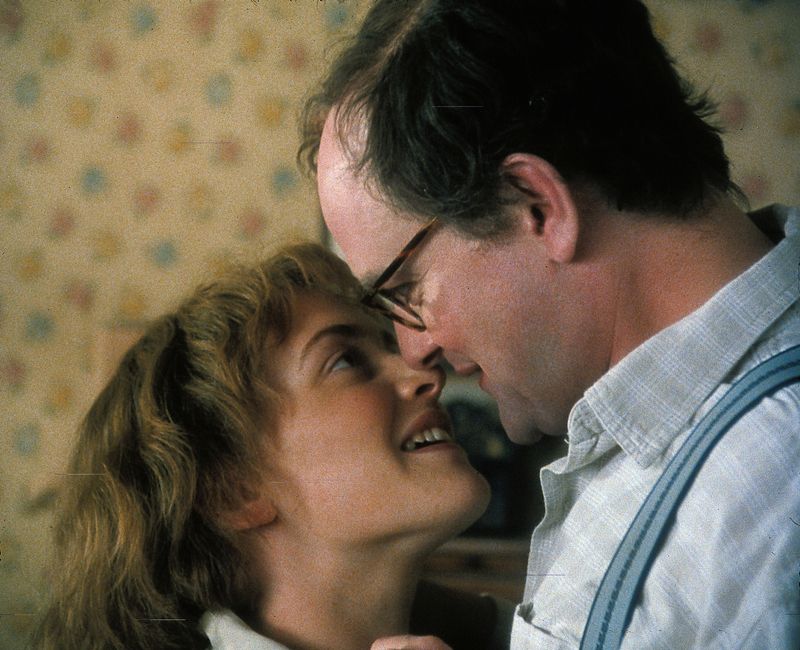
Jim Broadbent won Best Supporting Actor for playing the devoted husband of novelist Iris Murdoch as she succumbs to Alzheimer’s disease.
The film alternates between their youthful romance and the heartbreaking reality of her cognitive decline in later years.
While respectful and well-acted, the movie follows a predictable trajectory that makes it feel like countless other disease-of-the-week dramas.
Audiences who aren’t already familiar with Murdoch’s work find little reason to invest emotionally.
The film’s structure, jumping between timelines, creates confusion rather than depth.
It’s been completely overshadowed by other Alzheimer’s films like Still Alice, which tackled similar themes with greater emotional resonance and accessibility.
10. The Danish Girl (2015)
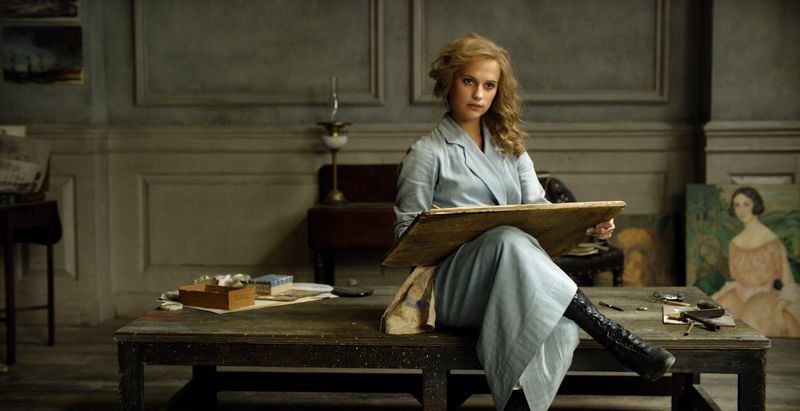
Alicia Vikander won Best Supporting Actress for her role as the wife of Lili Elbe, one of the first known recipients of gender confirmation surgery.
The film attempted to tell an important historical story about transgender identity during the 1920s.
Critics and transgender advocates alike criticized the film for focusing more on the cisgender wife’s perspective than on Lili’s actual experience.
Eddie Redmayne’s casting as a transgender woman also sparked controversy about representation.
The film’s glossy, romanticized approach to a difficult subject feels superficial and exploitative.
Better transgender stories told by transgender filmmakers have emerged, making this feel like a well-intentioned but ultimately misguided effort.
11. The Eyes of Tammy Faye (2021)
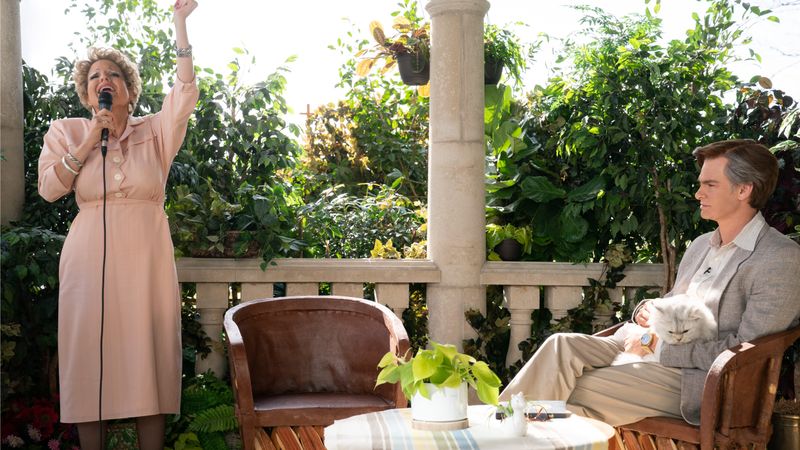
Jessica Chastain transformed herself with extensive makeup and prosthetics to portray televangelist Tammy Faye Bakker, earning Best Actress for her commitment.
The film chronicles Bakker’s rise and fall alongside her husband Jim in the world of Christian broadcasting.
Despite Chastain’s dedication, the movie struggles to find a consistent tone between camp and genuine sympathy.
Younger audiences unfamiliar with the Bakkers find little to connect with, while those who remember the scandal don’t need a sympathetic retelling.
The film’s attempt to rehabilitate Tammy Faye’s image feels forced and unconvincing.
Within months of its release, it had already faded from conversation, remembered only as another example of Oscar-bait makeup transformations.
12. The Blind Side (2009)
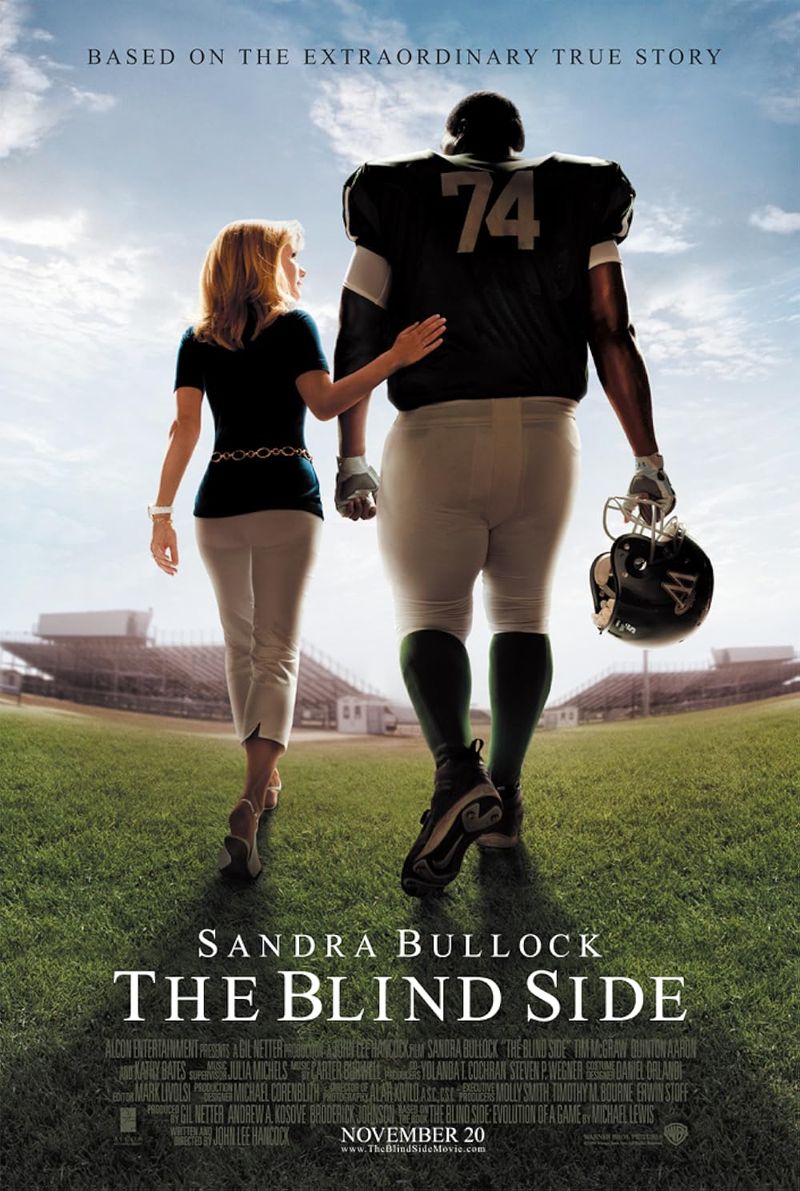
Sandra Bullock won Best Actress for playing Leigh Anne Tuohy, a wealthy white woman who takes in a homeless Black teenager who becomes an NFL star.
The film was a massive commercial success and seemed destined to become a feel-good classic.
However, its white savior narrative has been heavily criticized for centering the white family’s perspective over Michael Oher’s actual experience.
The real Oher has since expressed frustration with how the film portrayed him as helpless.
Recent legal disputes between Oher and the Tuohy family have further tarnished the film’s reputation.
What once seemed like an inspiring true story now feels like a problematic oversimplification that reinforces harmful stereotypes about race and charity.
Comments
Loading…