
 Chloe Peterson
20 Once-Famous Actors From the 1960s You Rarely Hear About Today
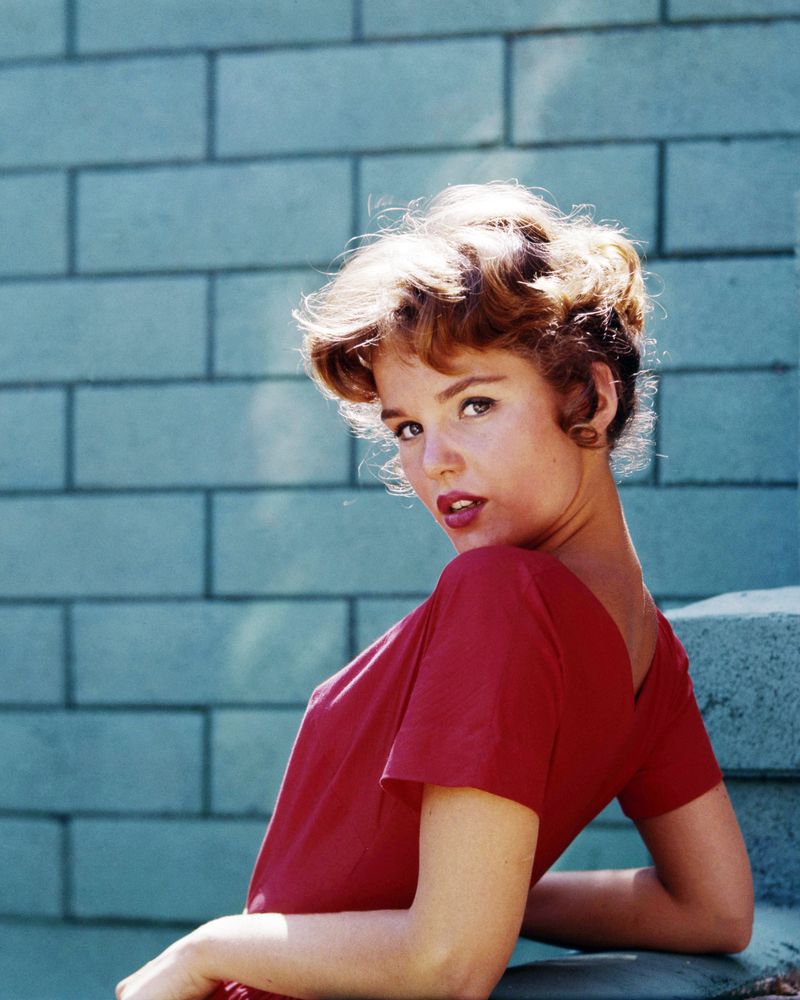
Hollywood in the 1960s sparkled with talented actors who commanded the screen and won millions of hearts.
Many of these stars seemed destined for lasting fame, appearing in hit movies and television shows that defined the era.
Yet as decades passed, some names that once lit up marquees have quietly faded from public memory, their contributions overlooked by newer generations who never witnessed their original impact.
1. Sal Mineo
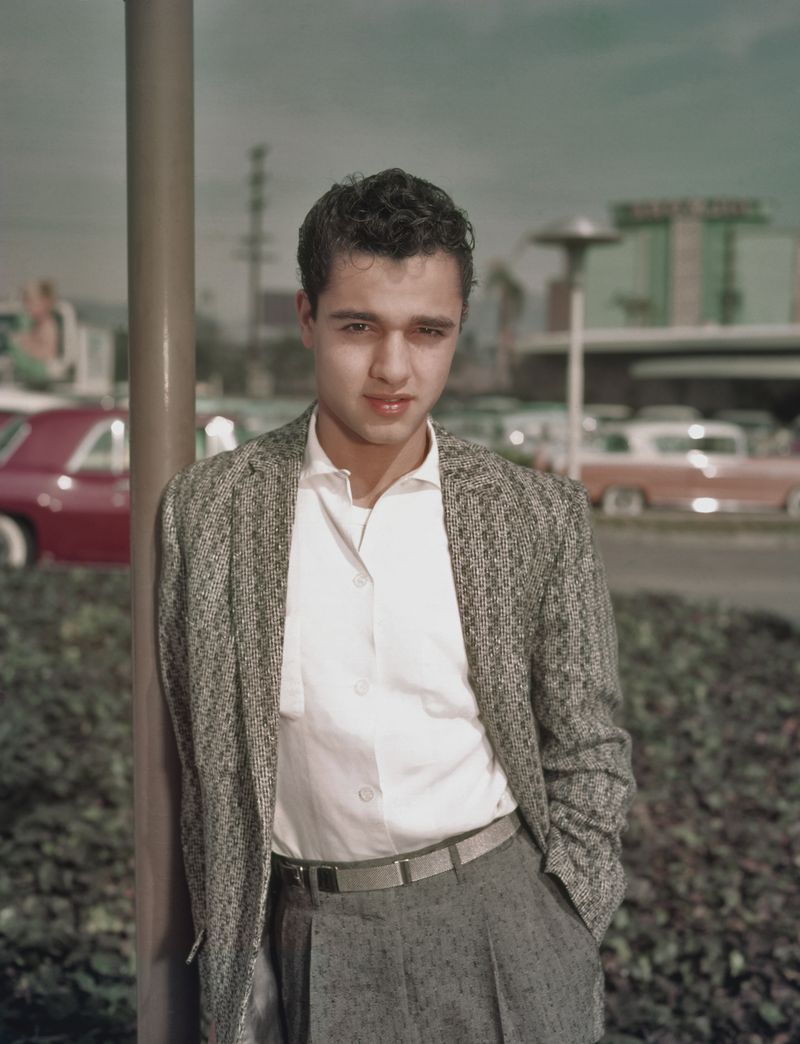
Academy Award nominations don’t guarantee lasting fame, as Sal Mineo’s story tragically proves.
His electrifying performance in “Rebel Without a Cause” alongside James Dean earned him critical acclaim and made him a teen idol overnight.
Mineo’s talent extended beyond rebel roles, showcasing depth in dramatic performances throughout the 1960s.
He bravely tackled controversial subjects and worked to expand his range as an artist.
His career showed tremendous promise as he transitioned into directing and producing.
Tragedy struck in 1976 when Mineo was murdered outside his Los Angeles apartment at just 37 years old.
This shocking end cut short what could have been decades more of memorable performances, leaving behind a legacy that deserves greater recognition today.
2. Sue Lyon
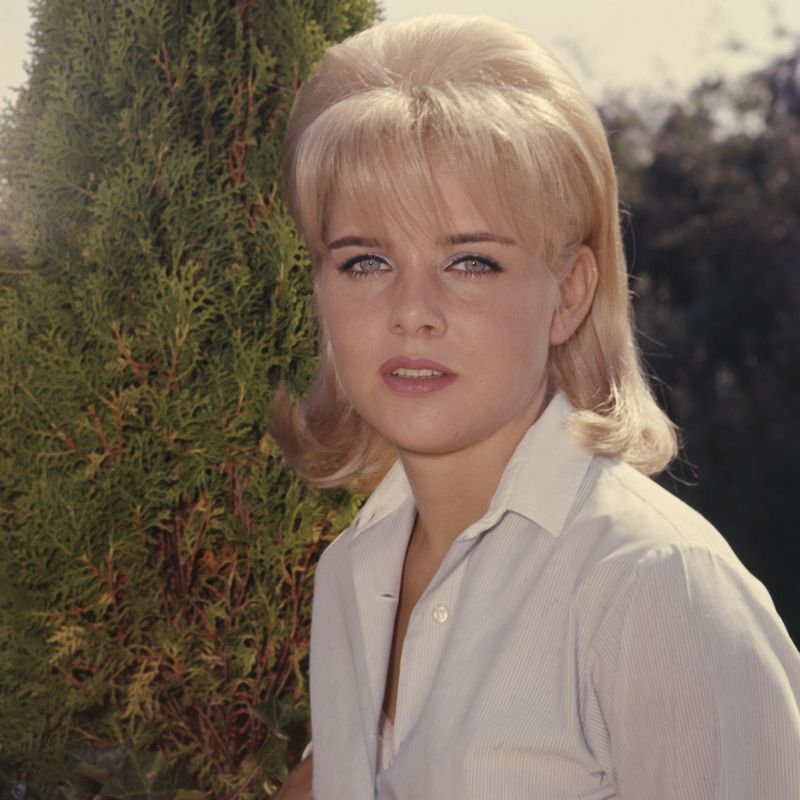
Landing the lead role in Stanley Kubrick’s “Lolita” at age 14 catapulted Sue Lyon into instant stardom.
The controversial 1962 film made her a household name, earning her a Golden Globe for Most Promising Newcomer.
Hollywood seemed ready to embrace this fresh-faced talent.
Unfortunately, Lyon struggled to escape the shadow of her breakthrough role.
Casting directors couldn’t see past her “Lolita” image, offering limited opportunities for growth.
She appeared in several films throughout the 1960s and early 1970s, but none matched her debut’s impact.
Lyon eventually stepped away from acting, living quietly until her death in 2019.
Her story reminds us how one defining role can both launch and limit a career simultaneously.
3. George Maharis
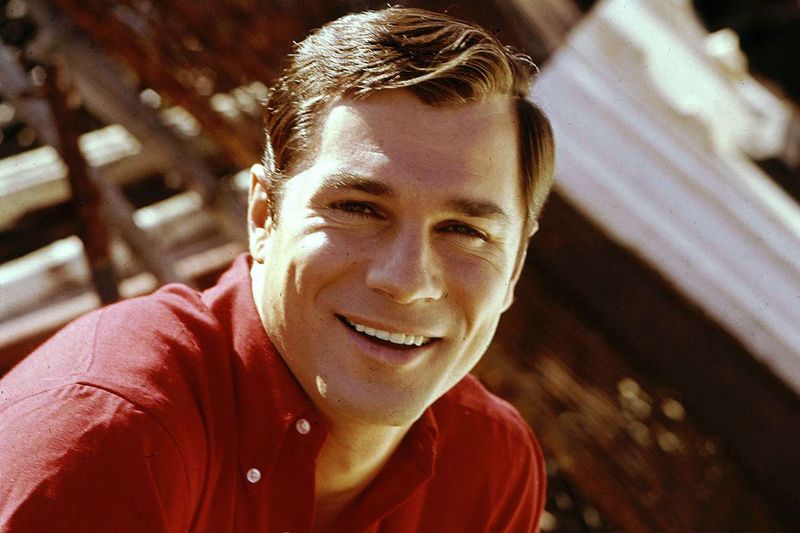
Cruising down America’s highways in “Route 66” made George Maharis a television sensation between 1960 and 1962.
His portrayal of Buz Murdock captured viewers’ imaginations, representing freedom and adventure during an optimistic era.
Fan mail poured in by the thousands.
Health problems forced Maharis to leave the popular series prematurely, derailing his momentum at the worst possible time.
He attempted comebacks through other television roles and recording albums, showcasing his singing talents.
Despite these efforts, he never recaptured the magic that made him a star.
Maharis continued working sporadically through the 1990s in smaller roles.
His early departure from “Route 66” remains one of television’s great “what if” stories.
4. George Peppard
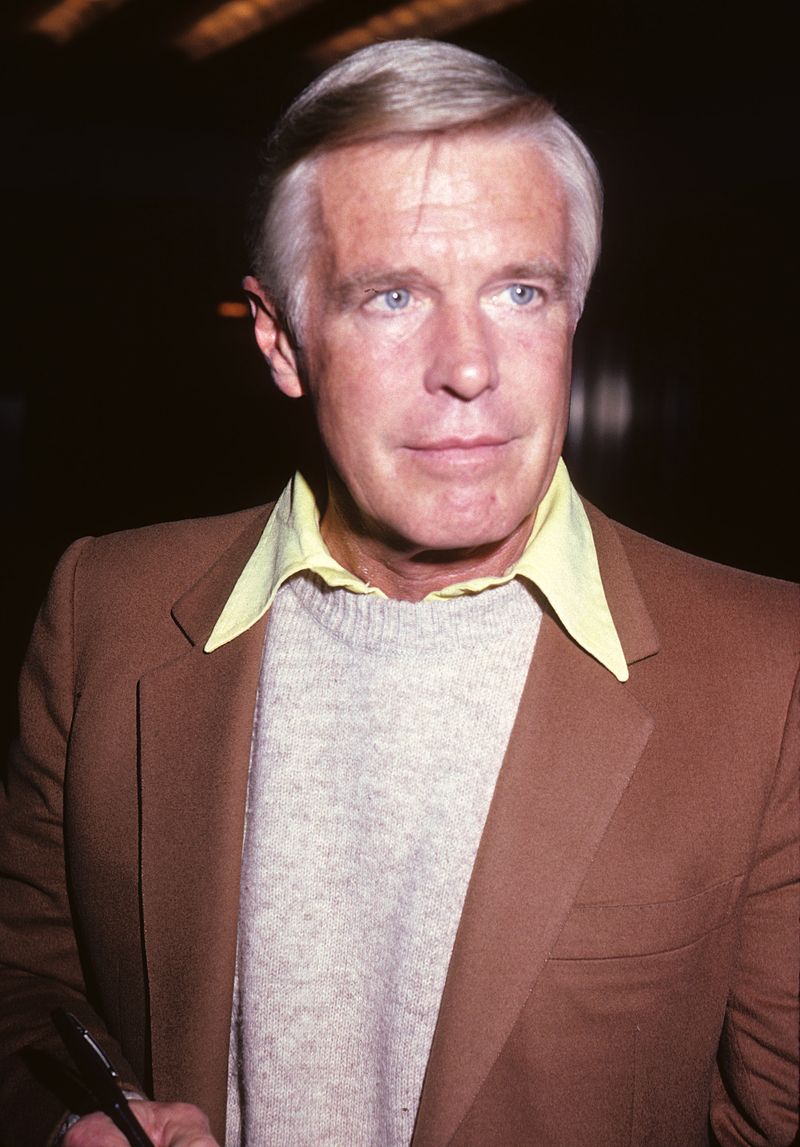
Starring opposite Audrey Hepburn in “Breakfast at Tiffany’s” should have guaranteed George Peppard permanent A-list status.
His charming performance as Paul Varjak showcased his leading man potential perfectly.
Major studios took notice, offering him prestigious projects throughout the decade.
Peppard’s film career gradually cooled despite his undeniable screen presence and acting chops.
He found renewed success later with “The A-Team” television series in the 1980s, playing the cigar-chomping Hannibal Smith.
This second career phase overshadowed his earlier film work for many viewers.
Today’s audiences often remember him as a TV action star rather than a romantic lead from Hollywood’s golden era.
His versatility deserves recognition beyond just one iconic role.
5. Jean Seberg
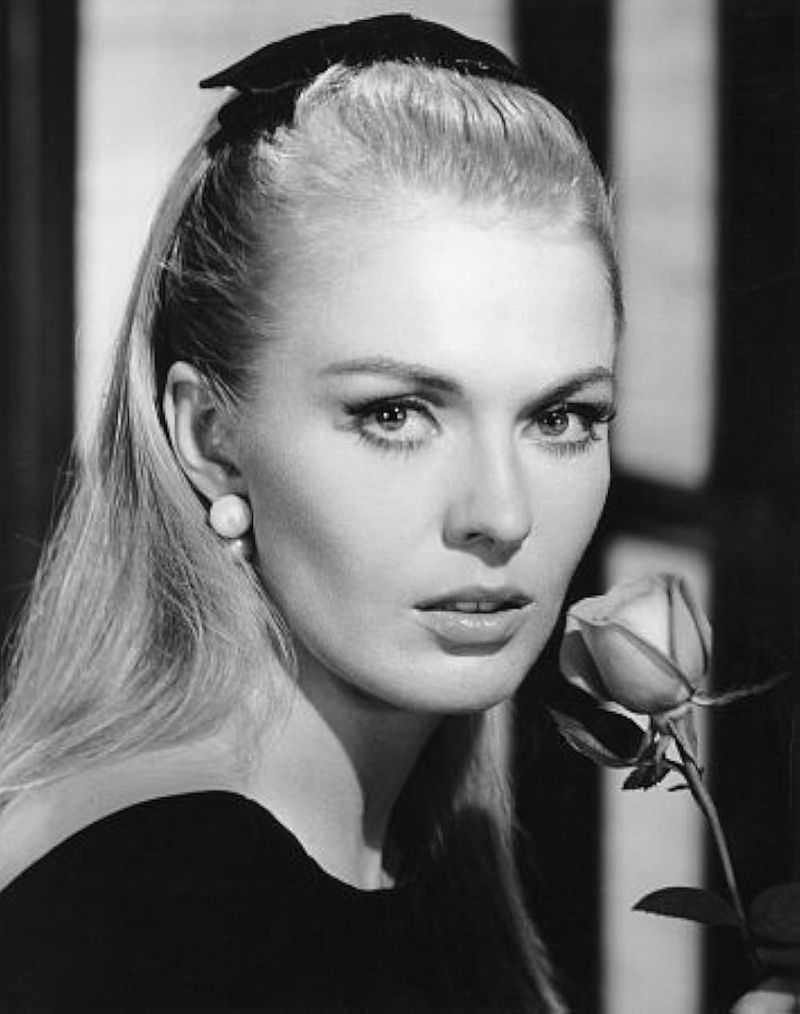
With her iconic pixie haircut and effortless style, Jean Seberg became the face of French New Wave cinema.
Her performance in Jean-Luc Godard’s “Breathless” (1960) revolutionized film acting, introducing a naturalistic approach that influenced generations.
European audiences adored her sophistication and screen presence.
Seberg’s personal life grew increasingly troubled as political activism drew unwanted government attention.
The FBI’s harassment campaign against her, part of their COINTELPRO operations, devastated her mental health.
She struggled with depression and paranoia, finding little peace despite her artistic achievements.
Her tragic death in 1979 at age 40 shocked the film community worldwide.
Seberg’s contributions to cinema deserve celebration beyond the tragic circumstances that ended her life.
6. Hayley Mills
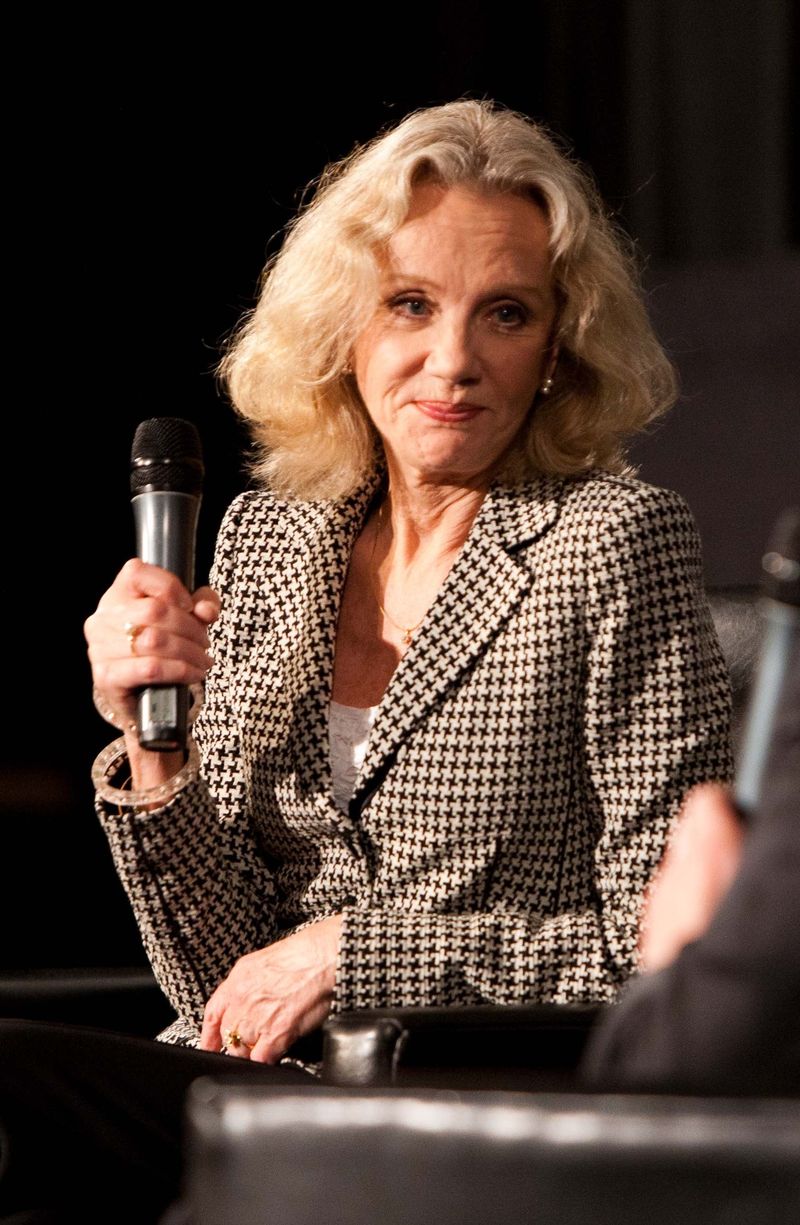
Disney’s golden girl enchanted audiences worldwide with her dual role in “The Parent Trap” and other family classics.
Hayley Mills won a special Academy Juvenile Award, becoming Britain’s most beloved young actress.
Her natural charm and talent seemed limitless during the early 1960s.
Transitioning from child star to adult actress proved challenging despite her best efforts.
Mills deliberately chose edgier roles to shed her innocent image, but audiences preferred remembering her as the wholesome Disney darling.
The British film industry offered opportunities, though none matched her childhood stardom.
She continued acting throughout her life in theater and occasional film roles.
Mills’ early work remains treasured by those who grew up watching her sunny performances on screen.
7. John Saxon
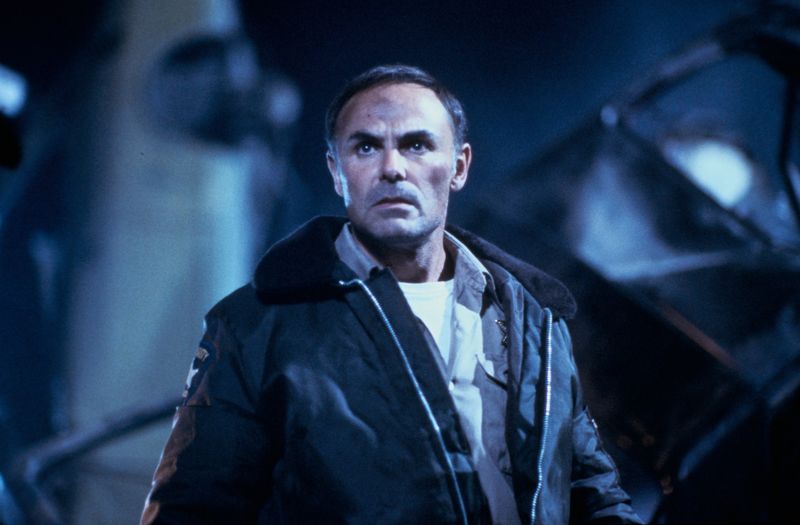
Martial arts legend Bruce Lee handpicked John Saxon as his co-star for “Enter the Dragon,” recognizing his screen presence and professionalism.
Saxon’s prolific career spanned decades, appearing in over 200 films and television shows.
His versatility allowed him to move seamlessly between genres, from westerns to horror to action.
Despite this impressive body of work, Saxon never achieved household name status like some contemporaries.
He became a reliable character actor, always delivering solid performances without demanding top billing.
Horror fans particularly remember him from the “Nightmare on Elm Street” franchise.
Saxon worked consistently until shortly before his death in 2020 at age 83.
His dedication to his craft and professionalism earned respect throughout Hollywood’s creative community.
8. Troy Donahue
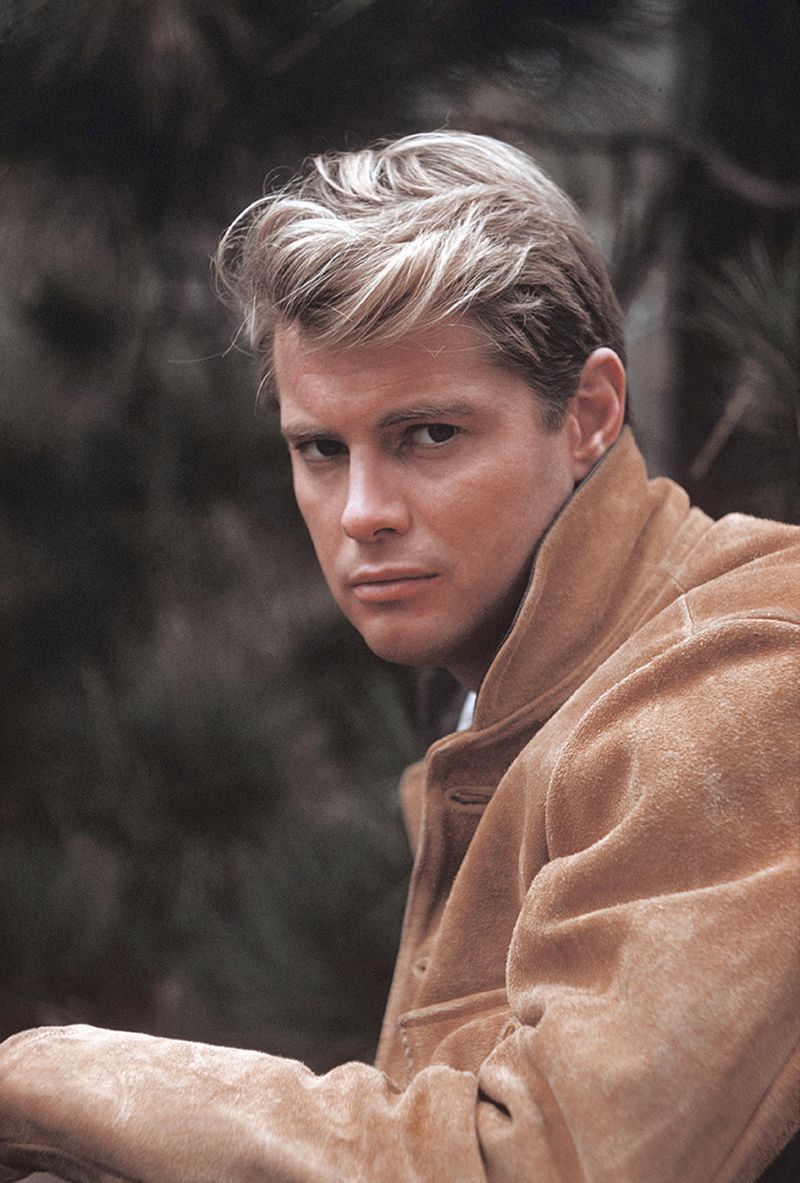
Blonde hair, blue eyes, and a chiseled jaw made Troy Donahue the definition of a teen idol.
Warner Brothers groomed him for stardom, featuring him in romantic dramas like “A Summer Place” that sent young hearts racing.
Magazine covers featured his face regularly during the early 1960s.
Donahue’s appeal faded as he aged and tastes changed toward grittier, more realistic leading men.
Substance abuse problems compounded his career difficulties, leading to years of struggle and obscurity.
He worked odd jobs to survive during his lowest points.
A comeback attempt in the 1980s brought small roles but never restored his former glory.
Donahue’s story exemplifies how quickly Hollywood fame can vanish when youth and trends shift direction.
9. Sandra Dee
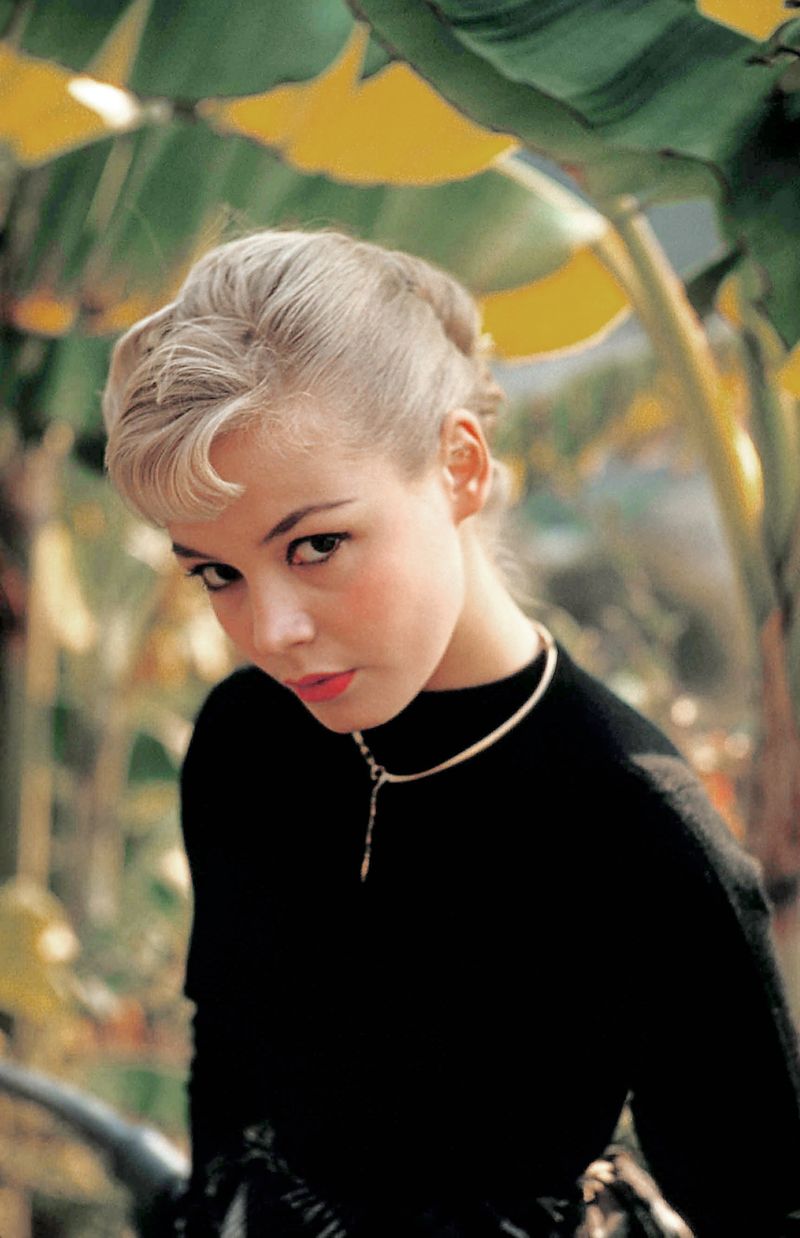
America’s sweetheart persona defined Sandra Dee’s image throughout her peak years in film.
Her roles in “Gidget” and “A Summer Place” established her as the perfect girl-next-door, innocent yet appealing.
Young women emulated her style while young men dreamed of dating someone like her.
Personal struggles with anorexia and anxiety plagued Dee behind her sunny public image.
Her marriage to singer Bobby Darin brought publicity but eventually ended in divorce.
As the 1970s arrived, Hollywood moved away from wholesome images toward more complex, edgy female characters.
Dee largely retired from acting in the 1970s, making only occasional appearances afterward.
She passed away in 2005, leaving behind memories of a simpler Hollywood era.
10. Robert Walker Jr.
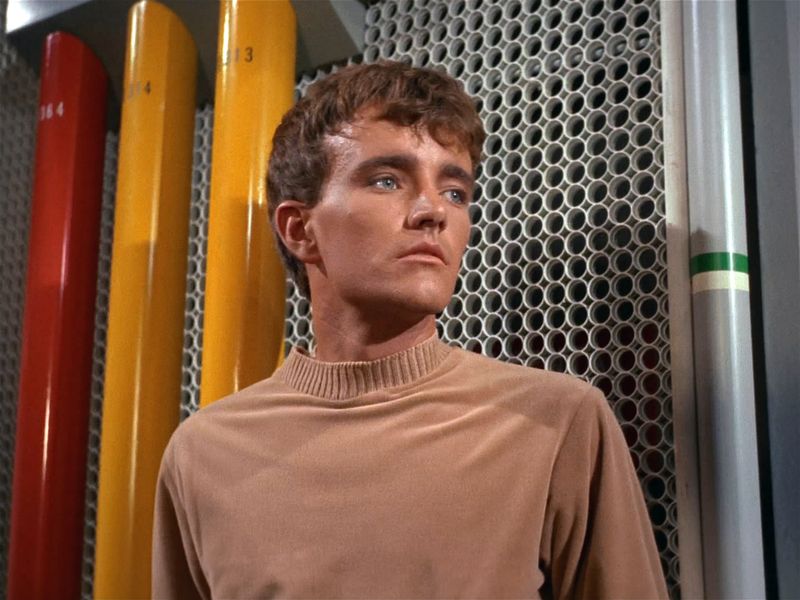
Following in his famous father’s footsteps, Robert Walker Jr. carved his own path through Hollywood.
His memorable appearance in the “Star Trek” episode “Charlie X” showcased his ability to portray vulnerability and intensity.
The son of actors Robert Walker and Jennifer Jones inherited considerable talent from both parents.
Walker worked steadily throughout the 1960s and beyond in television and film roles.
However, he never achieved the breakthrough that would make him a major star.
He seemed content with character work, avoiding the spotlight that consumed his father.
His career quieted considerably in later decades, though he never fully retired from acting.
Walker passed away in 2019, remembered fondly by science fiction fans and classic television enthusiasts.
11. Pamela Tiffin
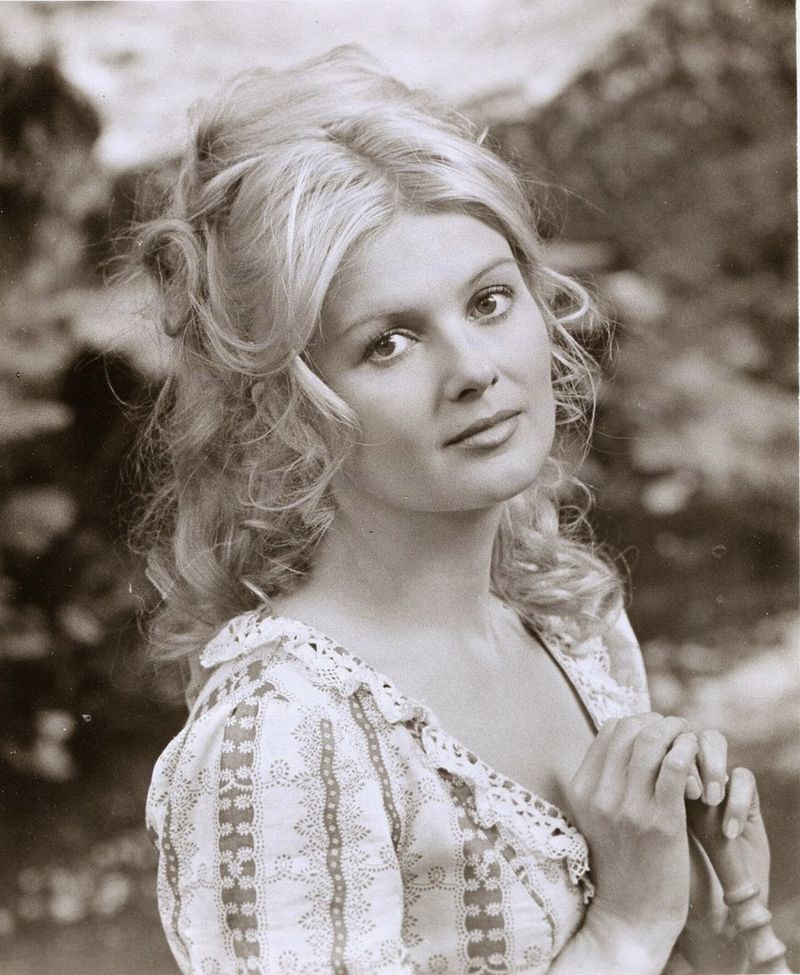
Glamour personified, Pamela Tiffin graced screens with elegance and beauty that captivated international audiences.
Her performances in films like “One, Two, Three” with James Cagney demonstrated comedic timing beyond just pretty looks.
Hollywood seemed poised to make her a major star throughout the decade.
Tiffin made a bold choice by relocating to Italy, where she continued acting in European productions.
The slower pace and different lifestyle appealed more than Hollywood’s relentless pressure and publicity demands.
She married Italian magazine publisher Edmondo Danon, settling into a quieter existence.
Her decision to prioritize personal happiness over career ambition remains admirable and rare for that era.
Tiffin passed away in 2020, having lived life on her own terms away from Hollywood’s spotlight.
12. James MacArthur
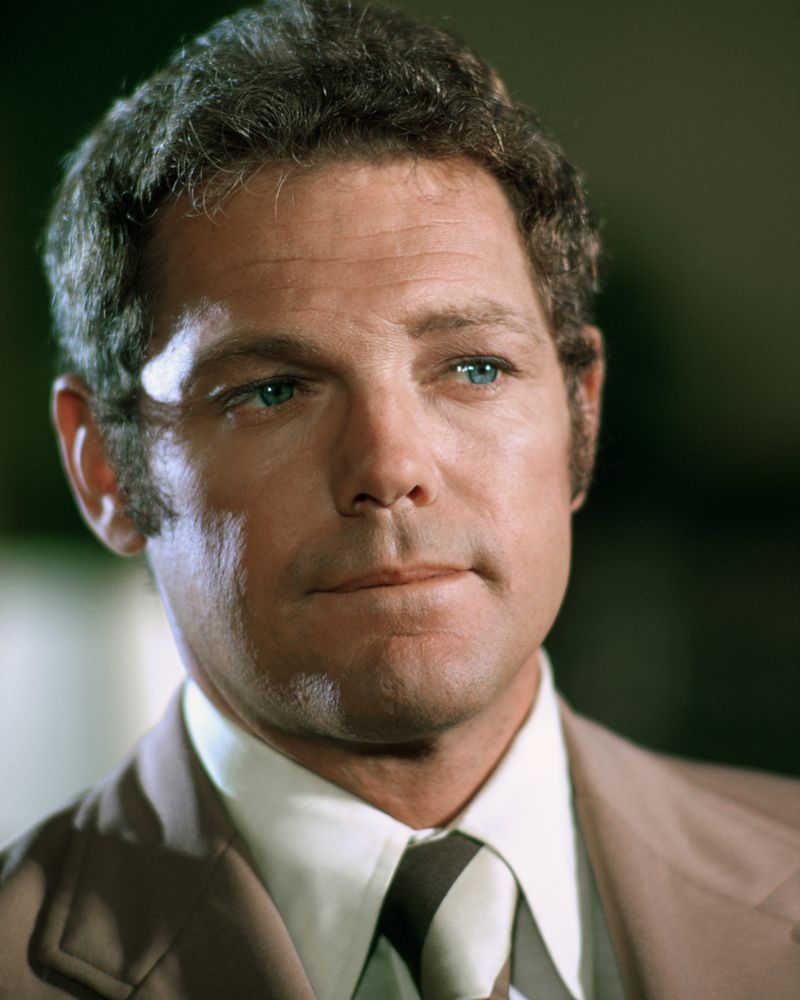
“Book ’em, Danno!” became one of television’s most famous catchphrases thanks to James MacArthur’s role on “Hawaii Five-O.” The son of legendary actress Helen Hayes, MacArthur enjoyed success in both film and television during the 1960s.
His good looks and solid acting skills made him perfect for heroic roles.
MacArthur left “Hawaii Five-O” in 1979 after eleven seasons, ready to explore other opportunities.
Unfortunately, he found himself typecast, with audiences unable to see him as anyone but Detective Danny Williams.
His subsequent career consisted of occasional guest appearances and television movies.
He largely retired from acting in the 1990s, enjoying a quiet life until his death in 2010.
MacArthur’s decade-plus run on one of television’s most iconic shows deserves greater recognition today.
13. George Lazenby
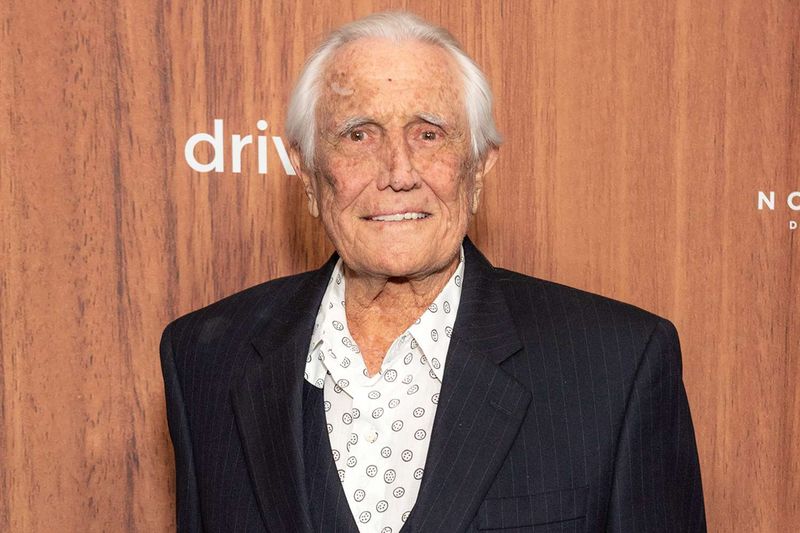
Playing James Bond once should guarantee lifetime recognition, yet George Lazenby remains cinema’s most forgotten 007.
The Australian model landed the coveted role for “On Her Majesty’s Secret Service” (1969) after Sean Connery’s departure.
His athletic performance and emotional depth surprised critics who expected disaster.
Lazenby made the controversial decision to walk away from a seven-film contract, believing the Bond franchise was ending.
His agent’s advice proved catastrophically wrong as the series continued for decades.
His subsequent acting career consisted mainly of low-budget films and television guest spots.
Recent years have brought critical reevaluation, with many now considering his Bond film underrated and excellent.
Lazenby’s one-and-done status makes him a fascinating footnote in the franchise’s history.
14. Yvette Mimieux
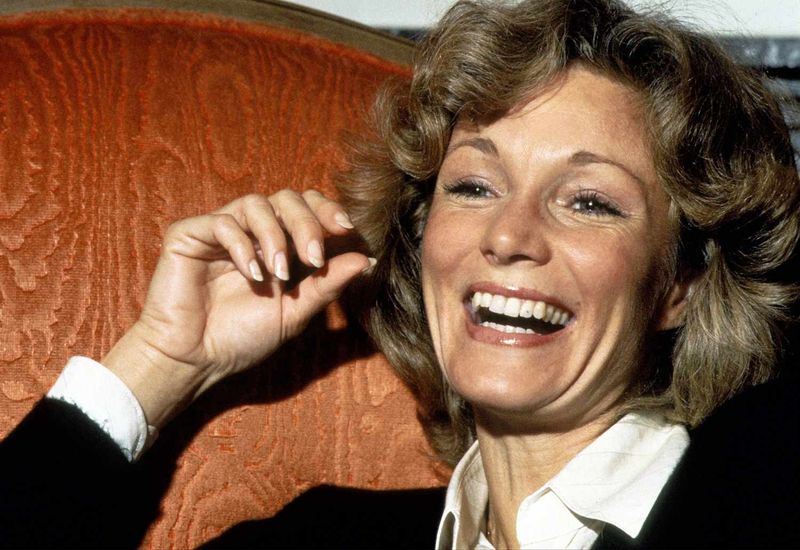
Ethereal beauty and intelligence combined perfectly in Yvette Mimieux, who stood out in “The Time Machine” (1960) and “Where the Boys Are.”
Her delicate features and thoughtful performances suggested depth beyond typical starlet roles.
Directors appreciated her professionalism and willingness to tackle challenging material.
Mimieux grew frustrated with Hollywood’s limited roles for women, particularly attractive blonde actresses typecast in decorative parts.
She turned to writing and producing, creating her own opportunities rather than waiting for better scripts.
Her business acumen matched her artistic talents.
She eventually retired from acting entirely, pursuing anthropology and real estate investments successfully.
Mimieux passed away in 2022, having lived a full life that extended far beyond her screen work.
15. Ty Hardin
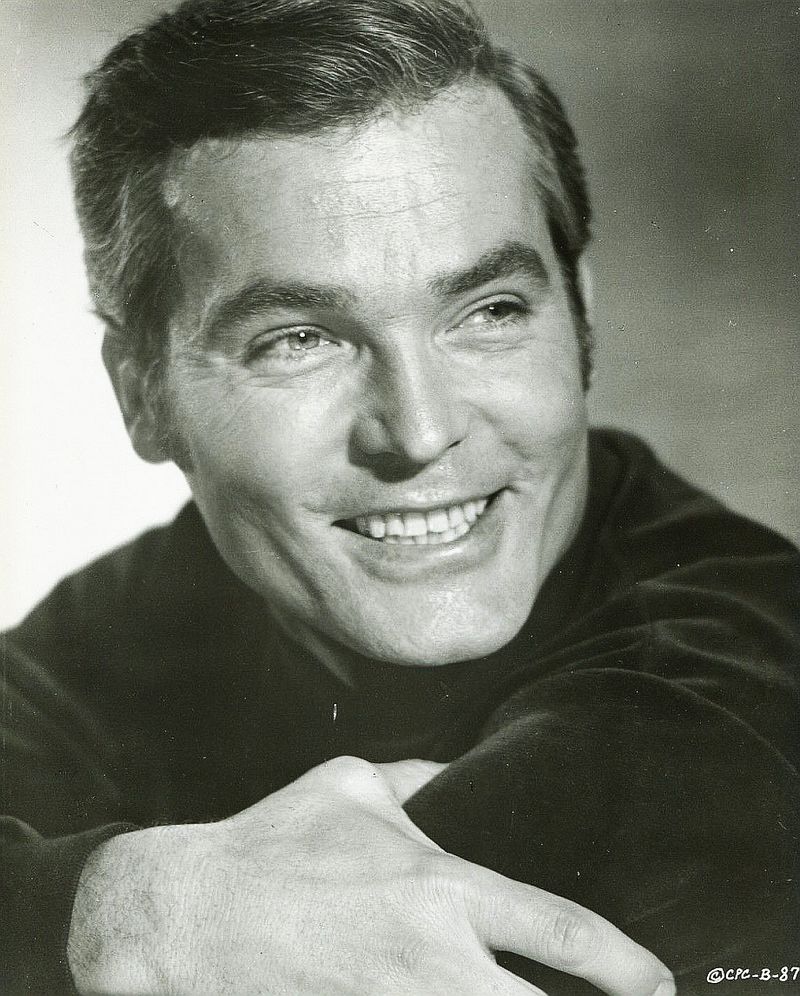
Riding tall in the saddle as Bronco Layne made Ty Hardin a television western star.
His show “Bronco” competed successfully in a crowded field of cowboy series during the late 1950s and early 1960s.
Hardin’s athletic build and natural horsemanship made him believable in action sequences.
As westerns fell out of fashion, Hardin found work in European productions, particularly Spanish and Italian films.
These roles paid well but lacked the prestige of American productions.
His later life took unexpected turns, including involvement in survivalist movements and multiple marriages.
Hardin passed away in 2017, largely forgotten except by western television enthusiasts.
His career trajectory mirrored the genre’s own rise and fall during television’s golden age.
16. Tuesday Weld
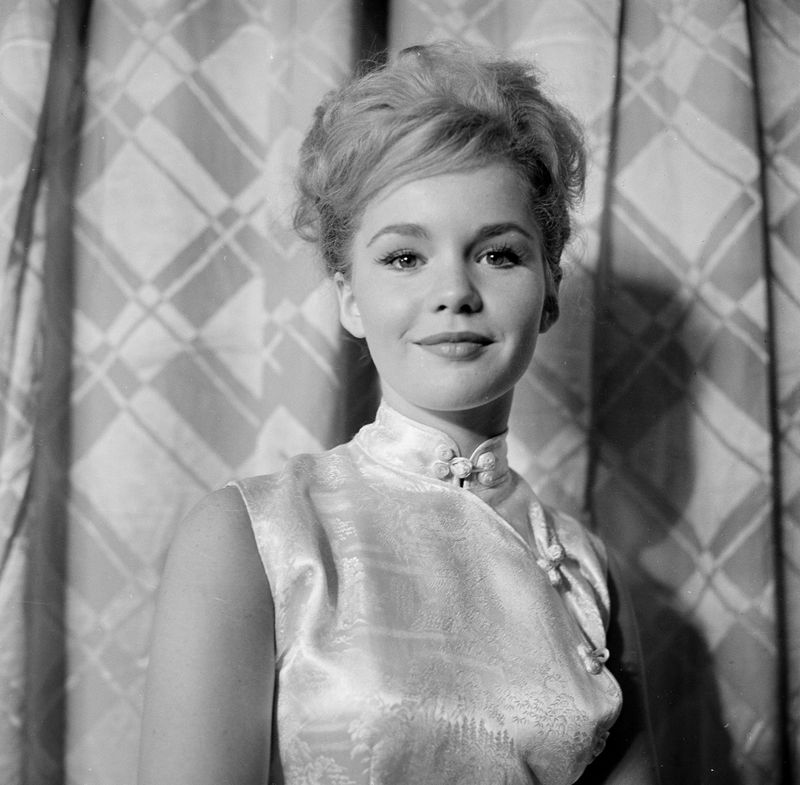
Talent and beauty blessed Tuesday Weld, yet she deliberately avoided superstardom’s trappings.
Her performances in “Lord Love a Duck” and later “Looking for Mr. Goodbar” earned critical praise for their complexity and fearlessness.
Directors loved working with her unpredictable, naturalistic approach to characters.
Weld famously turned down major roles, including “Bonnie and Clyde” and “Lolita,” preferring projects that interested her artistically.
She valued privacy and personal freedom over fame and fortune.
This unconventional attitude baffled Hollywood executives accustomed to ambitious actors.
Her selective career approach means fewer people remember her significant contributions to 1960s cinema.
Weld’s choices reflected an artist committed to craft over celebrity, a rarity in any era of filmmaking.
17. Fabian Forte
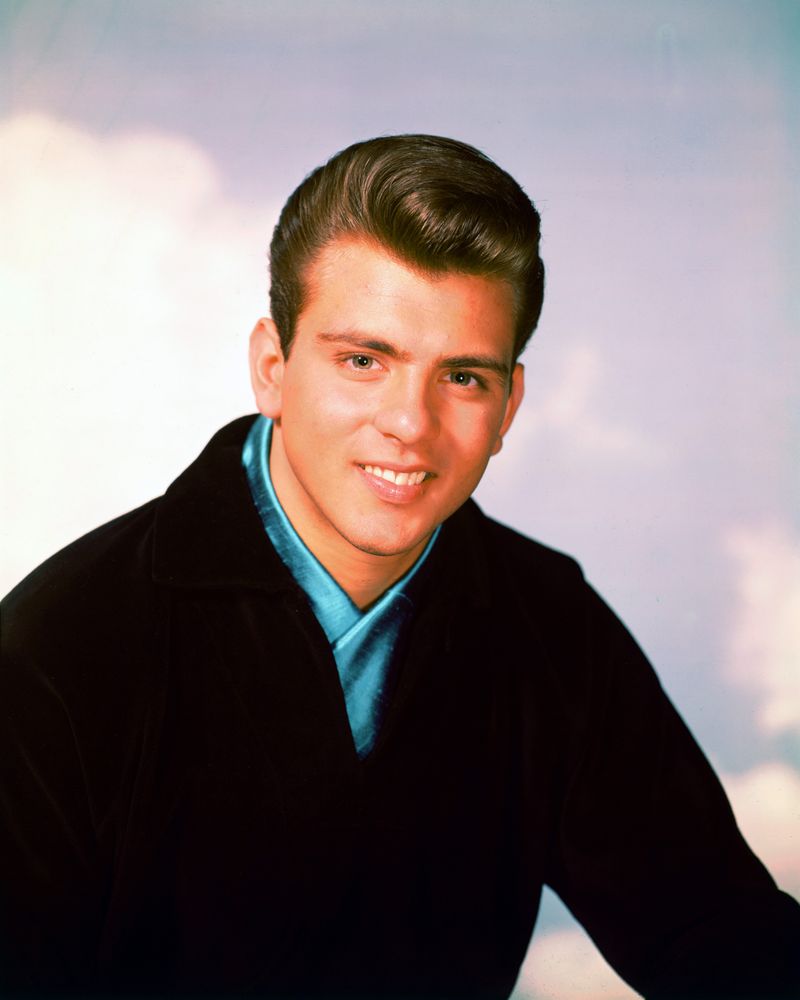
Manufactured stardom defined Fabian’s rise as a teen idol in the late 1950s and early 1960s.
Record executives spotted his looks and created a singing career, despite limited vocal abilities.
His face sold millions of records to screaming teenage fans who covered their bedroom walls with his posters.
Fabian transitioned into acting, appearing in films like “North to Alaska” with John Wayne.
He showed more natural ability as an actor than as a singer.
However, his teen idol image proved difficult to escape as he matured.
He continued performing in oldies tours and occasional acting roles throughout his life.
Fabian’s story illustrates how marketing could create stars in the pre-internet entertainment industry, even without exceptional talent backing the pretty packaging.
18. Connie Stevens
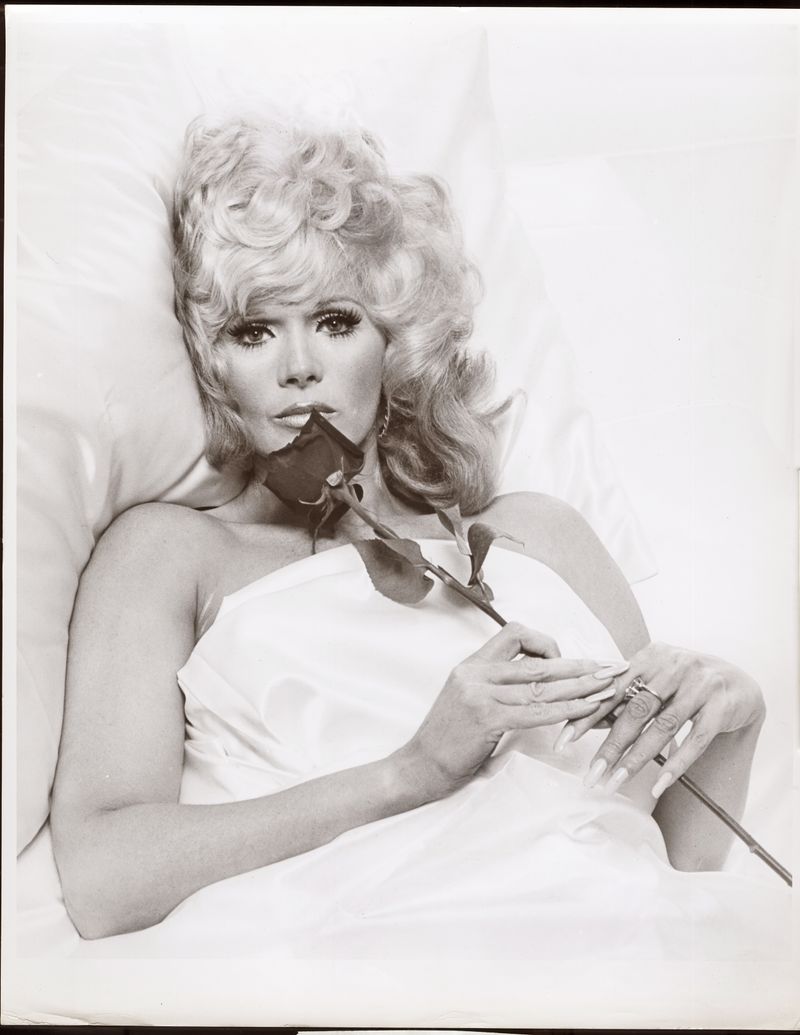
Perky charm and a lovely singing voice made Connie Stevens a multi-threat entertainer throughout the 1960s.
Her role on “Hawaiian Eye” brought weekly television exposure while recording contracts kept her music career thriving.
Stevens seemed to embody the era’s optimistic, wholesome entertainment values perfectly.
She continued working steadily in nightclub performances and television appearances throughout subsequent decades.
Stevens also demonstrated business savvy, developing a successful cosmetics line.
Her personal life, including marriages to Eddie Fisher and James Stacy, generated tabloid attention.
Today’s audiences might recognize her as Joely Fisher’s mother more than for her own accomplishments.
Stevens remains active, though her peak fame belongs firmly to the 1960s era when variety shows and musical films dominated entertainment.
19. Vince Edwards
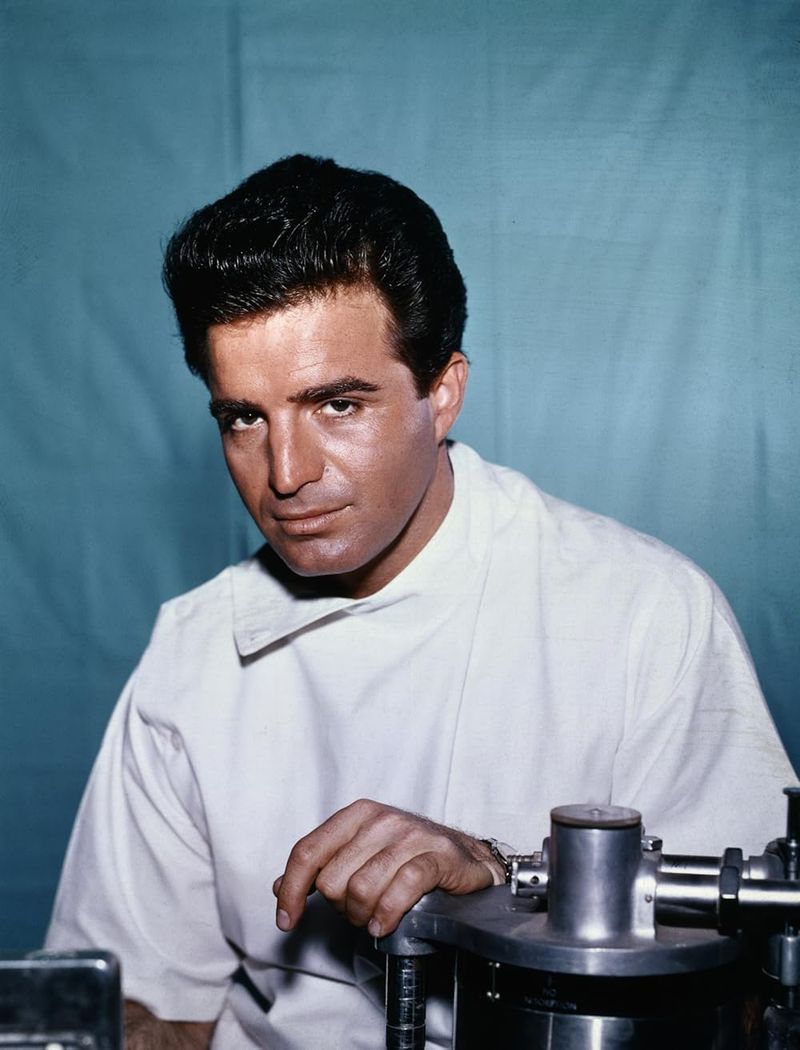
Intense and brooding, Vince Edwards revolutionized medical dramas with “Ben Casey.”
His portrayal of the neurosurgeon showed doctors as flawed, passionate humans rather than infallible saints.
The show’s success from 1961 to 1966 made Edwards a household name and sex symbol.
Edwards struggled with typecasting after “Ben Casey” ended, finding audiences expected him to play similar authoritative medical professionals.
He worked consistently in television guest spots and television movies but never found another signature role.
His intensity, which served him perfectly as Ben Casey, limited his range for lighter material.
He continued acting until shortly before his death in 1996 from pancreatic cancer.
Edwards’ contribution to television drama influenced countless medical shows that followed, establishing tropes still used today.
20. Diane Baker
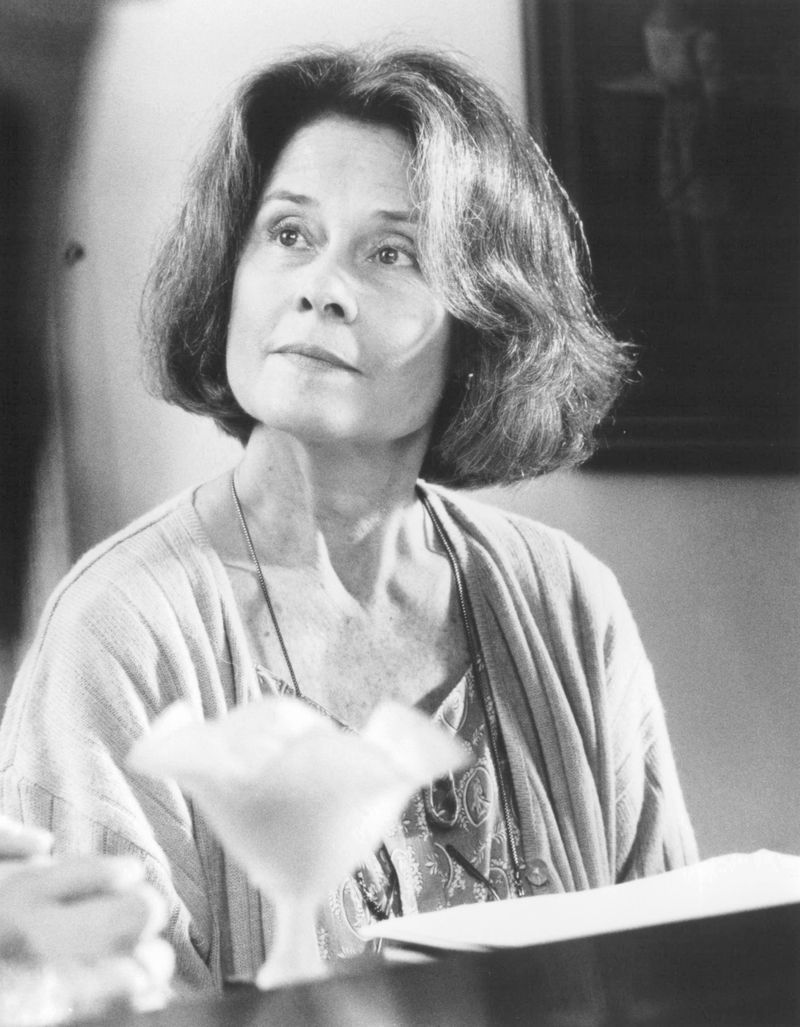
Hitchcock trusted Diane Baker enough to cast her in “Marnie” opposite Tippi Hedren and Sean Connery.
Her elegant presence and strong acting skills landed her roles in major productions throughout the 1960s.
Baker brought intelligence and depth to every character, refusing to be just another pretty face.
She transitioned successfully into character roles as she aged, appearing in films like “The Silence of the Lambs” decades later.
Baker also moved behind the camera, producing television movies and mentoring younger actors.
Her career longevity came from adapting rather than clinging to leading lady status.
Baker’s smart career choices kept her working continuously, though without the fame of some contemporaries.
Her professionalism and talent earned lasting respect throughout the entertainment industry across multiple generations.
Comments
Loading…