
 Jade Reed
10 Actors Fans Say Didn’t Fit Their Roles at All
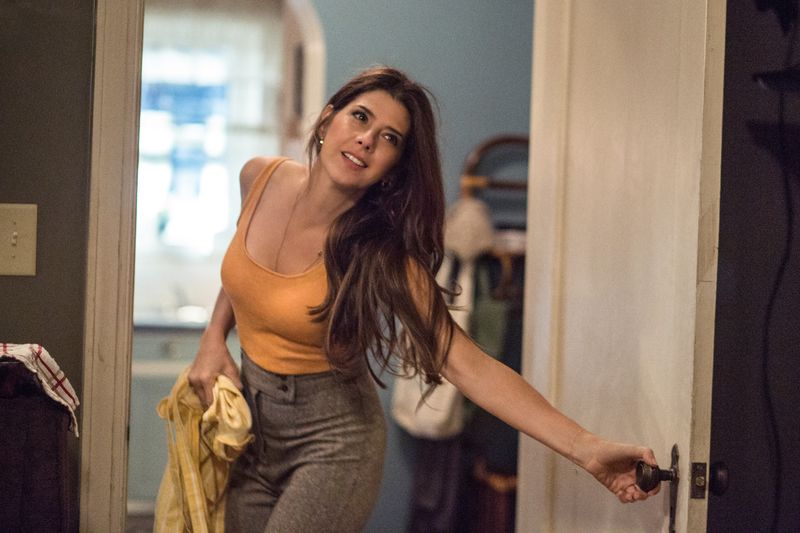
Casting the right actor can make or break a movie or TV show.
Sometimes studios pick someone who looks perfect on paper, but fans immediately notice something feels off when they see them onscreen.
Whether it’s the wrong age, personality, or physical appearance, these casting choices left audiences scratching their heads and wishing for a different performer in the role.
1. Mickey Rourke as Whiplash in Iron Man 2
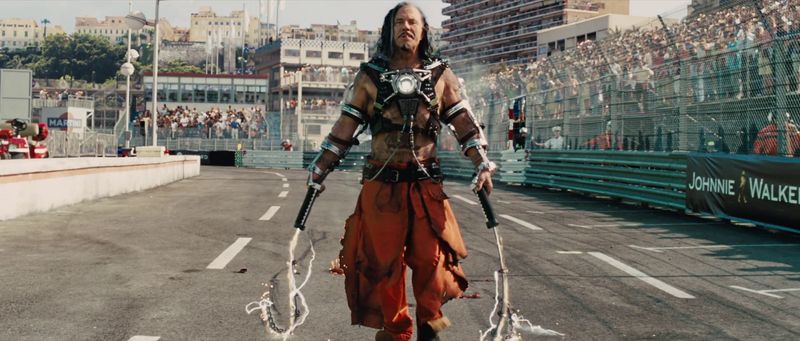
Fans expected a terrifying villain when Whiplash appeared in Iron Man 2, but many felt Rourke’s performance missed the mark.
His portrayal came across as oddly subdued rather than genuinely menacing, making the character feel less threatening than intended.
The mumbling delivery and strange accent choices didn’t help matters either.
Rourke brought his signature intensity to the role, yet something felt disconnected from what audiences wanted.
Critics pointed out that the character lacked the explosive energy needed to match Tony Stark’s charisma.
Instead of creating memorable villain moments, Whiplash ended up feeling forgettable.
The casting choice puzzled many who thought a different actor might have brought more fire to the performance.
Ultimately, this remains one of Marvel’s more questionable villain portrayals.
2. Marisa Tomei as Aunt May in Spider-Man Homecoming
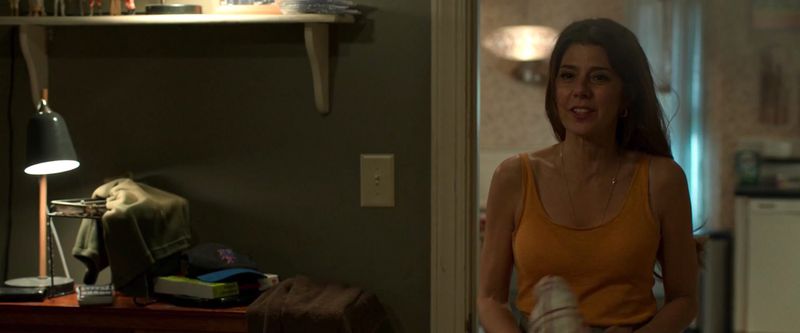
For decades, Aunt May was depicted as an elderly grandmother figure with gray hair and old-fashioned sensibilities.
When Tomei stepped into the role, her youthful beauty completely shattered that traditional image.
Fans immediately questioned why Peter Parker’s guardian looked young enough to be his cool older sister instead.
The actress brought warmth and charm to her scenes, but many viewers couldn’t shake the disconnect.
Comic book purists especially struggled with this radical reimagining of such an iconic character.
Her modern wardrobe and contemporary attitude felt worlds away from the classic version.
Some appreciated the fresh take, while others felt it changed the character’s fundamental nature.
The “hot Aunt May” jokes became a running gag that highlighted how different this version truly was.
3. Jason Momoa as Aquaman in Justice League
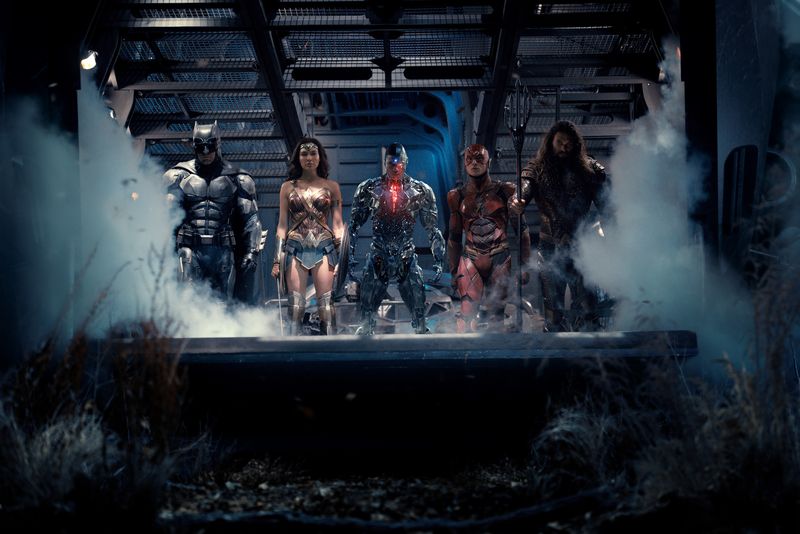
Traditional Aquaman comics showed a clean-cut blonde hero who spoke to fish and ruled Atlantis with dignity.
Momoa’s version transformed him into a tattooed, beer-drinking surfer dude with a rebellious attitude.
This dramatic shift left longtime fans feeling like they were watching a completely different character altogether.
His rugged appearance and tough-guy persona worked for some viewers who enjoyed the edgier interpretation.
However, purists argued that stripping away Aquaman’s regal bearing removed what made him special.
The casting seemed designed to make the character “cooler” rather than faithful.
Despite mixed initial reactions, Momoa’s charisma eventually won over many skeptics.
Still, debates continue about whether this radical redesign respected the source material enough.
4. Tye Sheridan as Cyclops in X-Men Apocalypse
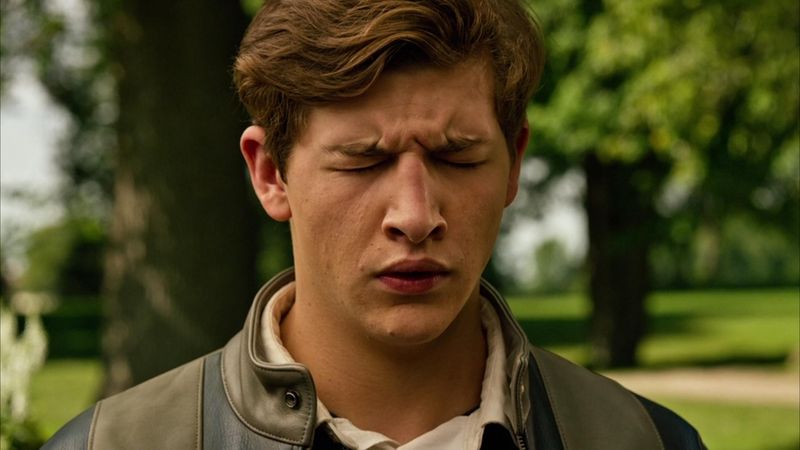
Cyclops should command respect as the confident leader of the X-Men, but Sheridan’s portrayal felt underwhelming to many fans.
His youthful appearance and soft-spoken delivery didn’t capture the character’s trademark authority and tactical brilliance.
Viewers expecting a strong leader got someone who seemed more like a nervous teenager instead.
The actor did his best with the material provided, yet something essential felt missing.
Cyclops needs to radiate natural leadership qualities that make others want to follow him into battle.
Unfortunately, this version lacked that magnetic presence that defines the character.
Comic readers particularly noticed how different this felt from the source material.
The casting choice contributed to Cyclops feeling sidelined in his own story arc.
5. Katherine Heigl as Izzie Stevens in Grey’s Anatomy
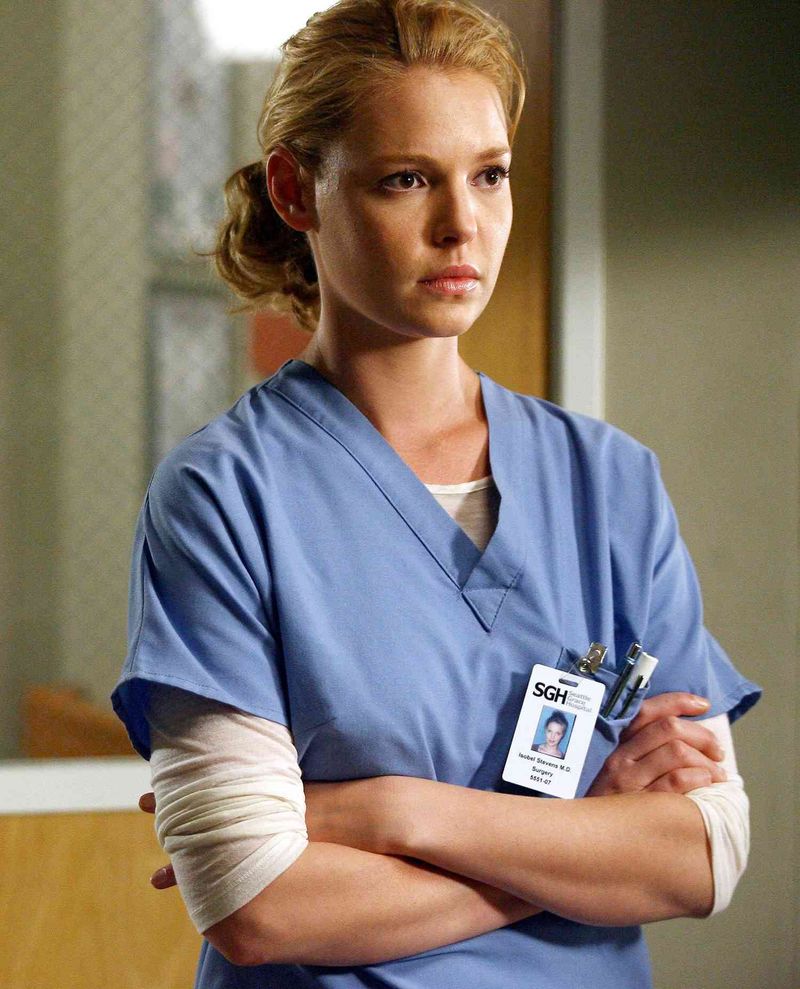
Izzie Stevens required emotional depth and vulnerability that would make viewers connect with her complicated journey.
Many fans felt Heigl’s performance stayed too surface-level, never quite reaching the character’s intended complexity.
Her portrayal sometimes came across as whiny rather than sympathetic during crucial dramatic moments.
The actress brought star power to the role, but chemistry with the material seemed off.
Viewers wanted to root for Izzie but found themselves frustrated by choices that felt inconsistent.
Behind-the-scenes tensions between Heigl and the show’s creators didn’t help audience perception either.
Some appreciated her earlier seasons more than later ones when the disconnect became more obvious.
The character’s potential never fully materialized in ways that satisfied longtime watchers of the medical drama.
6. Jesse Eisenberg as Lex Luthor in Batman v Superman
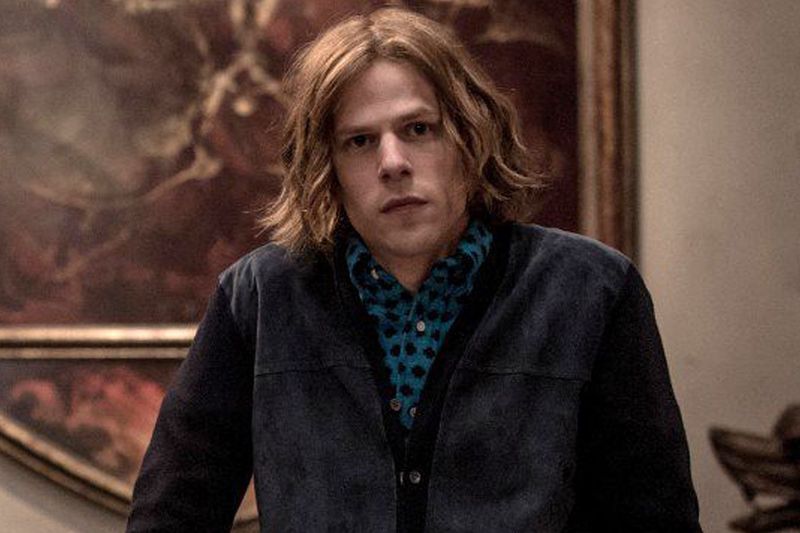
Lex Luthor traditionally embodies calculated intelligence and corporate power wrapped in intimidating confidence.
Eisenberg’s twitchy, neurotic interpretation felt like a completely different villain entirely.
His high-pitched voice and erratic mannerisms suggested instability rather than the cold, methodical genius fans expected from Superman’s greatest enemy.
The performance divided audiences immediately, with some finding it refreshingly unpredictable.
Most viewers, however, wanted the imposing businessman who could challenge heroes through sheer intellect and resources.
This version seemed more like a mad scientist than a credible threat.
Comic book enthusiasts especially struggled with how far the portrayal strayed from established characterization.
The casting remains one of the most controversial decisions in recent superhero cinema history.
7. Jared Leto as the Joker in Suicide Squad
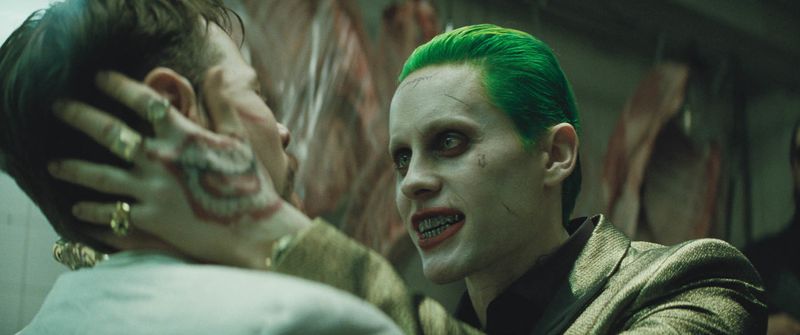
Following Heath Ledger’s legendary performance, any actor faced impossible expectations taking on the Joker.
Leto’s heavily tattooed gangster interpretation felt try-hard rather than genuinely menacing to most viewers.
The metal teeth and “damaged” forehead tattoo became instant targets for mockery instead of fear.
His limited screen time didn’t help, but what audiences saw left them disappointed.
The character came across as a generic crime boss rather than the chaotic agent of anarchy that defines the Joker.
Fans wanted unpredictable madness, not a stereotypical mob movie villain.
Reports of extreme method acting antics during filming further soured public perception.
Many felt the role needed someone who understood the character’s dark humor and philosophical chaos better than this version delivered.
8. Cara Delevingne as Enchantress in Suicide Squad
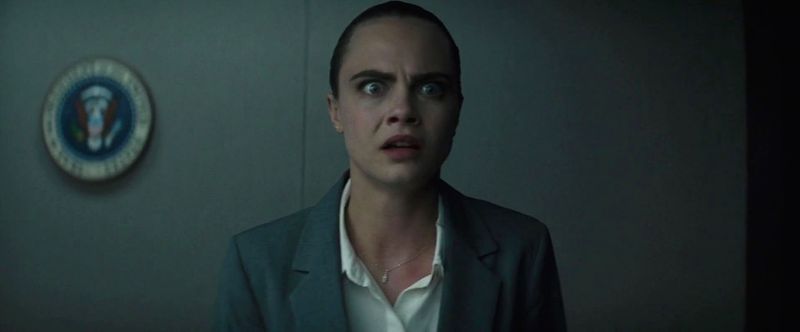
Enchantress needed to feel genuinely otherworldly and terrifying as the film’s main antagonist.
Instead, Delevingne’s performance featured awkward gyrating movements and a strange voice that prompted more laughter than fear.
Her interpretive dance-style villain scenes became unintentional comedy for confused audiences everywhere.
The model-turned-actress seemed out of her depth portraying such a complex supernatural threat.
Viewers couldn’t take the character seriously when her big moments involved writhing around unconvincingly.
The CGI-heavy finale only highlighted how the performance underneath wasn’t working.
Critics pointed out that a more experienced actress might have grounded the fantastical elements better.
The casting choice contributed significantly to Suicide Squad’s disappointing reception and remains a frequent target of criticism.
9. Emilia Clarke as Sarah Connor in Terminator Genisys
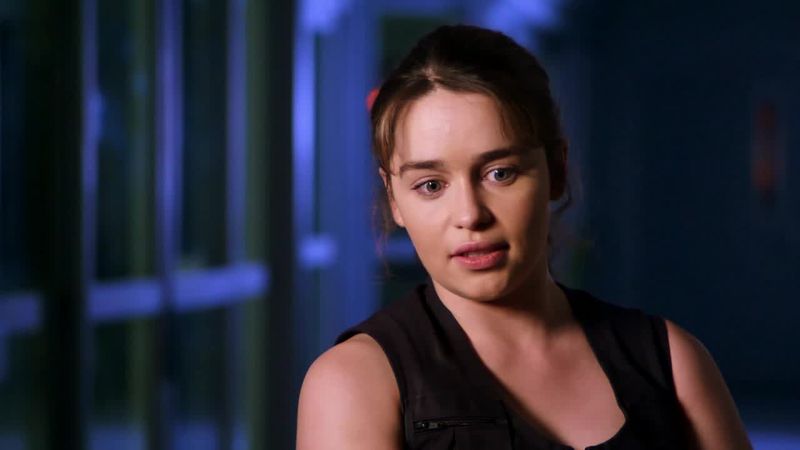
Sarah Connor evolved from vulnerable waitress to hardened warrior across the Terminator franchise.
Linda Hamilton defined that transformation so powerfully that anyone following faced steep challenges.
Clarke’s version felt too soft and lacking the battle-worn toughness that makes Sarah such an iconic action heroine.
Despite her best efforts, the actress couldn’t shake her association with the gentler Daenerys from Game of Thrones.
Audiences needed to believe this woman survived apocalyptic futures and became a legendary resistance fighter.
Unfortunately, that hardened edge never quite materialized convincingly onscreen.
The script didn’t help matters, but many felt different casting might have elevated the material.
Fans continue wishing for a Sarah Connor who could match Hamilton’s unforgettable intensity and physical transformation.
10. Vince Vaughn as Norman Bates in Psycho Remake
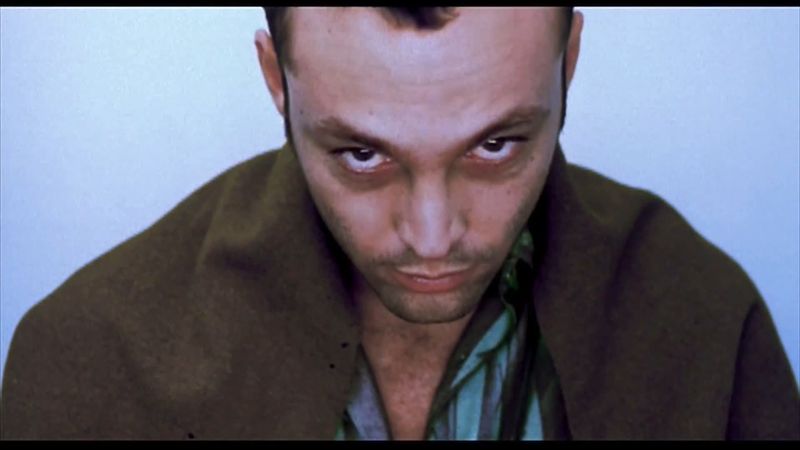
Anthony Perkins created such an indelible Norman Bates that remaking Psycho seemed doomed from the start.
Vaughn, known primarily for comedy roles, brought the wrong energy entirely to this disturbed character.
His physical size and comedic timing worked against the unsettling vulnerability Norman requires to function properly.
The shot-for-shot remake approach meant comparisons became inevitable and unflattering.
Viewers watching Vaughn’s scenes couldn’t help remembering Perkins doing them better decades earlier.
His performance felt like someone doing a Norman Bates impression rather than inhabiting the character authentically.
Even director Gus Van Sant’s supporters admitted the casting choice undermined the entire experiment.
This remains a cautionary tale about remaking classics and choosing actors whose strengths don’t match the role’s demands.
Comments
Loading…