
 Chloe Peterson
10 Beloved Historical Icons Whose Legacies Aren’t as Noble as They Seem
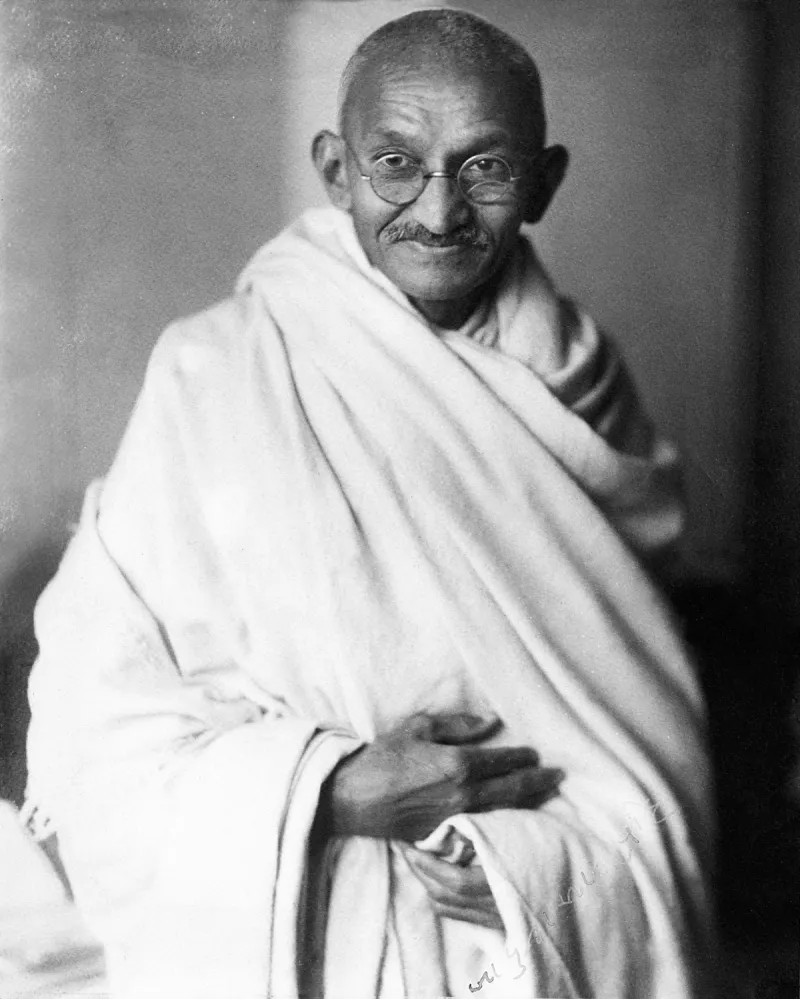
History books are filled with heroes, but some of those heroes have a much darker side that often gets left out.
Many figures we admire were also responsible for serious harm, injustice, or moral failures that shaped the world in painful ways.
Taking a closer look at these contradictions doesn’t erase the good people did — it just helps us understand the full picture.
Here are 10 widely celebrated historical icons whose legacies are far more complicated than most people realize.
1. Christopher Columbus
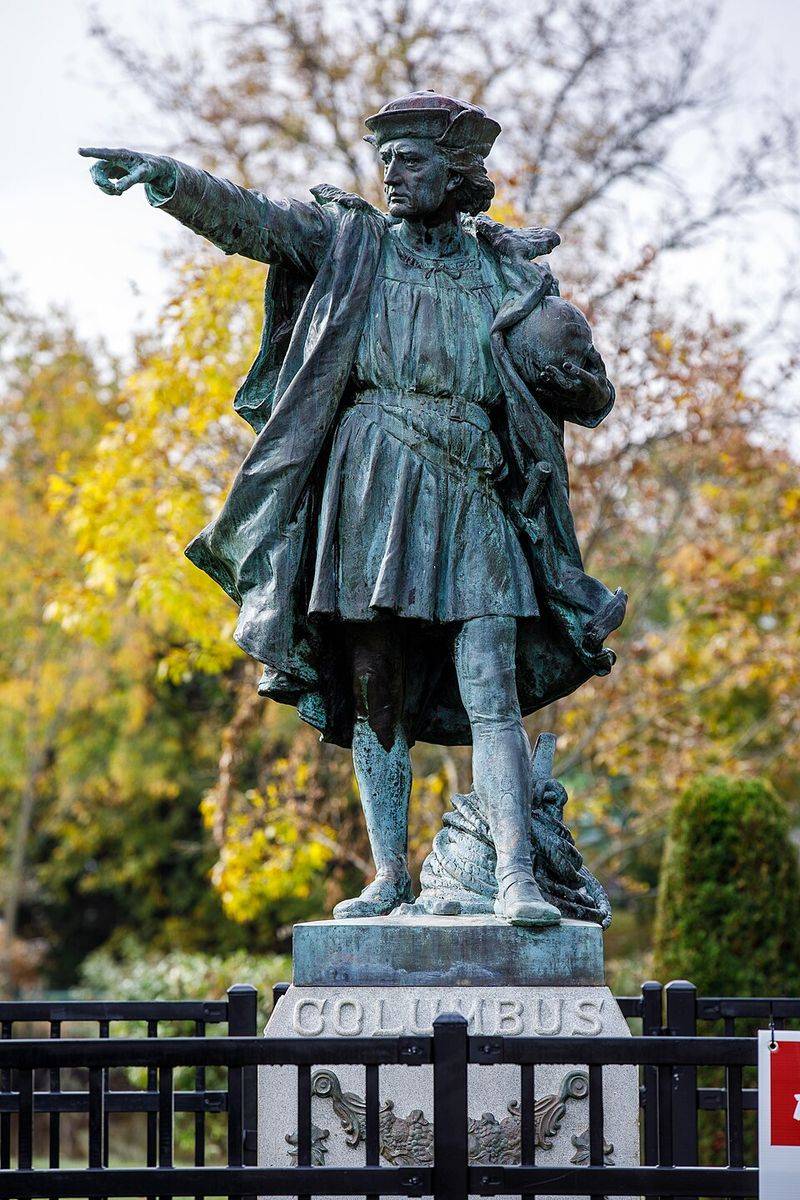
For centuries, schoolchildren were taught that Columbus bravely sailed the ocean blue and discovered a new world.
But the people already living in the Americas might tell a very different story.
Columbus didn’t just explore — he colonized, enslaved, and brutalized Indigenous communities across the Caribbean.
Under his rule, Indigenous people were forced into labor systems that killed thousands.
He demanded gold quotas, and those who failed to meet them faced horrific punishments.
Spanish records from the time document the widespread violence he oversaw.
His voyages opened the door to centuries of colonization and suffering.
Calling him a hero depends heavily on whose history you’re reading.
2. Thomas Jefferson
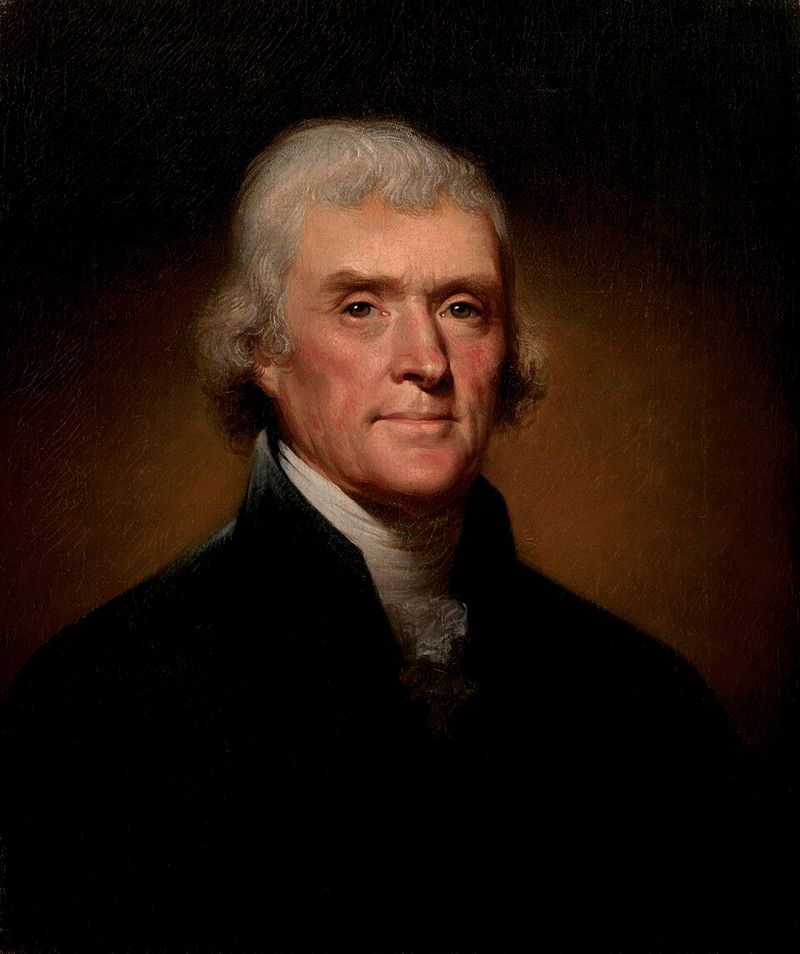
Few phrases from American history ring louder than “all men are created equal” — words written by Thomas Jefferson.
Yet Jefferson enslaved over 600 people throughout his lifetime, never freeing the vast majority of them, even upon his death.
His relationship with Sally Hemings, an enslaved woman who could not legally consent, adds another layer of moral complexity.
DNA evidence has confirmed he fathered children with her, a fact long dismissed before being widely accepted by historians.
Jefferson’s brilliance as a thinker and his failures as a human being sit side by side.
Understanding both is essential to understanding American history honestly.
3. Henry Ford
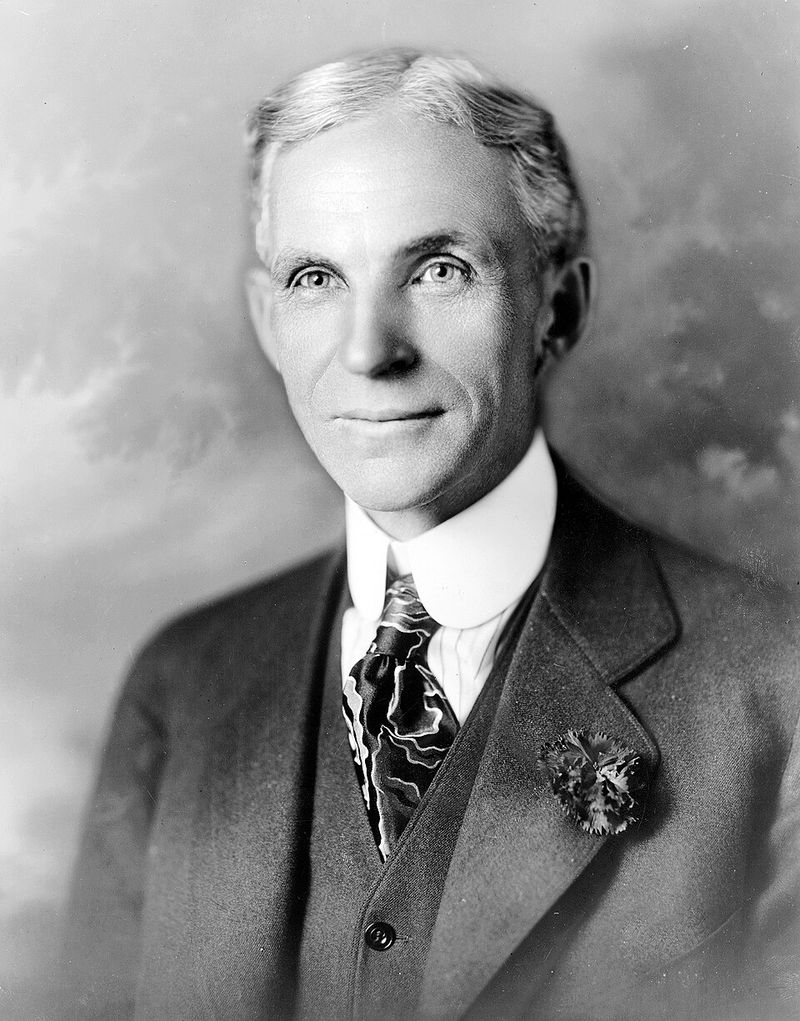
Henry Ford changed the world with the moving assembly line, making cars affordable for everyday Americans.
His contribution to modern manufacturing is genuinely remarkable.
But there’s another side to Ford that history textbooks rarely spotlight.
Ford published a series of antisemitic articles in his newspaper, The Dearborn Independent, which were later compiled into a book.
That book found an admiring reader in Adolf Hitler, who kept a portrait of Ford in his office.
Ford’s conspiracy theories helped legitimize dangerous ideologies during a critical period in history.
A person can change the world for the better in one area while causing serious damage in another.
Ford is a stark reminder of that uncomfortable truth.
4. Winston Churchill
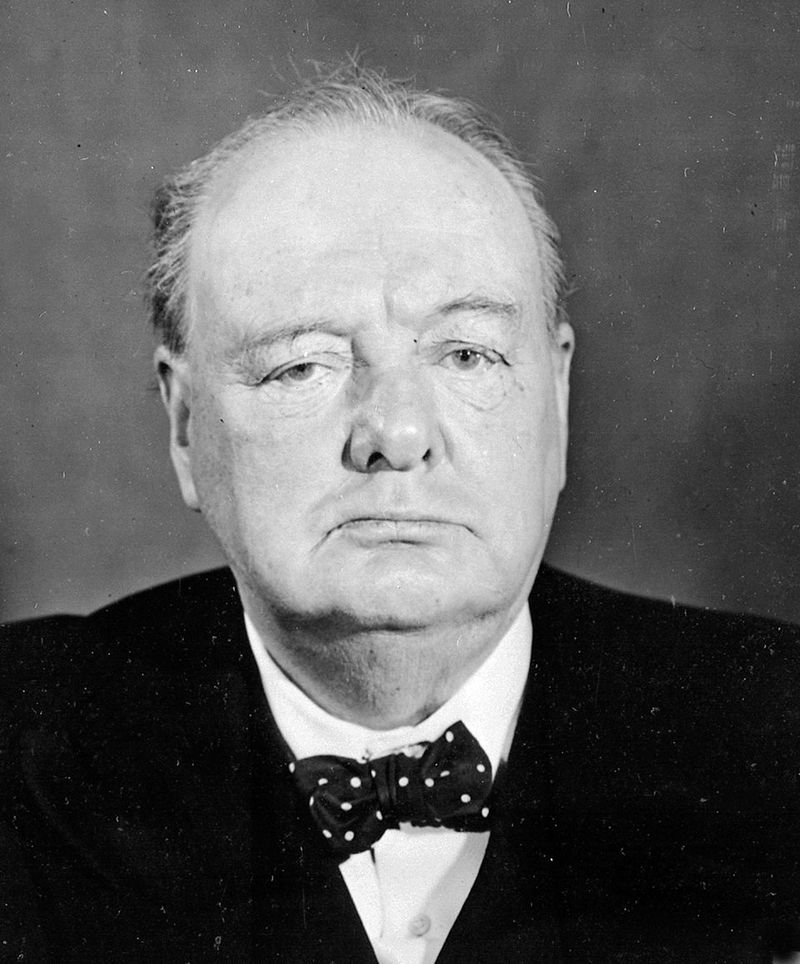
Winston Churchill is celebrated as the man who rallied Britain against Nazi Germany, delivering some of the most powerful speeches in modern history.
His wartime courage is real and well-documented.
However, his views on empire and race paint a far less flattering portrait.
Churchill held deeply imperialist beliefs and made dismissive comments about the people of India, Africa, and other colonized regions.
During the 1943 Bengal famine, his policies and attitudes contributed to the deaths of an estimated two to three million people.
Praising Churchill’s wartime leadership while ignoring his colonial record means only telling half the story.
History deserves the whole truth, even when it’s uncomfortable.
5. Mahatma Gandhi
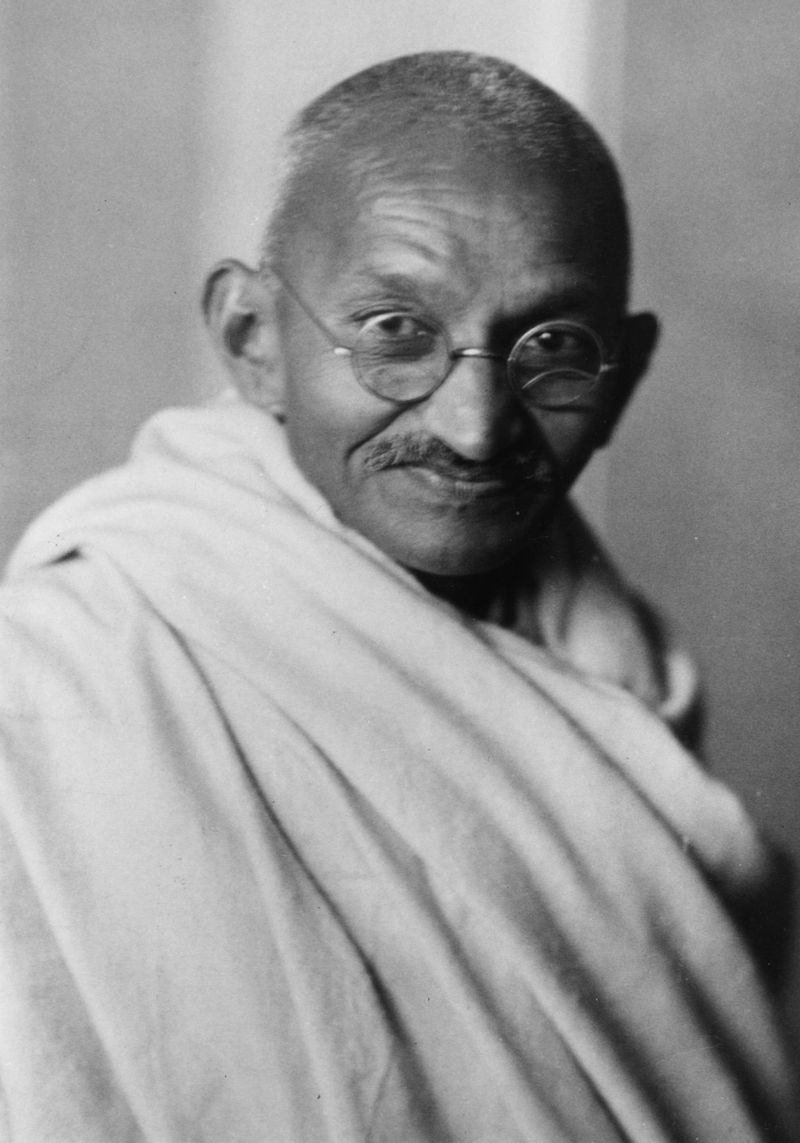
Mahatma Gandhi inspired millions with his philosophy of nonviolent resistance and helped lead India to independence.
His influence on civil rights movements around the world, including Martin Luther King Jr.’s work, is undeniable.
But Gandhi’s early writings reveal troubling views that many of his admirers rarely discuss.
While living in South Africa, Gandhi wrote disparagingly about Black Africans, using language that reflected deeply racist attitudes.
He also engaged in controversial personal practices involving young women that have been criticized as exploitative and inappropriate.
Gandhi’s moral legacy is layered and complicated.
Acknowledging his flaws doesn’t cancel his contributions — but it does remind us that no historical figure should be placed beyond scrutiny.
6. Che Guevara
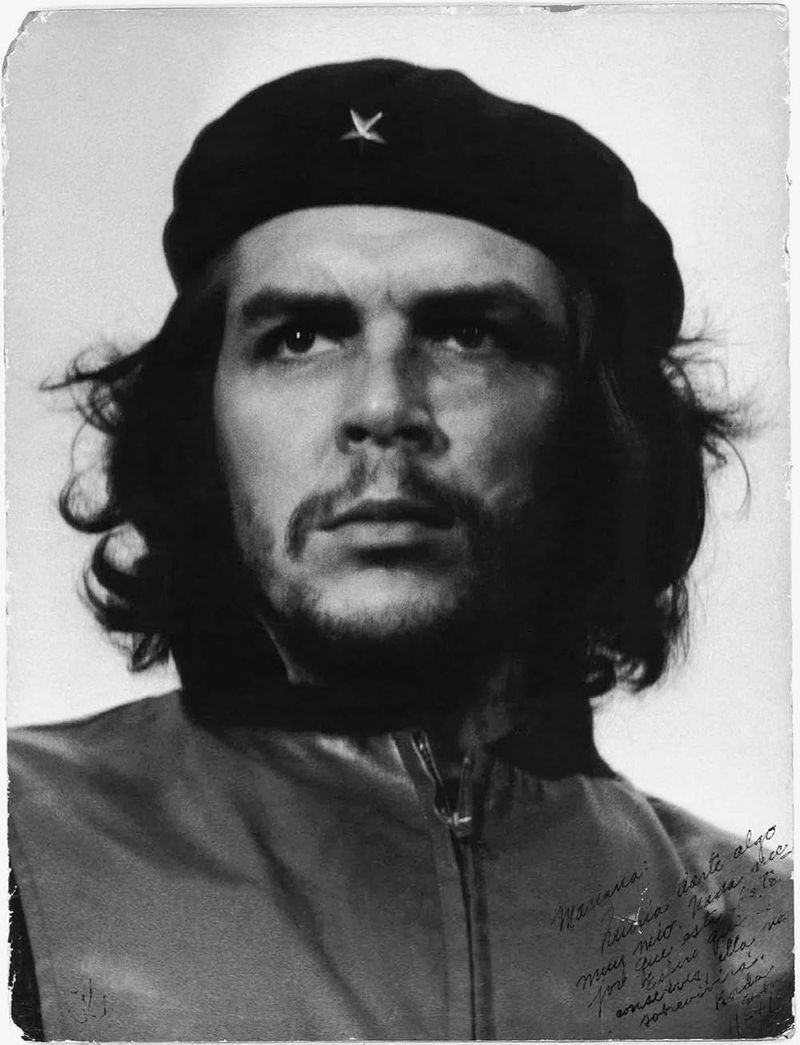
That iconic image on millions of T-shirts belongs to Che Guevara, a man who became the ultimate symbol of rebellion and revolution.
For many, he represents the fight against oppression.
The reality of what he did with power, however, tells a more troubling story.
After the Cuban Revolution, Guevara oversaw La Cabana prison, where hundreds of people were executed — many without fair trials.
He believed revolutionary justice required harsh, swift action and showed little mercy to those he deemed enemies of the revolution.
Romanticizing Guevara while ignoring his role as an enforcer of authoritarian violence is a disservice to history.
The T-shirt version of Che leaves out a lot.
7. Mother Teresa

Mother Teresa spent decades caring for the poorest of the poor in Calcutta, earning global admiration and a Nobel Peace Prize.
Her dedication to the dying and destitute seemed to embody pure selflessness.
But investigative journalists and medical professionals have raised serious concerns about what actually happened inside her facilities.
Reports described unsanitary conditions, inadequate medical care, and a belief that suffering brought people closer to God — leading to accusations that treatment was withheld unnecessarily.
Meanwhile, donations in the millions reportedly went unaccounted for.
None of this erases her genuine compassion, but it does raise fair questions about whether the humanitarian image fully matched the reality on the ground.
8. D. W. Griffith
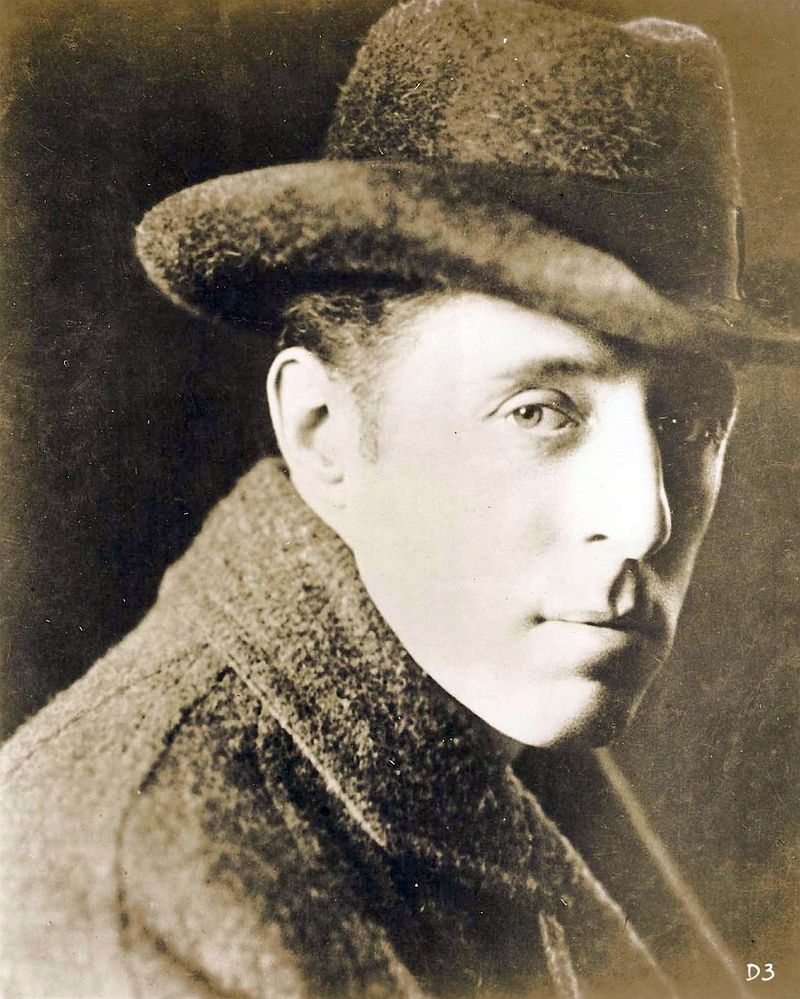
D. W. Griffith practically invented the language of modern cinema.
Techniques like close-ups, cross-cutting, and dramatic camera angles that filmmakers still use today were pioneered or popularized by him.
His technical genius is genuinely hard to overstate.
But Griffith’s 1915 film, The Birth of a Nation, used those groundbreaking techniques to glorify the Ku Klux Klan and spread vicious racist propaganda.
The film helped revive KKK membership across America and inspired real-world racial violence.
President Woodrow Wilson reportedly screened it at the White House.
Separating the art from the harm here is nearly impossible.
Griffith’s technical legacy and his cultural damage arrived in the same package.
9. Pablo Picasso
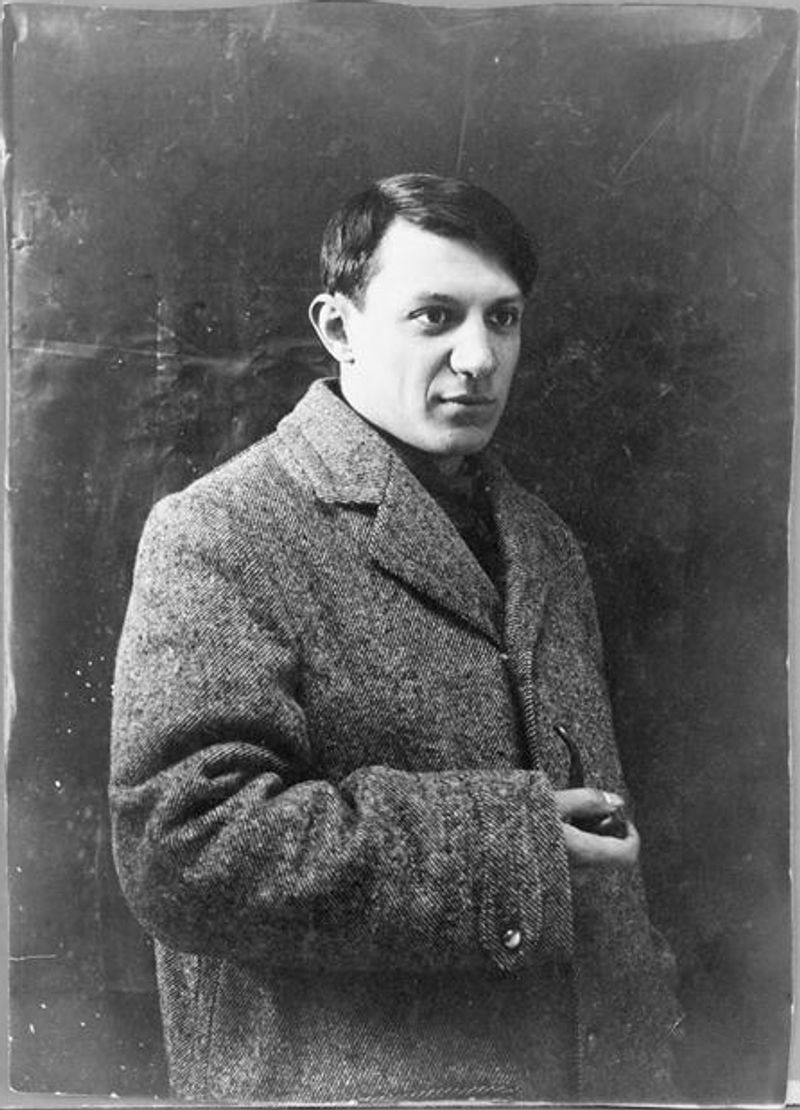
Pablo Picasso reshaped what art could be, giving the world cubism, Guernica, and a body of work that continues to sell for hundreds of millions of dollars.
His influence on 20th-century culture is almost without parallel.
Off the canvas, however, the picture was far darker.
Women in Picasso’s life described manipulation, emotional abuse, and cruelty.
Two of his partners died by suicide, and others spoke openly about the psychological damage he caused.
He treated the women around him as subjects to control rather than people to respect.
Separating genius from cruelty is a conversation the art world is still having.
His paintings are masterpieces — his treatment of people, far less so.
10. Marie Antoinette
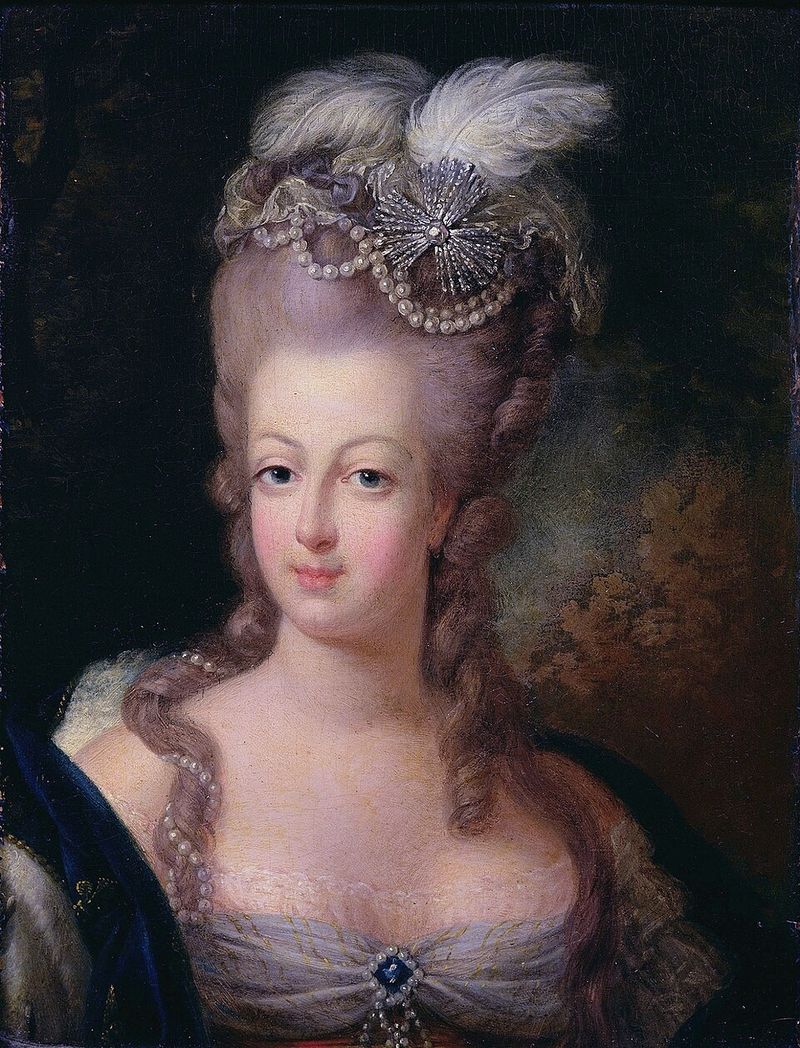
Marie Antoinette has been reimagined in recent years as a misunderstood young woman thrust into an impossible role.
There’s truth to that — she was sent to France as a teenager in a political marriage and had little real power.
Sympathy for her personal situation is reasonable.
Still, she became the living symbol of a royal class completely disconnected from the hunger and poverty crushing ordinary French citizens.
Her lavish spending at Versailles — on gowns, gambling, and elaborate parties — fueled public outrage during a genuine humanitarian crisis.
Whether she deserved her fate is debatable.
But her lifestyle undeniably helped pour fuel on the fire that became the French Revolution.
Comments
Loading…