
 Chloe Peterson
12 Legendary American Sitcoms That Still Shape Comedy Today
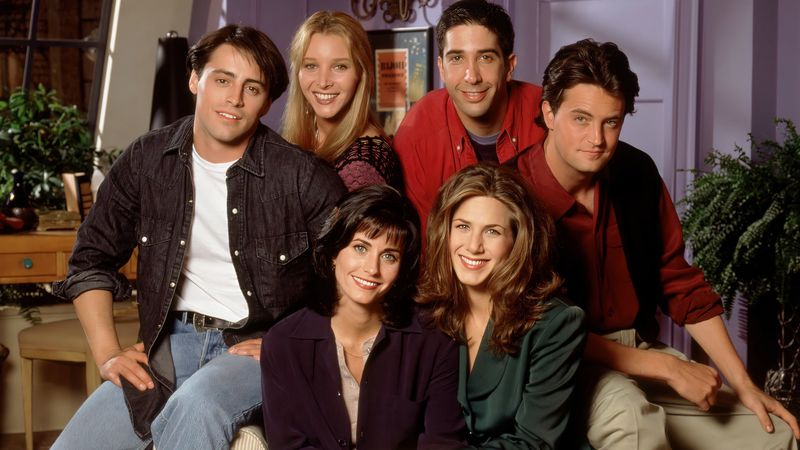
Some TV shows are so good they never really leave us.
American sitcoms have a special way of making us laugh while also teaching us something real about life, family, and friendship.
From living rooms in the 1950s to streaming screens today, these shows have shaped the way comedy is written, performed, and loved.
Here are the shows that started it all and still influence what we watch now.
1. I Love Lucy (1951–1957)
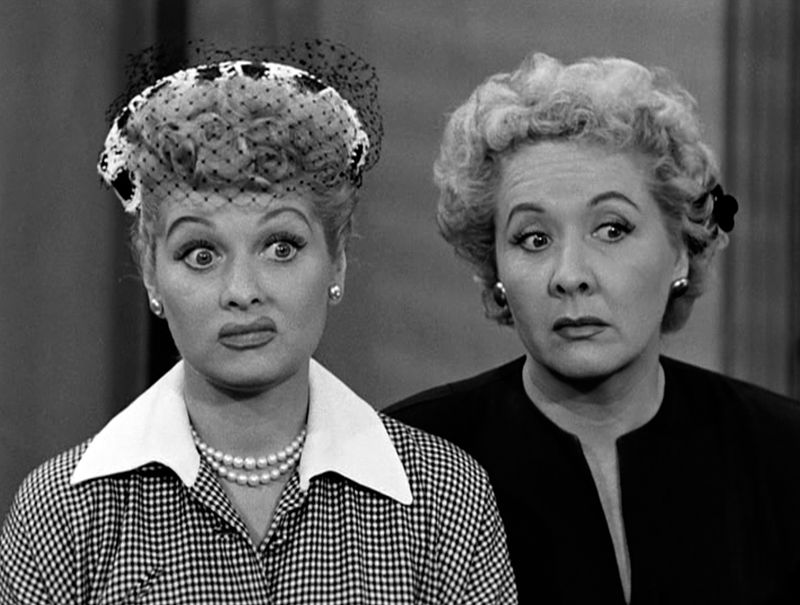
Before streaming, before cable, before color TV — there was Lucy.
Lucille Ball created one of the most iconic characters in television history with her rubber-faced expressions and fearless physical comedy.
She could make a simple chocolate conveyor belt or a grape-stomping scene into pure comedy gold.
What made the show revolutionary was that Lucy and her real-life husband Desi Arnaz co-produced it, giving her creative control rarely seen for women at the time.
The show also pioneered the three-camera studio format still used today.
Without Lucy, modern sitcoms simply would not exist the way we know them.
2. All in the Family (1971–1979)
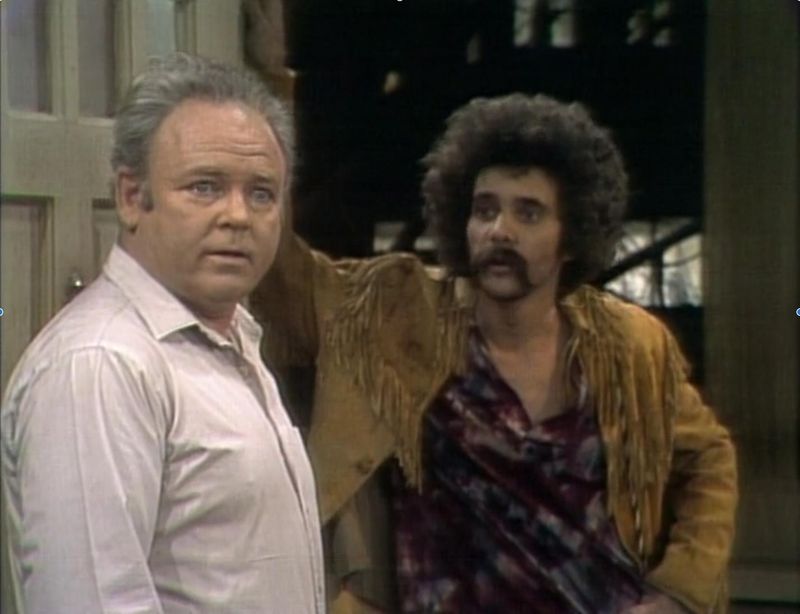
Archie Bunker said things on television that nobody thought was possible — and that was exactly the point.
“All in the Family” arrived like a thunderclap in 1971, daring to put racism, sexism, and political tension right in the middle of a prime-time comedy.
Creator Norman Lear used humor as a mirror, reflecting uncomfortable truths about American society back at viewers.
The audience laughed, but they also had to think.
That combination changed television forever.
Ranked among the greatest shows ever made, it proved that sitcoms could be brave, not just funny.
3. M*A*S*H (1972–1983)
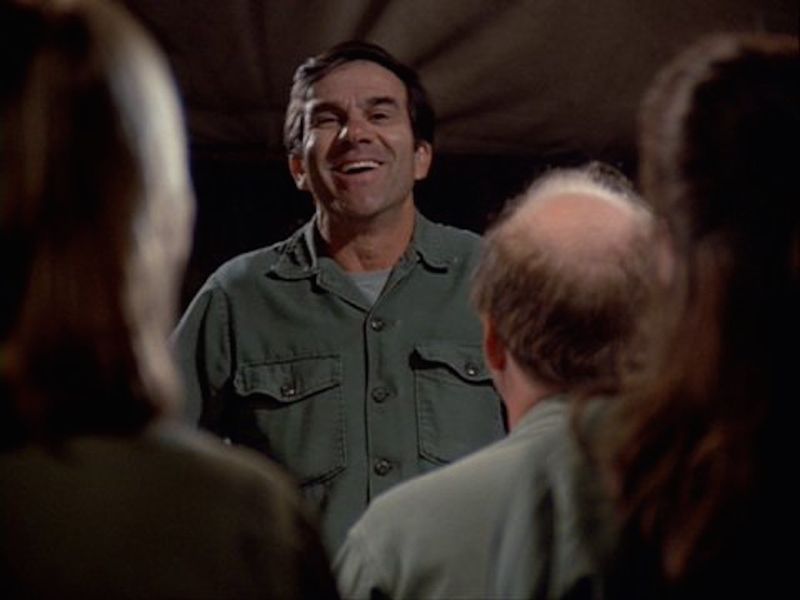
Few shows have ever balanced laughing and crying quite like M*A*S*H.
Set in a Korean War field hospital, this series somehow made a battlefield feel like a place full of warmth, wit, and unforgettable friendships.
Hawkeye Pierce became one of television’s most beloved characters — sarcastic, brilliant, and deeply human.
The show ran for 11 seasons, far longer than the actual Korean War itself.
Its series finale in 1983 drew over 100 million viewers, still one of the most-watched broadcasts in U.S. history.
M*A*S*H proved comedy could carry real emotional weight without losing its humor.
4. Cheers (1982–1993)
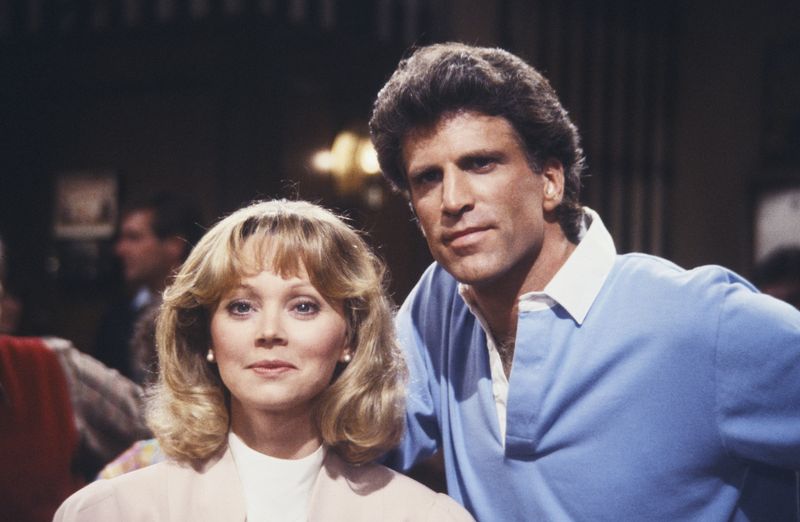
“Where everybody knows your name” — that theme song alone tells you everything about what made Cheers so special.
Set inside a cozy Boston bar, the show built one of the most lovable ensemble casts ever assembled on television.
Sam Malone, Diane Chambers, Cliff Clavin, and Norm Peterson each brought something irreplaceable to every episode.
Cheers won 28 Emmy Awards and ran for 11 seasons, never losing its sharp wit or warmth.
The writers trusted their characters completely, letting relationships grow and evolve naturally over years.
Its influence on character-driven comedy storytelling is still felt in nearly every sitcom today.
5. The Simpsons (1989–present)
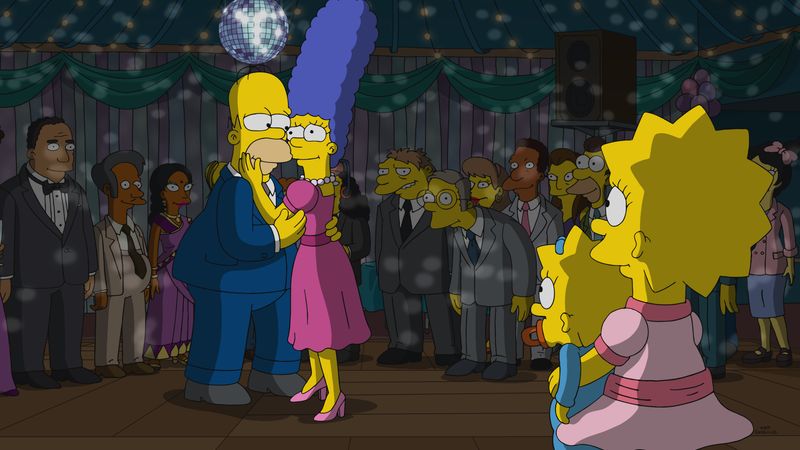
Homer.
Marge.
Bart.
Lisa.
Maggie.
Say those names to almost anyone on the planet and they will know exactly who you mean.
The Simpsons debuted in 1989 and has never stopped running, making it the longest-running American animated series and primetime scripted show in history.
What keeps it sharp is its fearless willingness to mock politics, pop culture, corporations, and even itself.
The writing staff has included some of the most talented comedy writers ever gathered in one room.
Its influence stretches far beyond animation — it redefined what sharp, layered, satirical storytelling could look like on TV.
6. Seinfeld (1989–1998)
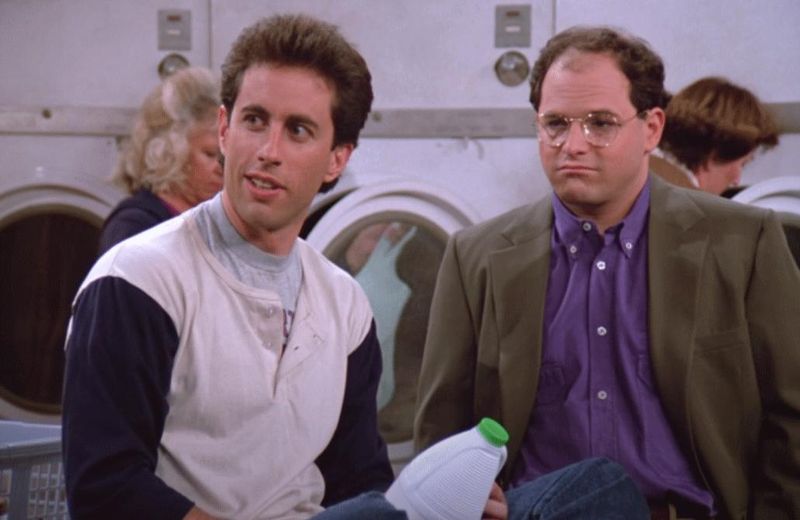
A show about nothing — that was literally the pitch.
And somehow, it became one of the most influential television series ever created.
Jerry Seinfeld and co-creator Larry David built an entire world out of parking garages, soup lines, and awkward social rules that everyone secretly follows.
George, Elaine, and Kramer each became comedy archetypes that writers still borrow from today.
The show never went soft or sentimental — it stayed committed to its own hilariously selfish universe right until the very end.
Seinfeld turned everyday observations into an art form, and modern comedy has never been the same since.
7. The Fresh Prince of Bel-Air (1990–1996)
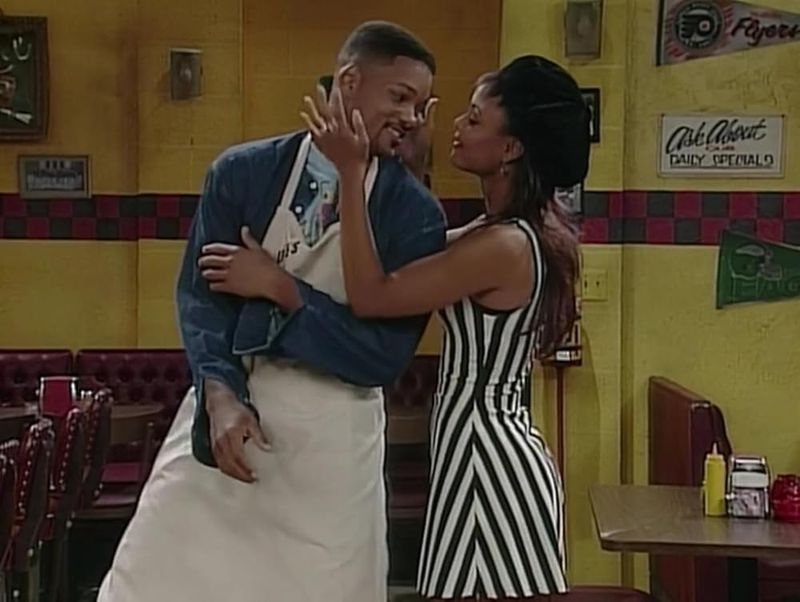
Will Smith walked into that Bel-Air mansion wearing a backwards cap and changed television forever.
The Fresh Prince started as a fun fish-out-of-water story, but it grew into something much deeper — a show that tackled race, class, identity, and what it means to belong.
The scene where Will breaks down asking why his father abandoned him is one of the most emotionally raw moments in sitcom history.
James Avery as Uncle Phil gave the show its moral backbone.
Even decades later, the theme song is instantly recognizable worldwide, proving just how deeply this show connected with audiences everywhere.
8. Roseanne (1988–1997, 2018)
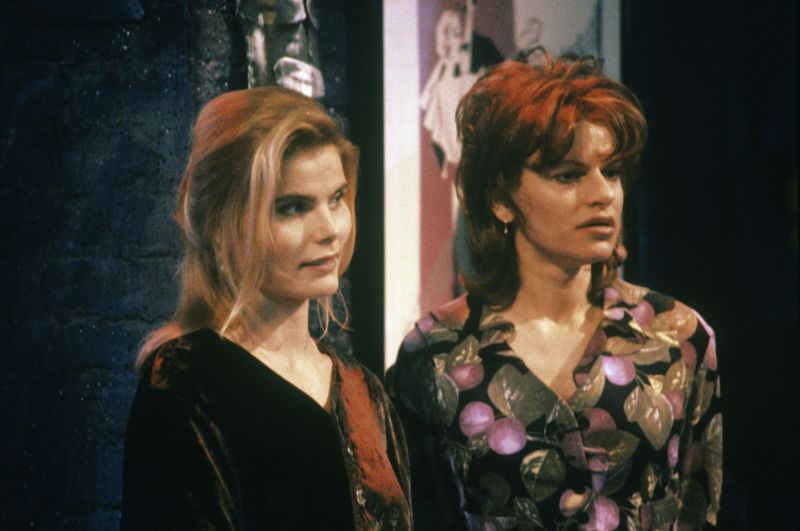
Roseanne Conner was not a glamorous TV mom.
She was tired, funny, stubborn, and real — and that made her one of the most important characters in sitcom history.
At a time when most TV families looked polished and wealthy, Roseanne showed what life actually looked like for millions of American households.
Money was tight, jobs were exhausting, and the laughs came from survival rather than luxury.
The show tackled abortion, addiction, and economic hardship without flinching.
Roseanne proved that working-class stories deserved prime-time storytelling, opening doors for authentic, unfiltered family comedies that followed in its footsteps.
9. Friends (1994–2004)
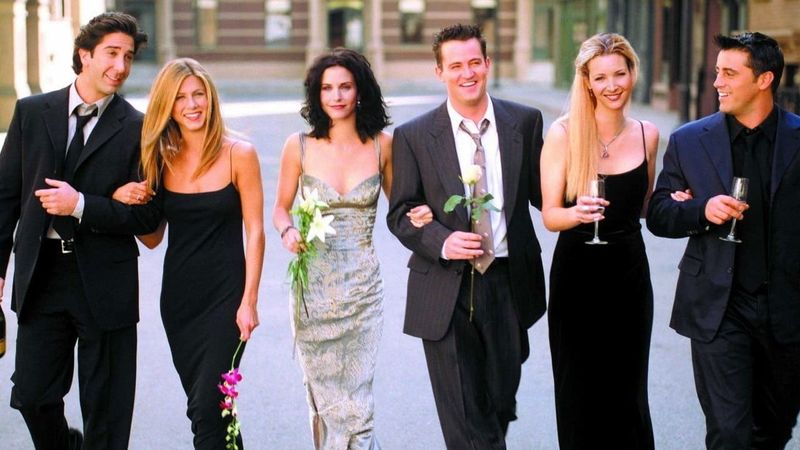
Six friends.
One coffee shop.
Ten seasons of television that the whole world watched together.
Friends became a global phenomenon not just because it was funny, but because it captured a very specific feeling — the messy, exciting, confusing years of early adulthood when your friends become your chosen family.
The chemistry between the cast was electric and completely natural.
Ross, Rachel, Monica, Chandler, Joey, and Phoebe each had their own comedic rhythm that played off the others perfectly.
Even today, new generations are discovering the show for the first time and falling in love with Central Perk all over again.
10. Arrested Development (2003–2006, 2013–2019)
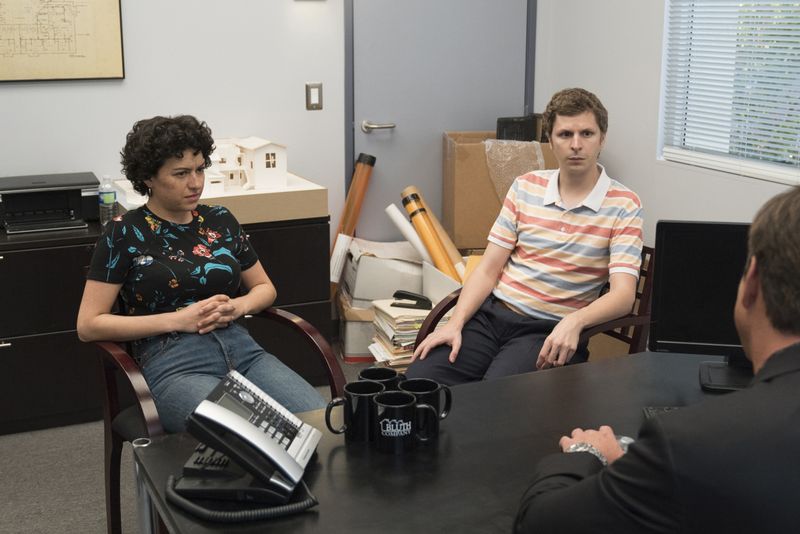
Arrested Development rewards patience — and multiple rewatches.
The Bluth family is one of television’s most hilariously self-absorbed groups ever assembled, and every episode is packed with background jokes, callbacks, and hidden gags that most viewers miss the first time around.
The narration by Ron Howard added a dry, documentary-style layer that made the chaos feel even funnier.
Critics adored it from day one, though audiences took longer to catch on.
Its cult status only grew after cancellation, proving that truly smart comedy sometimes finds its biggest audience years after it first airs.
11. Community (2009–2015)
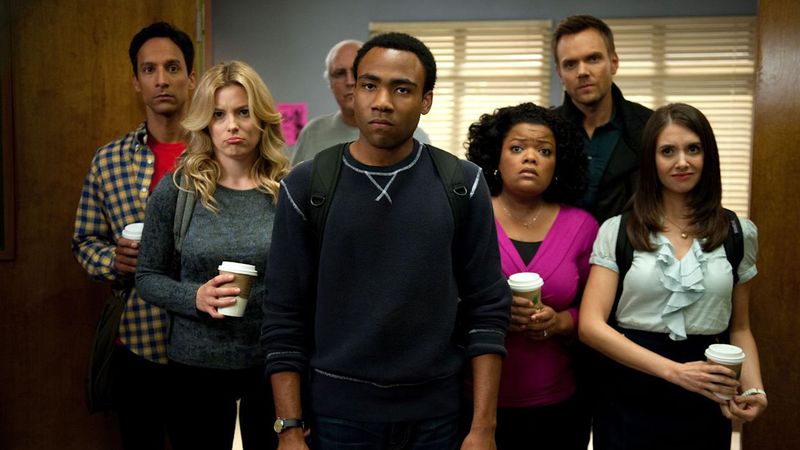
Community never played by the rules — and that was the whole point.
Set at the fictional Greendale Community College, the show constantly broke the fourth wall, spoofed entire genres, and delivered full episode parodies of everything from westerns to zombie apocalypse films.
Creator Dan Harmon built a deeply layered world where each character represented a different archetype, then gleefully deconstructed every one of them.
Jeff Winger, Britta, Abed, Troy, Shirley, Annie, and Pierce formed one of TV’s most unlikely but lovable study groups.
The phrase “six seasons and a movie” became a fan rallying cry — and eventually, a promise kept.
12. Modern Family (2009–2020)
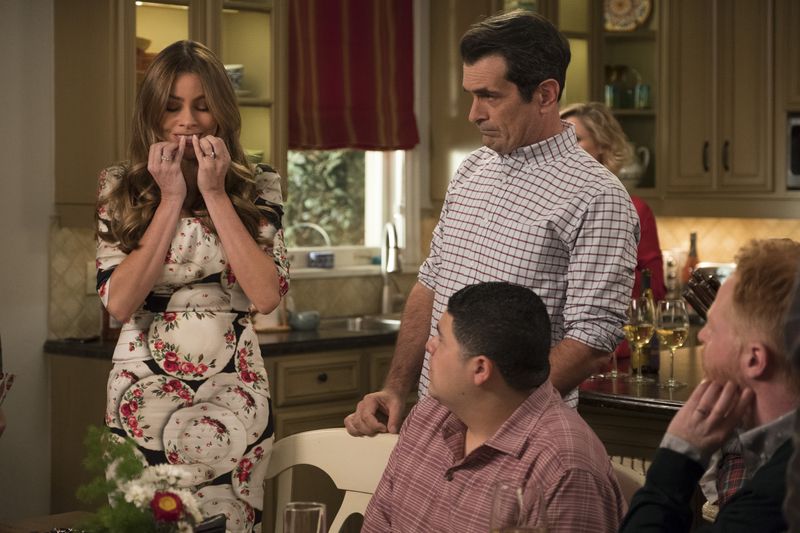
Modern Family arrived at just the right moment, capturing how much the American family had changed while reminding everyone how much it had stayed the same.
The mockumentary format gave each episode an intimate, confessional feel that made the humor land even harder.
Three interconnected households — the Dunphys, the Pritchetts, and the Tucker-Pritchetts — each brought their own comedic flavor.
Ed O’Neill anchored the whole ensemble with effortless charm, while the chemistry between Ty Burrell and Julie Bowen as Phil and Claire was comedy perfection.
Winning five consecutive Emmy Awards for Outstanding Comedy Series, it set a standard that few shows have matched since.
Comments
Loading…