
 Mila Ross
13 Classic ’60s Songs That Still Sound Bold and Futuristic Today
Some songs refuse to age.
The 1960s produced music so creative and boundary-pushing that even today, decades later, these tracks feel like they were recorded last week.
From experimental studio wizardry to eerie dystopian lyrics, these songs challenged everything people thought music could be.
Get ready to discover 13 unforgettable classics that still send chills down your spine and spark your imagination.
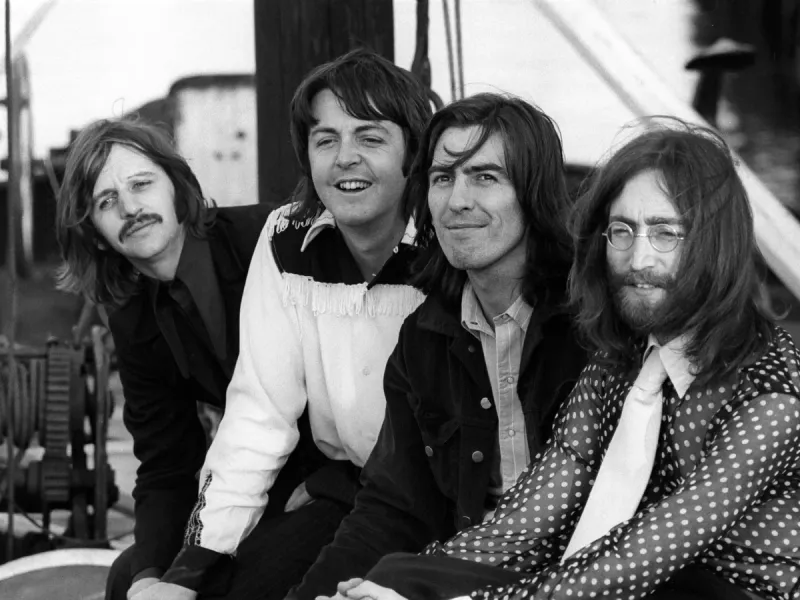
1. Tomorrow Never Knows by The Beatles (1966)

Flip the record over and nothing prepares you for what hits your ears.
Released on the Revolver album, “Tomorrow Never Knows” sounds less like a pop song and more like a transmission from another dimension.
John Lennon’s vocals drone over a hypnotic, single-chord bed of sound while tape loops swirl chaotically around it.
The Beatles recorded the loops at home and spliced them together in the studio, a technique borrowed from avant-garde composers.
Reverse guitar, seagull-like shrieks, and a thundering drum pattern make it utterly unlike anything else from 1966.
It still sounds startlingly alien today.
2. Telstar by The Tornados (1962)
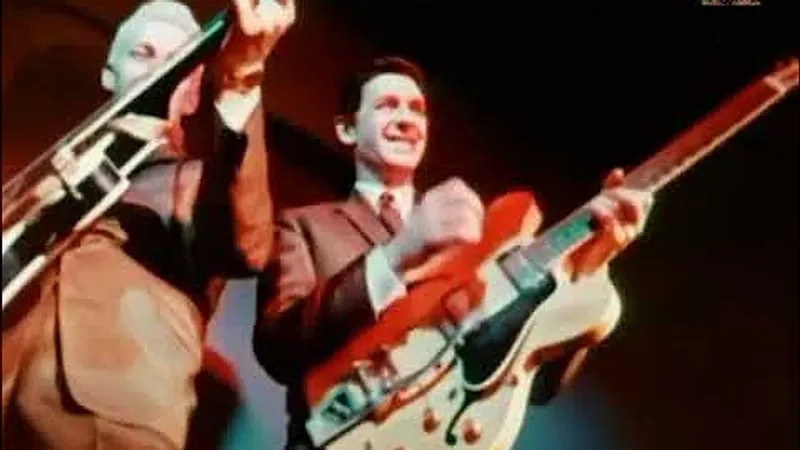
Named after the world’s first commercial communications satellite, this track launched into the charts like a rocket.
Producer Joe Meek created “Telstar” in his London bathroom studio using homemade electronic gadgets, a clavioline keyboard, and razor-blade tape editing.
The result was a shimmering, otherworldly instrumental that hit number one on both sides of the Atlantic.
What makes it remarkable is how Meek captured the awe of the space age without any modern technology.
The buzzing tones and echo-drenched melodies feel like a soundtrack to humanity’s first steps toward the stars.
Electronic artists still cite it as a foundational influence.
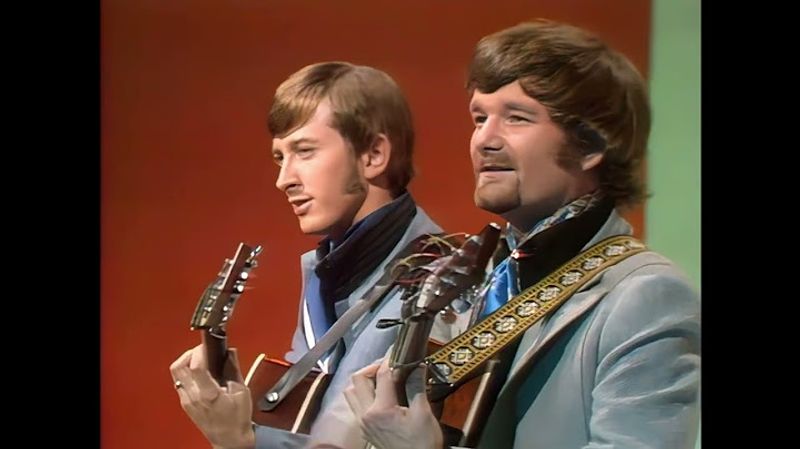
3. In the Year 2525 by Zager and Evans (1969)
Few songs have aged with such unsettling accuracy.
Written by Rick Evans in 1964 and finally recorded five years later, this eerie track marches through centuries of human decline, asking whether technology will eventually make people obsolete.
Each verse jumps 1,000 years into the future, painting a bleaker picture every time.
The haunting melody and Evans’s deadpan vocal delivery make the lyrics hit even harder.
In an age of artificial intelligence and automation, the song’s warnings feel less like science fiction and more like prophecy.
It spent six weeks at number one in the summer of 1969 and still sparks debate today.
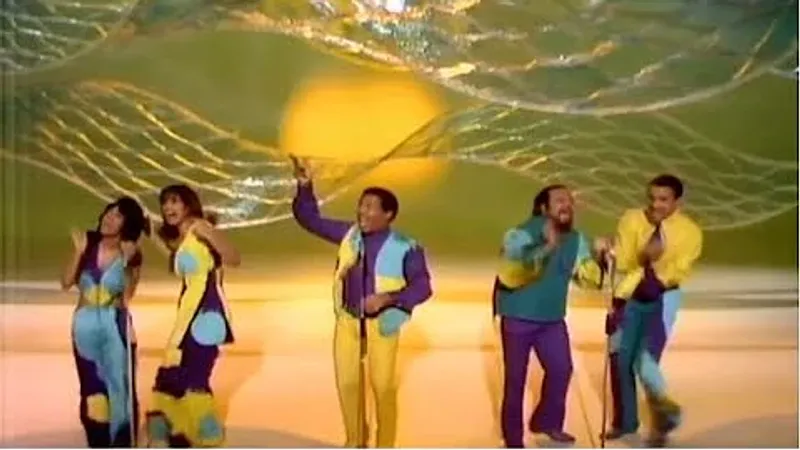
4. Aquarius/Let the Sunshine In by The 5th Dimension (1969)
Optimism never sounded so boldly produced.
Originally from the musical Hair, this medley was reimagined by The 5th Dimension into something far grander than its stage origins.
The first section, “Aquarius,” opens with sweeping orchestration and soaring harmonies that feel almost ceremonial, announcing a new era of peace and understanding.
Then the mood shifts. “Let the Sunshine In” bursts in with raw gospel energy, the singers practically shouting joy into the microphone.
The contrast between the two halves makes the track feel like a complete emotional journey in under five minutes.
It topped the charts for six weeks and still radiates infectious hope.
5. Heroin by The Velvet Underground (1967)
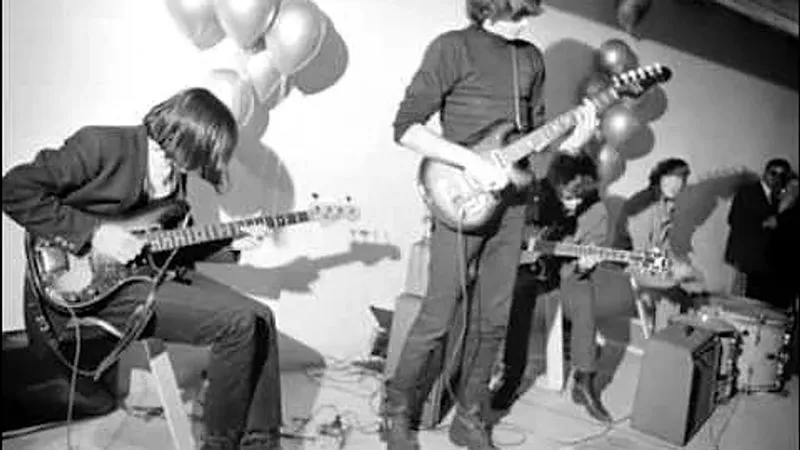
Uncomfortable, relentless, and completely honest, this track did things that mainstream rock simply refused to do.
The Velvet Underground, led by Lou Reed, wrote “Heroin” as a first-person account of addiction, complete with a shifting tempo that mimics the rush and crash of the drug itself.
No glossy production, no happy ending.
John Cale’s droning viola scrapes against the rhythm like something breaking apart.
Producer Tom Wilson gave the band space to be ugly, which turned out to be revolutionary.
Punk, indie rock, and alternative music all owe a significant debt to this track’s willingness to stare at darkness without looking away.
6. I Want to Take You Higher by Sly & The Family Stone (1969)
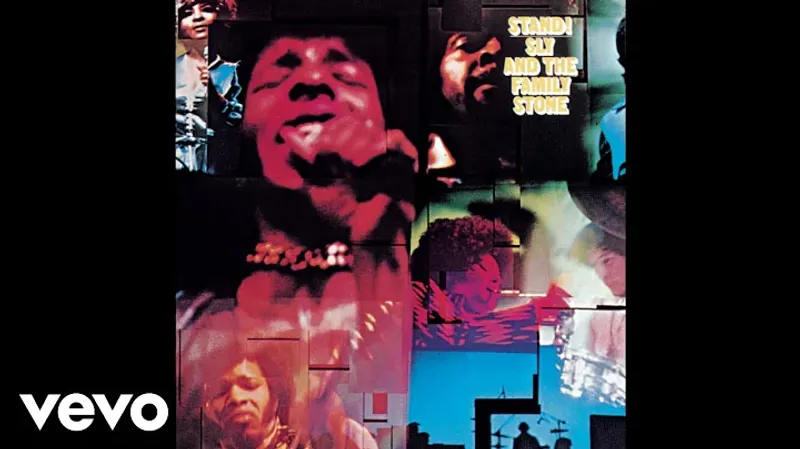
Before hip-hop had a name, this song was already building its DNA.
Sly Stone assembled a multiracial, mixed-gender band at a time when that alone was a radical statement, and then gave them a groove so infectious it practically demanded movement.
The bass line locks in like a heartbeat that refuses to slow down.
Horns, wah-wah guitar, and call-and-response vocals layer on top of each other with joyful precision.
Producers and DJs have sampled this track for decades because the rhythm section is simply that good.
It performed at Woodstock in August 1969 and left the crowd completely electrified.
The energy still crackles.
7. Doctor Who (Original Theme) by BBC Radiophonic Workshop (1963)
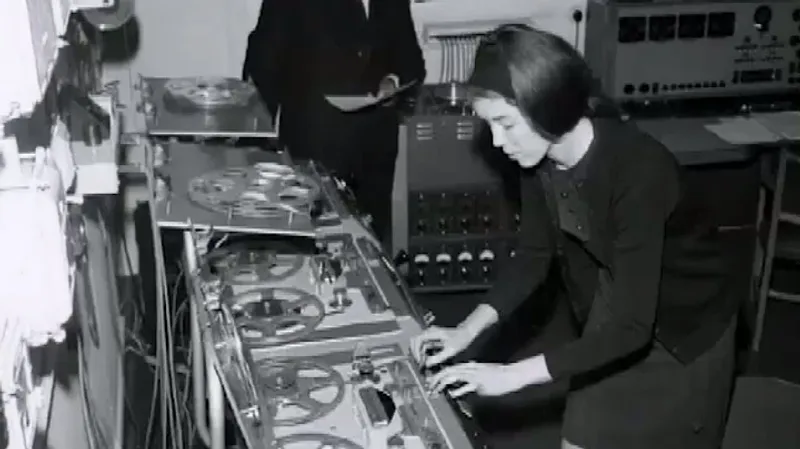
Imagine creating music with no synthesizers, no computers, and no traditional instruments.
That is exactly what Delia Derbyshire did when she realized Ron Grainer’s handwritten score for Doctor Who in 1963.
Working at the BBC Radiophonic Workshop, she painstakingly cut and spliced recorded sounds, ring-modulated tones, and oscillator frequencies together by hand.
The result was the first piece of electronic music most mainstream audiences had ever heard, and it was terrifying in the best possible way.
Grainer reportedly asked, “Did I write that?” when he first listened.
Electronic composers still study Derbyshire’s methods today as a masterclass in pure sonic invention.
8. The Boxer by Simon & Garfunkel (1969)
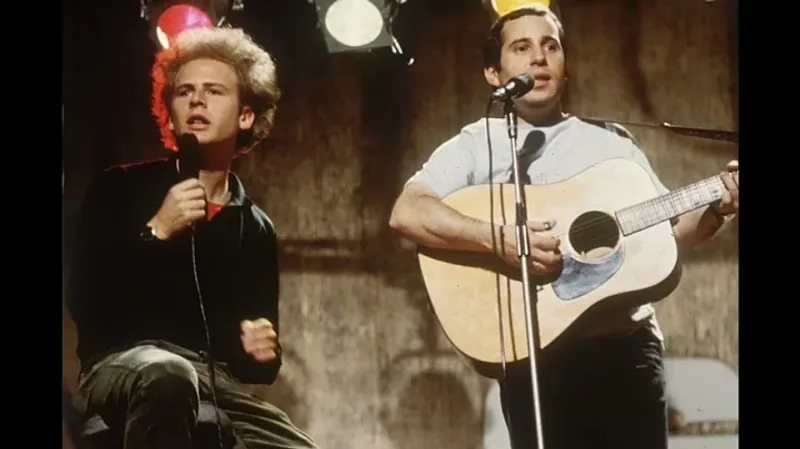
Recording this track took over 100 hours across multiple studios, and every minute of that effort shows.
Paul Simon and Art Garfunkel, along with producer Roy Halee, recorded different sections of “The Boxer” in various locations, including a church in New York, to capture specific acoustic qualities.
The famous “lie-la-lie” chorus was recorded with a big band arrangement that fills the room.
The thunderous drum hit that punctuates each chorus was achieved by recording in a hotel elevator shaft for maximum reverb.
Few songs from any era demonstrate such obsessive attention to sonic detail.
The emotional payoff is enormous and completely earned.
9. Paint It Black by The Rolling Stones (1966)
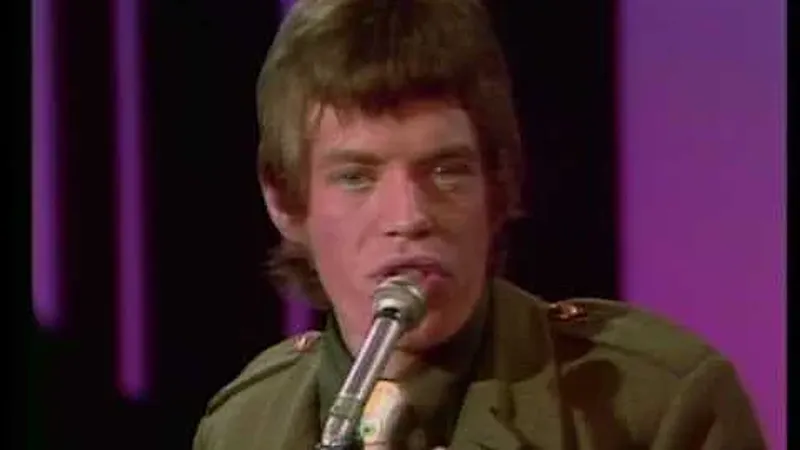
Brian Jones picked up a sitar and changed the entire mood of a rock band in one afternoon.
“Paint It Black” opens with that unmistakable plucked melody, immediately pulling the listener somewhere far removed from typical British rock.
Mick Jagger’s vocal delivery matches the tension perfectly, clipped and urgent against the hypnotic Eastern drone.
The song was reportedly recorded quickly, almost accidentally in its final form, yet the arrangement feels completely deliberate.
Its dark themes of grief and emotional numbness gave rock music permission to go somewhere uncomfortable.
Filmmakers and TV producers still reach for this track whenever they need instant atmosphere and menace.
10. Like a Rolling Stone by Bob Dylan (1965)
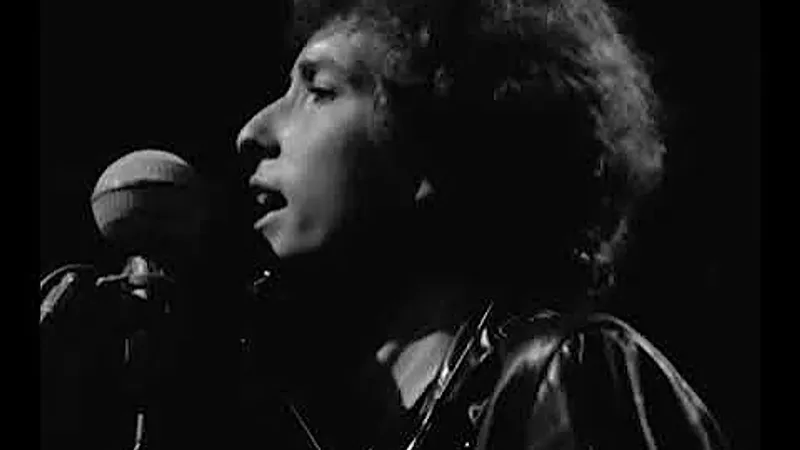
Radio stations refused to play it because it was six minutes long.
Nobody had ever released a single that long before, and record executives were nervous.
Bob Dylan ignored them entirely, and “Like a Rolling Stone” became one of the most important songs ever recorded, changing what listeners expected from popular music forever.
Al Kooper, who had never played organ professionally before, talked his way into the session and laid down the iconic keyboard riff almost by accident.
Dylan’s snarling, accusatory lyrics tore apart the conventions of polite songwriting.
Rolling Stone magazine later named it the greatest rock song of all time, and the argument is hard to dispute.
11. Respect by Aretha Franklin (1967)
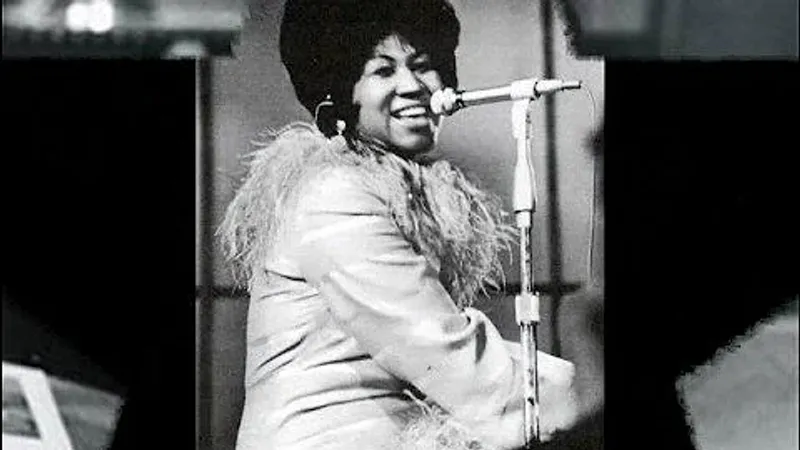
Otis Redding wrote “Respect” as a man asking his woman to treat him right when he comes home.
Aretha Franklin took that song, rewrote the perspective entirely, and turned it into something the world had never quite heard before.
Her version is not a request.
It is a demand, delivered with breathtaking vocal authority.
The horn arrangement punches through every chorus like an exclamation mark.
The spelling out of R-E-S-P-E-C-T became one of the most recognizable moments in pop music history.
Franklin’s recording arrived during the civil rights movement and the rise of feminism, giving the song a cultural weight that made it far larger than any chart position.
12. I Heard It Through the Grapevine by Marvin Gaye (1968)
Motown had a habit of polishing everything until it gleamed.
Marvin Gaye’s version of this song had a different texture entirely, something rawer and more emotionally complex than the label’s typical output.
The recording sat on the shelf for over a year because executives were unsure what to do with its brooding, paranoid energy.
When it was finally released, it became Motown’s biggest-selling single to date.
James Jamerson’s bass line weaves through the track like a restless thought you cannot shake.
Gaye’s vocal performance conveys heartbreak with a subtlety that feels remarkably modern.
The song has been covered dozens of times, but nobody has matched the original’s quiet devastation.
13. Strawberry Fields Forever by The Beatles (1967)
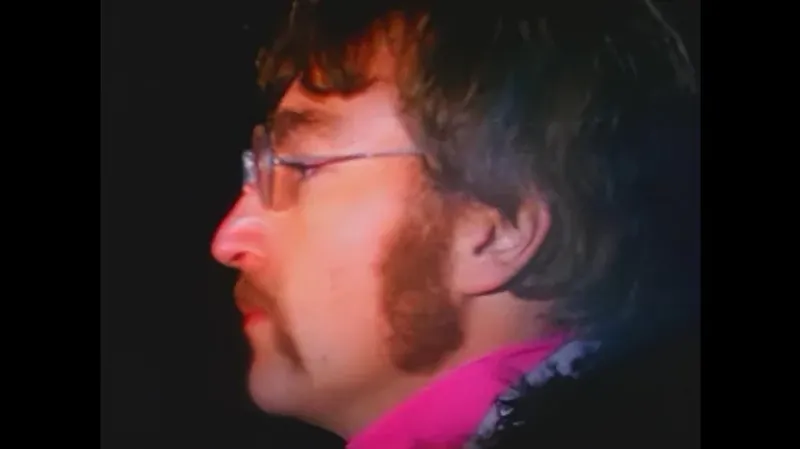
George Martin called it the most difficult recording he ever made, and the story behind it is extraordinary.
John Lennon recorded two separate versions of the song at different tempos and in different keys, then asked Martin to join them together.
By pure luck, speeding up one tape and slowing down the other made the keys and tempos match perfectly.
The seam sits at exactly the one-minute mark, though most listeners never notice.
Cellos, brass, and backward cymbals layer over each other in ways that still feel genuinely strange and beautiful.
Lennon described it as the most honest song he ever wrote.
It remains a high-water mark of studio experimentation.
Comments
Loading…