
 Mary Murphy
11 Ways to Spot a Fake Empath Before They Drain Your Energy

Not everyone who claims to truly understand your feelings actually does. Some people pose as empaths, not out of genuine care, but to gain your trust, manipulate your emotions, or drain your energy for their own benefit.
Learning to spot a fake empath can save you from unnecessary heartache and protect your mental and emotional well-being. Once you recognize the warning signs, you gain the power to set healthy boundaries, safeguard your energy, and ensure it stays where it belongs — with you and those who genuinely care.
1. They Always Make It About Themselves

Ever notice how some people listen just long enough to find their next opening to talk about themselves?
A real empath focuses on you during tough moments.
A fake one nods along, then somehow steers every conversation back to their own drama or achievements.
Watch for phrases like, “That reminds me of when I…” popping up constantly.
Your problems become their launching pad.
Over time, you may realize your feelings never actually got addressed.
The conversation always ends with them feeling better, while you walk away feeling unheard and emotionally drained.
2. Their Empathy Only Shows Up When There Is an Audience

Funny thing about fake empaths: their compassion seems to skyrocket when other people are watching.
Suddenly they are the most caring, understanding soul in the room.
But catch them one-on-one, and that warmth disappears faster than free snacks at a party.
Real empathy does not need a spotlight.
It shows up quietly, in private moments, when no one is keeping score.
If someone only comforts you when others can see them doing it, their concern is more about their image than your feelings.
That kind of performative kindness can feel hollow and even insulting once you recognize it.
3. They Use Your Vulnerabilities Against You Later

Sharing something personal with someone you trust is a big deal.
Real empaths treat that information like something sacred.
Fake empaths, though, tend to file it away for future use, pulling it out during arguments or using it to manipulate you into doing what they want.
Pay attention to how someone handles the private things you share.
Do they bring up your insecurities when they want to win a fight?
That is a major red flag.
Healthy relationships are built on trust, and anyone who weaponizes your vulnerabilities was never truly in your corner to begin with.
4. They Struggle to Respect Your Emotional Boundaries

Boundaries are not walls meant to keep people out.
They are healthy lines that protect your emotional space.
A genuine empath understands and respects that.
A fake one pushes past those lines repeatedly, often disguising it as “just caring too much.”
Watch for someone who constantly pries into topics you have said are off-limits, or who guilt-trips you for needing space.
Phrases like “I just worry about you” can mask controlling behavior dressed up as concern.
True empathy means honoring what someone needs, even when it is not what you personally want to give them.
5. Their Emotional Reactions Feel Rehearsed or Overdone
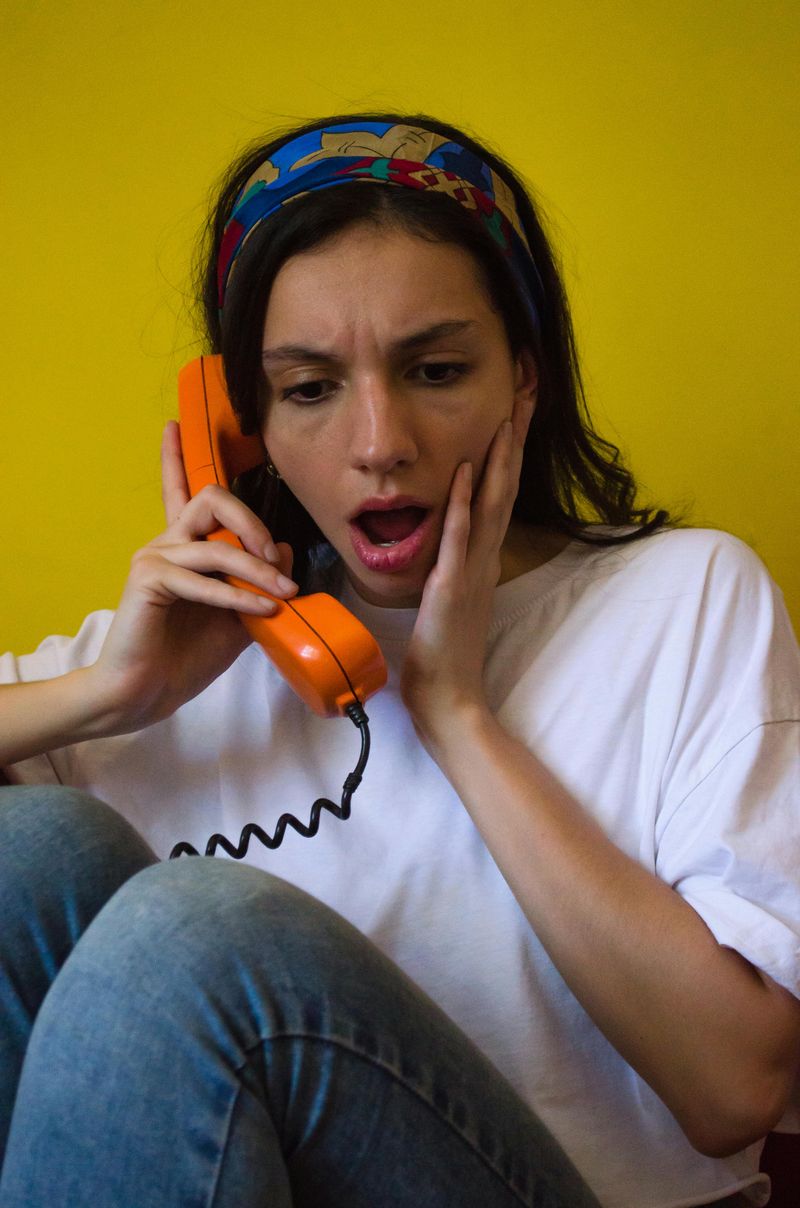
Something feels off when someone’s emotional response seems just a little too polished.
Real emotions are messy, imperfect, and sometimes hard to put into words.
When someone always has the perfectly timed sigh or the exact right tear rolling down their cheek, it can start to feel more like a performance than genuine feeling.
Trust your gut on this one.
If their reactions seem scripted or overly dramatic, your instincts might be picking up on something real.
Fake empaths often mirror emotions they have seen work before, rather than actually feeling them.
Authenticity has a texture that is hard to fake for long.
6. They Dismiss Your Feelings When It Is Inconvenient for Them

Here is a telling pattern: a fake empath is all warmth and understanding when it costs them nothing.
But the moment your emotions become inconvenient, suddenly you are “too sensitive” or “overreacting.”
That emotional support comes with invisible strings attached.
Real empathy does not clock out when life gets busy or uncomfortable.
Someone who truly cares will make space for your feelings even when timing is not ideal.
If you regularly feel like your emotions are a burden to the person who claims to understand you best, that relationship deserves a second, honest look.
You deserve consistent support.
7. They Constantly Play the Victim to Gain Sympathy

Nobody goes through life without hardship, and real struggles deserve real compassion.
But fake empaths have a talent for turning every situation into a story where they are the wounded hero.
No matter what you are dealing with, their pain always seems slightly bigger or more urgent.
This pattern keeps the attention and sympathy flowing in their direction.
Over time, you might notice that your support for them never seems to be enough, while their support for you remains surface-level at best.
Constant victimhood can be an emotional trap designed to keep you focused on their needs while yours go unmet.
8. They Are Oddly Competitive About Suffering

Grief and pain are not competitions, but try telling that to a fake empath.
You mention you had a rough week, and somehow they had a rougher one.
You share a health scare, and suddenly they remember a worse one from years ago.
It feels less like connection and more like a strange contest.
This behavior is sometimes called “trauma Olympics,” and it is exhausting to be around.
A true empath sits with your pain without needing to outrank it.
When someone consistently minimizes your experiences by topping them with their own, your feelings are not being honored, just overshadowed.
9. They Seem Energized by Drama and Emotional Chaos
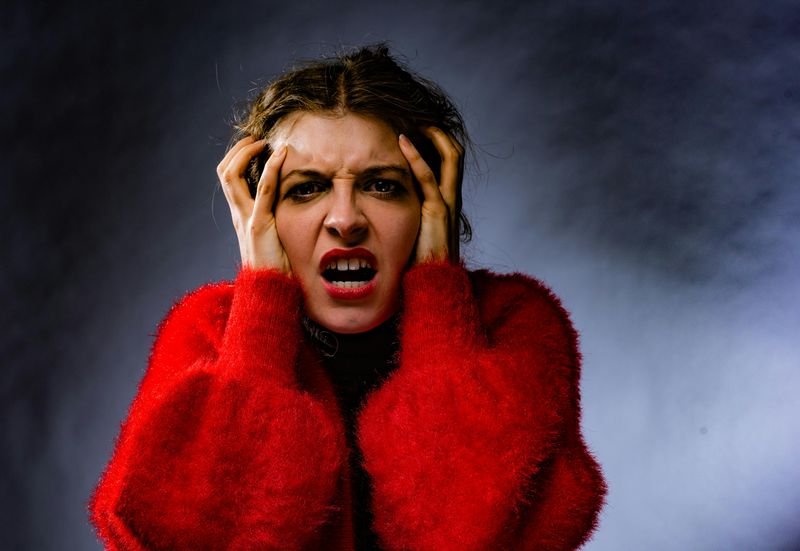
Real empaths often find emotional chaos draining because they genuinely absorb the feelings around them.
Fake empaths, strangely, seem to light up when things get messy.
They are the first to know about conflict, the last to leave a dramatic conversation, and somehow always nearby when things fall apart.
Drama gives them something to feed on, whether that is attention, information, or a sense of power.
If someone in your life consistently appears energized rather than troubled by your pain or the chaos around you, that is worth noticing.
Healthy support feels calming, not like adding fuel to a fire.
10. Their Apologies Never Come With Real Change

Apologies from a fake empath tend to follow a familiar pattern.
They say all the right things: “I understand how you feel,” “I am so sorry,” “I never meant to hurt you.”
But the same hurtful behavior shows up again within days or weeks, like the apology was just a reset button.
Words without action are just noise.
A genuine empath who truly understands your feelings would be motivated to change the behavior causing harm.
When apologies become a routine tool to keep you in the relationship without any real effort toward growth, you are dealing with manipulation dressed up as remorse.
11. You Always Feel Exhausted After Spending Time With Them

Your body keeps score even when your mind is still making excuses for someone.
One of the clearest signs of a fake empath is how you feel after spending time with them.
Real empathy creates connection and leaves you feeling understood.
Fake empathy leaves you feeling hollow and worn out.
Think about the people in your life and how you feel when you leave them.
Some people fill your cup and others quietly empty it.
If a self-proclaimed empath consistently leaves you feeling drained, anxious, or emotionally foggy, that feeling is important data.
Your energy is valuable, and it deserves to be protected.
Comments
Loading…