
 Hailey Watson
When two people fall in love, age might seem like just a number.
But when there’s a big difference in years between partners, that number can bring serious challenges.
From different life goals to unequal power in the relationship, age gaps create obstacles that many couples struggle to overcome.
Understanding these issues can help you decide if such a relationship is right for you.
1. Maturity Levels Don’t Always Match Up

Ever tried talking to someone who just doesn’t get where you’re coming from?
Partners at different ages often think and feel differently about life’s big questions.
One person might handle conflicts with calm discussion, while the other shuts down or gets overly emotional.
This gap in emotional development creates friction during disagreements.
Communication becomes harder when you’re not on the same wavelength.
What seems important to one partner might feel trivial to the other.
Over time, these mismatched responses pile up.
Small irritations turn into major frustrations.
Building a strong connection requires similar emotional intelligence, which age differences can seriously complicate.
2. You’re Living in Totally Different Life Chapters
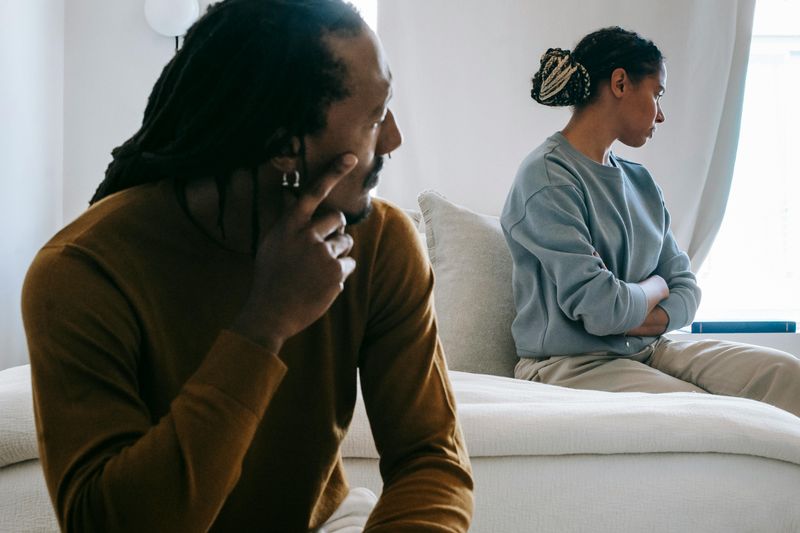
Picture this: you’re pumped about climbing the career ladder, working late nights to prove yourself.
Meanwhile, your partner’s thinking about slowing down, maybe retiring soon.
These conflicting timelines create constant tension about how to spend your days.
One person wants adventure and new experiences.
The other craves stability and quiet evenings at home.
Family planning becomes especially tricky when one partner already has grown kids while the other wants to start fresh.
Financial priorities clash too.
Saving for a first home versus protecting retirement funds pulls couples in opposite directions, making shared goals nearly impossible to achieve.
3. Power Struggles Become the Norm

Money talks, and in age-gap relationships, it often shouts.
The older partner typically has more savings, owns property, and carries greater social influence.
This financial advantage can shift relationship dynamics in unhealthy ways.
Decisions about spending, moving, or career changes might favor whoever holds the purse strings.
The younger partner may feel pressured to agree rather than rock the boat.
Life experience also creates imbalance, with one person always playing teacher while the other remains the student.
True partnerships require equality.
When one person consistently holds more cards, resentment builds on both sides, poisoning what could have been genuine love.
4. Judgmental Stares Follow You Everywhere

Walking hand-in-hand should feel romantic, not like running a gauntlet.
But age-gap couples often face raised eyebrows, whispered comments, and outright criticism from strangers.
Friends might make awkward jokes or express concern about the relationship.
Social media amplifies this judgment exponentially.
People feel entitled to share their opinions about your personal choices.
The stress of constant scrutiny wears down even the strongest bonds.
Women dating younger men face particularly harsh criticism compared to the reverse situation.
This double standard adds another layer of difficulty.
Defending your relationship repeatedly drains emotional energy that could strengthen your connection instead.
5. Health Issues Arrive at Different Times

Nobody stays young forever, but age-gap partners reach different health milestones on vastly different timelines.
While one person’s still running marathons, the other might be dealing with serious medical conditions.
This reality transforms romantic partnerships into caregiver relationships earlier than expected.
The younger partner may face decades of providing care rather than enjoying retirement together.
Physical intimacy changes as bodies age at different rates.
Energy levels for activities and travel don’t match up anymore.
Planning for the future means confronting mortality sooner.
One partner will likely spend many years alone, which casts a shadow over present happiness and creates underlying sadness.
6. Your References Go Over Each Other’s Heads

Remember that hilarious movie from your childhood?
Your partner probably doesn’t, because they were already an adult when it came out.
These gaps in shared cultural touchstones create surprising disconnects.
Music preferences, technology comfort levels, and humor styles often clash.
Nostalgia hits differently when you grew up in different decades.
Inside jokes fall flat.
Favorite shows, books, and historical events that shaped each person’s worldview don’t overlap.
While couples can certainly learn from each other’s generations, constantly explaining references gets exhausting.
Building intimacy becomes harder when you lack that common ground of shared memories and experiences that naturally bond people together.
7. Family Drama Multiplies Exponentially
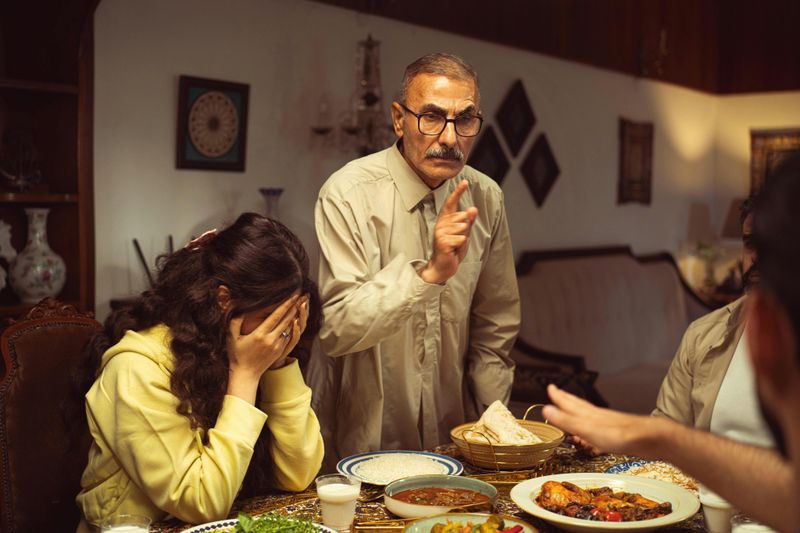
Thanksgiving dinner just got way more complicated.
Parents often struggle accepting their child’s partner who’s closer to their own age than their kid’s.
Siblings might accuse the older partner of manipulation or question their motives.
Children from previous relationships add another complicated layer.
Your partner’s adult kids might be your age or older, creating bizarre family dynamics.
They may resent you or refuse to accept the relationship entirely.
Holiday gatherings become minefields of tension rather than celebrations.
Family members might stage interventions or give ultimatums.
Choosing between your partner and family approval tears people apart emotionally, damaging relationships on all sides.
8. Planning Tomorrow Feels Like Solving a Puzzle

Should you buy that dream house or save for medical expenses?
Take that backpacking trip or stay close to doctors?
Future planning becomes incredibly complex when partners operate on different timelines.
Retirement savings strategies don’t align when one person has decades left to work.
Career opportunities might require moving, but health needs demand staying put.
One partner’s ready to check items off their bucket list while the other’s still building their resume.
Insurance, estate planning, and long-term care decisions get messy fast.
These aren’t small disagreements about paint colors—they’re fundamental differences about how to live your remaining years that can tear relationships apart.
Comments
Loading…