
 Isabel Parker
10 Reasons Why Once a Cheater, Always a Cheater Is 100% True

Infidelity shatters trust and leaves deep emotional scars that can last a lifetime.
When someone cheats, it raises an important question: will they do it again?
Many people believe that past behavior is the best predictor of future actions, and when it comes to cheating, this saying often rings true.
Understanding why cheaters tend to repeat their mistakes can help you protect your heart and make smarter choices in relationships.
1. Patterns of Behavior Are Hard to Break

Breaking old habits is tough, especially when those habits involve big decisions like staying faithful.
When someone cheats once, they’ve already crossed a line that most people never cross.
That first step is often the hardest part.
After cheating the first time, doing it again becomes easier because the mental barrier is already broken.
The guilt might be less intense the second time around.
Their brain has already justified the behavior once before.
Think of it like lying.
Once you tell one big lie, telling another doesn’t feel quite as wrong.
The same psychological principle applies to cheating, making it more likely to happen again and again.
2. They’ve Proven They Can Keep Secrets

Cheating requires serious sneaking skills.
Someone who successfully hides an affair has proven they can lie convincingly, delete messages, and create believable cover stories.
These aren’t skills that just disappear overnight.
The ability to compartmentalize their life into different sections is actually quite impressive, though used for terrible purposes.
They’ve mastered the art of living a double life.
Most people couldn’t pull that off even if they wanted to.
Once they know they’re capable of such elaborate deception, that knowledge stays with them.
If they got away with it before, they might feel confident they can do it again without getting caught.
3. The Thrill-Seeking Personality Doesn’t Change

Some people are just wired to crave excitement and novelty.
For these individuals, the danger and forbidden nature of cheating provides an adrenaline rush that normal relationships can’t match.
That personality trait is deeply ingrained.
Research shows that people who seek thrills in one area of life often do so in others too.
They might love extreme sports, gambling, or taking big risks.
Cheating fits perfectly into this pattern of behavior.
Even in a happy relationship, thrill-seekers might get bored and look for that next exciting experience.
The stability that most people want actually makes them uncomfortable.
Their need for excitement often wins out over loyalty.
4. They Lack Proper Consequences

What happens when someone cheats and faces no real consequences?
They learn that cheating is something they can get away with.
Maybe their partner forgave them too quickly or never found out at all.
Without facing serious repercussions, there’s no strong reason to change their behavior.
Humans learn through consequences, both good and bad.
When bad behavior goes unpunished, it tends to continue.
If they switched to a new relationship after cheating, they might even feel rewarded.
The cheating led them to someone new and exciting.
In their mind, cheating actually worked out pretty well, so why not try it again?
5. Emotional Immaturity Runs Deep

Cheating often stems from emotional immaturity and an inability to handle relationship problems like an adult.
Instead of communicating their needs or ending things properly, they take the easy way out.
Growing up emotionally is a slow process that doesn’t happen overnight.
Emotionally immature people struggle with delayed gratification.
They want what they want right now, regardless of long-term consequences.
This impulsive decision-making affects many areas of their life, not just relationships.
True emotional growth requires self-awareness, therapy, or major life experiences that force change.
Without actively working on themselves, cheaters remain stuck in the same immature patterns that led to infidelity in the first place.
6. Trust Issues Create Self-Fulfilling Prophecies
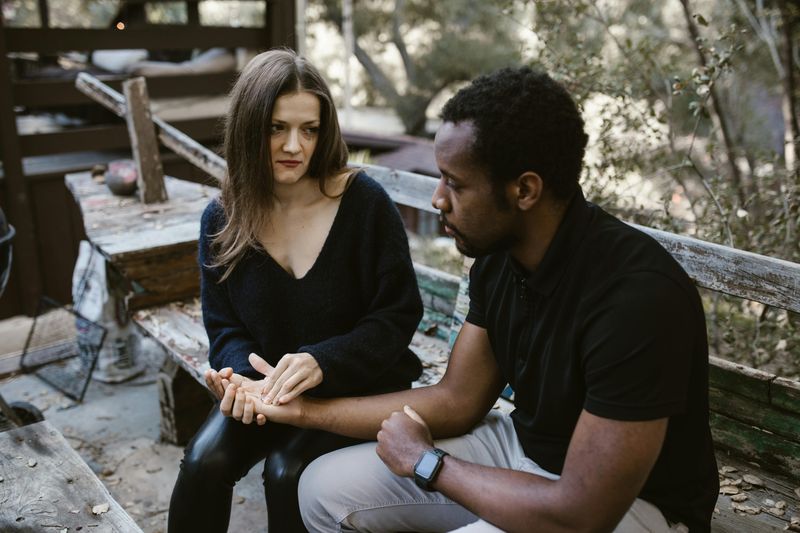
Here’s an interesting twist: people who cheat often don’t trust others.
They assume everyone is capable of cheating because they know they are.
This creates a cycle of suspicion and insecurity in all their relationships.
When you constantly suspect your partner of cheating, it damages the relationship.
The accused partner feels unfairly judged and the connection weakens.
Ironically, this tension might push the cheater to actually cheat again.
They justify it by thinking their partner is probably cheating too, even without evidence.
This warped logic helps them feel less guilty.
The trust issues that contributed to the first affair continue poisoning every relationship they enter.
7. They Never Addressed the Root Cause

Why did they cheat in the first place?
Maybe they have unresolved childhood trauma, self-esteem issues, or intimacy fears.
Unless they dig deep and address these core problems, the cheating will likely continue.
Most cheaters don’t spend time in serious self-reflection or therapy.
They might apologize and promise to change, but words without action mean nothing.
Real change requires understanding the why behind the behavior.
Imagine trying to fix a leaky roof by just painting over the water stains.
The problem keeps coming back because you never fixed the actual leak.
Similarly, cheaters who don’t address root causes will repeat their mistakes.
8. Narcissistic Traits Fuel Repeat Behavior

Many serial cheaters display narcissistic personality traits.
They believe they’re special and deserve whatever they want, regardless of who gets hurt.
Rules that apply to regular people simply don’t apply to them in their minds.
Narcissists lack genuine empathy for others.
They might understand intellectually that cheating hurts people, but they don’t truly feel that pain.
This emotional disconnect makes it easy to cheat repeatedly without remorse.
They’re also masters at playing the victim when caught.
Somehow, the cheating becomes about their needs not being met or their partner’s failures.
This mental gymnastics allows them to cheat again while still seeing themselves as good people.
9. Opportunity Plus Willingness Equals Repetition

Someone who cheated once has already demonstrated willingness.
In today’s world, opportunity is everywhere through social media, dating apps, and work relationships.
Combine willingness with constant opportunity and you’ve got a recipe for repeated cheating.
Technology makes it easier than ever to connect with potential affair partners.
A person who’s already shown they’ll cheat now has unlimited access to others.
The barriers that once prevented affairs have largely disappeared.
Every day brings new temptations and chances to stray.
A person with strong boundaries can resist these opportunities, but someone who’s already cheated has weak boundaries.
When opportunity knocks repeatedly, they’ll eventually answer the door again.
10. The Brain’s Reward System Gets Hijacked

Cheating triggers the brain’s reward system in powerful ways.
The secrecy, excitement, and physical pleasure create a chemical cocktail of dopamine and other feel-good hormones.
This neurological response is similar to addiction.
Just like someone addicted to gambling or drugs, a cheater’s brain remembers that intense pleasure.
During stressful times or moments of boredom, their brain craves that chemical rush again.
Willpower alone often isn’t enough to resist.
The brain literally gets rewired through repeated behavior.
Each time someone cheats, those neural pathways get stronger and more automatic.
Breaking this cycle requires more than just deciding to be faithful next time.
Comments
Loading…