
 Chloe Peterson
15 Animated Movies That Are Way Scarier Than You Remember
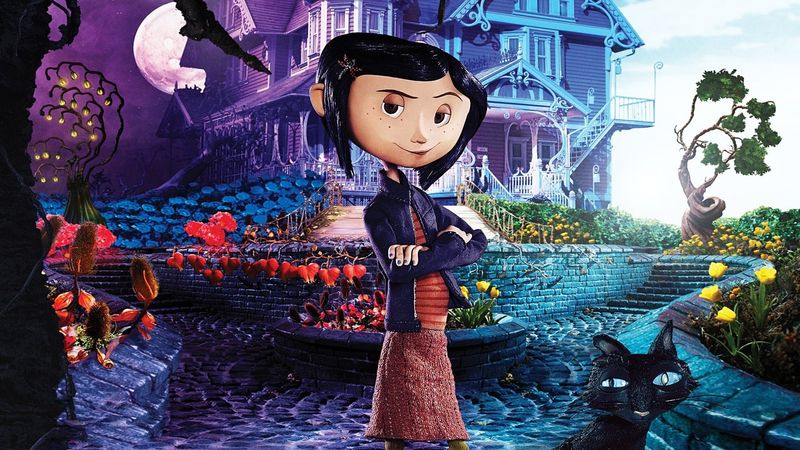
Some animated movies look harmless on the outside but hide genuinely terrifying moments beneath their colorful surfaces.
Whether you watched them as a kid or stumbled across them recently, certain scenes have a way of crawling back into your memory at the worst possible times.
From demonic imagery to psychological horror and body-warping transformations, these films pushed animation far beyond the boundaries of typical family entertainment.
Get ready to rethink everything you thought you knew about your childhood favorites.
1. Watership Down (1978)
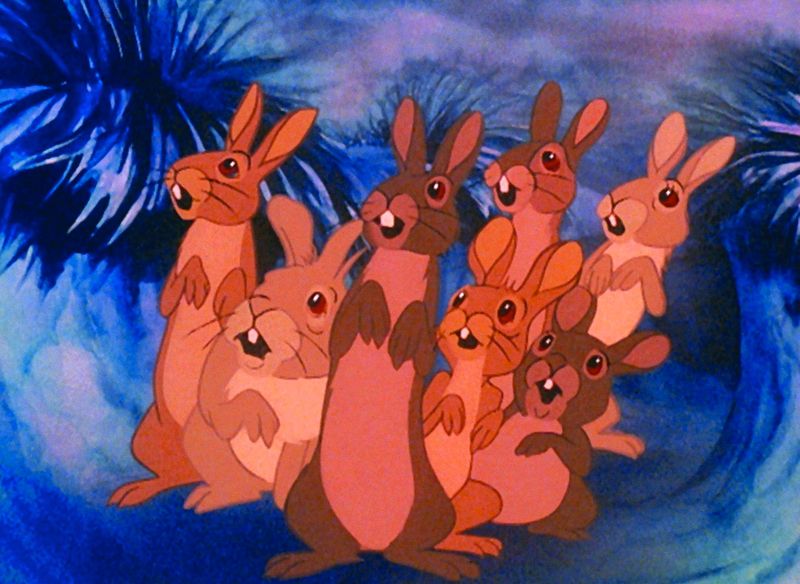
Nobody warned an entire generation of children that a movie about rabbits could be so brutally violent.
Watership Down opens with a mythological rabbit creation story soaked in blood and death, and it never really lets up from there.
The film was marketed toward families, but the content is anything but lighthearted.
Scenes of rabbits being gassed, slaughtered, and torn apart left viewers genuinely traumatized.
The haunting closing song “Bright Eyes” still carries an emotional weight that feels almost unbearable.
Watership Down is a survival epic wrapped in fluffy packaging, and it remains one of the most shocking animated films ever made.
2. The Brave Little Toaster (1987)
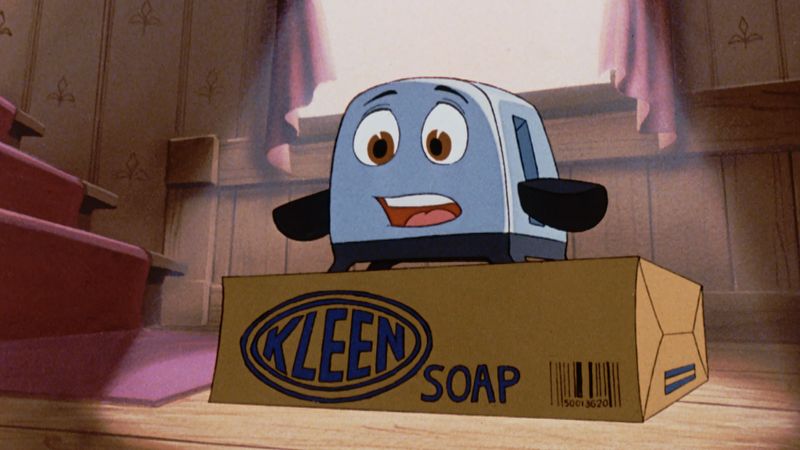
On the surface, a movie about a toaster and his appliance friends going on a road trip sounds completely harmless.
But The Brave Little Toaster is packed with themes of abandonment, existential fear, and mortality that hit surprisingly hard.
The dream sequence where the toaster is haunted by a terrifying clown firefighter remains one of the most genuinely disturbing moments in animation history.
There is also a junkyard scene featuring cars being crushed and singing about their own destruction, which carries a level of existential sadness that feels wildly out of place for a kids’ film.
It lingers with you.
3. Fantasia (1940)
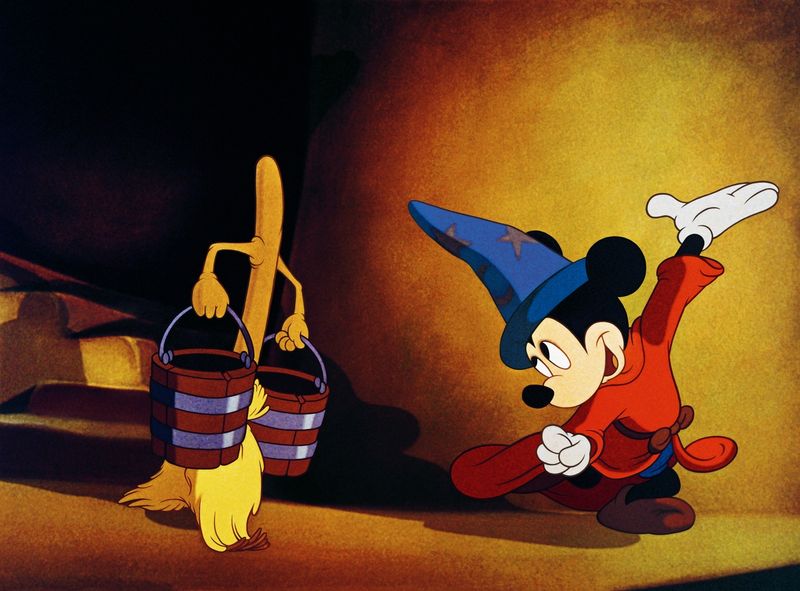
Most people remember Fantasia as a classical music showcase full of dancing hippos and enchanted brooms.
But the film saves its most disturbing content for last with the “Night on Bald Mountain” segment.
Chernabog, the enormous demon who commands the dead and summons evil spirits, is one of the most terrifying images Walt Disney ever put on screen.
The sequence is genuinely dark, featuring ghostly apparitions, writhing souls, and an overwhelming sense of ancient evil.
Even by modern standards, it feels unsettling.
Disney himself reportedly called Chernabog the embodiment of evil, and watching the segment, you completely understand why.
4. Pinocchio (1940)
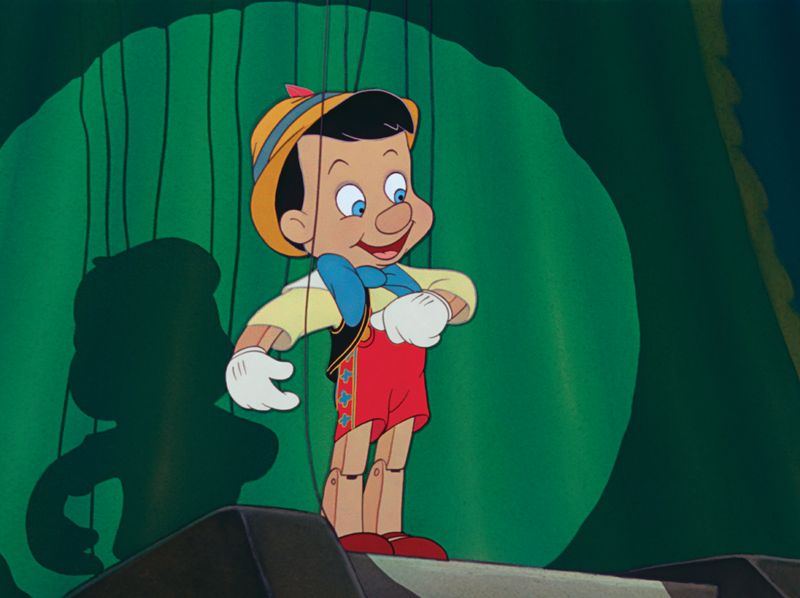
Pinocchio is often remembered as a charming classic about a wooden puppet who wants to be a real boy.
What tends to get glossed over is just how genuinely terrifying Pleasure Island is.
Boys who misbehave are slowly transformed into donkeys, screaming and crying as their bodies change against their will, and then they are sold off to work in salt mines.
That transformation sequence is body horror by any definition of the term.
The film also features Monstro, a whale so enormous and aggressive that his chase sequence still triggers a primal sense of panic.
Pinocchio earns its dark reputation completely.
5. Dumbo (1941)
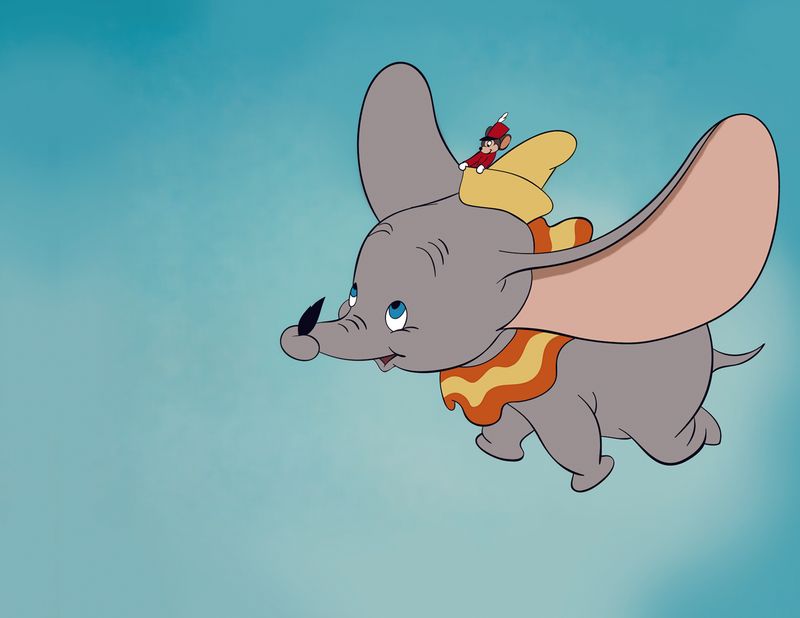
Dumbo is a tearjerker that most people remember for its heartwarming story of a misfit elephant finding his confidence.
But tucked inside this gentle film is one of the strangest and most unsettling sequences in Disney history.
After accidentally drinking alcohol, Dumbo hallucinates an extended parade of pink elephants that morph, melt, and transform in deeply bizarre ways.
The animation is deliberately disorienting, with creatures fusing together and dissolving into surreal shapes that feel closer to a fever dream than a children’s movie.
Even adults watching it today find the sequence oddly disturbing.
It is a jarring left turn that nobody ever fully forgets.
6. The Black Cauldron (1985)
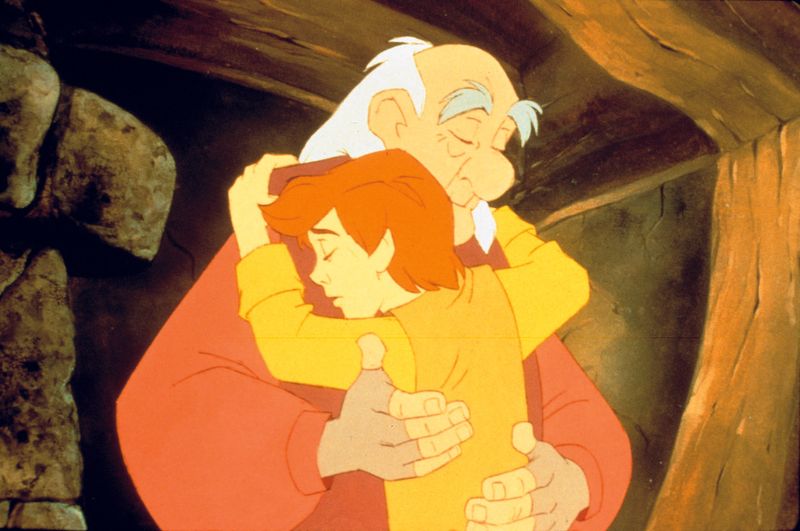
Disney’s most forgotten film is also one of its darkest by a significant margin.
The Horned King is a genuinely terrifying villain, a skeletal warlord who raises an army of the undead using an ancient magical cauldron.
His design and delivery feel less like a Disney antagonist and more like something out of a dark fantasy novel for adults.
The film was so intense that Disney reportedly had to cut several scenes to avoid an R rating, which says a lot about what they were originally working with.
Despite its box office failure, The Black Cauldron remains a fascinatingly grim chapter in Disney’s animated history that deserves more attention.
7. Coraline (2009)
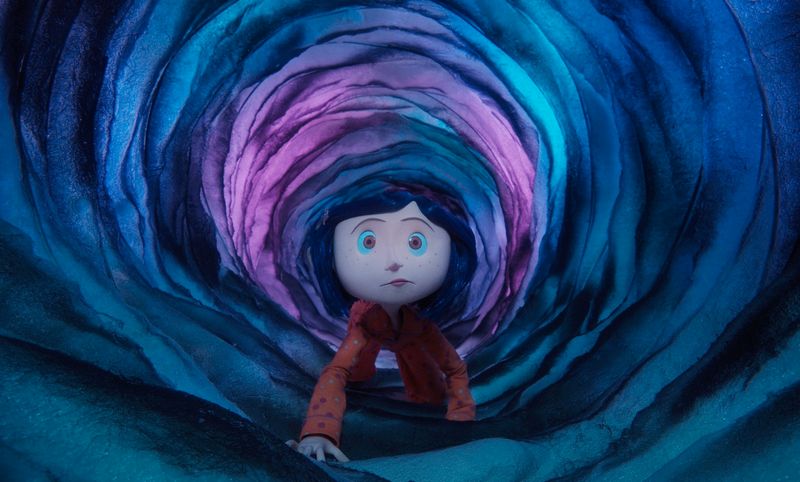
Few animated films have managed to get under your skin quite like Coraline.
What starts as a curious adventure into a colorful parallel world quickly shifts into something deeply unsettling.
The “Other Mother” starts out warm and inviting, but her true form is a nightmare made of sharp angles and hollow eyes.
Director Henry Selick crafted every frame with deliberate unease, using stop-motion animation to make everything feel slightly off.
The button eyes alone have haunted countless viewers for years.
Coraline is a masterclass in psychological dread dressed up in stunning visuals that trick you into a false sense of comfort.
8. The Nightmare Before Christmas (1993)
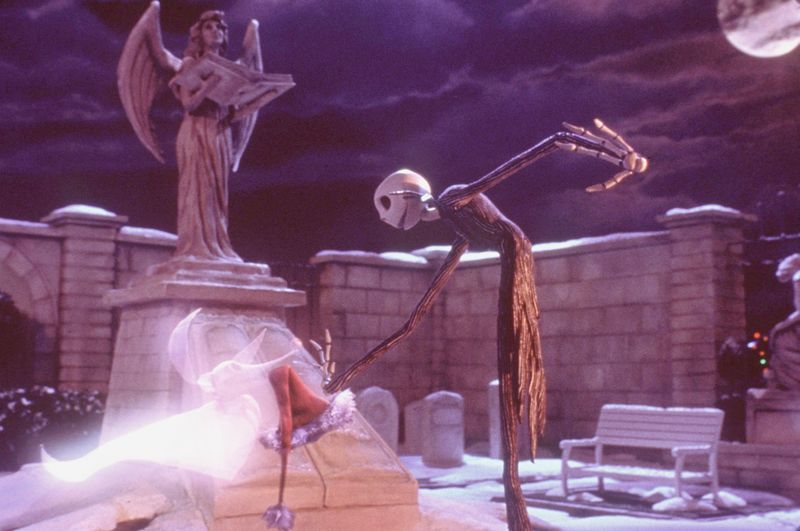
Tim Burton’s gothic masterpiece has become a pop culture staple, but revisiting it as an adult reveals just how effectively creepy the whole thing really is.
Halloween Town is populated with genuinely unsettling character designs, from the stitched-up Sally to the mischievous trio Lock, Shock, and Barrel.
The Oogie Boogie villain sequence, complete with insects spilling out of his burlap body, is particularly gross in the best way.
Jack Skellington’s existential crisis at the center of the story adds a surprisingly melancholy undercurrent to the chaos.
It blends whimsy and dread in a way that feels uniquely Tim Burton, and the balance still holds up brilliantly today.
9. Spirited Away (2001)
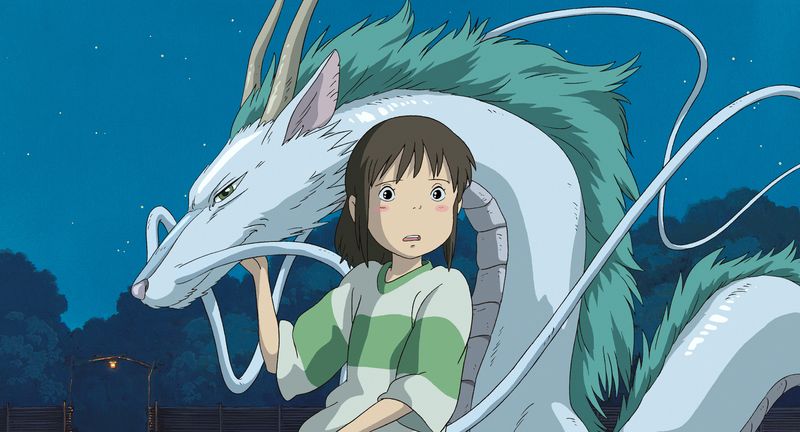
Studio Ghibli’s beloved masterpiece is frequently recommended to children, but Spirited Away contains some genuinely strange and disturbing content beneath its magical surface.
Chihiro’s father transforms into a pig while greedily eating food that wasn’t meant for humans, which is both horrifying and a pointed metaphor about greed.
No-Face, a spirit who absorbs the personalities and bodies of others, becomes increasingly grotesque as the film progresses.
The bathhouse setting has a dreamlike quality that occasionally tips into full nightmare territory, with creatures that defy logic and a world where the rules keep shifting.
Hayao Miyazaki crafted something beautiful and deeply unsettling all at once.
10. Perfect Blue (1997)
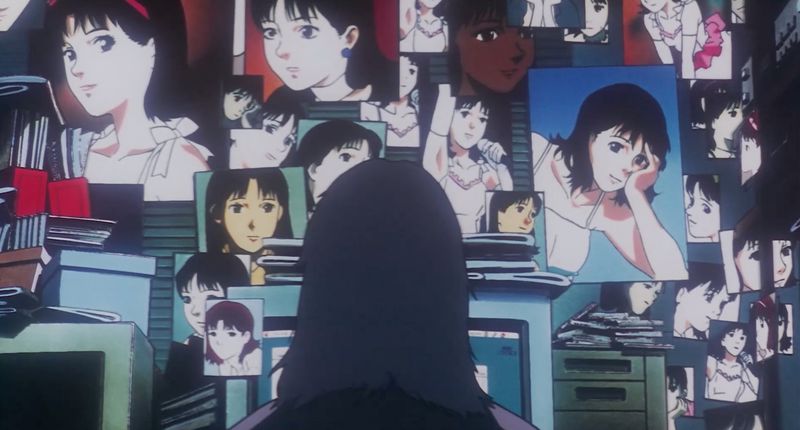
Perfect Blue is not a film most people think of when animated movies come up, but it absolutely belongs in the conversation about psychological horror.
Director Satoshi Kon crafted a story about a pop idol whose grip on reality begins to crumble as she transitions into acting.
The line between what is real and what is delusion becomes increasingly impossible to track.
Scenes of graphic violence, stalking, and identity fragmentation make this one of the most genuinely disturbing animated films ever produced.
It predates Black Swan by over a decade and covers similar psychological territory with equal intensity.
Perfect Blue is not for the faint-hearted, full stop.
11. Akira (1988)
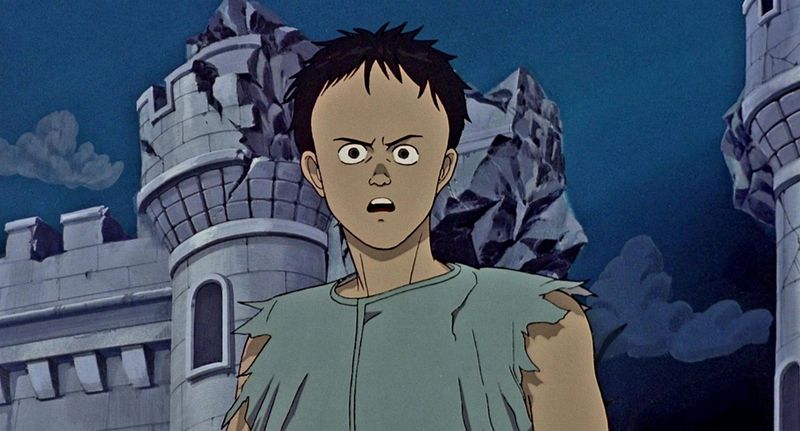
Akira set the standard for mature animated storytelling and proved that animation could handle themes as heavy as any live-action film.
Set in a dystopian Neo-Tokyo, the story follows motorcycle gang members caught up in government conspiracies and psychic experiments gone catastrophically wrong.
The body horror in the final act, where a character undergoes a grotesque physical transformation, remains one of the most shocking sequences in animation history.
The film is relentlessly intense, filled with military violence, psychic destruction, and a pervasive sense that civilization is on the verge of total collapse.
Akira does not soften its edges for anyone, and that commitment makes it unforgettable.
12. Monster House (2006)
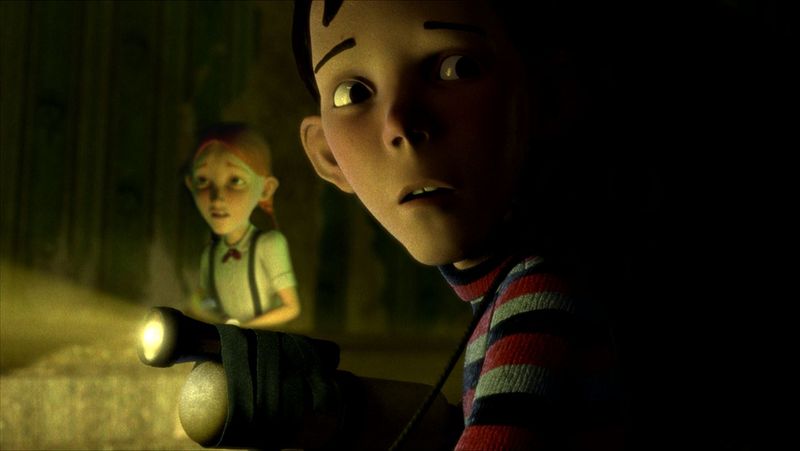
Monster House looked like a fun Halloween movie for kids when it came out, and the trailers made it seem perfectly harmless.
But the film is genuinely tense in a way that surprised a lot of parents who sat down to watch with their children.
The house itself is a fully realized monster with a tragic and disturbing backstory involving a woman who was accidentally buried inside the foundation.
The interiors of the house function like a living digestive system, which is a concept that gets more unsettling the longer you think about it.
Monster House earns its scares honestly and remains one of the most atmospheric animated films of the 2000s.
13. 9 (2009)
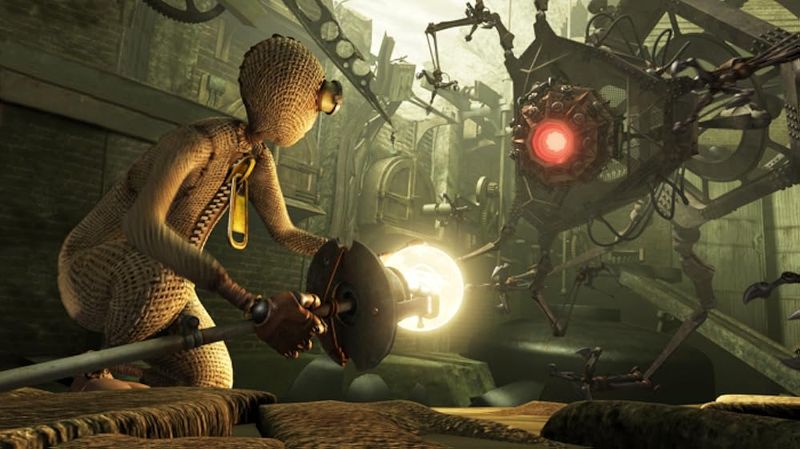
Shane Acker’s 9 arrives with a premise that sounds almost cute: tiny stitchpunk creatures trying to survive in a ruined world.
But the execution is anything but adorable.
The machines that hunt them are genuinely terrifying, especially the Fabrication Machine, which fuses organic material with mechanical parts in ways that feel deeply wrong.
The world itself is bleak and hopeless, covered in ash and the remnants of human civilization.
Characters die in ways that feel surprisingly final and impactful for an animated film.
The atmosphere of constant dread never lifts, making 9 one of the most oppressively dark animated features to come out of a major studio in recent memory.
14. ParaNorman (2012)
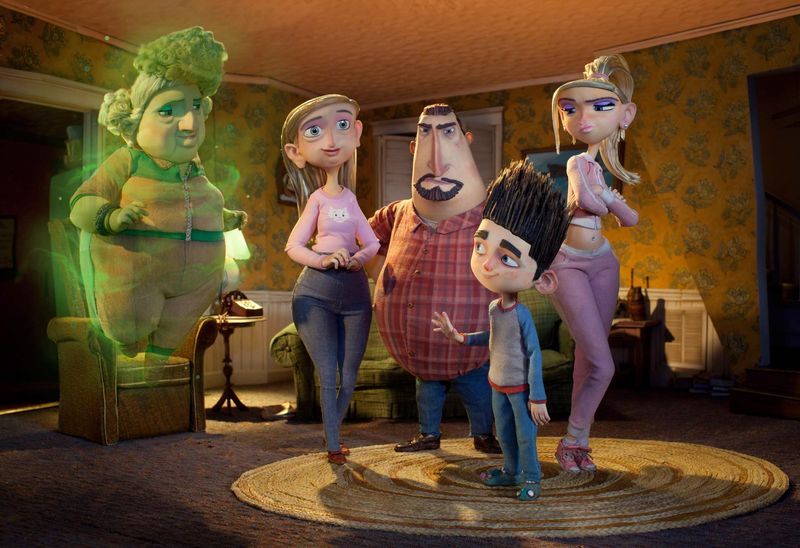
ParaNorman presents itself as a quirky, funny movie about a kid who can talk to ghosts, and it absolutely delivers on the humor.
But underneath the jokes and colorful animation lies a story with some genuinely dark emotional themes.
The film explores bullying, mob mentality, and the way fear causes ordinary people to do terrible things to those they do not understand.
The climax, which reveals the true nature of the witch’s curse, carries a surprising emotional gut-punch that reframes the entire story.
Some of the zombie sequences and supernatural storm effects are also legitimately eerie.
ParaNorman respects its young audience enough to not shy away from the harder truths it has to tell.
15. The Secret of NIMH (1982)
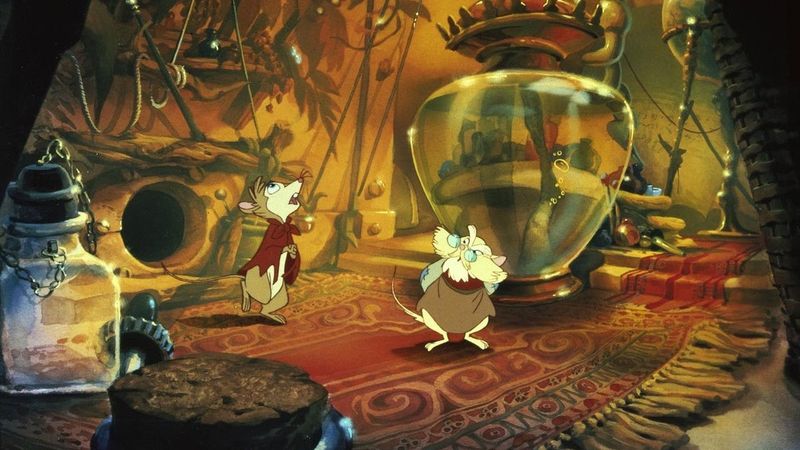
Don Bluth wanted to prove that animation could tackle serious, dark themes, and The Secret of NIMH delivered on that promise in a big way.
The story follows a widowed mouse mother desperately trying to save her sick child, but the world she navigates is full of genuine danger.
Shadowy villains, terrifying owl encounters, and a backstory involving scientific experimentation on animals give the film an unusually heavy tone.
The animation itself is strikingly dark, filled with rich, moody colors that feel more like a gothic fairy tale than a children’s movie.
It earned its reputation as one of animation’s most emotionally intense experiences.
Comments
Loading…