
 Chloe Peterson
The 10 Most Covered Rock Songs That Shaped Music History
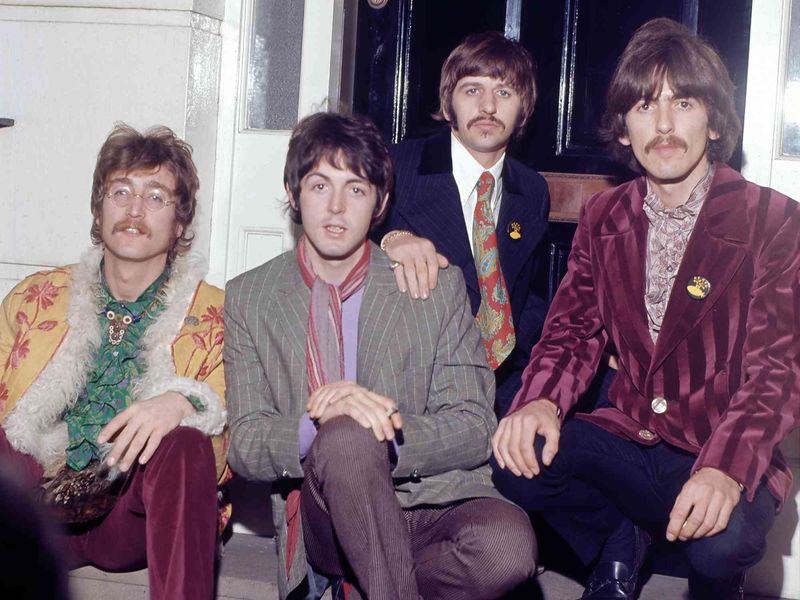
Some songs are so powerful that artists across every genre feel compelled to make them their own.
From heartfelt ballads to rebellious anthems, certain rock songs have been covered hundreds of times over decades, proving their timeless appeal.
These tracks did more than top the charts — they became blueprints for musical expression that still inspire performers today.
Get ready to explore the songs that have been reimagined, reinvented, and reborn more than almost any others in music history.
1. Yesterday by The Beatles (1965)
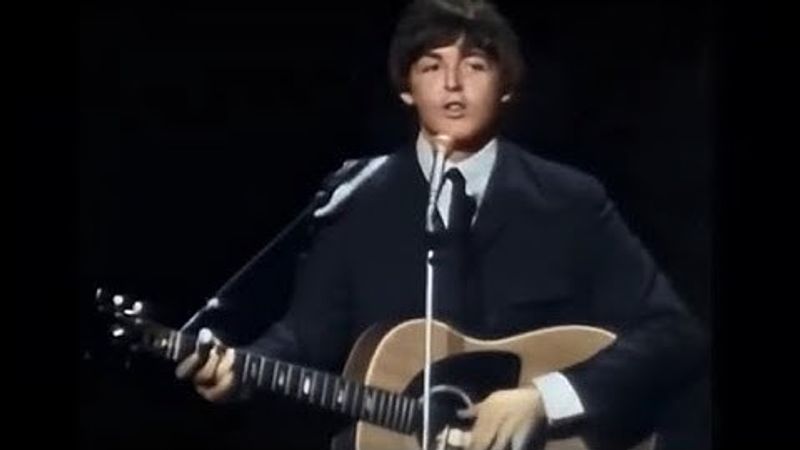
Holding the Guinness World Record for the most covered song ever, “Yesterday” by The Beatles is nothing short of a musical miracle.
Paul McCartney reportedly woke up with the melody fully formed in his head — he thought he must have heard it somewhere before.
That kind of effortless genius is rare.
Its stripped-down acoustic arrangement makes it a perfect canvas for any performer.
Jazz musicians, classical orchestras, and bedroom acoustic artists have all taken a turn.
The emotional simplicity of the lyrics — about loss and longing — connects with listeners no matter the era or style.
2. (I Can’t Get No) Satisfaction by The Rolling Stones (1965)
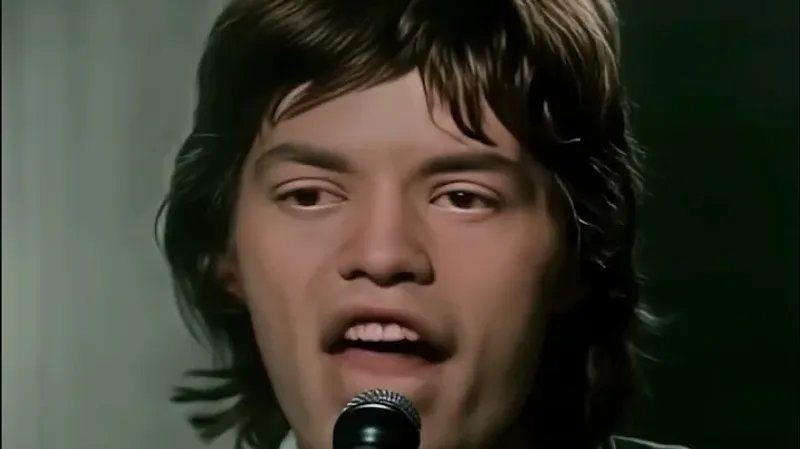
Few guitar riffs in history hit as hard as the opening of “Satisfaction.” Keith Richards supposedly came up with it half-asleep, recording it on a cassette player beside his bed before drifting off again.
By morning, rock history had been quietly made.
The song’s rebellious spirit taps into a universal frustration that never goes out of style.
That’s exactly why artists from Devo to Britney Spears have taken their own shot at it.
Each cover reveals something new — whether it’s raw anger, playful irony, or cool detachment — proving the riff’s almost infinite flexibility across genres.
3. Eleanor Rigby by The Beatles (1966)
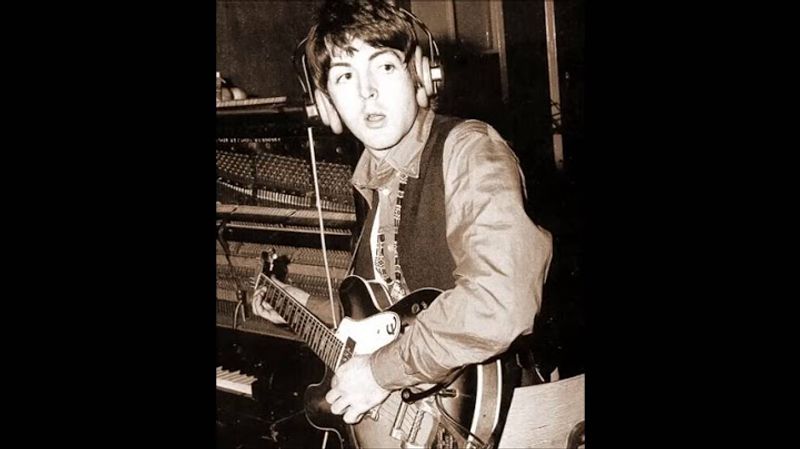
No drums, no guitars — just strings and a story.
“Eleanor Rigby” broke the mold of what a pop song could be, painting a haunting portrait of loneliness through orchestral arrangement and vivid characters.
It felt more like a short film than a pop track.
Cover artists are consistently drawn to its emotional weight and cinematic texture.
Some reimagine it with modern production, while others strip it back to a single voice and instrument.
The song’s melancholic core remains untouched regardless of the approach.
Aretha Franklin recorded one of the most celebrated versions, adding gospel soul to its already powerful narrative.
4. And I Love Her by The Beatles (1964)
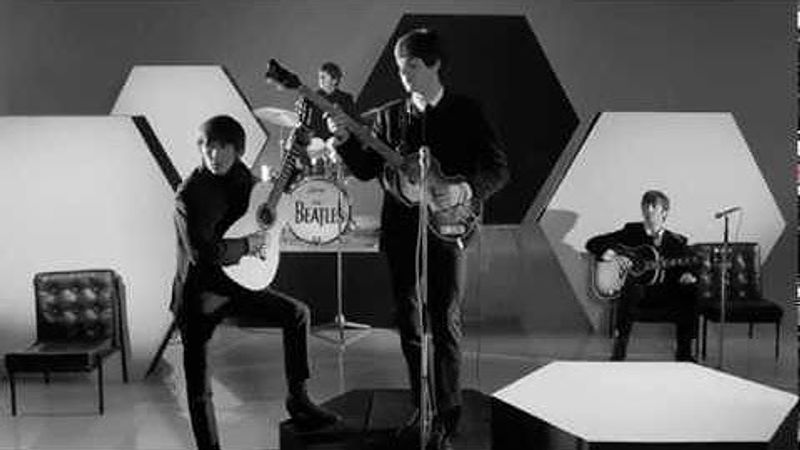
Quiet, tender, and utterly timeless — “And I Love Her” is one of the Beatles’ most understated gems.
Written by Paul McCartney with a touch from John Lennon, it stands out for its classical guitar melody and restrained emotional delivery.
Nothing about it is flashy, and that’s exactly the point.
Jazz musicians love its chord structure.
Vocalists adore its intimacy.
Acoustic performers find it perfectly suited to a single spotlight and a quiet room.
Over the decades, artists from Esther Phillips to countless indie musicians have made it their own, each bringing a fresh shade of warmth to its timeless romantic message.
5. With a Little Help from My Friends by The Beatles (1967)
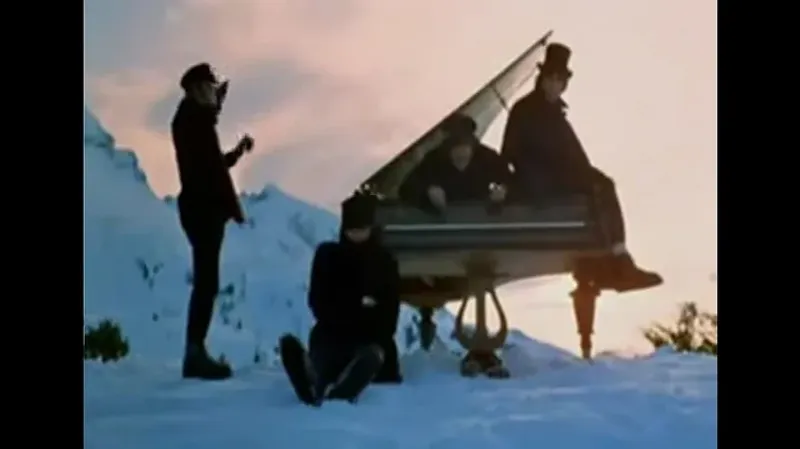
Originally sung by Ringo Starr on the Sgt.
Pepper’s album, this song feels like a warm hug in musical form.
Its message — that we all get by with support from the people around us — is as relevant today as it was in 1967.
Few themes are more universally relatable.
Joe Cocker turned it into a soulful powerhouse at Woodstock in 1969, transforming the cheerful original into something raw and deeply moving.
That performance became iconic in its own right.
The song’s flexible tempo and singalong chorus give every artist room to make it feel personal, powerful, and completely their own.
6. Hey Jude by The Beatles (1968)
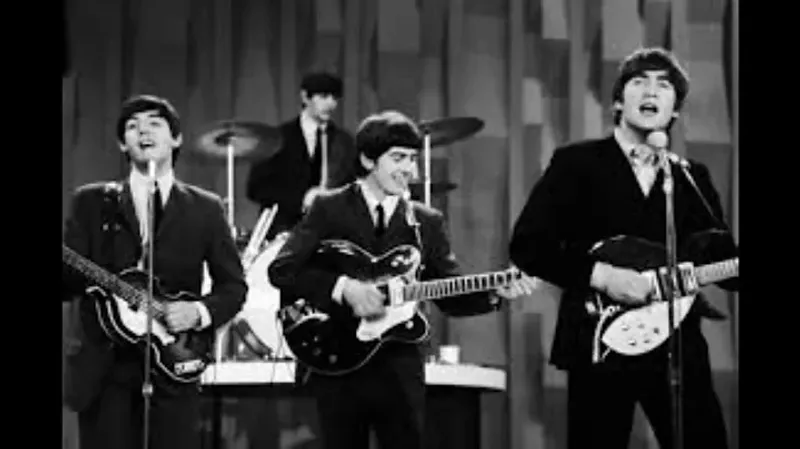
At over seven minutes long, “Hey Jude” was one of the longest singles ever released when it came out — and audiences loved every second of it.
The song was written by Paul McCartney to comfort John Lennon’s son Julian during his parents’ divorce, giving it a deeply personal origin.
Its slow emotional build toward the famous “na-na-na” outro is what makes it so irresistible to cover artists.
Solo pianists, full orchestras, and rock bands have all tackled it.
The outro alone invites crowd participation in a way few songs can match.
Every performance becomes a shared experience between the artist and the audience.
7. Let It Be by The Beatles (1970)
There is something almost sacred about “Let It Be.”
Paul McCartney wrote it after dreaming of his late mother, Mary, who spoke words of comfort to him during a difficult period for the band.
That spiritual origin gives the song an emotional depth that resonates far beyond rock music.
Church choirs, gospel groups, and solo acoustic performers have all found a home in its melody.
The song’s message of acceptance and peace travels effortlessly across cultures and generations.
Its memorable piano intro is instantly recognizable worldwide.
Whether performed in a concert hall or a candlelit living room, it always manages to feel genuinely comforting.
8. Ticket to Ride by The Beatles (1965)
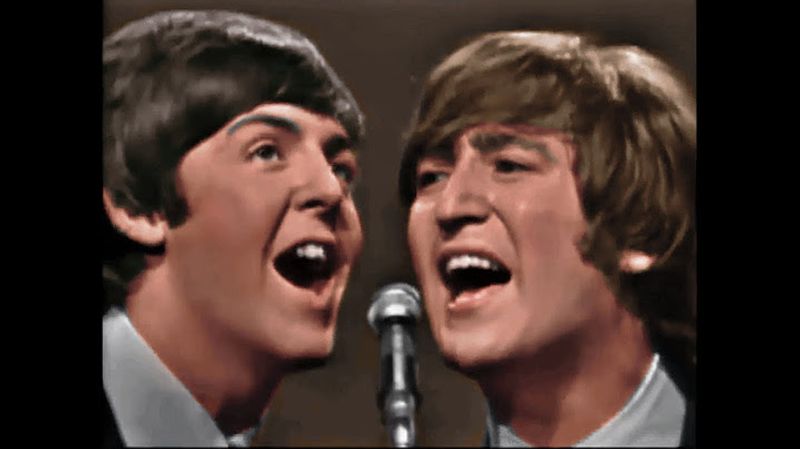
“Ticket to Ride” has a heavier, more unsettled groove than most Beatles songs of its era — John Lennon even called it one of the first heavy metal records, which is a bold claim but not entirely wrong.
The rhythm section carries a weight that feels ahead of its time.
That distinctive pulse has made it a fascinating challenge for cover artists.
Some slow it down into a brooding ballad, while others crank up the energy into full-throttle rock.
The Carpenters famously gave it a lush, melancholic treatment that transformed the song completely.
Its adaptability across tempos and moods keeps artists coming back to it decade after decade.
9. All Along the Watchtower by Bob Dylan (1967)
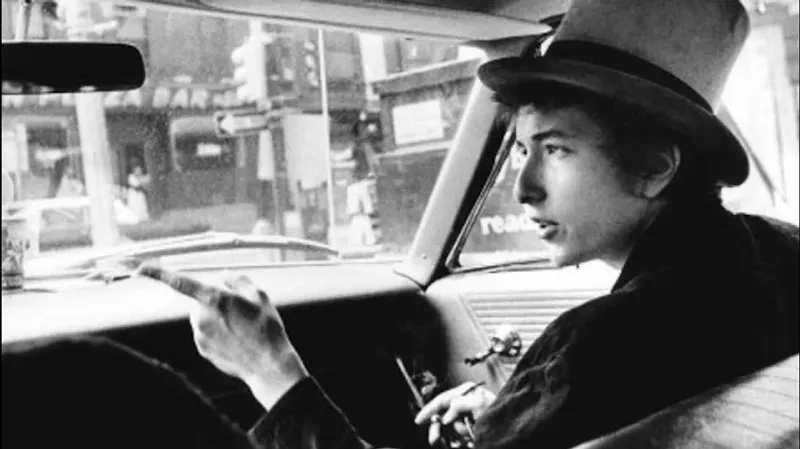
Bob Dylan wrote “All Along the Watchtower” in 1967, but Jimi Hendrix made the world fall in love with it.
Hendrix’s electrifying guitar work turned Dylan’s folk composition into a hard rock landmark, and Dylan himself has said he prefers Hendrix’s version.
That’s a rare and remarkable compliment from a songwriter to a cover artist.
The song’s cryptic, almost biblical lyrics have sparked endless interpretation.
Artists from U2 to Dave Matthews Band have added their own chapters to its story.
Its driving chord progression and mysterious imagery make it a natural fit for performers who want to bring raw intensity and personal meaning to a classic.
10. Proud Mary by Creedence Clearwater Revival (1969)
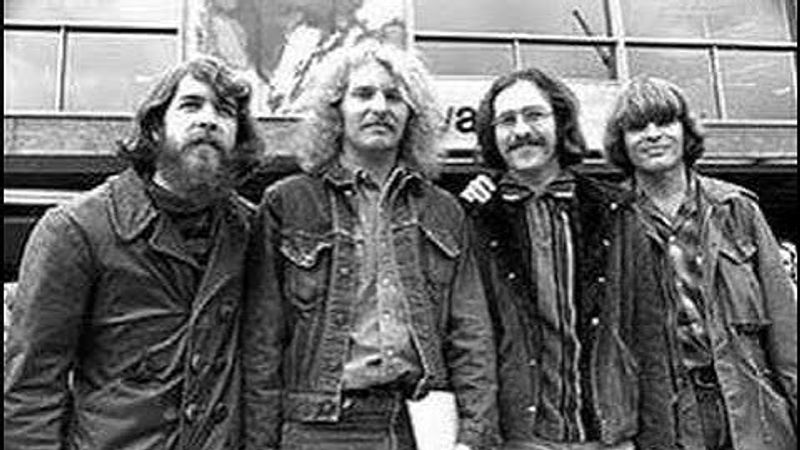
“Rollin’ on the river” — four words that instantly transport listeners to the heart of American roots music.
John Fogerty wrote “Proud Mary” in 1969, and it became a hit almost overnight.
Its storytelling lyrics and irresistible groove tapped into something deeply American, blending rock, country, and soul in one rolling package.
Tina Turner’s explosive 1971 version took the song to an entirely new level, pairing a slow, sultry opening with a high-energy finale that left audiences breathless.
That two-part structure became her signature performance style.
Today, the song remains a staple for live performers who want to command a stage and own every corner of the room.
Comments
Loading…