
 Harper Hall
10 Things Americans Do at Home That Low-Key Confuse Everyone Else
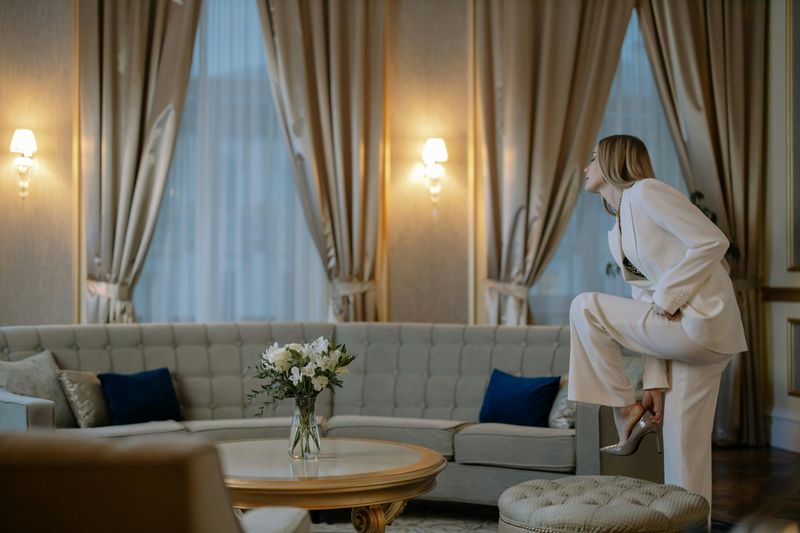
Every country has its own set of quirky home habits that seem totally normal to locals but leave outsiders scratching their heads. Americans are no exception — from the way they keep their homes to the foods they store in their fridges, some everyday routines are genuinely baffling to people from other parts of the world.
Whether you grew up in the U.S. or are visiting for the first time, these habits are worth a second look. Get ready to see your own home through fresh eyes.
1. Keeping the Shoes On Indoors
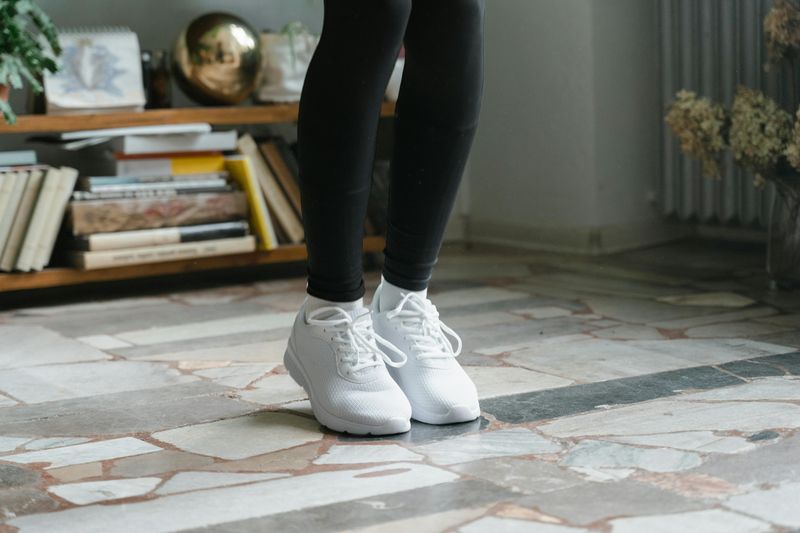
Walk into almost any home outside the United States, and you will likely find a neat row of shoes sitting right at the front door.
In many Asian, European, and Middle Eastern households, removing shoes before entering is a deeply rooted sign of respect and cleanliness.
Americans, on the other hand, often keep their shoes on without a second thought.
For people from shoe-free cultures, this habit can feel genuinely unsettling.
Think about everything those soles have touched — sidewalks, public restrooms, parking lots.
Yet somehow, American carpets and hardwood floors are considered fair game.
2. Owning a Garbage Disposal in the Kitchen Sink
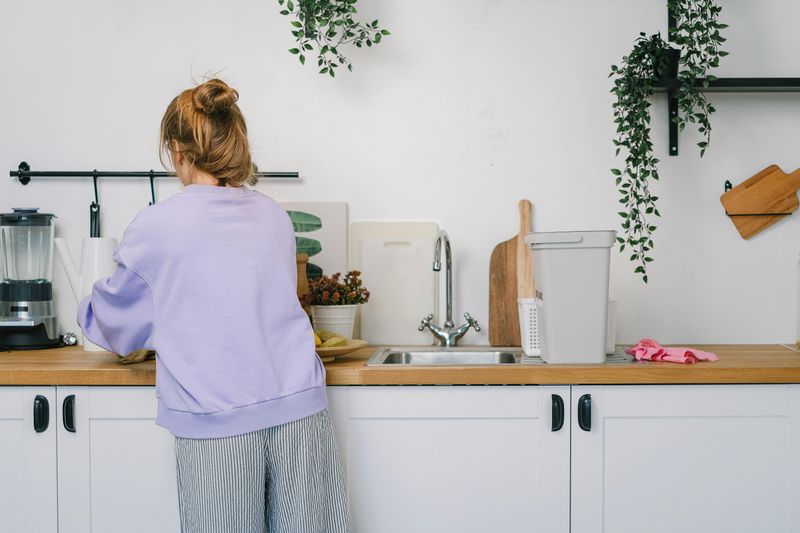
Flip a switch, hear a loud grinding noise, and watch food scraps disappear down the drain — welcome to the garbage disposal, an American kitchen staple that baffles most of the world.
In many countries, this appliance is either illegal, unavailable, or simply unheard of.
Visitors from Europe or Asia often stare at the sink switch with a mix of curiosity and alarm.
The idea of shredding food waste through plumbing seems both impressive and slightly terrifying.
Americans, meanwhile, cannot imagine life without it.
It is one of those conveniences that feels completely ordinary once you grow up with it.
3. Using Enormous Refrigerators Packed with Food

Somewhere between a small appliance and a walk-in closet, the American refrigerator is a monument to abundance.
Visitors from Europe are often shocked by the sheer size of these units — and even more surprised by how stuffed they are with bulk groceries, leftovers, and enough condiments to stock a restaurant.
In many countries, people shop daily for fresh food and have smaller fridges to match.
The American habit of bulk-buying at warehouse stores like Costco and filling every shelf to capacity feels excessive to outsiders.
But for Americans, a full fridge simply means a well-prepared household ready for anything.
4. Drinking Iced Water with Every Meal
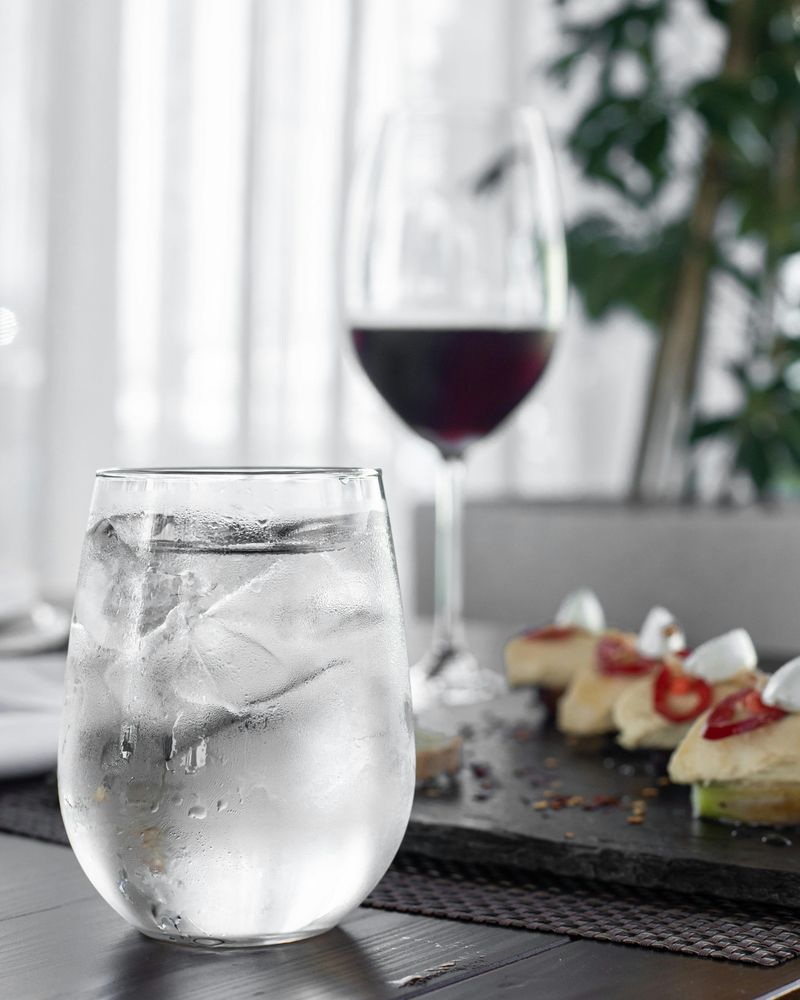
Ask for water at a restaurant or a friend’s home in the United States, and you will almost certainly receive a giant glass filled to the brim with ice.
For Americans, this is refreshing and completely standard.
For guests from many other countries, it is somewhere between puzzling and mildly shocking.
In France, Germany, Japan, and much of Latin America, room-temperature or warm water is preferred, especially during meals.
Some cultures even believe cold water during eating is bad for digestion.
Americans tend to disagree — loudly and with extra ice.
The colder, the better, no questions asked.
5. Having a Separate Formal Living Room Nobody Uses
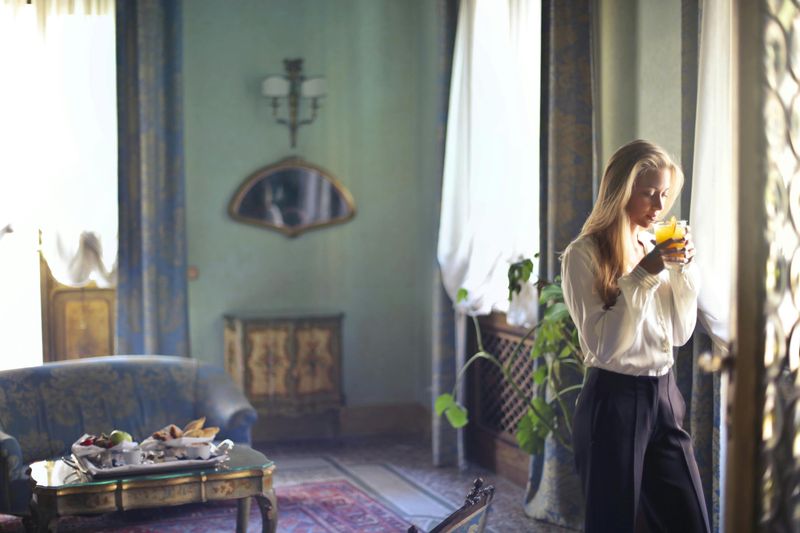
Many American homes have two living rooms — one where the family actually hangs out, and another that looks like it belongs in a furniture catalog.
The formal living room is often off-limits for everyday life, reserved only for holidays, guests, or special occasions that may never come.
People from smaller homes or apartments around the world find this concept almost comical.
Why maintain an entire room that no one sits in?
Americans, however, tend to see it as a point of pride — a polished, guest-ready space that signals the household is put-together and ready to impress at any moment.
6. Carpeting the Entire House, Including Bathrooms
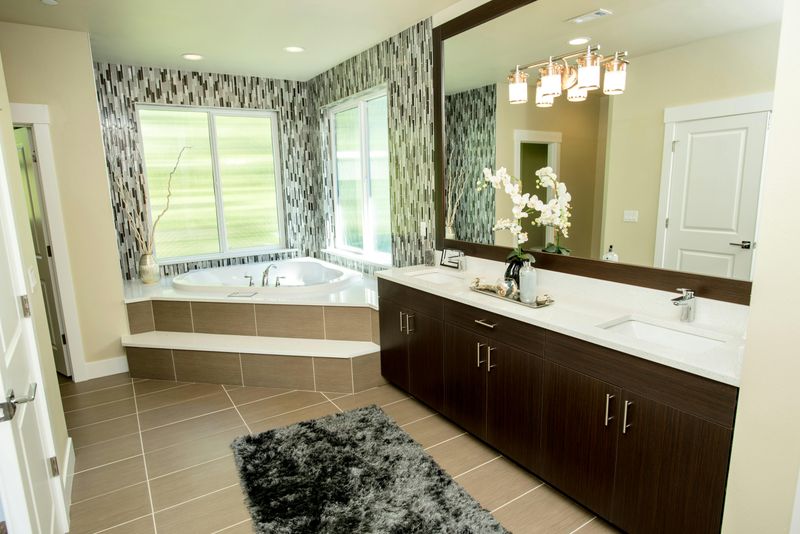
Wall-to-wall carpeting is a classic American home feature — and while most people accept it in bedrooms and living rooms, carpeted bathrooms take things to a whole new level of confusion for international visitors.
The idea of soft fabric flooring in a room where water, humidity, and splashing are daily realities seems deeply impractical.
People from tile-loving cultures in Europe, Asia, and the Mediterranean genuinely cannot wrap their heads around this one.
Carpet in the bathroom traps moisture, grows mold, and absorbs odors over time.
Yet generations of Americans grew up with it and found it perfectly cozy.
Strange but true.
7. Smiling and Chatting with Complete Strangers

Americans have a reputation around the world for being extraordinarily friendly — sometimes uncomfortably so, depending on where you are from.
Striking up a conversation with a total stranger in an elevator, a grocery store aisle, or even a public restroom is completely normal American behavior.
For people from countries where privacy and personal space are deeply valued — like Japan, Germany, or Russia — this level of casual friendliness can feel intrusive or even suspicious at first.
Why is this stranger telling me about their weekend plans?
Over time, though, many visitors come to appreciate the warmth.
It grows on you surprisingly fast.
8. Storing Peanut Butter in the Pantry Like a Staple
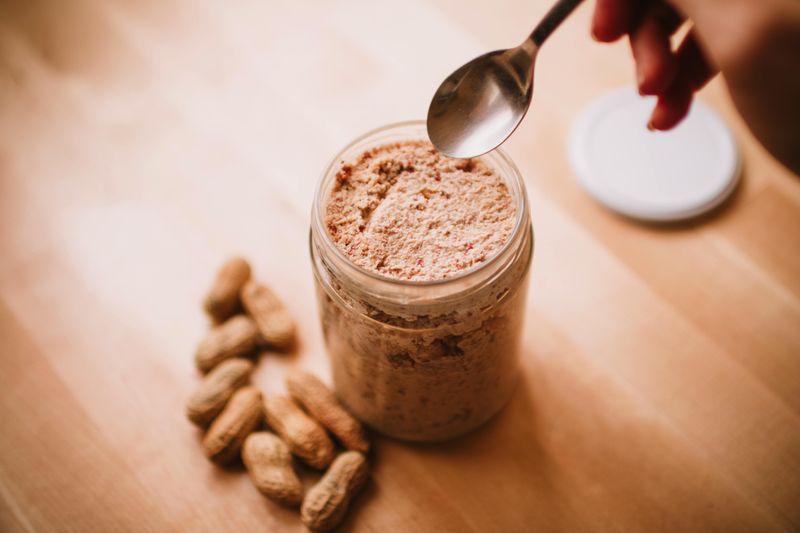
Peanut butter is practically a religion in American households.
It sits in the pantry, ready for sandwiches, snacks, smoothies, and late-night spoonfuls straight from the jar.
Most Americans grow up eating PB&J sandwiches as a childhood staple, and the love affair never really ends.
Interestingly, peanut butter is not nearly as beloved — or even widely available — in many other parts of the world.
Europeans often find the taste too sweet or the texture too thick.
In some countries, it is an imported specialty item found only in international grocery stores.
What Americans consider a basic necessity, much of the world considers a novelty.
9. Having a Dedicated Laundry Room Inside the House
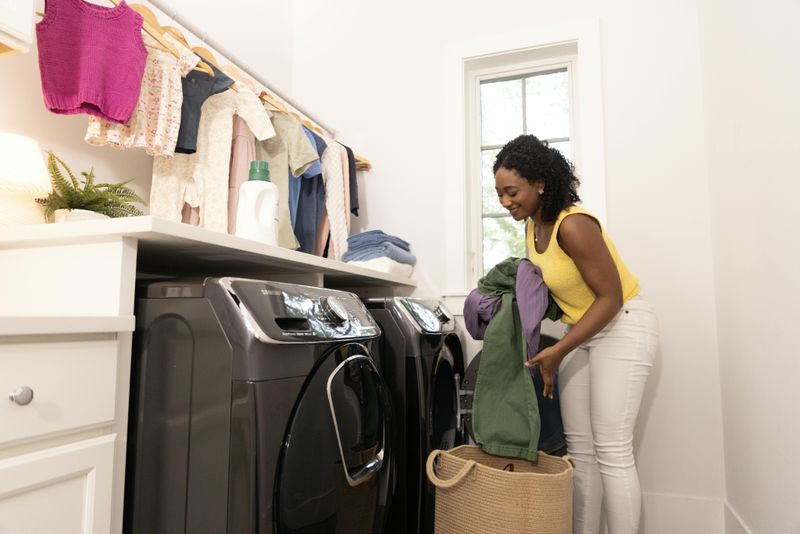
In many countries, doing laundry means heading to a shared laundromat, hanging clothes on a balcony line, or tucking a small washing machine into the kitchen.
The idea of having an entire room in your home dedicated solely to washing and drying clothes is a luxury that much of the world simply does not experience.
American homes commonly feature a full laundry room, often with a washer-dryer combo, storage for supplies, and even a folding counter.
For visitors from Europe or Asia, this feels almost extravagant.
For Americans, it is just Tuesday.
Having clean, dry clothes without leaving the house feels like the bare minimum.
10. Air Conditioning Set to Arctic Temperatures Year-Round
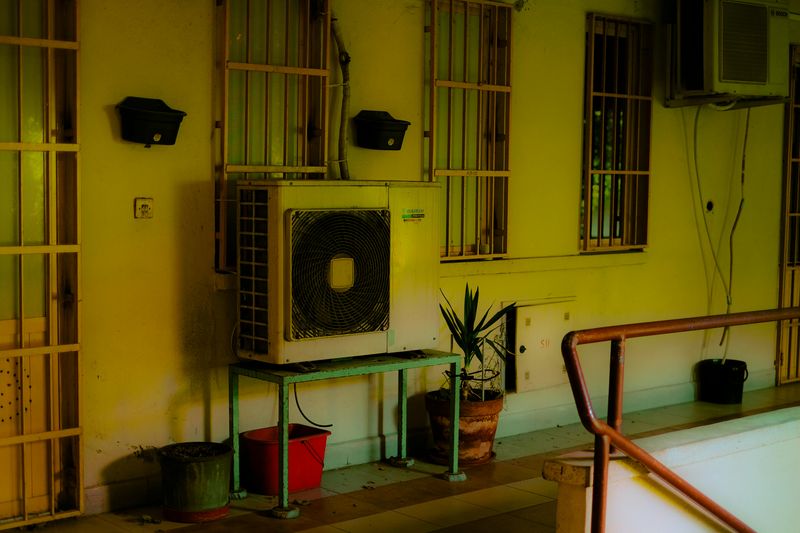
Step into an American home, office, or shopping mall in July, and you might want to bring a jacket — seriously.
Americans run their air conditioning at levels that leave visitors shivering in the middle of summer.
The thermostat is often set so low that blankets become necessary indoors while it is blazing hot outside.
For people from countries where AC is rare, expensive, or simply not needed, this habit seems wasteful and a little bizarre.
Why cool a home to near-freezing temperatures only to layer up inside?
Americans, however, view powerful air conditioning as a non-negotiable comfort.
Heat is the enemy, and cold air is the solution.
Comments
Loading…