
 Isabel Parker
Words carry more weight than we often realize, especially when it comes to matters of the heart. Sometimes, the things people say — or the way they say them — quietly signal that they’ve stopped believing love is possible for them.
Recognizing these phrases can help you understand what someone is truly feeling beneath the surface. Whether you hear these words from a friend, a family member, or even yourself, they deserve a closer look.
1. “I’m just not meant for relationships”

Some phrases sound like simple statements, but they carry a heavy emotional load underneath.
When someone says “I’m just not meant for relationships,” they’re not describing a fact — they’re describing a belief they’ve built after repeated hurt.
This kind of thinking is called a fixed mindset about love.
Instead of seeing past relationships as learning experiences, the person sees them as proof of personal failure.
It feels safer to opt out than to risk getting hurt again.
If you hear this from someone you care about, gentle encouragement and patience can go a long way toward helping them open up.
2. “Love only works for other people”

Picture this: you’re scrolling through social media and every post seems to feature someone else’s perfect romance.
For people who’ve been deeply hurt, that contrast can feel unbearable — and it often leads to this exact phrase.
Saying love only works for “other people” creates an emotional wall.
It separates the speaker from any possibility of connection, making heartbreak feel like a permanent identity rather than a temporary season.
Psychologists call this “othering” — a way of distancing yourself from something painful.
Recognizing this pattern is the first step toward gently challenging it and rediscovering what’s still possible.
3. “I’ve stopped expecting anything from anyone”

Low expectations can feel like self-protection, but they often signal something deeper.
When someone says they’ve stopped expecting anything from anyone, it usually means they’ve been let down so many times that hope itself feels dangerous.
This phrase is a quiet cry for understanding.
The person isn’t being dramatic — they’re expressing real emotional exhaustion.
Repeated disappointments in love can rewire how someone sees trust and vulnerability.
Healing from this mindset takes time and consistent, caring relationships.
Small gestures of reliability — showing up when you say you will, keeping your word — can slowly rebuild someone’s faith in connection.
4. “Relationships always end badly anyway”
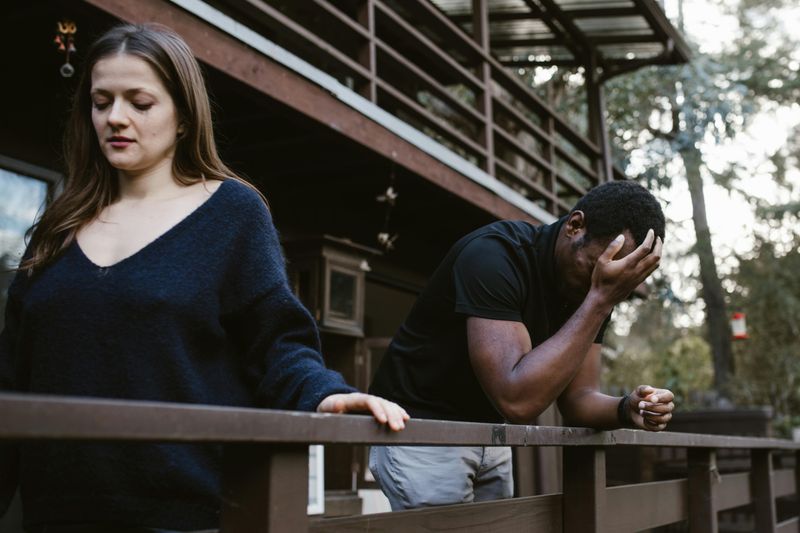
Here’s a truth worth thinking about: every relationship technically ends, except for the one that lasts a lifetime.
But someone who says “relationships always end badly anyway” isn’t thinking logically — they’re thinking emotionally, and understandably so.
This phrase reflects a pattern called overgeneralization.
One or two painful breakups become the rule for all future relationships.
The brain, trying to protect itself, starts predicting failure before anything even begins.
Breaking this cycle requires honest self-reflection and sometimes professional support.
A therapist or counselor can help someone untangle past wounds from present possibilities, making room for healthier expectations going forward.
5. “I’m better off alone”

“I’m better off alone” is one of the most common phrases people say when they’ve quietly surrendered on love.
On the surface, it sounds like confidence or independence — but beneath it, there’s often a deep wound that hasn’t healed.
Choosing solitude after heartbreak can be healthy for a while.
Everyone needs time to recharge and rediscover themselves.
The problem is when “for now” becomes “forever” without the person even realizing it.
Loneliness and contentment can look identical from the outside.
Checking in with yourself honestly — or with someone you trust — can help you figure out which one you’re actually feeling.
6. “Nobody really changes”

Cynicism about change is one of love’s quietest enemies.
When someone says “nobody really changes,” they’re often speaking from a place of deep personal disappointment — usually tied to someone who promised to be different and wasn’t.
Here’s the irony: science actually proves people can and do change, especially when they’re motivated by love and personal growth.
But trauma has a way of making the past feel like an unbreakable rule about the future.
This belief can become a self-fulfilling prophecy.
If you expect people to stay the same, you stop giving them the opportunity to grow — and love quietly becomes impossible before it even starts.
7. “I don’t believe in soulmates anymore”

There’s something quietly heartbreaking about hearing this phrase from someone who once believed deeply in love.
Soulmates or not, the loss of romantic hope is real and it matters.
Disbelief in soulmates often follows a relationship that felt destined but fell apart anyway.
The crash from “this is the one” to “that was a mistake” can shatter someone’s entire framework for love and connection.
Rebuilding that sense of wonder doesn’t mean going back to fairy-tale thinking.
It means developing a more grounded, realistic appreciation for the messy, beautiful, imperfect nature of real human connection — and trusting that it’s still worth pursuing.
8. “Why bother trying again?”
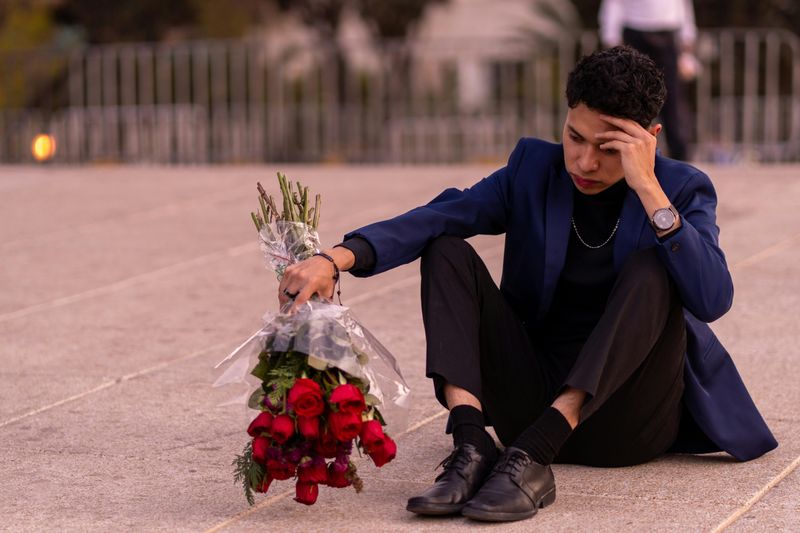
Four simple words — but they carry the weight of someone who has genuinely run out of emotional fuel. “Why bother trying again?” is less of a question and more of a surrender dressed up as curiosity.
Asking this usually means the cost of trying feels too high compared to the reward.
Past attempts at love left the person more depleted than fulfilled, and the idea of starting over feels exhausting rather than exciting.
Sometimes all it takes is one honest conversation, one moment of genuine connection, to reignite that spark.
Encouragement from trusted friends — paired with self-compassion — can slowly turn “why bother” back into “maybe it’s worth it.”
Comments
Loading…