
 Mila Ross
15 Western TV Shows That Shaped the Genre
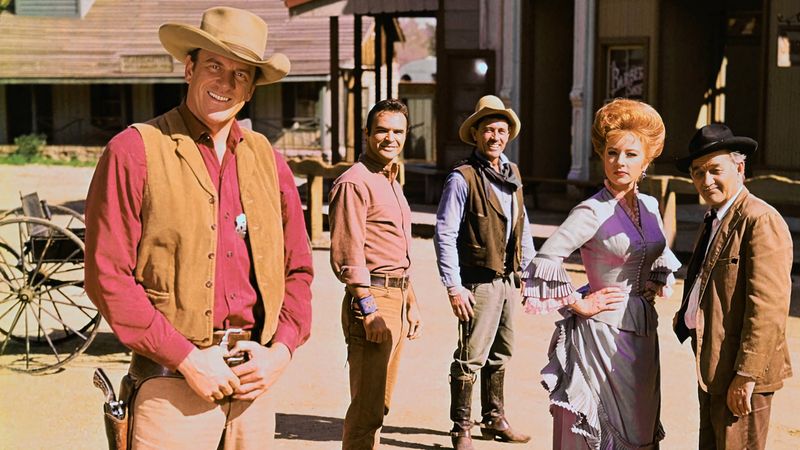
Few genres have captured the spirit of American history quite like the Western.
From dusty frontier towns to sweeping cattle drives, these stories brought the Old West roaring to life on television screens across the country.
Western TV shows didn’t just entertain — they explored big ideas like justice, loyalty, and survival.
Here are 15 iconic series that helped define and transform the Western genre for generations of fans.
1. Bonanza (1959–1973)
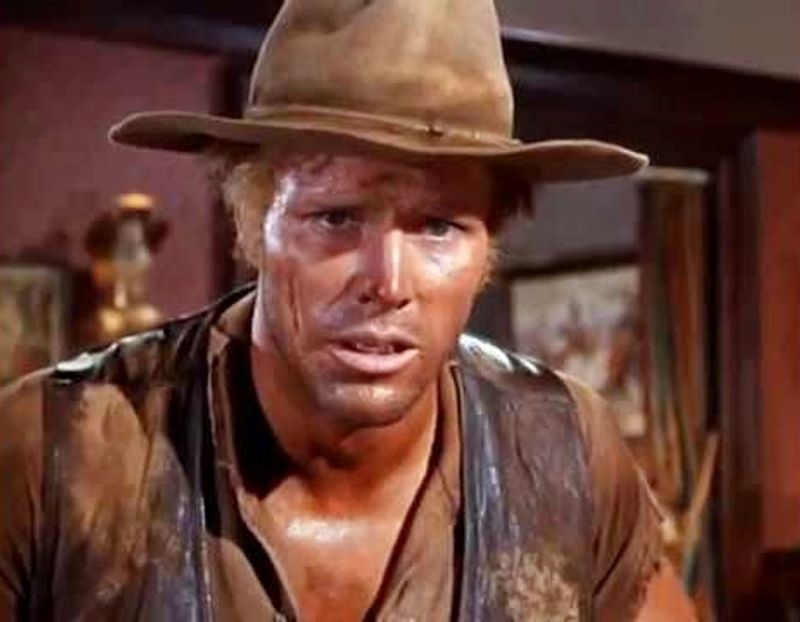
Before Bonanza, most Westerns centered on lone gunslingers or lawmen.
This show flipped the script by making family the heart of every story.
The Cartwright men — Ben and his three sons — tackled moral dilemmas that felt surprisingly modern for a show set in the 1800s.
Their ranch, the Ponderosa, became one of the most beloved settings in television history.
The show was also one of the first major series to air in color, which made those sweeping Nevada landscapes pop off the screen.
Bonanza proved that warmth and values could be just as gripping as action and gunfire.
2. The Virginian (1962–1971)
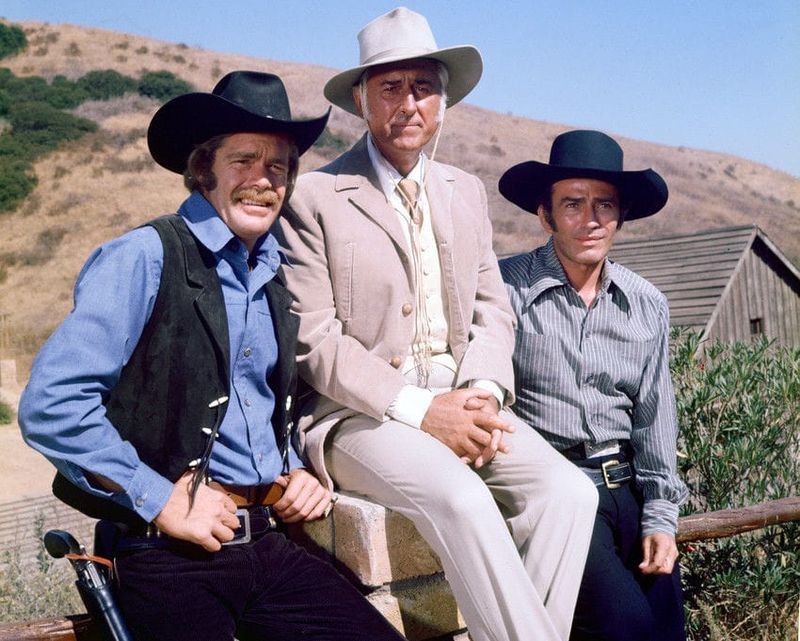
When The Virginian premiered in 1962, it changed what a Western episode could look like.
At 90 minutes long, each installment had space to breathe — developing complex characters and layered storylines that shorter shows simply couldn’t pull off.
Set on the Shiloh Ranch in Wyoming, the series balanced action with genuine emotional storytelling.
The mysterious Virginian himself never had a name given on the show, which added an intriguing air of legend to the character.
Guest stars regularly appeared, keeping the series fresh throughout its nine-season run.
It proved that Westerns could be sophisticated, cinematic, and deeply compelling all at once.
3. The Wild Wild West (1965–1969)
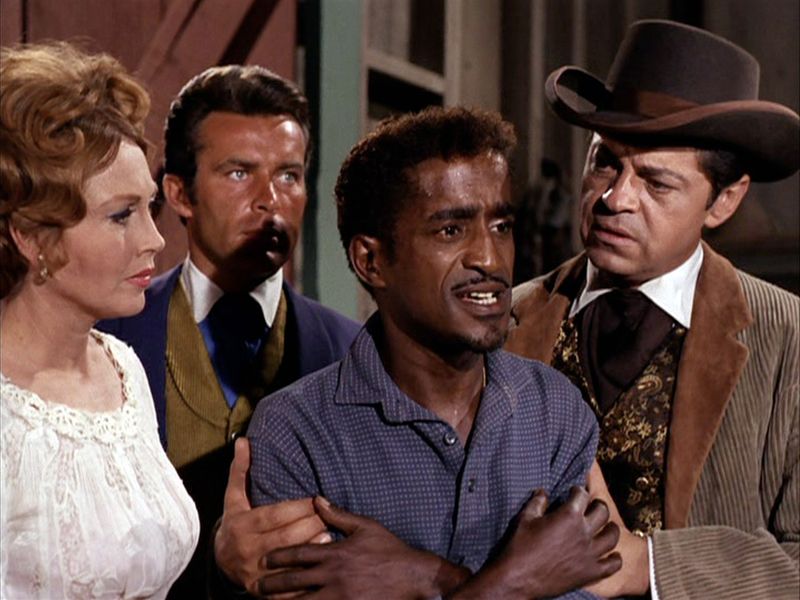
Imagine James Bond dropped into the Old West — that’s essentially what The Wild Wild West delivered every week.
Secret Service agents James West and Artemus Gordon faced off against villains wielding futuristic gadgets in a world that mixed frontier grit with science fiction flair.
It was unlike anything else on television at the time.
The show’s quirky blend of genres gave it a cult following that has lasted decades.
Artemus Gordon’s talent for disguise and invention made him a fan favorite, while West’s physical charisma kept the action thrilling.
This bold creative gamble showed that Westerns didn’t have to follow the same old formula.
4. Little House on the Prairie (1974–1983)
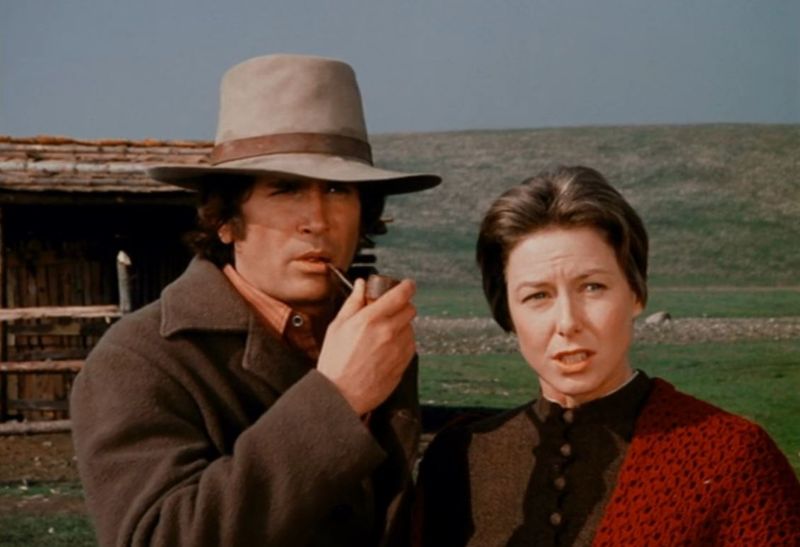
Not every Western story needs a gunfight to leave a lasting impression.
Little House on the Prairie found its power in the quiet, everyday struggles of frontier family life.
Based on Laura Ingalls Wilder’s beloved books, the series followed the Ingalls family as they built a home, a community, and a life from scratch on the Minnesota prairie.
The show tackled surprisingly heavy topics — poverty, illness, loss, and prejudice — all through the eyes of young Laura.
That honest approach made it resonate with viewers of all ages.
Decades later, it still stands as a touching reminder that courage shows up in many forms.
5. Gunsmoke (1955–1975)
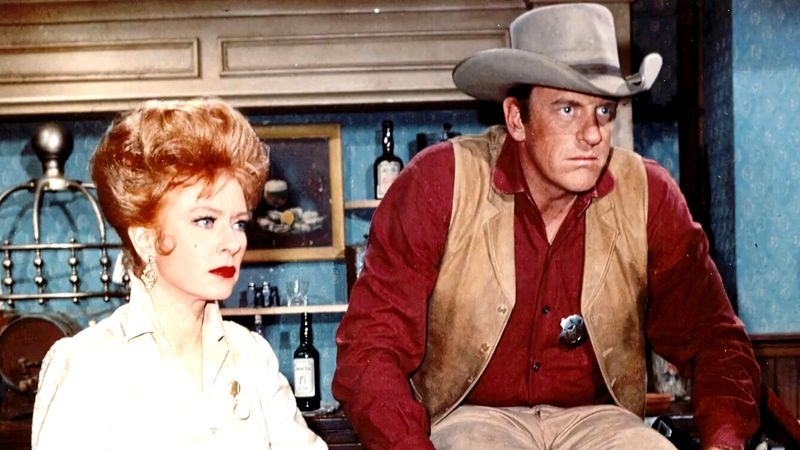
Running for 20 seasons, Gunsmoke holds the record as one of the longest-running Westerns in TV history.
Marshal Matt Dillon kept the peace in Dodge City with a calm authority that viewers trusted completely.
The show wasn’t just about shootouts — it tackled real human struggles like grief, greed, and injustice.
What made Gunsmoke special was its willingness to slow down and tell character-driven stories.
Supporting characters like Miss Kitty and Doc Adams felt like real people, not just sidekicks.
That emotional honesty kept audiences tuned in for two full decades, cementing its place as the gold standard of TV Westerns.
6. Lonesome Dove (1989)
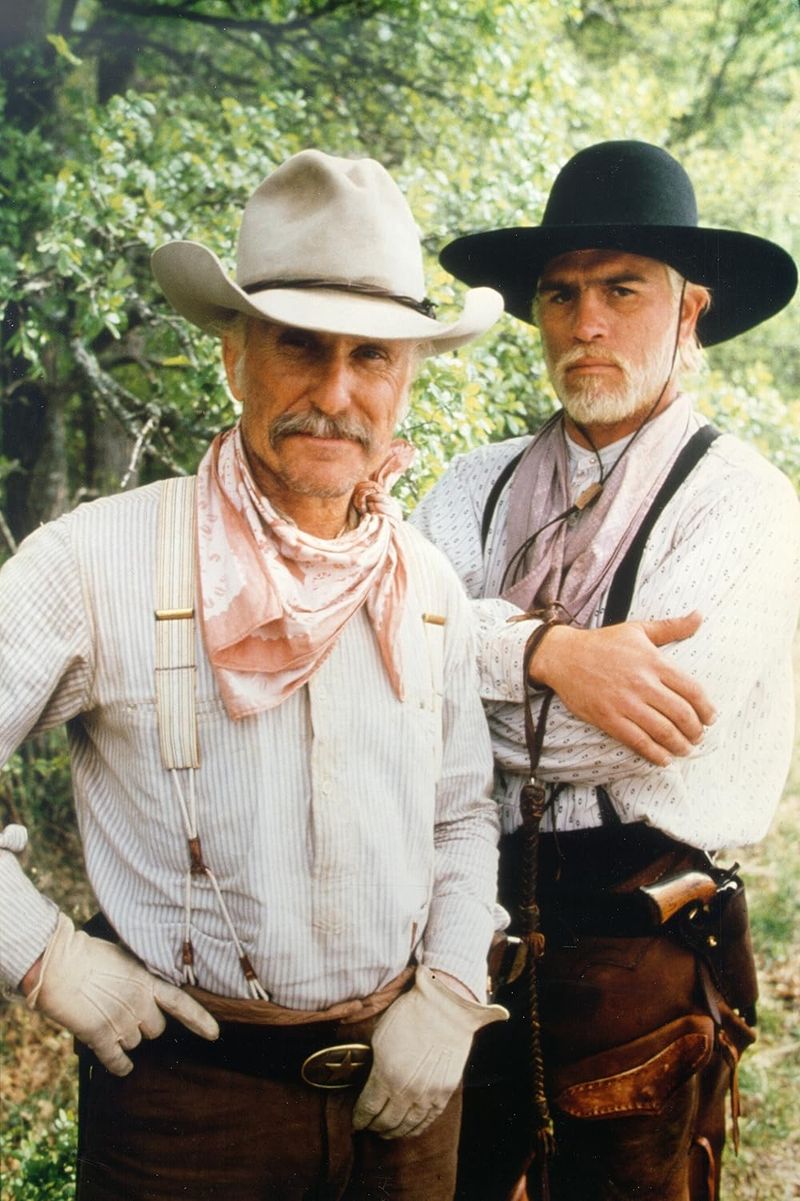
Few miniseries have ever hit as hard as Lonesome Dove.
Based on Larry McMurtry’s Pulitzer Prize-winning novel, this four-part epic followed retired Texas Rangers Gus McCrae and Woodrow Call as they led a cattle drive from Texas to Montana.
The performances were extraordinary, and the story never shied away from heartbreak.
What made this miniseries unforgettable was how deeply human every character felt.
Gus’s humor and warmth balanced Call’s stubbornness in ways that felt achingly real.
Critics and audiences alike were stunned by its emotional power.
Lonesome Dove set a benchmark for storytelling that Western TV productions still measure themselves against today.
7. Deadwood (2004–2006)
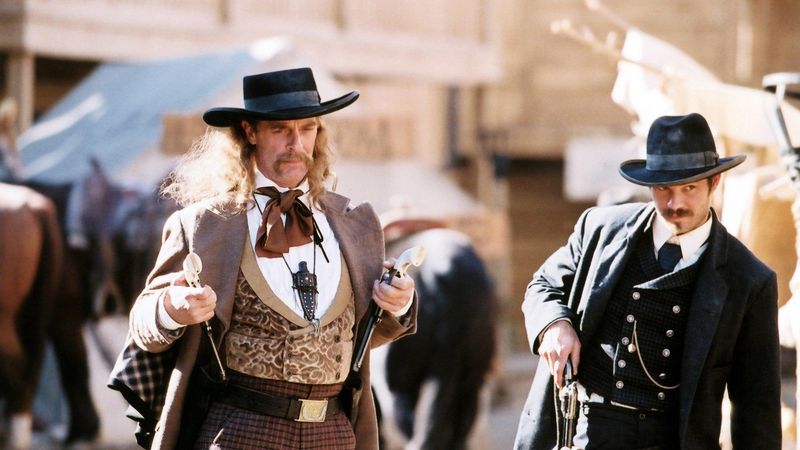
Deadwood arrived on HBO like a thunderstorm — loud, raw, and impossible to ignore.
Set in the real-life South Dakota mining camp of Deadwood, the series depicted a lawless town where power, greed, and survival collided daily.
The language was sharp and colorful, the characters morally complicated, and the historical detail remarkably rich.
Al Swearengen, the ruthless saloon owner played by Ian McShane, became one of television’s most compelling antiheroes.
The show’s willingness to portray the Old West without romanticizing it was genuinely groundbreaking.
Though it ran only three seasons, Deadwood’s influence on prestige television drama continues to echo through the industry to this day.
8. Justified (2010–2015)
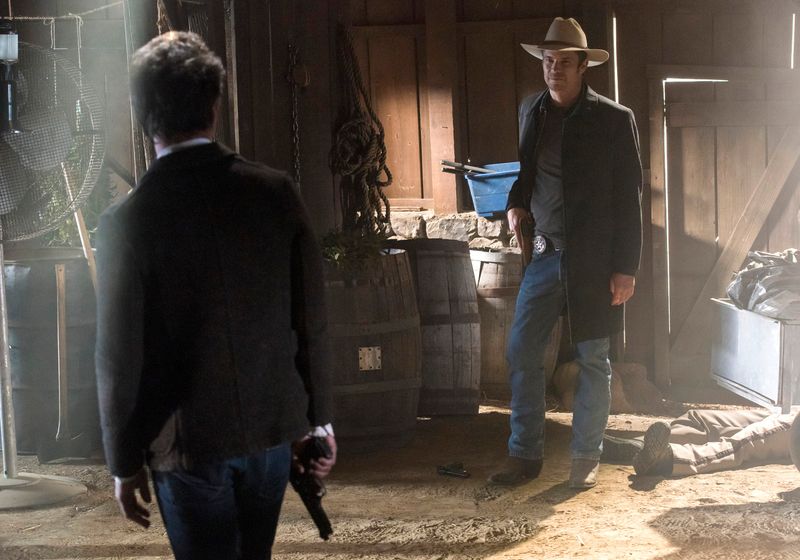
Raylan Givens walked into every room like a man who had already decided how things were going to end.
Justified brought a distinctly modern energy to Western storytelling by transplanting classic frontier justice into the hills of rural Kentucky.
Based on Elmore Leonard’s sharp, witty writing, the show crackled with dialogue that was endlessly quotable.
The cat-and-mouse dynamic between Raylan and his childhood friend-turned-criminal Boyd Crowder gave the series its emotional backbone.
Both men were products of the same broken world, yet they chose completely different paths.
Justified proved that the Western spirit — individualism, honor, and consequence — translates brilliantly into contemporary crime storytelling.
9. Yellowstone (2018–2024)
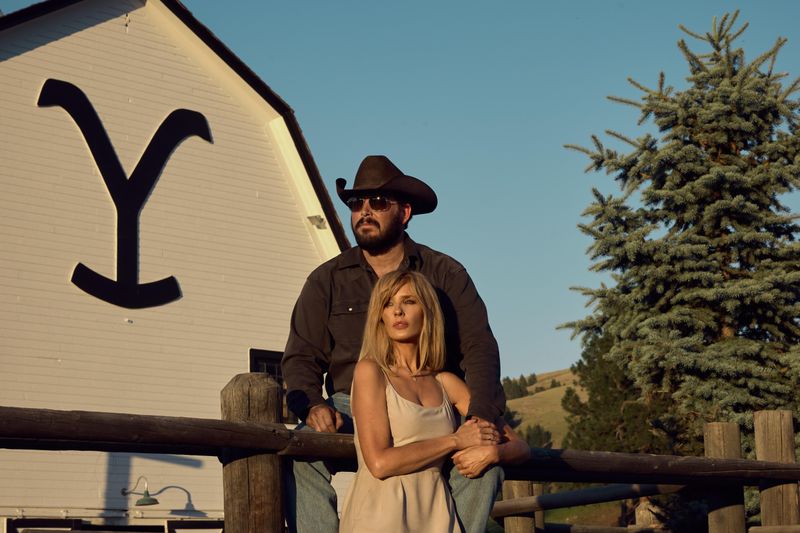
Yellowstone roared onto Paramount Network and immediately became a cultural phenomenon.
The show centers on John Dutton, a fifth-generation rancher fighting to protect his massive Montana spread from developers, politicians, and rival interests.
Kevin Costner brought a weathered gravitas to the role that felt perfectly suited for a modern Western saga.
The series blends family drama with political intrigue and frontier toughness in a way that feels both timeless and urgently current.
Land, legacy, and loyalty are the currencies everyone fights over.
Yellowstone sparked a genuine revival of Western storytelling on television, inspiring multiple spin-offs and proving the genre still has enormous mainstream appeal.
10. Wagon Train (1957–1965)
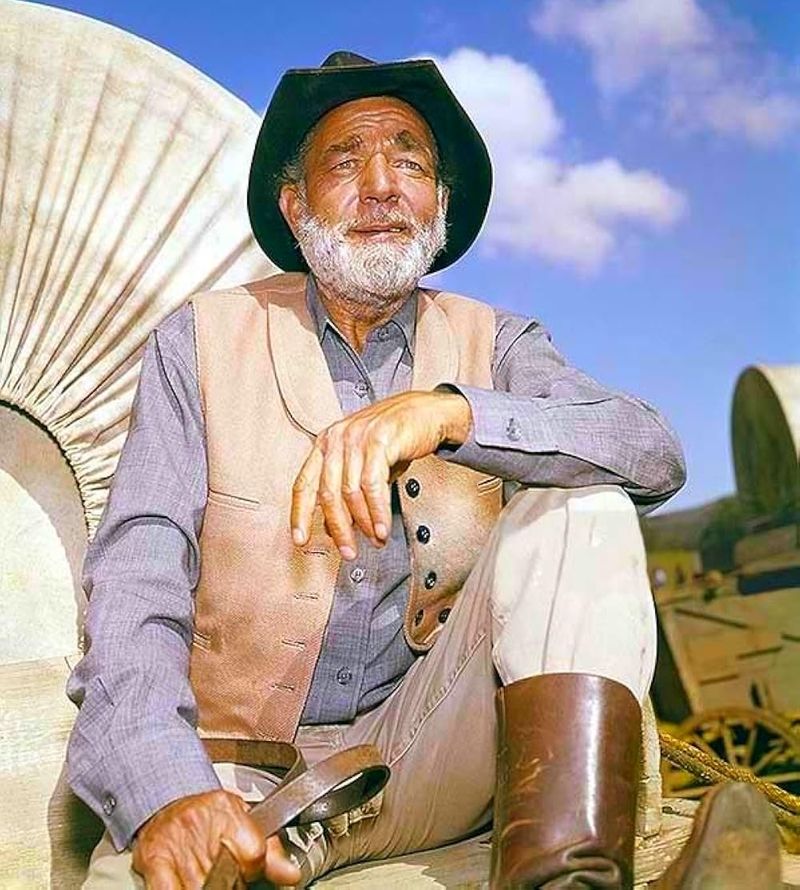
Every episode of Wagon Train told a different story, because every wagon carried a different kind of person.
The show followed a group of settlers making the long, dangerous journey westward, with each episode focusing on a new traveler’s backstory, struggles, and secrets.
That anthology-style format was genuinely innovative for its era.
Guest stars flocked to the series, including some of Hollywood’s biggest names.
The show consistently ranked among the top-rated programs on American television during its run.
Wagon Train captured something true about the frontier spirit — that the journey itself changes people.
Its character-first approach influenced how future Western ensemble shows would be structured.
11. Rawhide (1959–1965)
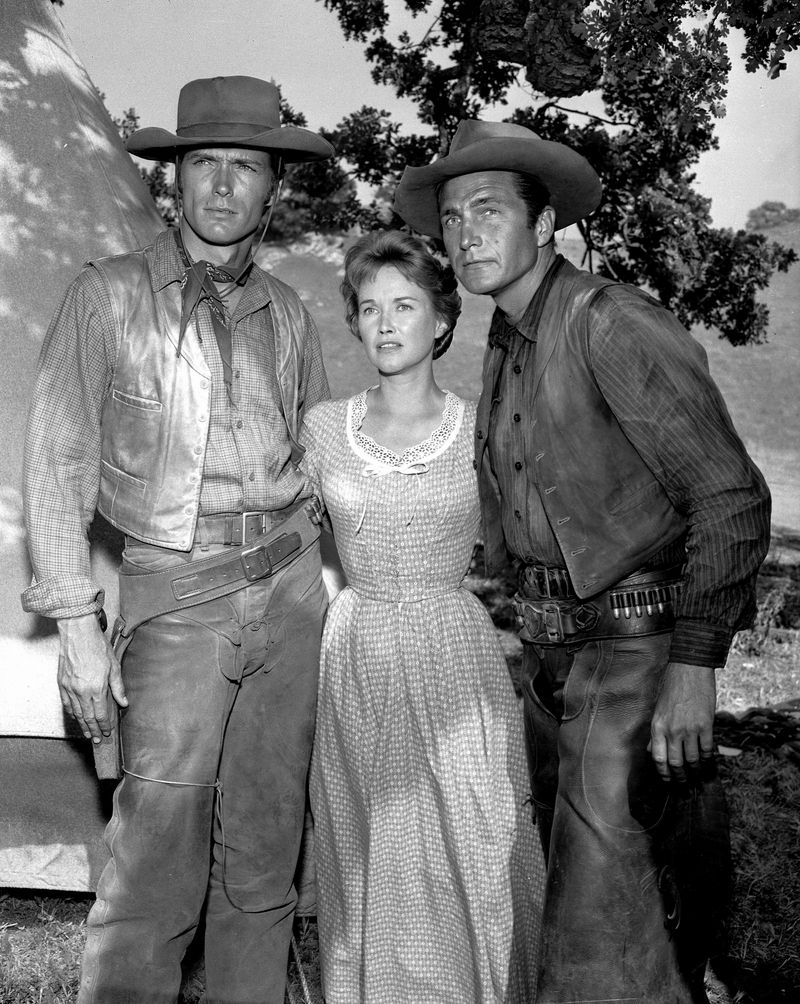
Before Clint Eastwood became a movie legend, he spent six seasons driving cattle on Rawhide.
Playing ramrod Rowdy Yates, Eastwood honed the cool, laconic screen presence that would later make him one of Hollywood’s biggest stars.
The show gave him a national audience and a crash course in Western storytelling.
Beyond launching Eastwood’s career, Rawhide delivered genuinely gritty tales of trail life — exhaustion, danger, loyalty, and conflict among men far from civilization.
The iconic theme song became instantly recognizable.
Rawhide demonstrated that the cattle drive itself could be a rich, endlessly renewable source of dramatic tension, week after week after week.
12. Have Gun – Will Travel (1957–1963)
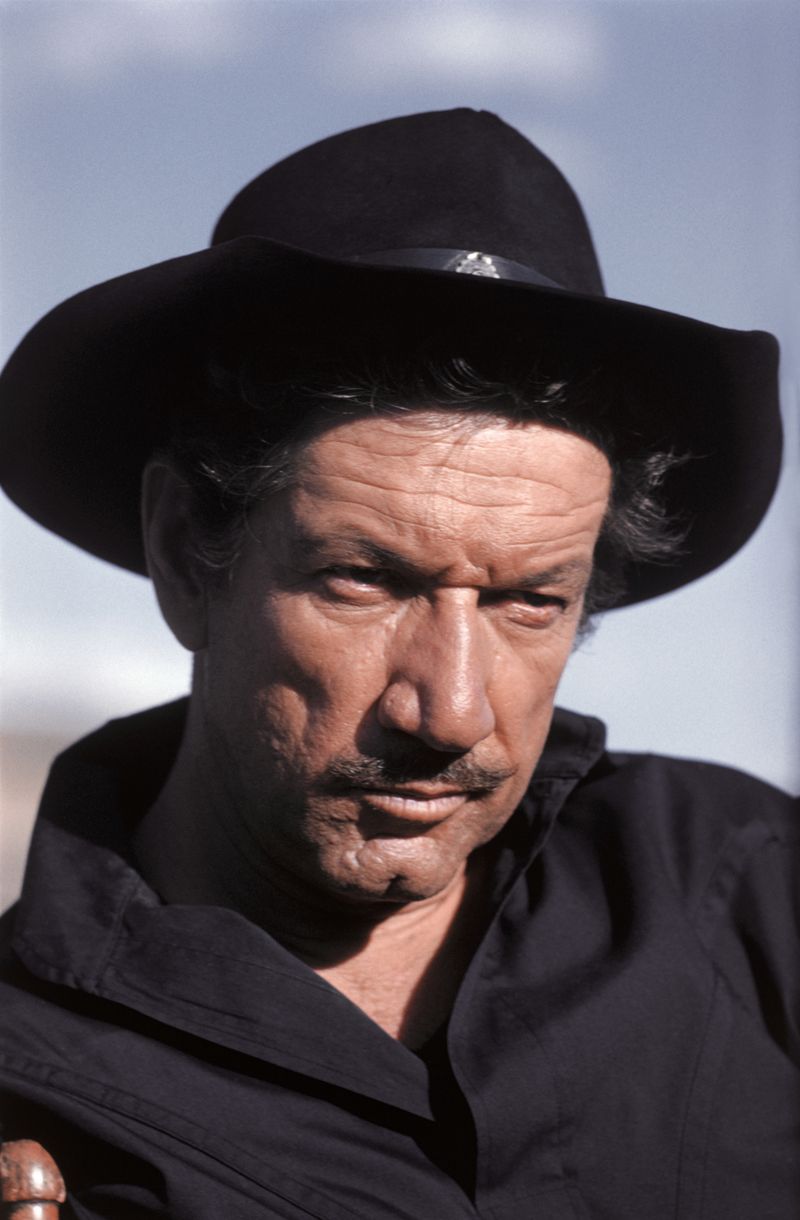
Most TV cowboys were straightforward heroes.
Paladin was something else entirely.
A cultured, chess-playing mercenary who quoted poetry and carried a business card, he operated in moral gray zones that most Westerns avoided completely.
Have Gun – Will Travel asked harder questions about justice, honor, and what it really means to do the right thing.
Richard Boone’s performance gave Paladin a quiet intensity that felt more literary than cinematic.
The show’s philosophical undertone set it apart from action-heavy contemporaries.
It proved that a Western protagonist didn’t need to wear a white hat to be compelling — sometimes the most interesting heroes are the ones hardest to categorize.
13. The Rifleman (1958–1963)
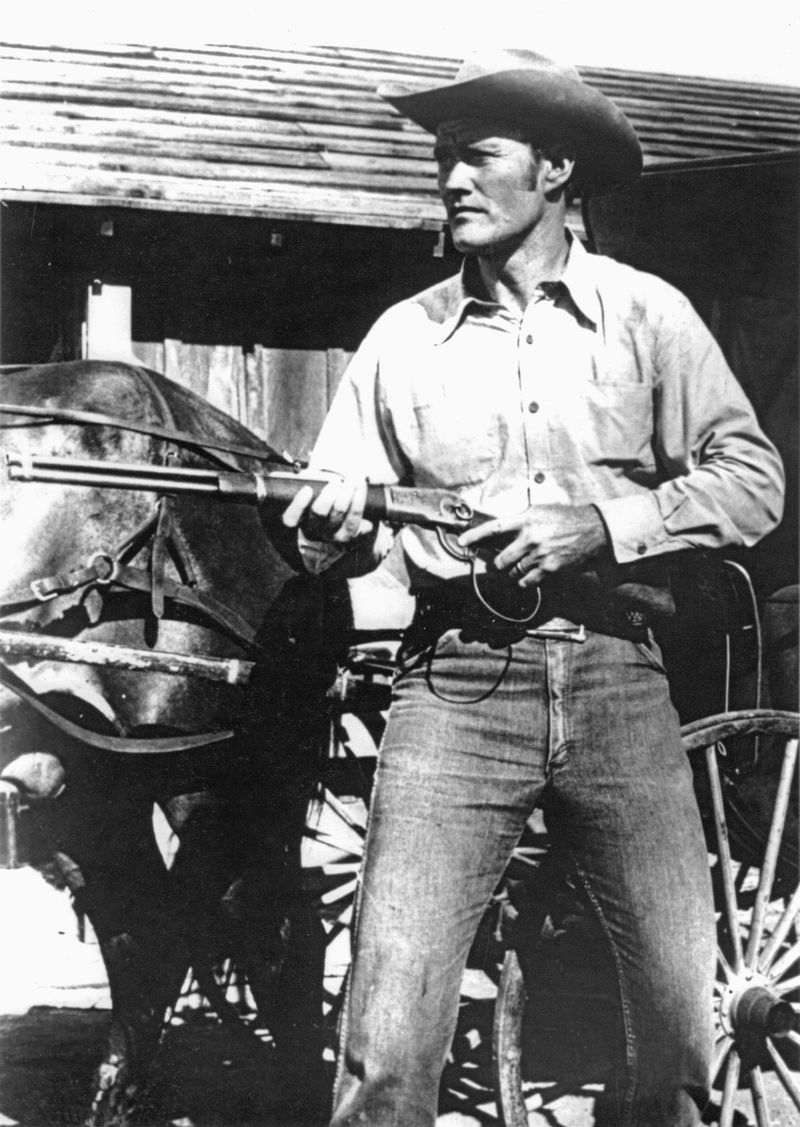
Chuck Connors made that lever-action Winchester look effortless, and audiences loved him for it.
The Rifleman followed widower Lucas McCain as he raised his son Mark on a New Mexico ranch while facing outlaws, corrupt officials, and all manner of frontier trouble.
But the real story was always the relationship between father and son.
Each episode wrapped its action around a moral lesson — about honesty, courage, fairness, or forgiveness — delivered naturally through Lucas and Mark’s conversations.
It never felt preachy, just real.
The show demonstrated that a Western could be simultaneously exciting and emotionally grounding, making it a favorite for families watching together on Friday nights.
14. Hell on Wheels (2011–2016)
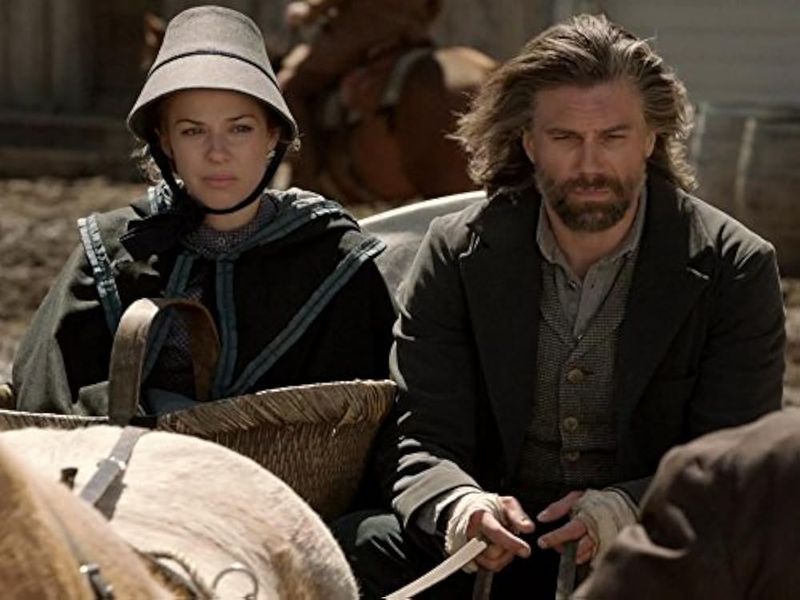
Building the transcontinental railroad was one of America’s most brutal and ambitious undertakings, and Hell on Wheels didn’t sugarcoat a single moment of it.
The series followed Cullen Bohannon, a former Confederate soldier seeking revenge, as he worked his way through the violent, chaotic world of railroad construction in post-Civil War America.
The show tackled race, class, corruption, and ambition against a backdrop of constant physical danger.
Anson Mount’s performance as Bohannon was quietly magnetic — a man trying to outrun his own darkness.
Hell on Wheels reminded viewers that Western expansion came at enormous human cost, and it never let that uncomfortable truth slip quietly into the background.
15. Maverick (1957–1962)
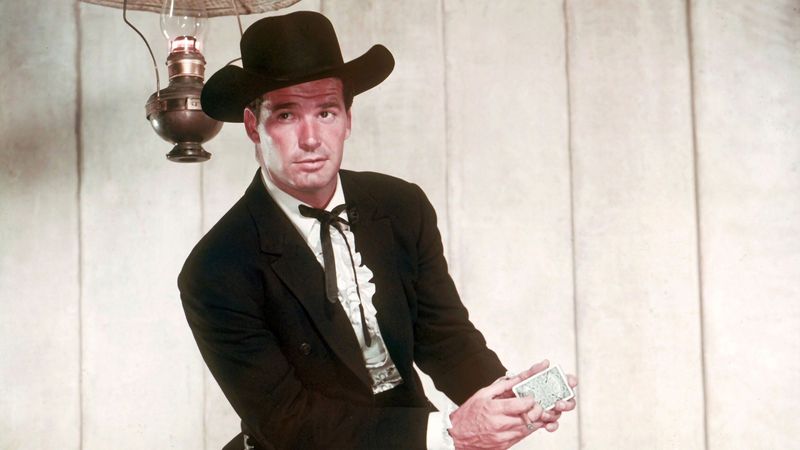
Bret Maverick never reached for his gun when a clever bluff would do just fine.
Maverick brought a refreshing sense of humor to the Western genre at a time when most frontier heroes were dead serious.
James Garner’s easy charisma made Bret instantly likable — a gambler who outsmarted trouble rather than shooting his way out of it.
The show wasn’t afraid to poke fun at Western cliches, and that self-awareness gave it a surprisingly modern feel.
It occasionally even parodied other popular TV Westerns of the era.
Maverick proved the genre had enough range to hold comedy, wit, and charm alongside all its traditional dust and drama.
Comments
Loading…